Politics
Final statement of the Jeddah Summit on Security and Development: Addressing challenges, committing to good neighborliness, and respecting sovereignty
The final statement of the Jeddah Summit for Security and Development, comprising the Gulf Cooperation Council countries, Jordan, Egypt, and Iraq, was issued today

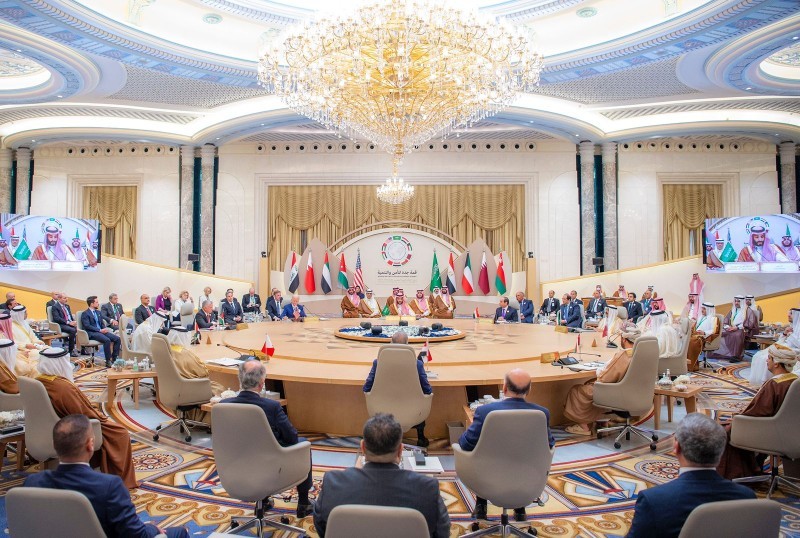
The final statement of the "Jeddah Summit for Security and Development" for the Gulf Cooperation Council countries, Jordan, Egypt, Iraq and the United States was issued today. The text is as follows:
At the gracious invitation of the Custodian of the Two Holy Mosques, King Salman bin Abdulaziz Al Saud, King of the Kingdom of Saudi Arabia, the leaders of the Gulf Cooperation Council (GCC) countries, the Hashemite Kingdom of Jordan, the Arab Republic of Egypt, the Republic of Iraq, and the United States of America held a joint summit in Jeddah, Kingdom of Saudi Arabia, on July 16, 2022, with the aim of reaffirming their historic partnership and deepening their joint cooperation in all fields.
The leaders welcomed President Biden’s reaffirmation of the importance the United States places on its decades-long strategic partnerships in the Middle East, the United States’ enduring commitment to the security of its partners and the defense of their territories, and its recognition of the region’s central role in connecting the Indo-Pacific to Europe, Africa, and the Americas.
The leaders affirmed their shared vision of a region of peace and prosperity, and the importance of taking all necessary measures to preserve the region’s security and stability, develop ways of cooperation and integration among its countries, jointly address the challenges it faces, and adhere to the principles of good neighborliness, mutual respect, and respect for sovereignty and territorial integrity.
President Biden reaffirmed the United States’ commitment to working toward a just, comprehensive, and lasting peace in the Middle East. The leaders emphasized the need for a just resolution to the Israeli-Palestinian conflict based on a two-state solution, stressing the importance of the Arab Peace Initiative. They affirmed the necessity of halting all unilateral actions that undermine the two-state solution, respecting the historical status quo in Jerusalem and its holy sites, and the crucial role of the Hashemite custodianship in this regard. The leaders also emphasized the importance of supporting the Palestinian economy and the United Nations Relief and Works Agency for Palestine Refugees (UNRWA). President Biden commended the important roles of Jordan, Egypt, and the Gulf Cooperation Council (GCC) countries in the peace process and their support for the Palestinian people and their institutions.
The leaders reaffirmed their commitment to developing regional cooperation and integration, as well as joint projects among their countries, to contribute to achieving sustainable development and collectively addressing climate challenges by accelerating environmental ambitions and supporting innovation and partnerships, including the use of a circular carbon economy approach and the development of renewable energy sources. In this context, the leaders commended the electricity interconnection agreements between Saudi Arabia and Iraq, between the Gulf Cooperation Council and Iraq, between Saudi Arabia and both Jordan and Egypt, and between Egypt, Jordan, and Iraq.
The leaders commended the Saudi Green Initiative and the Green Middle East Initiative announced by the Crown Prince of Saudi Arabia. They expressed their hope for active and positive contributions from all parties to the success of the 27th United Nations Climate Change Conference (COP27) hosted by the Arab Republic of Egypt, the 28th United Nations Climate Change Conference (COP28) hosted by the United Arab Emirates, and the International Horticultural Exhibition 2023 hosted by the State of Qatar, themed "Green Desert, Better Environment 2023-2024.".
The leaders emphasized the importance of achieving energy security and stabilizing energy markets, while working to enhance investment in technologies and projects aimed at reducing emissions and decarbonizing the energy sector in line with national commitments. They also commended OPEC+ efforts to stabilize oil markets in a way that serves the interests of both consumers and producers and supports economic growth, and acknowledged OPEC+'s decision to increase production for July and August. They praised the Kingdom of Saudi Arabia's leading role in fostering consensus among OPEC+ members.
The leaders reaffirmed their support for the Treaty on the Non-Proliferation of Nuclear Weapons and for the goal of preventing the spread of nuclear weapons in the region. They also renewed their call upon the Islamic Republic of Iran to cooperate fully with the International Atomic Energy Agency and with the countries of the region to keep the Arabian Gulf region free of weapons of mass destruction and to maintain regional and international security and stability.
The leaders renewed their strong condemnation of terrorism in all its forms and manifestations, and their determination to strengthen regional and international efforts aimed at combating terrorism and violent extremism, preventing the financing, arming and recruitment of terrorist groups by all individuals and entities, and confronting all activities that threaten the security and stability of the region.
The leaders affirmed their strong condemnation of the terrorist attacks against civilians, civilian objects and energy facilities in the Kingdom of Saudi Arabia and the United Arab Emirates, and against commercial vessels sailing in the vital international trade routes of the Strait of Hormuz and Bab al-Mandab, and stressed the need to comply with the relevant Security Council resolutions, including Security Council Resolution 2624.
The leaders reaffirmed their full support for Iraq’s sovereignty, security, stability, development, and prosperity, and for all its efforts in combating terrorism. They also welcomed Iraq’s positive role in facilitating communication and building trust among the countries of the region.
The leaders welcomed the ceasefire in Yemen and the formation of the Presidential Leadership Council, expressing their hope for a political solution based on the Gulf Cooperation Council Initiative and its Implementation Mechanism, the outcomes of the Comprehensive National Dialogue Conference, and relevant UN Security Council resolutions, including Resolution 2216. They called on all Yemeni parties to seize this opportunity and immediately begin direct negotiations under the auspices of the United Nations. The leaders also emphasized the importance of continuing to provide humanitarian, relief, economic, and development assistance to the Yemeni people and ensuring its delivery throughout Yemen.
The leaders stressed the need to intensify efforts to reach a political solution to the Syrian crisis, one that preserves Syria’s unity and sovereignty and meets the aspirations of its people, in accordance with Security Council Resolution 2254. The leaders also stressed the importance of providing the necessary support to Syrian refugees and the countries hosting them, and ensuring the delivery of humanitarian aid to all areas of Syria.
The leaders expressed their support for Lebanon’s sovereignty, security, and stability, and for all reforms necessary for its economic recovery. They noted the holding of parliamentary elections, facilitated by the Lebanese Armed Forces and the Internal Security Forces. Regarding the upcoming presidential elections, they called on all Lebanese parties to respect the Constitution and constitutional deadlines. The leaders commended the efforts of Lebanon’s friends and partners in restoring and strengthening trust and cooperation between Lebanon and the Gulf Cooperation Council (GCC) countries, and their support for the role of the Lebanese Armed Forces and the Internal Security Forces in maintaining Lebanon’s security. They particularly noted Kuwait’s initiatives to build joint action between Lebanon and the GCC countries, and Qatar’s recent announcement of direct support for the Lebanese Armed Forces’ salaries. The United States affirmed its commitment to developing a similar program to support the Lebanese Armed Forces and the Internal Security Forces. The leaders also welcomed the support provided by the Republic of Iraq to the Lebanese people and the Lebanese government in the areas of energy and humanitarian relief. The leaders called on all friends of Lebanon to join efforts to ensure Lebanon’s security and stability. The leaders stressed the importance of the Lebanese government extending its control over all Lebanese territory, including implementing the provisions of the relevant Security Council resolutions and the Taif Agreement, in order to exercise its full sovereignty, so that there are no weapons except with the approval of the Lebanese government, and no authority other than its authority.
The leaders reaffirmed their support for efforts to resolve the Libyan crisis in accordance with relevant Security Council resolutions, including Resolutions 2570 and 2571, and stressed the need to hold simultaneous presidential and parliamentary elections as soon as possible, and the immediate withdrawal of all foreign fighters and mercenaries. They reiterated their support for the unification of military institutions under UN supervision. The leaders also expressed their appreciation to the Arab Republic of Egypt for hosting the Libyan constitutional dialogue, which supports the UN-backed political process.
The leaders affirmed their support for efforts to achieve stability in Sudan, complete and ensure the success of the transitional phase, encourage consensus among Sudanese parties, maintain the cohesion of the state and its institutions, and support Sudan in facing economic challenges.
Regarding the Grand Ethiopian Renaissance Dam (GERD), the leaders expressed their support for Egypt’s water security and for a diplomatic solution that serves the interests of all parties and contributes to peace and prosperity in the region. They emphasized the need to reach an agreement on the filling and operation of the dam within a reasonable timeframe, as stipulated in the Presidential Statement of the President of the Security Council issued on September 15, 2021, and in accordance with international law.
Regarding the war in Ukraine, the leaders reaffirmed the need to respect the principles of international law, including the UN Charter, the sovereignty and territorial integrity of states, and the commitment to refrain from the use of force or the threat of force. They urged the international community and all states to redouble their efforts to achieve a peaceful resolution, end the humanitarian suffering, support refugees, internally displaced persons, and those affected by the war, facilitate the export of grain and foodstuffs, and bolster food security in affected countries.
Regarding Afghanistan, the leaders emphasized the importance of continuing and intensifying efforts to support the delivery of humanitarian aid to Afghanistan, to address the threat of terrorism in the country, and to ensure that all segments of the Afghan people enjoy their fundamental rights and freedoms, particularly in education and healthcare according to the highest possible standards, and the right to work, especially for women. The leaders expressed their appreciation for the role of the State of Qatar in supporting the security and stability of the Afghan people.
The leaders welcomed Qatar’s preparations to host the 2022 World Cup and renewed their support for everything that would make it a success.
The leaders affirmed their commitment to holding their meeting again in the future.
Jeddah, Saudi Arabia
17 Dhu al-Hijjah 1443 AH
July 16, 2022




Politics
Lebanon: Army requests 4 months to disarm Hezbollah south of the Litani River
The Lebanese government announces that the army needs 4 months to complete the disarmament of Hezbollah between the Litani and Awali rivers, amid Naim Qassem's rejection and the continuation of Israeli attacks after the 2024 war.
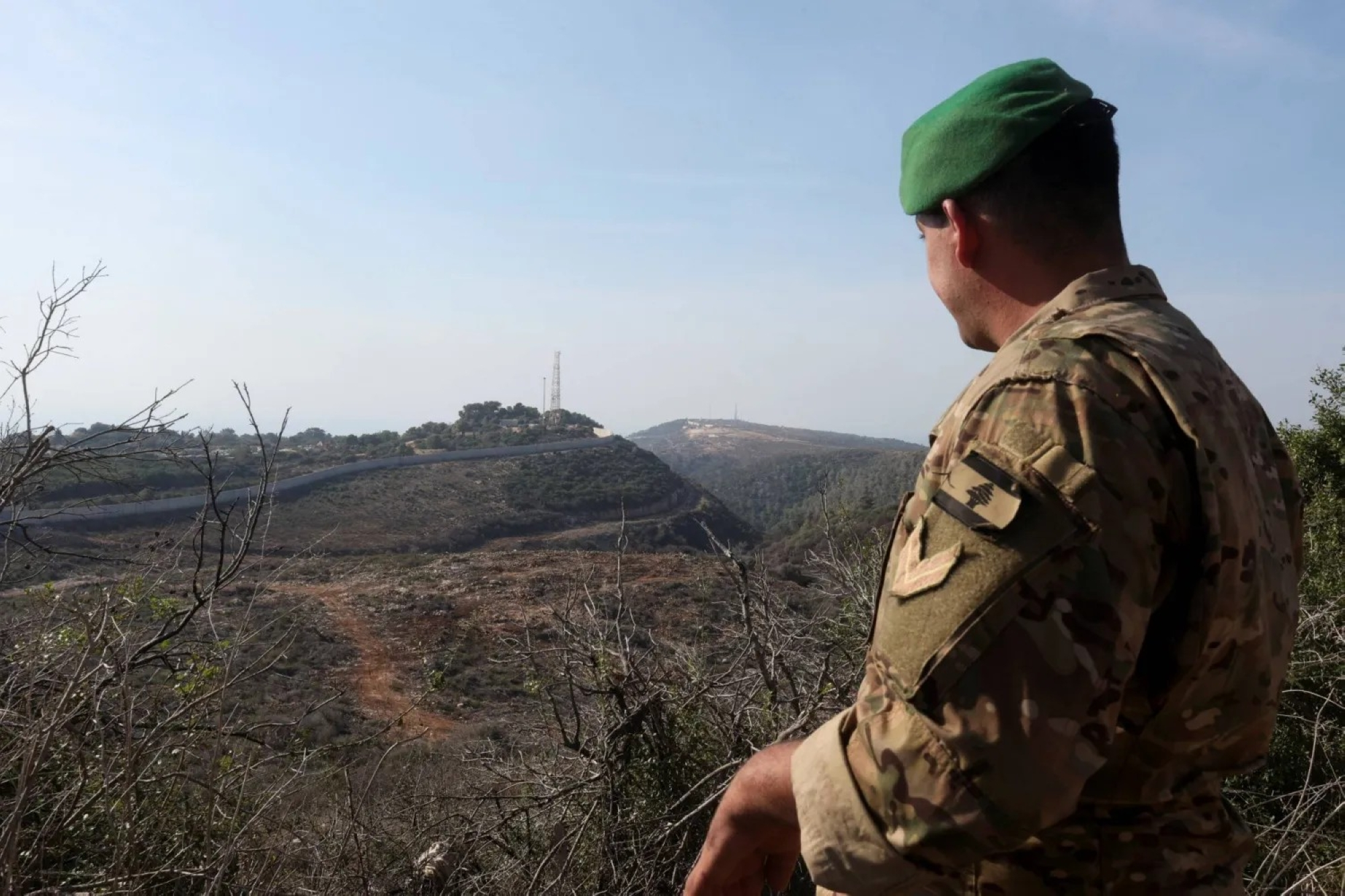
The Lebanese government has officially announced that the Lebanese army needs at least an additional four months to complete the second phase of the national plan to disarm Hezbollah in southern Lebanon. This announcement comes at a highly sensitive time, as the country faces complex field challenges, including ongoing Israeli violations and attacks, as well as logistical obstacles hindering the military's movements on the ground.
Details of the second phase and field deployment
Following a cabinet meeting, Lebanese Information Minister Paul Morcos explained that the government reviewed the monthly report submitted by the army command regarding the progress of the "weapons control" plan. He indicated that the second phase, which requires an extension, covers the strategic geographical area extending from the Litani River in the south to the Awali River in the north (at the entrance to Sidon). This area is vital for ensuring the stability of the south and militarily isolating the border regions from the rest of Lebanon.
The government had approved this plan last August, and the army announced in January the completion of the first phase, which covered the entire area south of the Litani River. However, Israel deemed the measures taken insufficient to guarantee its security, prompting it to continue its localized military operations.
The post-war context of 2024 and security fragility
These developments gain significance from their timing, as Lebanon attempts to solidify the ceasefire reached in November 2014 after more than a year of bloody clashes between Hezbollah and Israel. Despite the agreement, Israeli forces continue to occupy five strategic hills inside Lebanese territory, violating the terms of a complete withdrawal, and persist in launching airstrikes under the pretext of preventing Hezbollah from rebuilding its military capabilities.
Sharp internal division and Hezbollah's position
In contrast, the government's move provoked angry reactions from Hezbollah's leadership, reflecting the depth of the internal political crisis. The party's deputy secretary-general, Naim Qassem, launched a scathing attack on the government's plan, describing the focus on disarmament at this time as a "grave sin." Qassem argued that these steps serve the Israeli agenda and weaken Lebanon's defense position, accusing the government of making gratuitous concessions that encourage Tel Aviv to escalate its aggression. He called for an immediate halt to all measures related to disarming the militias.
Strategic and international dimensions
This issue has dimensions that extend beyond the local sphere, as the international community, particularly the states sponsoring the ceasefire agreement, is closely monitoring the Lebanese state's ability to fully assert its sovereignty over its territory. The army's success in this endeavor is a true test of the implementation of international resolutions and a guarantee against the region sliding into a new regional war. The announced four-month delay could place Lebanon under additional diplomatic pressure, amid concerns that Israel might use this delay as a pretext to expand its military operations or consolidate its occupation of the strategic points it currently controls.
Politics
Saudi Arabia and Iran discuss strengthening relations and parliamentary cooperation
Saudi-Iranian talks in Riyadh between Walid Al-Khuraiji and Ibrahim Azizi to strengthen bilateral relations and cooperation between the Shura Councils within the framework of completing the Beijing Agreement.
In a new step reflecting the continued diplomatic momentum between the two regional powers, Deputy Foreign Minister Engineer Waleed bin Abdulkarim Al-Khuraiji received, at the Ministry’s headquarters in Riyadh, the Chairman of the National Security and Foreign Policy Committee of the Iranian Shura Council, Ibrahim Reza Azizi, and his accompanying delegation.
The meeting included a comprehensive review of bilateral relations between the Kingdom of Saudi Arabia and the Islamic Republic of Iran, where the two sides discussed ways to strengthen and develop them in various fields, with particular focus on aspects of cooperation related to the Shura Councils in both countries, in a way that serves common interests and enhances institutional communication frameworks.
The reception was attended on the Saudi side by the Chairman of the Foreign Affairs Committee of the Shura Council, Mr. Aqla bin Ali Al-Aqla, and on the Iranian side by the Ambassador of the Islamic Republic of Iran to the Kingdom, Ali Reza Enayati, which reflects the importance that both sides attach to this course of talks.
Context of resuming diplomatic relations
This visit comes in the context of a remarkable development in Saudi-Iranian relations since the historic agreement reached in Beijing in March 2023. The agreement stipulated the resumption of diplomatic relations between the two countries and the reopening of embassies and diplomatic missions, which has already been implemented, as the two countries exchanged ambassadors and official reciprocal visits resumed at high levels, including visits by foreign ministers and security and economic officials.
The importance of parliamentary diplomacy
This meeting is particularly significant as it focuses on “parliamentary diplomacy,” given the vital role played by the consultative councils of both countries in fostering political understanding through legislative and oversight channels. Cooperation between the Foreign Affairs Committee of the Saudi Shura Council and the National Security and Foreign Policy Committee of the Iranian Parliament represents a significant step towards institutionalizing relations, moving beyond mere traditional diplomatic communication to building bridges between legislative bodies. This, in turn, contributes to aligning perspectives on regional and international issues.
Regional and international impact
Observers view the continued pace of meetings between Riyadh and Tehran with cautious optimism, anticipating that this rapprochement will positively impact the stability of the Middle East. Ongoing coordination between the two countries is a cornerstone for reducing regional tensions and enhancing opportunities for economic and security cooperation. Furthermore, strengthening bilateral relations aligns with the Kingdom's Vision 2030, which adopts a policy of "zero problems" and focuses on economic development and regional prosperity. This necessitates a stable geopolitical environment and good neighborly relations based on mutual respect and non-interference in internal affairs.
Politics
The Foreign Minister receives a letter from his Iraqi counterpart to strengthen cooperation
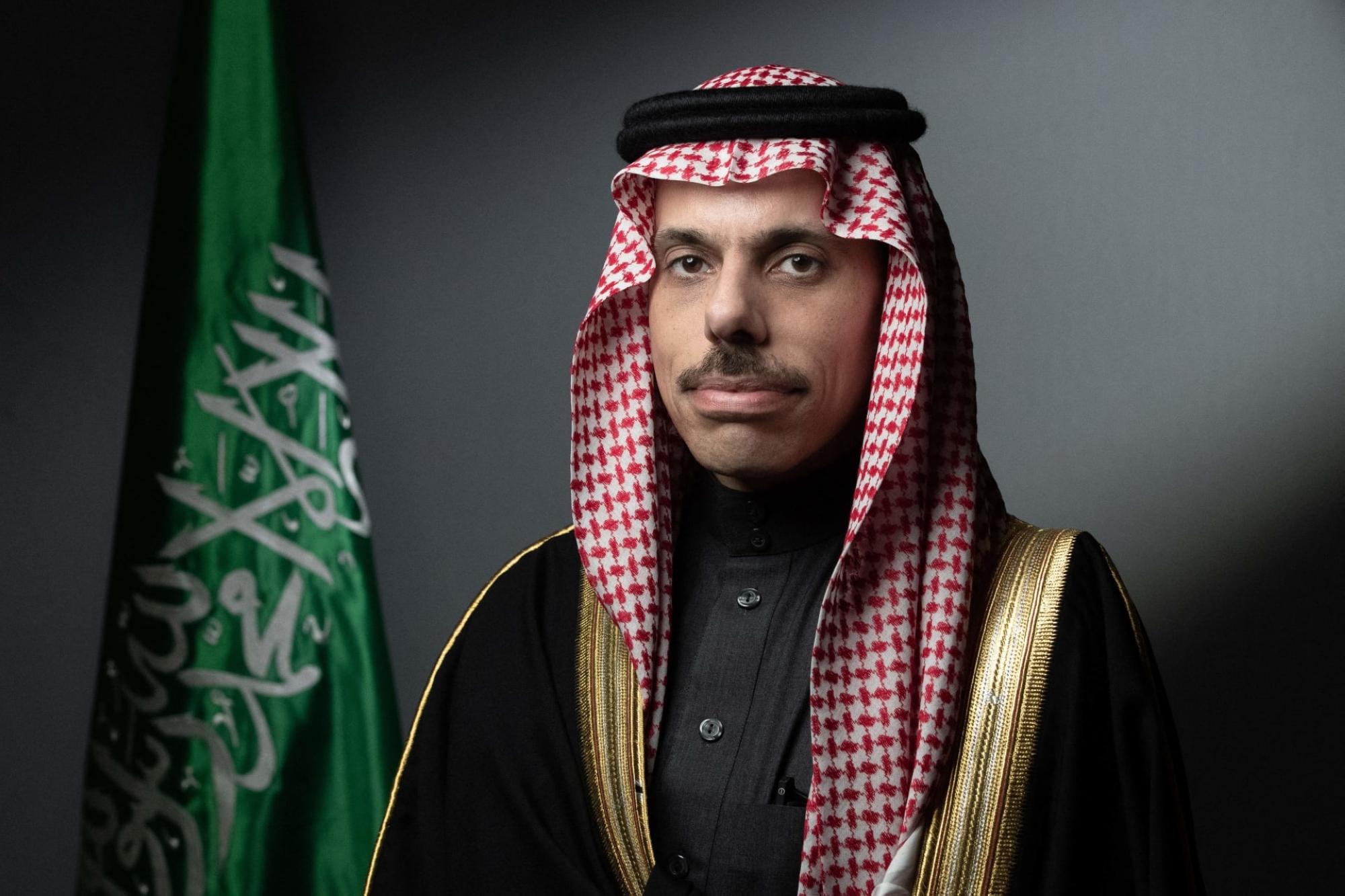
Foreign Minister Prince Faisal bin Farhan received a written message from his Iraqi counterpart Fuad Hussein, which was received by Undersecretary Abdulrahman Al-Rassi, to discuss strengthening bilateral relations between the two countries.
Riyadh – SPA:
His Highness Prince Faisal bin Farhan bin Abdullah, Minister of Foreign Affairs, received a written message today, Monday, from His Excellency Fuad Hussein, Deputy Prime Minister and Minister of Foreign Affairs of the Republic of Iraq. The message addressed the deep-rooted fraternal relations between the two brotherly countries, and discussed ways to support and strengthen them in various fields to serve their common interests.
The message was received on behalf of His Highness the Minister of Foreign Affairs by His Excellency the Undersecretary of the Ministry for Multilateral International Affairs, Dr. Abdulrahman bin Ibrahim Al-Rassi, during his meeting today at the Ministry’s headquarters in Riyadh with the Ambassador of the Republic of Iraq to the Kingdom of Saudi Arabia, Safia Taleb Al-Suhail.
During the reception, the strong bilateral relations between Riyadh and Baghdad were reviewed, and a number of regional and international issues of common interest were discussed, within the framework of ongoing coordination between the two countries.
An upward trajectory in Saudi-Iraqi relations
This message comes amidst active diplomatic efforts and the remarkable growth witnessed in Saudi-Iraqi relations in recent years. Both countries are striving to build a sustainable strategic partnership based on shared values, geographical proximity, and deep historical and social ties. The Saudi-Iraqi Coordination Council has played a pivotal role in framing this cooperation, contributing to significant advancements in political, security, and economic coordination.
The importance of joint coordination in light of regional challenges
Continued communication between the two countries' foreign ministers is of particular importance given the delicate circumstances the region is experiencing, which necessitate the highest levels of coordination and consultation. Political circles view the Saudi-Iraqi rapprochement as a cornerstone of regional stability, as Riyadh and Baghdad work together to enhance regional security, combat terrorism, and eliminate the sources of extremism, in addition to working towards resolving crises through diplomatic means.
Prospects for economic and investment cooperation
On the economic front, relations are witnessing tangible progress, exemplified by electricity interconnection projects, increased trade volume through the new Arar border crossing, and growing Saudi investments in the Iraqi market. The exchange of messages between the leadership and officials of both countries underscores a strong desire to remove all obstacles facing the private sector in both nations, thereby enhancing economic integration for the benefit and prosperity of both brotherly peoples.
-

 Culture and Art 5 days ago
The "Between and Between" exhibition in Jeddah: 5 artists reshape Saudi memory
-
Culture and Art 7 days ago
Shakira's concert in Jeddah: Details of the international star's first concert in Saudi Arabia
-
Local News 4 days ago
Saudi Arabia's National Arabic Language Policy: 8 Principles to Promote Identity
-
Local News 3 days ago
Adopting the National Policy for the Arabic Language: Strengthening Identity and Vision 2030
-
Culture and Art, 1 week ago
The truth about Nancy Ajram's video and Epstein Island, and her legal response
-
Local News 3 days ago
The Riyadh-Rin-Bisha dual carriageway, spanning 559 km, has been completed
-
Fashion one week ago
Sneaker Con Jeddah 2026: The largest gathering for sneaker culture and fashion
-
Local news one week ago
Launch of the new Dammam project with investments of 98 billion riyals