Politics
"The story of 'sleeping' is over."
The Hajj pilgrimage is performed by Muslims once in a lifetime if they are able to undertake it, and the Kingdom has spent billions to prepare the holy sites

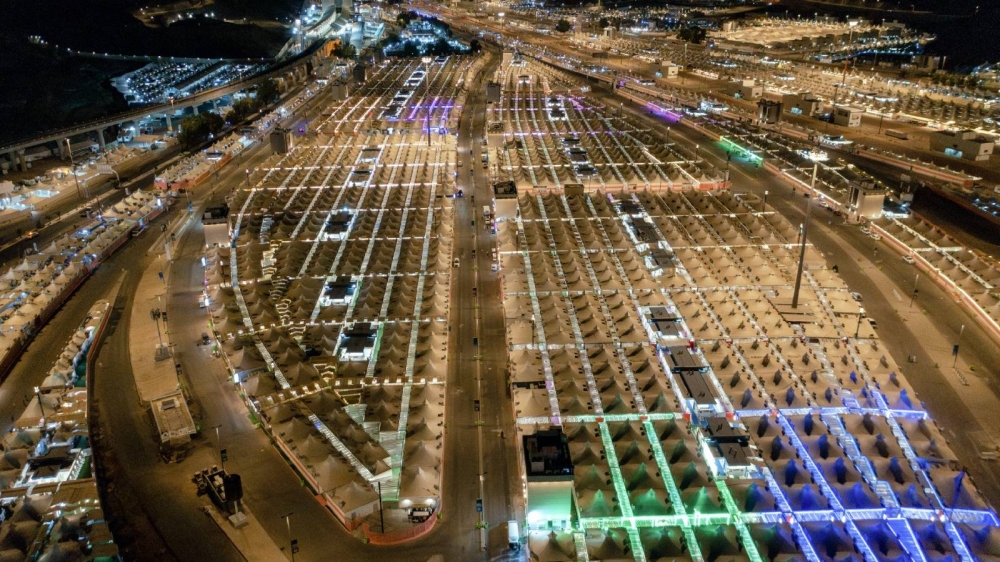
The Hajj pilgrimage is performed by Muslims once in their lifetime if they are able to do so. The Kingdom has spent billions to prepare the holy sites so that Muslims can perform the ritual with ease. It has also harnessed all its capabilities to achieve this goal, and put in place regulations to ensure the success of the season. It has taken into account the huge numbers that flock to the holy sites from all parts of the world to perform the pilgrimage in specific areas. This necessitated the enactment of regulations and laws to ensure the safety and security of the pilgrims. Among the most important controls is the Hajj permit system, which was put in place to ensure an ideal Hajj, and adherence to the guidelines and instructions that guarantee a correct, smooth and safe performance.
The slogan “No Hajj without a permit” was not just a slogan to be uttered or phrases to be repeated. It had a great impact on the success of the Hajj, and it eliminated many of the actions and trickery that some people resort to in an attempt to circumvent the regulations, violating the orders and regulations, and striving to try to enter the holy sites despite the confirmations that “Hajj is in well-known months, so whoever undertakes Hajj therein, let there be no obscenity, nor wickedness, nor quarreling during Hajj.”.
One of the conditions of Hajj is “ability,” which includes the concept of travel and food to reach the geographical area of the holy sites. The narrowness of the geographical area, despite the efforts made to expand it, necessitates regulations. The billions of Muslims call for strictness in applying the instructions. There is no Hajj without a permit, and whoever violates this in search of a personal interest will be reprimanded, prevented, and punished according to the system.
The slogan “No Hajj without a permit” launched by the Ministry of Interior did not come out of nowhere, but rather stems from an urgent need to regulate the movement of pilgrims and avoid overcrowding that may lead to accidents or human bottlenecks. The permit is not just an official document, but a means to ensure that every pilgrim has accommodation, health services, sustenance, and security monitoring that guarantees that he can perform his rituals safely and peacefully.
Violating the permit conditions undermines the objectives of Islamic law
Throughout the past eras, the phenomenon of irregular pilgrimage and its resulting problems of sleeping on the ground and other negative phenomena has been a major concern for the competent authorities, who have worked to contain it and punish those involved. These efforts have resulted in the containment of the phenomenon of irregular pilgrims and sleeping on the ground, which has completely ended and gone away without return thanks to the decisive mechanisms put in place by the competent authorities.
Throughout previous eras, violators continued to devise ways and methods to reach Mecca and the holy sites. At the same level, the authorities developed their methods of control, pursuit, and siege, and violators could no longer infiltrate and cross, as security forces confronted them everywhere in the rugged paths, mountain slopes, untrodden roads, wildernesses, and deserts.
The Grand Mufti of the Kingdom, Chairman of the Council of Senior Scholars and General President of Scientific Research and Ifta, Sheikh Abdulaziz Al-Sheikh, stressed the need to fully comply with the instructions issued by the competent authorities, foremost among which is obtaining the official permit.
He stressed that performing Hajj without a permit is a serious violation of Islamic law, as it involves breaking the law and infringing on the public interest, warning that “violating the instructions issued by the relevant authorities for Hajj is a clear violation of the orders of the ruler and contrary to the pure Sharia.”.
He added: “Whoever performs Hajj without a permit bears a legal sin, because this harms public order and violates the legal objectives that are keen to preserve order, prevent chaos, and achieve the interests of the people.”.
The permit reduces the risks of overcrowding and stampedes. The Council of Senior Scholars confirmed that the obligation to obtain a Hajj permit and the obligation of those intending to perform Hajj is in accordance with the interest required by Sharia, as Sharia came to improve and increase interests and to ward off and reduce harms. It explained that it is not permissible to go to Hajj without obtaining a permit, and whoever does so is sinful, and whoever is unable to obtain a permit is considered to be incapable.
She explained that the obligation to obtain a Hajj permit is based on what Islamic law stipulates regarding facilitating the worship of the worshippers in performing their rituals and removing hardship from them. The obligation to obtain a Hajj permit came with the intention of organizing the number of pilgrims in a way that enables these large crowds to perform this ritual in peace and safety, and this is a correct legal objective established by the evidence and rules of Islamic law.
Related News
She added that the commitment to obtaining a Hajj permit and the commitment of those intending to perform Hajj to do so is in line with the interest required by Sharia, as the government agencies concerned with organizing Hajj draw up the Hajj season plan with its various aspects, security, health, accommodation and sustenance, and other services, according to the numbers authorized. Whenever the number of pilgrims is in line with those authorized, this achieves the quality of services provided to the pilgrims, and prevents great evils from sleeping on the roads, which hinders their movement and grouping, and reduces the risks of overcrowding and stampedes that lead to destruction.
Report them
The Ministry of Interior called for reporting anyone who transports or attempts to transport violators of Hajj regulations and instructions by calling 911 in the regions of Makkah, Madinah, Riyadh, and the Eastern Province, and 999 in the rest of the Kingdom’s regions.
She stressed the application of a financial penalty of up to 100,000 riyals against anyone who transports holders of visit visas, or attempts to transport them, with the aim of delivering them to the city of Mecca and the holy sites, starting from the first of Dhu al-Qi’dah until the end of the 14th day of Dhu al-Hijjah, and the confiscation of the land transport vehicle that is proven to have been used in transporting holders of visit visas of all types.
The ministry urged everyone to abide by the Hajj regulations and instructions, which aim to preserve the safety and security of pilgrims so that they can perform their rituals with ease and peace of mind.
Do not obstruct the movement of the pilgrims
The Ministry of Hajj and Umrah stressed the need for pilgrims to adhere to the rules and not to sleep in the corridors and courtyards, in order to ensure their safety and the safety of others during the performance of Hajj rituals.
The ministry stressed that the phenomenon of sleeping on the ground leads to difficulty in the movement of those performing Tawaf and prayers, delays the arrival of ambulance teams when needed, and exacerbates overcrowding cases that threaten public safety.
The ministry urged pilgrims to go to the hotel or camp when they need rest, noting that adhering to the designated place ensures a more comfortable and safe Hajj.
Security officials and specialists confirmed that the penalties announced against violators of Hajj regulations contributed to translating the true concept of Hajj industry by reducing negative phenomena and behaviors that affect the sanctity of the holy sites and are incompatible with the Hajj ritual, most notably sleeping on the ground.
Security expert, retired Major General Salem Al-Mutrafi, stated that the increased security measures and efforts contributed to preventing people from sleeping in the pilgrims' homes by preventing unauthorized individuals from entering the holy sites, and that the penalties helped deter those who intended to violate the Hajj regulations.
Retired Major General Mohammed Al-Ghamdi stated that the awareness campaign implemented by the Ministry of Interior contributed to what we are witnessing in terms of a Hajj that was distinguished in all its aspects, as the holy sites were free of sleeping on the ground and the services were integrated.




Politics
King Abdullah II orders restructuring of the Jordanian army
King Abdullah II issued directives to restructure the Jordanian army within 3 years to enhance its capabilities and confront modern threats, stressing the importance of building a lean and flexible force.
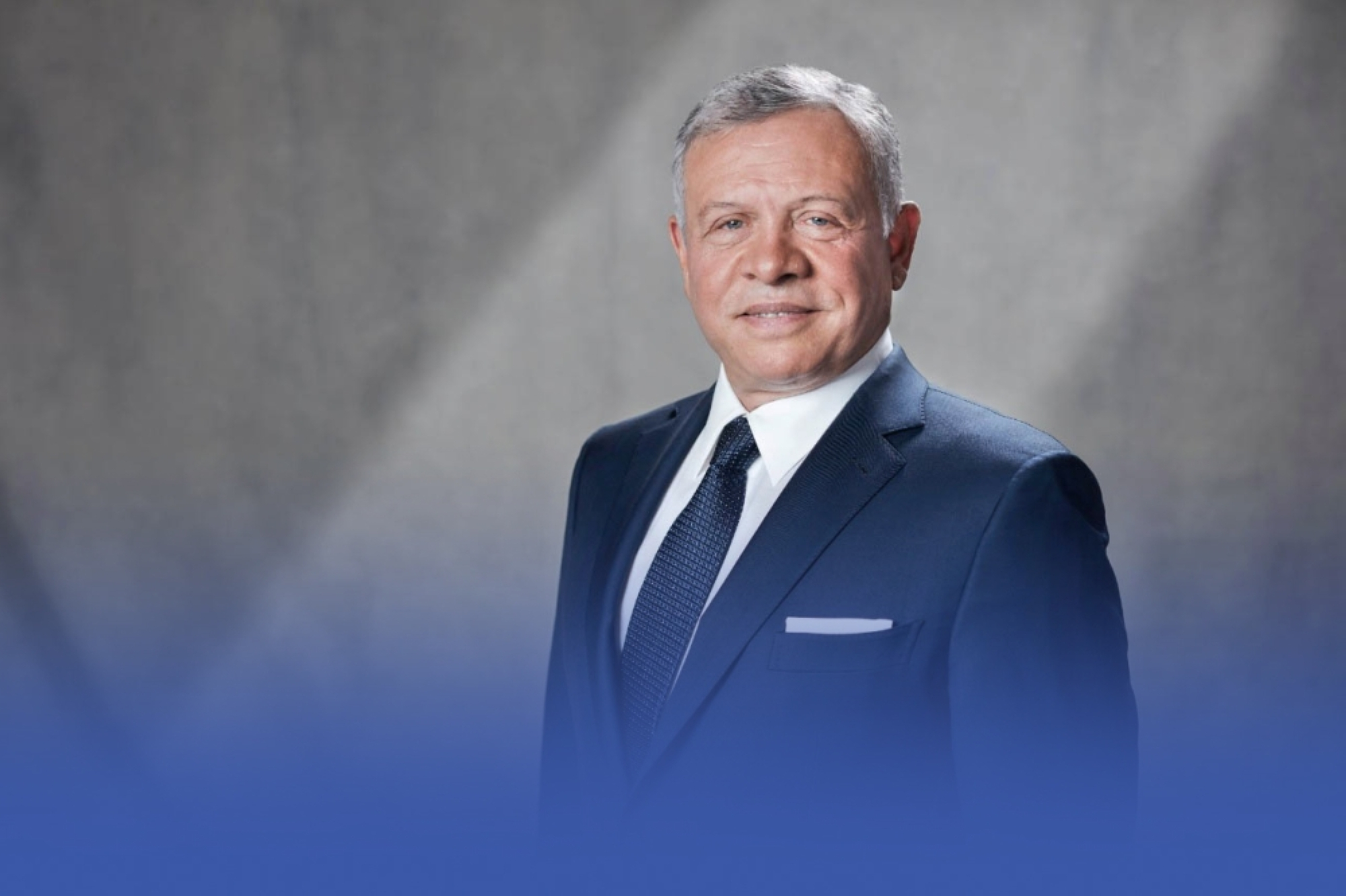
On Saturday, King Abdullah II, the Supreme Commander of the Armed Forces, directed the Chairman of the Joint Chiefs of Staff to prepare a comprehensive strategy and a clearly defined roadmap aimed at achieving a structural transformation of the Jordanian Armed Forces – the Arab Army – over the next three years. These royal directives reflect the ongoing commitment to developing and modernizing the military establishment to enable it to effectively and competently confront current and future challenges.
Historical background and vision for modernization
The Jordanian Armed Forces, whose roots trace back to the Arab Legion established in the 1920s, are a cornerstone of stability in the Hashemite Kingdom of Jordan and the region. Throughout its history, the army has faced numerous challenges and demonstrated its ability to adapt and evolve. King Abdullah II's directives today are not issued in a vacuum, but rather are a continuation of a long process of modernization and development within the armed forces, aimed at transforming them from a traditional army into a modern military force capable of engaging with the unconventional and hybrid warfare tactics that have become characteristic of 21st-century conflicts.
Strategic importance and expected impacts
This restructuring process holds immense strategic importance both domestically and regionally. Domestically, it aims to bolster national security and protect the Kingdom's borders, situated in the heart of a volatile region, while countering emerging threats such as terrorism and the smuggling of drugs and weapons across borders. Regionally, a strong and modernized Jordanian army reinforces Jordan's role as a stabilizing force in the Middle East and sends a strategic deterrent message to any entity that might seek to threaten the Kingdom's security. Furthermore, developing military capabilities strengthens Jordan's international partnerships, particularly with strategic allies who participate in joint exercises and peacekeeping operations.
Towards agile and flexible armed forces
King Abdullah II expressed his ambition to build a “lean, flexible, and high-quality armed forces,” prepared, equipped, and trained according to the latest combat methods. He emphasized the need for the new organizational structure to align with the demands of combat in diverse operational environments, with a focus on the effective utilization of both defensive and offensive capabilities. His Majesty added, “It is imperative to consider the requirements related to modernizing, developing, and restructuring the armed forces… in a way that ensures mastery of modern warfare tactics.”.
The King emphasized the importance of possessing an effective, reliable, and secure command, control, and communications system, and employing modern defense technologies in partnership with friendly local and international defense industries. In concluding his directives, King Abdullah II commended the members of the Jordanian Armed Forces, affirming that they will remain “a national institution of which every Jordanian is proud,” and will continue to serve their country with courage, dedication, and loyalty.
Politics
The European Union suspends trade measures against the US for six months
The European Commission has decided to extend the suspension of a package of retaliatory trade measures against the United States, in a move to promote dialogue and avoid a trade war that could affect the global economy.

In a move aimed at easing transatlantic trade tensions, the European Commission intends to propose a six-month extension of the suspension of a package of retaliatory trade measures against the United States. This package, valued at €93 billion, was scheduled to take effect on February 7, but the new decision postpones its implementation and allows more time for diplomatic negotiations.
Background and historical context of the trade dispute
This tension stems from the trade policies adopted by the previous US administration under President Donald Trump, which included imposing tariffs on steel and aluminum imports from several countries, including traditional allies in the European Union, under Section 232 of the Trade Expansion Act of 1962, ostensibly to protect US national security. The European Union responded by preparing a list of countermeasures targeting symbolic US goods, such as motorcycles and agricultural products, with the aim of exerting political and economic pressure to force a reconsideration of the tariffs.
The importance of the suspension decision and its expected impact
The decision to extend the suspension is of paramount importance both regionally and internationally. At the European level, it spares European industries, particularly the automotive sector, from a costly trade war that could negatively impact economic growth and employment rates. At the American level, it provides a much-needed boost to US exporters to Europe and helps maintain market stability. Internationally, this move is seen as a positive signal toward a return to a rules-based global trading system, one based on dialogue rather than confrontation and unilateral tariffs, sending a reassuring message to a global economy already grappling with uncertainty.
Joint statement and the future of trade relations
This retaliatory package was first suspended last August after Brussels and Washington reached a joint statement aimed at defusing the crisis and working towards a negotiated solution. Olof Gill, the Commission's spokesperson, explained that with the US threats of new tariffs receding, it was now possible to focus on "the important work of implementing the joint statement." He added that the Commission would soon submit a formal proposal to extend the suspension of the measures, while emphasizing that "the EU reserves the right to lift this suspension in the future if necessary," thus keeping all options open should circumstances change.
Politics
Saudi Arabia strengthens its role in the Organization for the Prohibition of Chemical Weapons
Ambassador Shaher Al-Khunaini presented his credentials as Saudi Arabia’s representative to the Organization for the Prohibition of Chemical Weapons, affirming the Kingdom’s commitment to supporting disarmament and global security efforts.
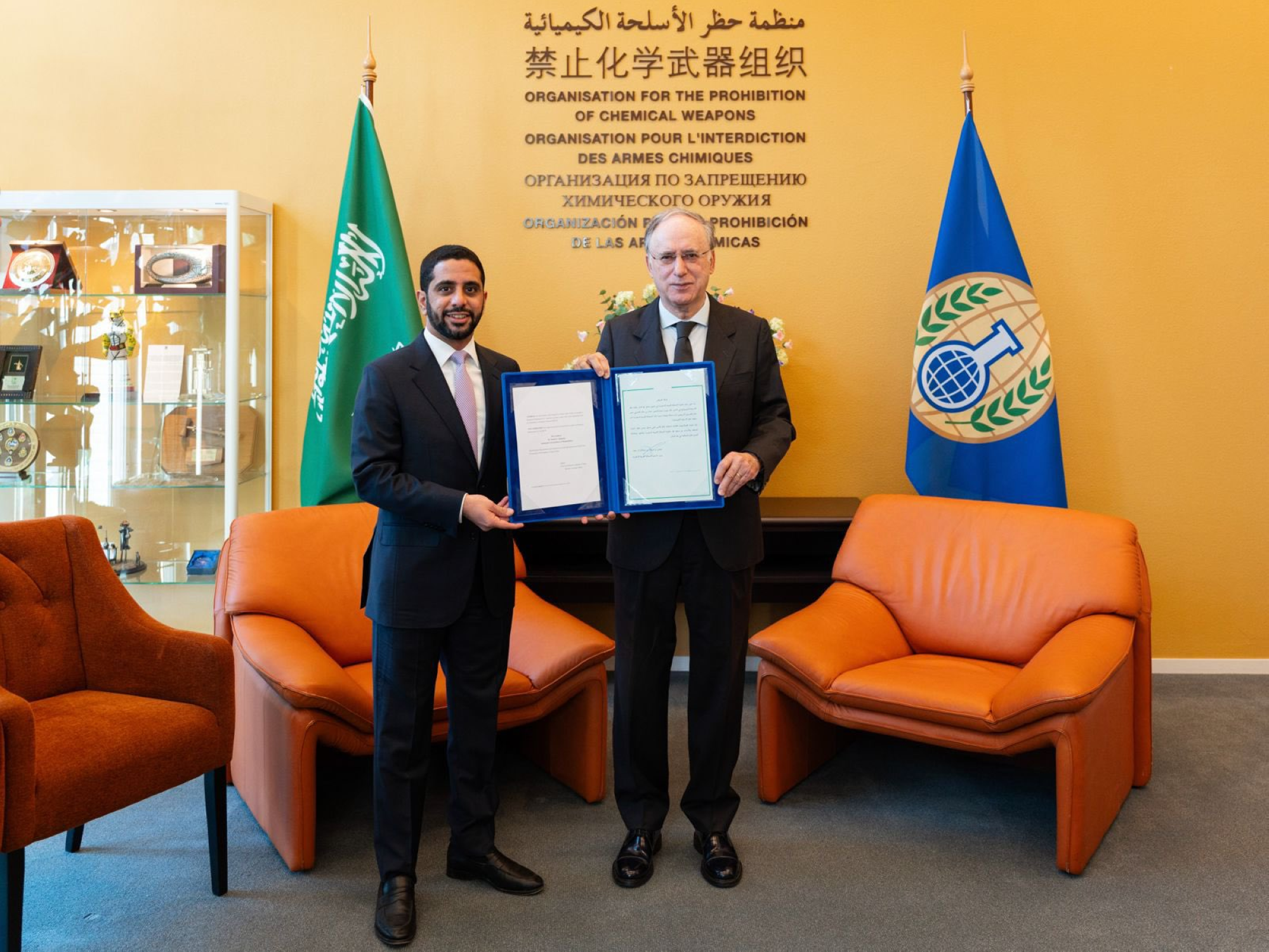
In a diplomatic move reflecting the Kingdom of Saudi Arabia's commitment to supporting international peace and security, the Ambassador of the Custodian of the Two Holy Mosques to the Kingdom of the Netherlands, Mr. Shaher bin Khalid Al-Khunaini, presented his credentials as the Kingdom's Permanent Representative to the Organisation for the Prohibition of Chemical Weapons (OPCW). The credentials presentation ceremony took place at the OPCW headquarters in The Hague, where he was received by the Director-General, Mr. Fernando Arias.
General context and role of the Organisation for the Prohibition of Chemical Weapons
The Organisation for the Prohibition of Chemical Weapons (OPCW), established in 1997, is the implementing body of the Chemical Weapons Convention, an international treaty aimed at eliminating an entire class of weapons of mass destruction. The OPCW verifies the destruction of declared stockpiles of chemical weapons and prevents their re-emergence anywhere in the world. For its tireless efforts in this area, the OPCW was awarded the Nobel Peace Prize in 2013, underscoring its pivotal role in the contemporary global security architecture.
The importance of the step and its expected impact
This appointment underscores the active role played by the Kingdom of Saudi Arabia in international organizations and its commitment to contributing to global efforts aimed at disarmament and non-proliferation. As a State Party to the Chemical Weapons Convention, the Kingdom consistently supports the Organization's activities and programs, believing in the importance of multilateral action to address global challenges. The presence of a permanent representative of the Kingdom enhances coordination and cooperation with the Organization and its member states, and contributes to conveying the Kingdom's vision and positions on issues related to chemical security.
Regional and international repercussions
Regionally, this step is of particular importance, as it reaffirms the Kingdom's ongoing call to make the Middle East a region free of all weapons of mass destruction, a cornerstone for achieving stability and sustainable security in the region. Internationally, this high-level diplomatic representation enhances Saudi Arabia's standing as a responsible and reliable international partner, actively participating in shaping international policies related to security and disarmament. It is worth noting that Ambassador Al-Khunaini presented his credentials to His Majesty King Willem-Alexander of the Kingdom of the Netherlands on Wednesday, as the Kingdom's ambassador, embodying the dual role of Saudi diplomacy in strengthening bilateral relations and supporting international collective action.
-

 Reports one week ago
Achievements of Saudi government sectors in 2025
-
Local News 3 weeks ago
FDA warns of contaminated Nestle infant formula | Recall details
-
Technology 3 weeks ago
Saudi Arabia launches the world's largest government data center, 'Hexagon'
-
Technology 4 weeks ago
Merging KSA Map and Baladi Plus: A step towards Saudi digital sovereignty
-
Technology 3 weeks ago
Hexagon: Saudi Arabia strengthens its data sovereignty with the world's largest government center
-
Technology 3 weeks ago
European banks and artificial intelligence: A plan to lay off 200,000 employees
-
Politics 4 weeks ago
The coalition destroys smuggled Emirati weapons in Mukalla in a qualitative strike
-
Local News 4 weeks ago
Saudi Arabia's 2026 Decisions: Major Transformations in Real Estate and Logistics