Politics
Communications: More than 36 million beneficiaries of digital programs and platforms in the Kingdom
The Ministry of Communications and Information Technology revealed that it has achieved more than 36 million subscribers and beneficiaries of digital programs and platforms in the Kingdom


The Ministry of Communications and Information Technology revealed that it has achieved more than 36 million subscribers and beneficiaries of digital programs and platforms in the Kingdom, during the Ministry’s celebration of International Literacy Day.
The ministry affirmed that this achievement reflects the ongoing ambition and great efforts undertaken by Saudi technology platforms to enable individuals to access continuous learning opportunities.
She said: “These platforms work to enhance individuals’ skills through the use of modern technologies, which contributes to building an integrated knowledge society.”.
The report indicated that the available digital programs include a wide range of educational and training courses aimed at developing personal and professional skills. It explained that these programs vary between academic education and vocational training, allowing individuals to improve their skills and increase their opportunities in the job market.
She explained that the use of modern technologies such as artificial intelligence, augmented reality, and machine learning plays a crucial role in improving the quality of digital education and providing a comprehensive learning experience. She noted that these technologies contribute to delivering innovative and interactive educational content that helps motivate individuals and enhance their comprehension and understanding. She added, "This achievement coincides with global efforts to eradicate illiteracy, and digital technologies play a pivotal role in promoting education and literacy in the Kingdom. Furthermore, digital initiatives aim to provide equal educational opportunities for all, contributing to the achievement of sustainable development.".
She emphasized her commitment to continuing efforts to achieve further accomplishments in digital education. She noted that ambitions do not stop there, but rather extend to developing more programs and initiatives that contribute to building a comprehensive and advanced knowledge society.




Politics
The coalition condemns the Aden attack and vows to retaliate against the targeting of the Giants forces
The coalition leadership condemned the terrorist attack on the convoy of a commander of the Giants Forces in Aden, stressing that it will strike with an iron fist anyone who tries to destabilize the Yemeni capital.

The Joint Forces Command of the Coalition to Restore Legitimacy in Yemen strongly condemned the terrorist attack that targeted the convoy of the commander of the Second Brigade of the Giants Forces in the interim capital, Aden. In an official statement, the Command affirmed that these desperate attempts to destabilize security and stability will not go unanswered, emphasizing that it will strike with an iron fist against anyone who seeks to target Aden or undermine the unity of the ranks of those opposing the Houthi project.
Tense security situation in the interim capital
This attack comes amid a complex security situation in Aden, the political and administrative center of the internationally recognized Yemeni government. Despite the significant efforts of local forces, supported by the coalition, to establish security, the city continues to face major security challenges, including sporadic attacks carried out by sleeper cells affiliated with the Houthi group or other terrorist organizations such as al-Qaeda, which seek to exploit any security gaps to sow chaos and weaken state authority.
The importance of the Giants forces in the military landscape
The Giants Brigades, to which the targeted commander belonged, are among the most prominent and powerful military formations in Yemen. They have played a decisive role in numerous battles against the Houthis, particularly in liberating the western coast and strategic areas in the Shabwa and Marib governorates. Thanks to their high level of training and advanced weaponry, these forces represent a cornerstone of the Joint Forces, and targeting their leaders is a direct attempt to undermine their morale and weaken their combat capabilities on the ground.
Potential effects and repercussions of the attack
This attack carries serious implications both locally and regionally. Locally, it aims to portray the government and its forces as incapable of securing the capital, potentially undermining public trust and exacerbating instability. Regionally, the attack is interpreted as a challenge to the Saudi- and UAE-led coalition, demonstrating that destabilizing forces remain active and capable of striking deep within liberated areas. This incident is expected to lead to heightened security measures in Aden and possibly preemptive operations to pursue the terrorist networks responsible for planning and executing the attack, underscoring the coalition's commitment to protecting its partners on the ground and ensuring the security of international navigation near the strategic Bab al-Mandab Strait.
Politics
Saudi support for the operation of 70 power plants in Yemen to enhance stability
Under the guidance of the Saudi leadership, a new agreement to purchase local oil derivatives aims to operate more than 70 Yemeni power plants, boosting the economy and improving the lives of citizens.

Following directives from the Saudi leadership, the Ambassador of the Custodian of the Two Holy Mosques to Yemen and Supervisor of the Saudi Development and Reconstruction Program for Yemen, Mohammed Al Jaber, announced the signing of a significant agreement between the program and the Yemeni Ministry of Electricity and Energy. The agreement stipulates the purchase of petroleum derivatives from the Yemeni company PetroMasila, a strategic step aimed at revitalizing more than 70 power plants across various Yemeni governorates.
This initiative comes within the framework of Saudi Arabia's ongoing support for Yemen, which is suffering from a severe humanitarian and economic crisis as a result of years of conflict. The conflict has destroyed a large part of the infrastructure, most notably the energy sector, causing frequent and prolonged power outages. This situation has directly affected the daily lives of citizens and negatively impacted vital sectors such as health, education, and water, as hospitals, schools, and water pumps rely heavily on a reliable electricity supply.
The new agreement is particularly significant because it not only provides support but also stimulates the local economy by purchasing petroleum products from a national Yemeni company. This measure injects liquidity into the Yemeni economy and strengthens the role of local companies as active partners in the development and reconstruction process, representing a step towards achieving self-sufficiency in the country's energy sector.
On the macroeconomic front, the agreement is expected to have a multifaceted positive impact. By providing the fuel needed to operate power plants, the Yemeni government will be relieved of the burden of spending vast sums of hard currency on fuel imports. This will contribute to supporting monetary and financial stability, curbing the depreciation of the Yemeni rial, and mitigating the inflation that has burdened citizens. Furthermore, a stable electricity supply will positively impact commercial and industrial activity, encouraging the return of investments and the creation of new job opportunities.
This support is part of broader efforts undertaken by the Saudi Development and Reconstruction Program for Yemen since its inception, working to implement projects across various vital sectors to improve living conditions and support social stability. Rehabilitating the electricity sector is not only a step towards improving basic services, but also a cornerstone in building a stable and prosperous future for Yemen, reflecting the Kingdom's unwavering commitment to standing with the Yemeni people in their time of need.
Politics
Japan restarts the world's largest nuclear power plant, Kashiwazaki-Kariwa
For the first time since the 2011 Fukushima disaster, Japan is restarting the Kashiwazaki-Kariwa nuclear power plant, the world's largest, in a strategic move to achieve energy security and carbon neutrality.
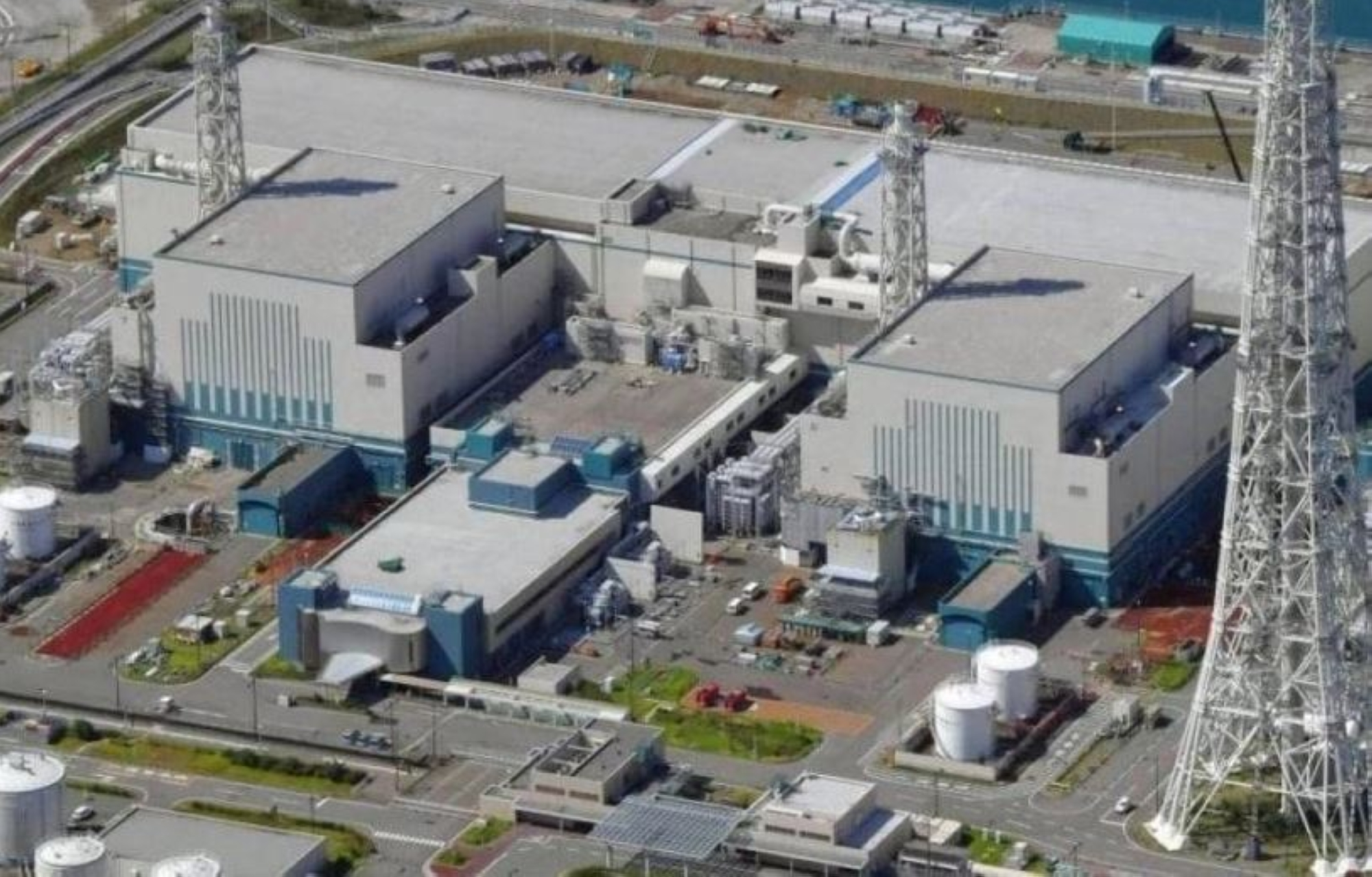
In a significant strategic move, Japan announced the restart of the Kashiwazaki-Kariwa nuclear power plant, the world's largest in terms of production capacity, for the first time since the devastating Fukushima disaster in 2011. This decision represents a turning point in Japanese energy policy and reflects the country's pursuit of a delicate balance between energy security, environmental obligations, and public safety concerns.
This move comes after the governor of Niigata Prefecture, where the plant is located, approved the resumption of operations, despite deep public divisions still influenced by the memory of the Fukushima disaster. The restart process will be gradual and limited, with only one of the plant's seven reactors being activated in the first phase, under strict monitoring to ensure the highest safety standards.
Historical background: The shadow of the Fukushima disaster
The significance of this decision cannot be understood without recalling March 11, 2011, when a devastating earthquake followed by a massive tsunami struck the northeastern coast of Japan, causing the cooling systems at the Fukushima Daiichi nuclear power plant to fail and resulting in the meltdown of three reactors. This triple tragedy (earthquake, tsunami, and nuclear disaster) forced Japan to shut down all of its operating nuclear reactors, leading to a radical shift in its energy mix and increasing its near-total dependence on imported fossil fuels to meet its energy needs.
Importance and expected impact
The decision to restart the Kashiwazaki-Kariwa power plant is driven by several pressing factors. Domestically, Japan is seeking to reduce its hefty energy import bill and bolster energy security in the face of global market volatility. The country also faces the growing challenge of meeting rising electricity demand, exacerbated by the expansion of data centers and artificial intelligence.
Internationally, Japan, the world's fifth-largest emitter of carbon dioxide, is committed to achieving carbon neutrality by 2050. The Japanese government considers nuclear power a key component in achieving this ambitious goal, as it provides a stable and low-carbon energy source. Therefore, this move not only impacts Japanese energy policy but also carries significant implications for global efforts to combat climate change and may encourage other countries to reassess the role of nuclear power in their future plans.
-

 Reports 6 days ago
Achievements of Saudi government sectors in 2025
-
Local news two weeks ago
FDA warns of contaminated Nestle infant formula | Recall details
-
Technology 4 weeks ago
US ban on drones: reasons and consequences
-
Technology 4 weeks ago
SRMG and Snapchat partnership: The future of digital media in the Middle East
-
Technology 4 weeks ago
Saudi Arabia's Ministry of Islamic Affairs is employing artificial intelligence in public speaking
-
Sports 4 weeks ago
Salah leads Egypt to a thrilling comeback against Zimbabwe in the Africa Cup of Nations
-
Sports 4 weeks ago
Alexander Isak's injury: A major blow to Newcastle United's ambitions
-
Technology 3 weeks ago
Saudi Arabia launches the world's largest government data center, 'Hexagon'