
Politics
Sending Tomahawk missiles to Ukraine: A Russian warning of dire consequences
Russia warns of dire consequences after supplying Tomahawk missiles to Ukraine, amid escalating tensions between Moscow and Washington and significant geopolitical implications.

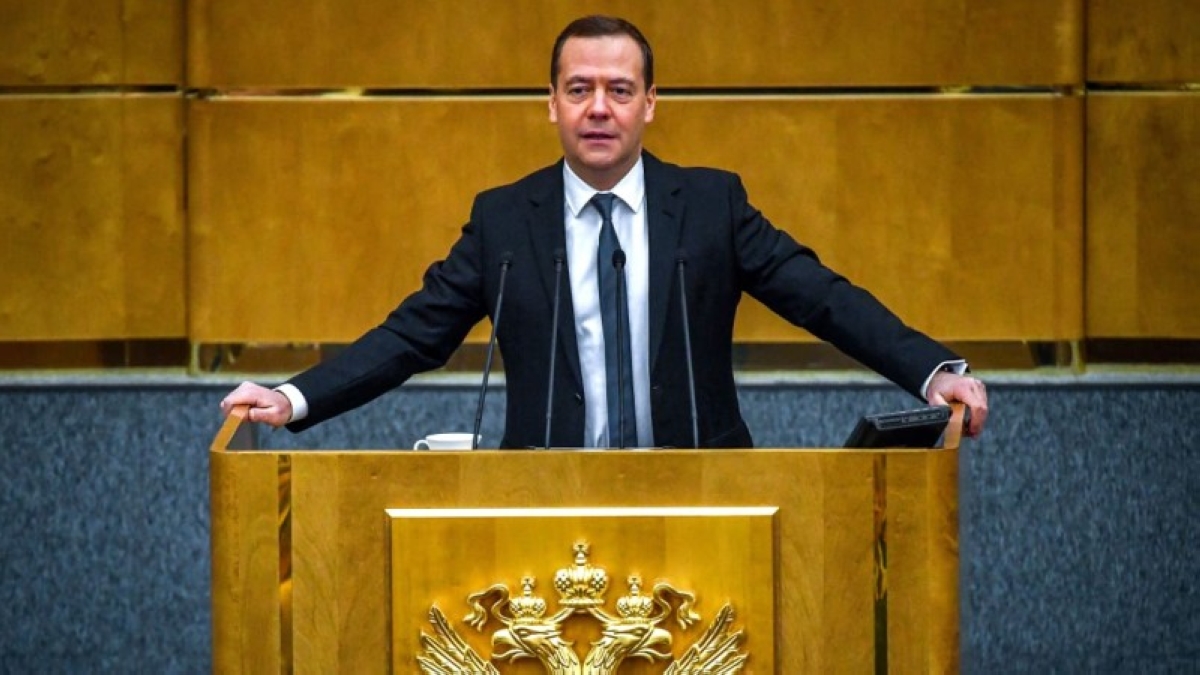
Tensions are escalating between Moscow and Washington over Tomahawk missiles
Amid escalating international tensions, former Russian President Dmitry Medvedev warned that the US supply of Tomahawk missiles to Ukraine could have dire consequences for everyone, specifically mentioning the impact on former US President Donald Trump. These remarks come against a backdrop of increasing geopolitical complexities among the world's major powers.
Russian warnings and American statements
Medvedev explained that distinguishing between conventional Tomahawk missiles and those equipped with nuclear warheads is impossible once launched, raising concerns about how Russia would respond to such a development. He hinted at the possibility of a Russian response of a nuclear nature, reflecting the gravity of the current situation.
For his part, Trump warned that he might send long-range Tomahawk missiles to Ukraine if Moscow did not end the war there soon. He emphasized that he might be prepared to increase pressure on Russian President Vladimir Putin using a substantial weapons system, stressing the power and impact of these offensive missiles.
Talks with Zelensky
Trump's remarks came after a phone call with Ukrainian President Volodymyr Zelensky, during which they discussed strengthening Ukraine's air defenses and long-range capabilities. Zelensky described the call as "very productive," indicating a convergence of views on the importance of bolstering Ukraine's defense capabilities.
International reactions and strategic analysis
Russian President Vladimir Putin has previously warned that the United States supplying Ukraine with long-range missiles would seriously damage relations between Moscow and Washington. This warning reflects Russia's deep concern about any escalatory steps that could worsen the security situation in the region.
Saudi Arabia and its diplomatic role
Amid these escalating tensions, Saudi Arabia is playing a crucial diplomatic role in attempting to de-escalate the situation and promote regional and international stability. Riyadh is relying on its diplomatic strength and strategic balance to achieve peace and stability in the region and the world.
Conclusion and analysis of the international situation
The situation between Russia and the United States remains sensitive and complex, requiring wisdom and diplomacy to avoid any escalation that could lead to disastrous consequences. Continued dialogue and mutual understanding are the best way to resolve conflicts and ensure global security and peace.





Politics
A new Saudi fuel grant to support the electricity sector in Yemen
The Saudi Program for the Reconstruction of Yemen has begun delivering an $81.2 million grant of petroleum derivatives to operate more than 70 power stations, thereby enhancing economic and service stability.
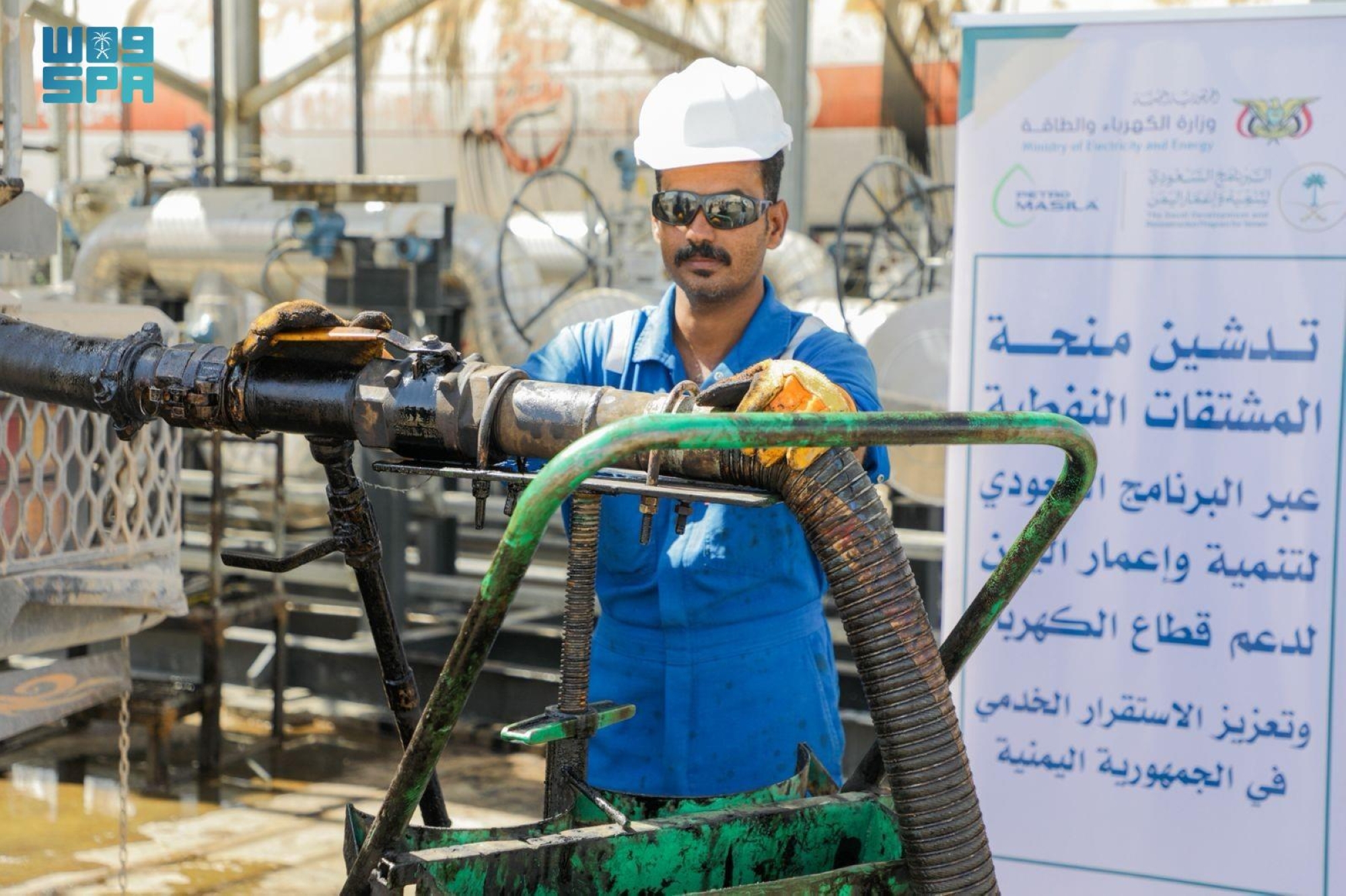
In a further step underscoring the depth of Saudi Arabia's ongoing support for the Yemeni people, the Saudi Development and Reconstruction Program for Yemen has begun implementing the directives of the wise leadership by delivering a new grant of petroleum derivatives to operate power generation plants in various Yemeni governorates. The first shipments departed from the headquarters of the Yemeni Petroleum Company, PetroMasila, marking the beginning of a vital phase aimed at revitalizing the energy sector and alleviating the humanitarian crisis.
The context of ongoing support and its historical significance
This grant is not an isolated event, but rather part of a long series of aid packages provided by the Kingdom of Saudi Arabia to Yemen over the years, particularly given the difficult circumstances the country is facing. Since the outbreak of the crisis, Yemen's electricity sector has suffered a severe decline, directly impacting all aspects of life, from the cessation of healthcare services in hospitals to the disruption of the educational process and essential public services. This grant follows several strategic oil grants, most notably the $180 million grant in 2018, the $422 million grant in 2021, and the $200 million grant in 2022, reflecting a consistent Saudi approach to supporting Yemen's stability and development.
Details of the grant and its economic and social dimensions
The current grant amounts to 339 million liters of diesel and fuel oil, valued at US$81.2 million, and is allocated to supply more than 70 power plants across Yemen. To ensure the aid reaches its intended beneficiaries, a comprehensive governance mechanism has been established, overseen by a joint committee comprising several Yemeni entities. This committee monitors distribution based on the actual needs of each plant.
The positive impact of this grant extends far beyond simply providing electricity to cities; it represents direct support for the Yemeni economy. Financially, the grant helps alleviate pressure on the Central Bank of Yemen's foreign currency reserves, which were being depleted by expensive fuel imports. It also reduces the financial burden on the Yemeni Ministry of Finance's budget and enables the Ministry of Electricity and Energy to ensure the continued operation of power plants and improve their operational efficiency and productivity.
Expected impact at the local and regional levels
At the local level, the grant is expected to bring about a tangible improvement in the daily lives of Yemeni citizens. A stable electricity supply will mean the resumption of vital services for hospitals and medical centers, the return of regular school attendance, the operation of water pumps, and street lighting, thus enhancing security and social stability. It will also revitalize commercial and economic activity by enabling production and service facilities to operate at full capacity. At the regional level, this initiative highlights the Kingdom's pivotal role as a key supporter of stability in the region and underscores its commitment to finding sustainable solutions that contribute to Yemen's economic and social recovery, paving the way for comprehensive development.
Politics
Kuwait revokes citizenship of 65 people: reasons and repercussions
Kuwait has issued decrees revoking the citizenship of 65 individuals and their dependents. Learn about the legal background of the decision and its impact within the framework of the naturalization review campaign.

Kuwaiti authorities, through the official gazette "Kuwait Today," announced the issuance of four decrees and a ministerial decision to revoke the Kuwaiti citizenship of 65 individuals, in addition to all those who acquired it through them by dependency. This step comes within the framework of an ongoing campaign aimed at reviewing and scrutinizing naturalization files to ensure their compliance with the strict legal requirements stipulated by Kuwaiti law.
Details of decrees and procedures
According to reports, the citizenship revocations were distributed as follows: the first decree revoked the citizenship of 54 individuals, while the second and third decrees each revoked it of two individuals, and the fourth decree revoked it of one individual. Additionally, a Cabinet decision revoked the citizenship certificates of six other individuals. These decisions are based directly on the provisions of Kuwaiti Nationality Law No. 15 of 1959 and its amendments, which grants the executive authority the power to revoke citizenship in specific cases, such as obtaining it through fraud, forgery, or based on false information.
General context and historical background
Citizenship in Kuwait and other Gulf states is a highly sensitive and important issue, closely linked to the welfare state system that provides citizens with significant benefits, including free education and healthcare, housing support, government jobs, and social assistance. For this reason, the state imposes strict criteria for granting citizenship and is keen to protect the demographic composition and national identity. The current campaign to review citizenship files is not the first of its kind, but it has gained increasing momentum in recent months as the government seeks to address any past abuses and ensure the integrity of citizenship records.
Importance and expected impact
Domestically, these measures reflect the government's seriousness in enforcing the law and combating corruption and forgery, a stance supported by broad segments of Kuwaiti society who demand the preservation of the integrity of national identity. This campaign is expected to deter future attempts at manipulation. Regionally, this step aligns with a general Gulf trend toward stricter oversight of naturalization files. Internationally, the decisions to revoke citizenship have drawn the attention of human rights organizations that closely monitor statelessness cases, although Kuwait maintains that its procedures are carried out in accordance with its sovereignty and domestic laws. The Kuwaiti Ministry of Interior had previously clarified that it had established controls and criteria for dealing with cases where citizenship had been revoked, particularly those previously granted based on the "distinguished service" clause, to define the procedures and associated benefits.
Politics
Extending the truce in Syria: An opportunity to integrate the SDF and unify the country?
The Syrian government and the Syrian Democratic Forces announced a 15-day extension of the ceasefire. The truce comes after a rapid advance by government forces in the northeast of the country.
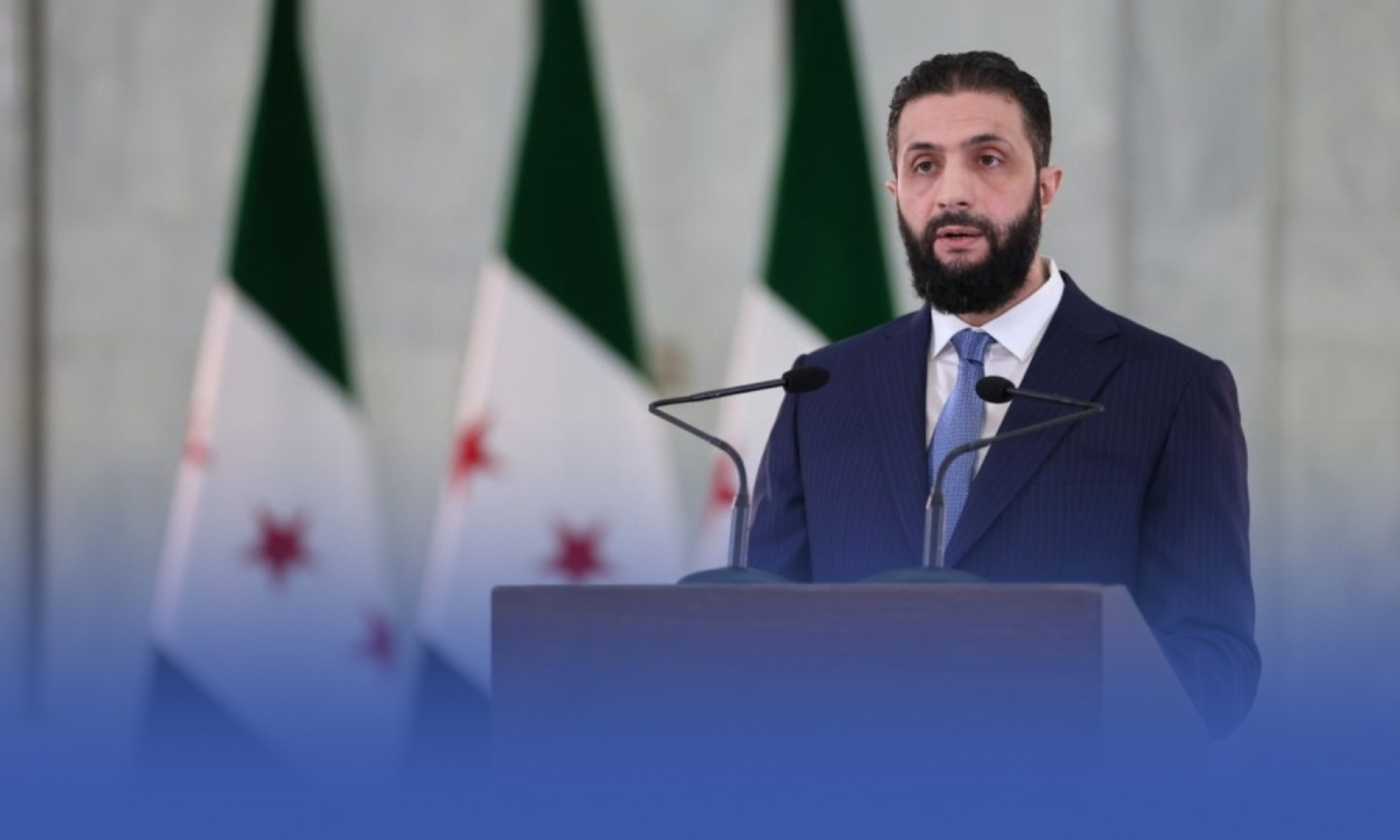
The Syrian Interim Government and the Kurdish-led Syrian Democratic Forces (SDF) announced a 15-day extension of the fragile ceasefire in the northeast of the country, which was set to expire Saturday evening. This extension comes at a crucial time, opening the door to intensive negotiations aimed at averting a large-scale military confrontation and integrating SDF fighters into the structure of the new Syrian National Army.
Background of rapid developments
Syria underwent a radical political transformation in late 2014 with the fall of Bashar al-Assad's regime and the rise of a new transitional government led by Ahmed al-Sharaa. Following this change, the new government's forces moved swiftly to consolidate their control over all Syrian territory. In the past two weeks, these forces have made significant territorial gains in the north and east of the country, capturing two key predominantly Arab provinces previously held by the Syrian Democratic Forces (SDF). This has greatly strengthened the new government's authority and redrawn the map of power in the country.
The importance and impact of a ceasefire
The initial ceasefire announcement came as a surprise, just as government forces were closing in on the last remaining strongholds of the Syrian Democratic Forces (SDF) in the northeast. This truce offered the SDF an opportunity to consider its options: either lay down its arms and join the unified Syrian army as part of a national integration plan, or face a full-scale offensive that could result in heavy casualties. This development represents a pivotal moment for the future of the Kurdish-led autonomous administration established over years of war, and it will determine the fate of the region's diverse ethnic and religious groups.
Regional and international dimensions
This issue is being closely followed internationally and regionally. The United States, which was the main backer of the Syrian Democratic Forces (SDF) in their fight against ISIS, now finds itself facing a new political reality that requires a reassessment of its strategy and partnerships in Syria. Meanwhile, Turkey, which considers the Kurdish People's Protection Units (YPG), the main component of the SDF, a terrorist organization, is watching developments closely, as any agreement could affect the security of its southern border. The success of negotiations to peacefully integrate the SDF would be a major step toward achieving stability and unifying Syria after more than a decade of division and war, while failure could ignite a new round of conflict with dire humanitarian and geopolitical consequences.
-

 Local News 6 hours ago
Landslide in Riyadh: Details of the incident in Al-Sahafa neighborhood and containment efforts
-

 Culture and Art 5 days ago
Ramez Galal in Ramadan 2026: Details of the bloody prank show
-

 Local news two days ago
First birth on the Riyadh train: A heartwarming story at Andalus station
-
Sports 2 hours ago
Al-Nassr's absences against Al-Taawon in the Roshan League and their impact on the team
-
 Local news one day ago
The death penalty was carried out against a citizen who stabbed another to death in Tabuk
-
Sports 6 hours ago
Roshan League Transfers 2024: Al-Hilal leads the way in winter deals
-
Sports 2 hours ago
Death of an Egyptian player... The tragedy of Louay Ali raises the issue of safety in stadiums
-

 Culture and Art 2 hours ago
The film "Take Care of Yourself" starring Ahmed El Sakka and Yasmine Abdel Aziz has been postponed until the summer