
Local News
The Royal Commission for Riyadh City: Expropriation of properties conflicting with the development routes of ring roads has begun
The Royal Commission for Riyadh City announced the commencement of procedures to expropriate properties that conflict with the routes of the road development program

The Royal Commission for Riyadh City announced the commencement of procedures to expropriate properties that conflict with the routes of the program to develop the ring roads and main roads in Riyadh City. It called on the owners of properties included in the removal to verify their ownership, fill in the data, and submit the required documents electronically, or by visiting the Roads Implementation Office of the Commission.
The authority indicated that owners can upload documents electronically via the website, or visit the authority’s Roads Implementation Office.




Local News
Under the patronage of His Excellency the Minister of Industry and Mineral Resources, Mr. Bandar bin Ibrahim Al-Khorayef… Siniora Food Industries Company inaugurates its new factory in Jeddah with an investment of up to 150 million riyals
Siniora Company opened its new factory in Jeddah with an investment of 150 million riyals, to enhance food security and create 300 job opportunities, in line with the objectives of the Kingdom’s Vision 2030.

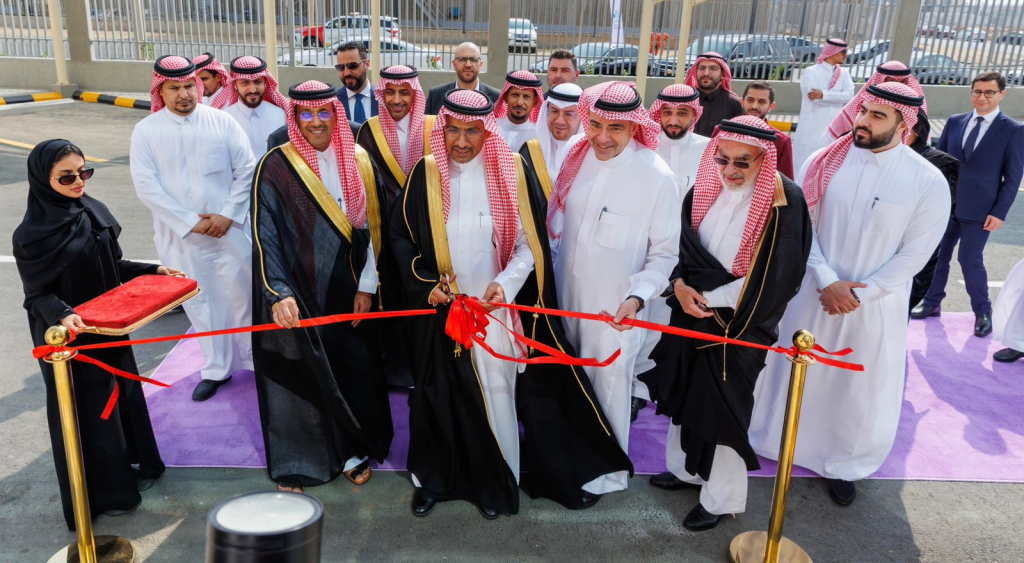
Jeddah: January 27-28, 2026
Under the patronage of His Excellency the Minister of Industry and Mineral Resources, Mr. Bandar bin Ibrahim Al-Khorayef, and in the presence of Engineer Majid bin Rafed Al-Arqoubi, CEO of the Industrial Cities and Technology Zones Authority, Siniora Food Industries Company inaugurated its new factory in Jeddah over a two-day period, in the presence of a number of dignitaries, officials, representatives of government agencies, businessmen, media professionals, and the company’s partners, in a strategic step that reflects the growing confidence in the investment and industrial environment in the Kingdom of Saudi Arabia.
The opening of the factory comes as part of Siniora’s expansion plans in the Saudi market, and in line with the objectives of the Kingdom’s Vision 2030 aimed at enhancing local content, supporting national industries, achieving food security, and localizing quality investments in the food industries sector.
Al-Aqqad: Strategic investment and confidence in the Saudi economy
In his speech, Professor Tariq Omar Al-Aqqad, Chairman of the Board of Directors of Siniora Food Industries, affirmed that this project embodies the firm confidence in the Saudi economy, and in what the Kingdom provides in terms of an attractive investment environment, an integrated industrial system, and effective government support, which makes industrial investment a long-term option, stressing that the new factory reflects Siniora’s commitment to building sustainable partnerships and responsible investments that contribute to supporting the national economy and enhancing the Kingdom’s position as a regional industrial center.
CEO: Production capacity of 10,000 tons per year and more than 300 job opportunities
For his part, Engineer Magdi Al-Sharif, CEO of Siniora Food Industries, explained that the new factory is an important operational achievement and a pivotal stage in the company’s journey within the Kingdom, indicating that the project was implemented according to the highest international standards in the food industries.
Al-Sharif pointed out that the first phase of the factory was built on a building area of 11,500 square meters, with a production capacity of up to 10,000 tons per year of frozen and chilled products using the latest technologies
He added that the investment in the first phase amounted to 150 million Saudi riyals, with support from the Saudi Industrial Development Fund, which contributed to accelerating the implementation of the project, stressing that the factory will provide about 300 job opportunities, with a focus on employing and training national talents, and raising the percentage of Saudization within the job staff.
The CEO praised the great cooperation the project received from the Ministry of Industry and Mineral Resources, the Industrial Cities and Technology Zones Authority (MODON), the Food and Drug Authority, and the Investment Promotion Authority, stressing that the speed of procedures and integration between government agencies played a pivotal role in completing the project according to the specified timetable.
The new Siniora factory is a qualitative addition to the food industry sector in the Kingdom, as it contributes to strengthening local supply chains, raising production efficiency, supporting food security, in addition to transferring industrial expertise and knowledge, and localizing modern technologies in this vital sector.
Local News
Saudi airports aim for 141 million passengers by 2025
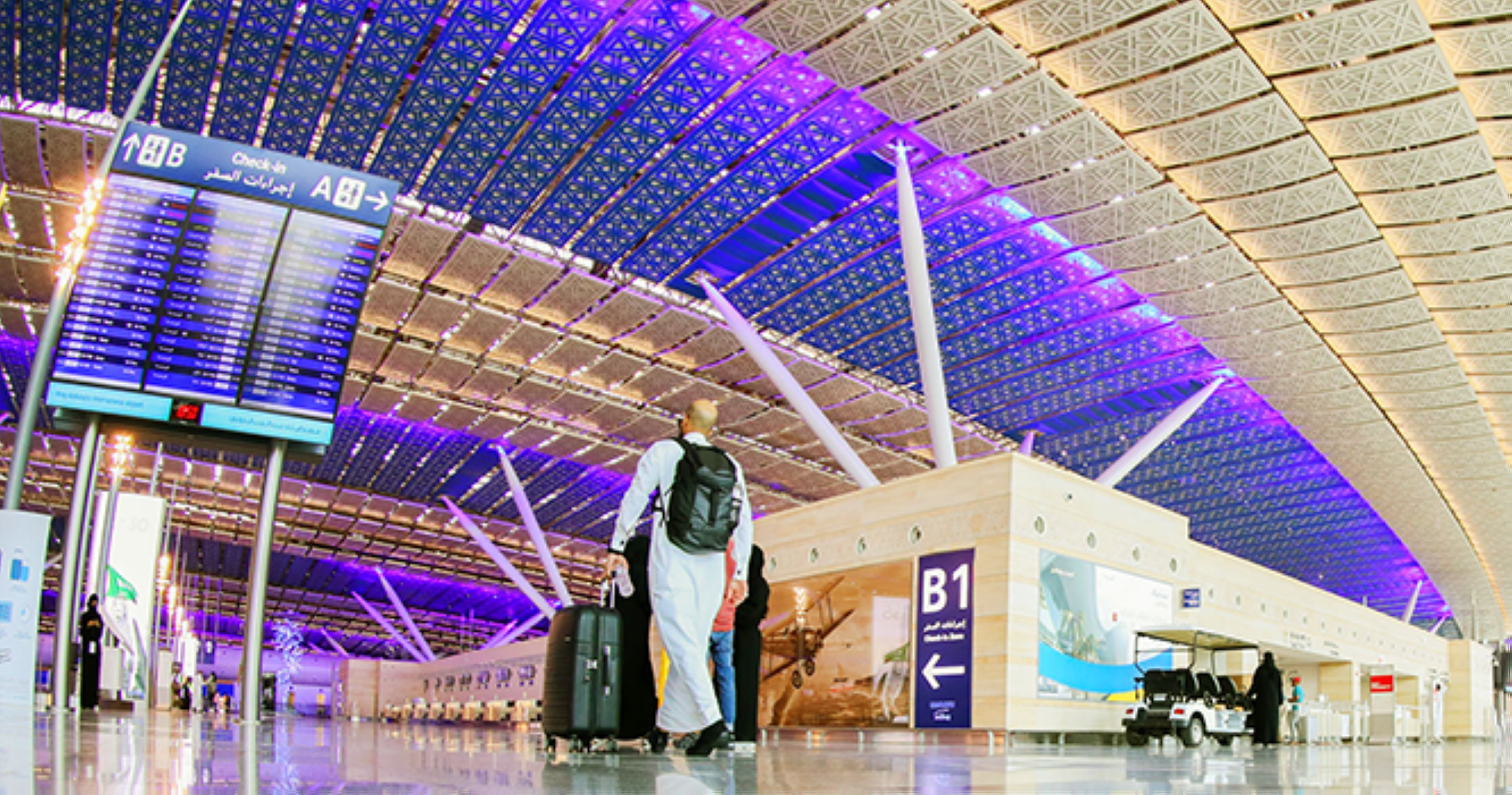
The Kingdom aims to welcome 141 million air passengers by 2025, driven by Vision 2030, with massive growth in international flights and expansion of major airports.
Exceptional growth in line with Vision 2030
In a move reflecting the massive economic transformation taking place in the Kingdom of Saudi Arabia, forecasts indicate that the civil aviation sector is poised to achieve a historic leap, with the number of passengers traveling through the Kingdom's airports reaching approximately 141 million by 2025. This figure is not merely a numerical increase, but rather a living embodiment of the success of ambitious national strategies, foremost among them "Saudi Vision 2030," which aims to transform the Kingdom into a global logistics hub connecting three continents and a leading tourist destination worldwide.
Strategic background: Investment in infrastructure and air connectivity
This anticipated growth is not a coincidence, but rather the result of massive investments and long-term strategic planning. Over the past few years, the Kingdom has worked on developing and expanding its airport infrastructure on an unprecedented scale. This has included upgrading existing airports such as King Abdulaziz International Airport in Jeddah and King Khalid International Airport in Riyadh, and launching mega-projects like the new King Salman International Airport in Riyadh, which aims to increase capacity to 120 million passengers by 2030. These efforts are part of the National Aviation Strategy, which seeks to increase air connectivity to more than 250 international destinations, strengthen the role of national carriers such as Saudia, and launch a new airline like Riyadh Airlines to enhance global competitiveness.
Details of the projected figures for 2025
According to forecasts, growth in the Kingdom's air traffic is expected to exceed all regional averages, driven by the booming tourism and business sectors. The targeted figures are as follows:
- Total passengers: approximately 140.9 million passengers, with an expected growth rate of 9.6%.
- International travelers: The number is expected to reach 76 million.
- Domestic travelers: The target is to reach 65 million travelers.
- Total flights: The number is expected to increase by 8.3% to approximately 980,400 flights.
Performance and impact of major airports
Major airports will play a pivotal role in accommodating this growth. King Abdulaziz International Airport in Jeddah is expected to continue its leading position, handling the largest share of air traffic, followed by King Khalid International Airport in Riyadh. Other airports, such as Prince Mohammad Bin Abdulaziz Airport in Madinah and King Fahd International Airport in Dammam, are also expected to record record passenger numbers, reflecting the increased demand for religious, tourist, and business travel across the Kingdom. This operational pressure underscores the importance of ongoing expansion projects to ensure high-quality services and a seamless travel experience.
Enhancing the international standing and the air cargo sector
Internationally, this growth reinforces the Kingdom's position as a key player in global aviation. High-frequency air connections to 176 international destinations facilitate access to the Kingdom and support the major global events it hosts. The presence of routes such as Cairo-Jeddah and Dubai-Riyadh among the world's busiest is a testament to the Kingdom's strategic importance. In parallel, the air cargo sector is expected to experience stability and growth, with a target of handling 1.18 million tons, further solidifying the Kingdom's role as a vital logistics hub for global trade.
Local News
Results of the evaluation of car dealerships and online stores in Saudi Arabia
The Saudi Ministry of Commerce announced the results of its evaluation of car and electronics dealers and 220 online stores, with the aim of improving the quality of services and enhancing consumer rights.
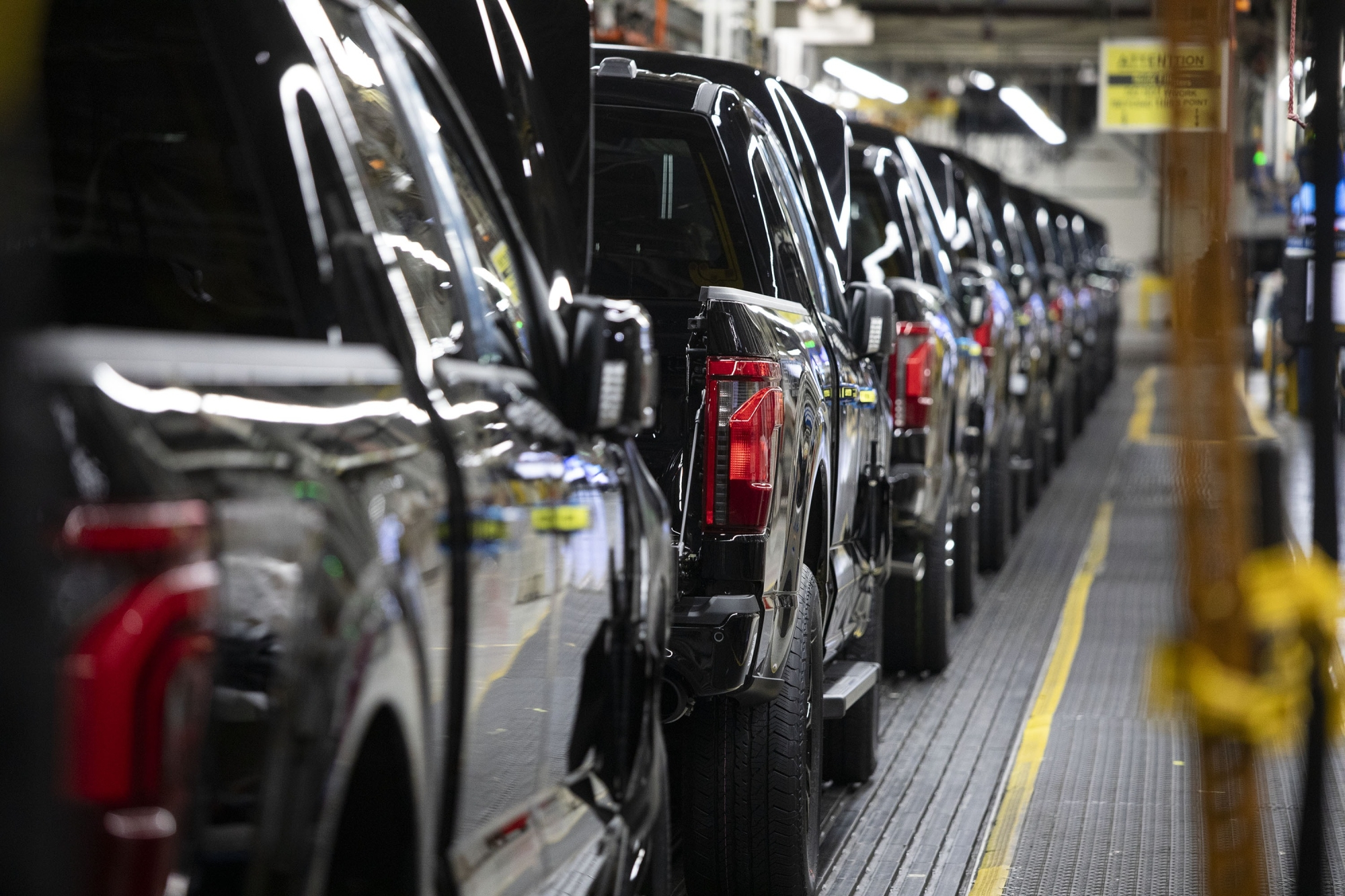
A new step towards enhancing transparency in the Saudi market
As part of its ongoing efforts to regulate markets and protect consumer rights, the Saudi Ministry of Commerce announced on Thursday the results of the second phase of its comprehensive assessments targeting vital sectors that directly impact the lives of citizens and residents. The assessments included car dealerships, electrical and electronic appliance dealers and distributors, and e-commerce stores, with the aim of raising the quality of services provided, enhancing compliance with approved standards, and improving the overall customer experience.
General context and importance of the initiative in light of Vision 2030
This initiative is an integral part of Saudi Vision 2030, which prioritizes improving the business environment and enhancing consumer confidence. With the rapid growth of e-commerce and the increasing demand for cars and modern devices, the need has arisen for transparent regulatory mechanisms that ensure consumers receive the best services and contribute to creating a fair competitive environment among companies. These periodic assessments are an effective tool for achieving this goal, providing reliable data that helps consumers make informed purchasing decisions and motivates companies to improve their operations and services.
Details of the automotive sector assessment
The ministry explained that the evaluation of car dealerships included 24 dealerships and was based on four main criteria and 16 sub-indicators to ensure comprehensive coverage of all aspects of service. The criteria included:
- Inventory and booking data: To assess the dealer's transparency in disclosing available cars and waiting lists.
- After-sales service: This is a crucial criterion that focuses on the duration of periodic maintenance, the availability of essential spare parts, and the quality of service provided at maintenance centers.
- Compliance level: To measure the extent to which the agent adheres to the regulations and rules set by the ministry.
- Commitment to protecting consumer rights: This includes responding quickly to complaints and handling them effectively.
Assessment of the electrical and electronic appliances and digital stores sector
In the electrical and electronic appliances sector, 18 agents and distributors were evaluated based on 11 criteria, primarily focusing on their adherence to consumer rights regarding warranties and maintenance, after-sales services, and their handling of consumer complaints. Meanwhile, in the booming e-commerce sector, 220 online stores were assessed according to 10 specific criteria, most notably their registration on the Saudi Business Center platform, the clarity of their exchange and return policies, and the provision of clear and effective communication channels for customers.
Expected impact and partnership with the private sector
The Ministry of Commerce affirmed that these standards and indicators were developed in collaboration and partnership with consumers and the private sector, with the aim of developing sectors and jointly addressing challenges. These assessments are expected to increase competition among agents and retailers to provide better service, and to empower consumers by giving them the necessary tools for comparison and choice. The Ministry intends to continue publishing the assessment results periodically, which will enhance market transparency and solidify a culture of quality and commitment among all commercial establishments in the Kingdom.
-

 Local News 4 days ago
Landslide in Riyadh: Details of the incident in Al-Sahafa neighborhood and containment efforts
-
 Local News 5 days ago
The death penalty was carried out against a citizen who stabbed another to death in Tabuk
-

 Culture and Art, 1 week ago
Ramez Galal in Ramadan 2026: Details of the bloody prank show
-
 Local News 6 days ago
First birth on the Riyadh train: A heartwarming story at Andalus station
-
 Local News 4 days ago
Riyadh collapse: Emergency plans to secure water after a main pipeline burst
-

 Culture and Art 4 days ago
Haifa Wehbe's absence in Riyadh: A photo crisis or a strained relationship with the media?
-

 Culture and Art 4 days ago
City Kitchen series: A drama of conflict and the middle class during Ramadan
-

 Culture and Art 4 days ago
The series "Kasra": Dawood Hussein in a moving social drama this Ramadan