
Local News
SDAIA enhances Saudi Arabia's role in international and regional cooperation
SDAIA reinforces Saudi Arabia’s role in promoting AI ethics globally, committed to UNESCO’s recommendations to ensure responsible and values-compliant use.


Promoting AI ethics in Saudi Arabia
Through the Saudi Data & Artificial Intelligence Authority (SDAIA), the Kingdom of Saudi Arabia seeks to promote the ethical principles of artificial intelligence globally. The Kingdom has supported UNESCO's recommendations on AI ethics, which were endorsed by 193 countries in November 2021.
Saudi Arabia was among the first countries to lay the foundations and principles necessary to ensure that the use of artificial intelligence is compatible with human values. As a result, several international achievements have been realized, such as the Riyadh Charter for Artificial Intelligence in the Islamic World and the establishment of the International Center for Research and Ethics in Artificial Intelligence (ICAIRE) in Riyadh.
The global impact of Saudi initiatives
SDAIA's efforts have helped shape a future for artificial intelligence that adheres to ethical standards and human values. This ensures that the technology benefits all of humanity, especially since the world has been largely focused on the various applications of AI without giving sufficient attention to its social and human dimensions.
Through its international engagements, SDAIA has addressed concerns regarding the ethical implications of these advanced technologies. It has also contributed to the development of policies governing AI ethics globally, which have been endorsed by international organizations such as UNESCO and ISESCO.
Riyadh Charter for Artificial Intelligence
Between September 2024 and March 2025, the Islamic World Educational, Scientific and Cultural Organization (ICESCO), in collaboration with the Saudi Data & Artificial Intelligence Authority (SDAIA), announced the Riyadh Charter for Artificial Intelligence in the Islamic World. This charter, which was unanimously approved by 53 Islamic countries, was described by international observers as a landmark in establishing a shared ethical and strategic framework for artificial intelligence in the Islamic world.
The importance and impact of the charter
The Riyadh Charter is a significant step towards ensuring that the use of artificial intelligence is compatible with the cultural and religious values of Islamic countries. It also promotes cooperation among these countries to develop AI technologies that serve their common interests and contribute to sustainable development.
In everyday life , these efforts can lead to the development of safer and more effective AI applications that meet the needs of society in ways that respect human rights and promote social justice.
Promising future
Looking ahead , Saudi Arabia’s commitment to promoting AI ethics could inspire other countries to take similar steps. This could lead to a world where technology is used responsibly and benefits everyone.
Ultimately , the initiatives led by SDAIA are not merely local achievements, but part of a global movement aimed at making technology more humane and ethical. This is the path towards a better and more sustainable future for all.



Local News
Launch of the Athar platform for environmental freelance work in Saudi Arabia | Vision 2030
The Ministry of Human Resources launched the “Athar” platform to regulate freelance work in the environmental sector, with the aim of providing quality job opportunities and supporting small and medium enterprises within the framework of Vision 2030.
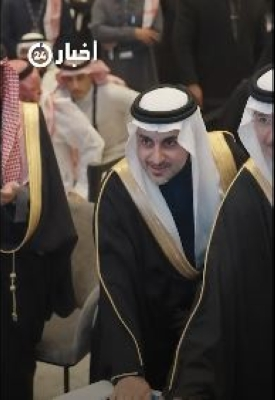
In a strategic move aimed at regulating and developing the environmental services market in Saudi Arabia, the Ministry of Human Resources and Social Development, in cooperation with the National Center for Environmental Compliance, announced the launch of the “Athar” platform for freelancers. This platform, part of the Professional Accreditation Initiative, is the first regulatory framework of its kind enabling individuals to practice environmental freelance work in a certified and official manner, opening new horizons for Saudi specialists and supporting the national transformation towards a green economy.
National context and future vision
The launch of the “Athar” platform cannot be viewed as an isolated event, but rather as an integral part of the major transformations the Kingdom is undergoing within the framework of Vision 2030. The Vision seeks to diversify income sources and reduce dependence on oil, with a strong focus on environmental sustainability. Initiatives such as “Green Saudi Arabia” and “Green Middle East” are fundamental pillars of this direction, aiming to improve the quality of life and protect the environment for future generations. Hence, the “Athar” platform serves as an implementation tool that translates these aspirations into tangible reality by building a qualified national workforce capable of leading the environmental services sector.
Launch details and first phase
The platform's launch ceremony was attended by high-level officials, including the Deputy Minister of Human Resources and Social Development for Labor, Dr. Abdullah Abu Thnein, and the Deputy Minister of Environment, Water and Agriculture, Engineer Mansour Al-Mashiti, reflecting the importance the government places on this project. As a first step, 99 licenses were issued to accredited environmental practitioners who will begin their careers by providing environmental management plan (EMP) services for low-impact facilities, such as auto repair shops, in collaboration with the private sector.
Expected economic and social impact
The official spokesperson for the National Center for Environmental Compliance, Saad Al-Mutrafi, explained that the platform serves a vast market of over 50,000 establishments, making it a promising economic market. Opening this field to individuals will directly contribute to supporting localization efforts and creating quality job opportunities for citizens in a specialized and in-demand sector. It will also raise the overall level of environmental compliance in the Kingdom, as small and medium-sized enterprises (SMEs) will be able to access certified environmental services at competitive prices, thus enhancing their sustainability and reducing their environmental footprint.
A look to the future
The platform's development plans don't stop there, with the next phase scheduled for launch in the second quarter of this year. This phase will involve training a new cohort of environmental practitioners through specialized programs implemented in collaboration with several leading Saudi universities. These academic partnerships aim to ensure the quality of the outputs and provide the market with highly qualified professionals capable of delivering comprehensive consulting services across multiple environmental fields, extending beyond simply preparing plans to include periodic reports and environmental audits.
Local News
Mandatory sewer connection in Saudi Arabia: Decision and details
The Saudi Water Authority has announced the mandatory connection of properties to the sewage network. Learn about the details of the decision, the associated fees, and its impact on the environment and public health.
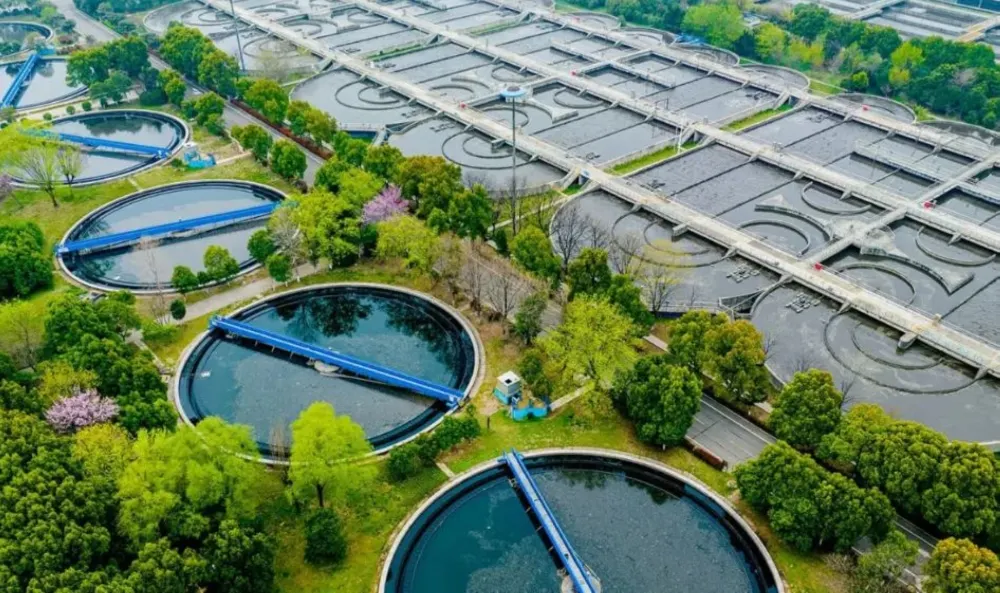
The Saudi Water Authority announced an important regulatory step, which is the mandatory connection of all properties to the public sewage network, stressing that this measure comes within the framework of protecting the environment and public health, and enhancing the quality of life in the cities and residential neighborhoods of the Kingdom.
Background of the decision and its strategic importance
This decision comes as part of the major transformations underway in the Kingdom's water and environmental services sector, in line with the objectives of Saudi Vision 2030. For decades, many residential areas relied on traditional drainage systems such as cesspools or septic tanks, which posed significant environmental and health challenges, most notably the potential for untreated wastewater to seep into the soil and groundwater, leading to contamination and the spread of disease. The transition to a centralized and integrated wastewater network represents a qualitative leap in urban infrastructure, aimed at addressing these challenges in a fundamental and sustainable manner.
Details of the mechanism and costs
The authority clarified that the connection fee is calculated based on clear regulations approved by the Council of Ministers in its decision dated 30/11/1441 AH. These regulations rely on precise criteria including the property classification (residential, commercial, industrial), its total area, and the required connection diameter to serve it efficiently. To facilitate the process for beneficiaries, the authority confirmed that payment can be made in a single payment after the invoice is issued, or through an approved installment plan offered by the service provider, before work commences.
Local and national impact of the decision
The mandatory connection to the sewage network is a systematic measure with multiple dimensions. At the local level, the decision contributes to eliminating unpleasant odors and sources of visual and environmental pollution in neighborhoods, thus increasing property values and improving the urban landscape. At the national level, this approach supports environmental sustainability goals by enabling the treatment and reuse of wastewater for purposes such as agricultural and industrial irrigation, thereby reducing pressure on scarce freshwater resources. This measure also aligns with international standards for public health and modern urban management, and reinforces the Kingdom's position as a leader in adopting best environmental practices.
Notification and technical support mechanism
To ensure that information reaches all beneficiaries, the Authority and service providers follow organized procedures that begin with notifying property owners of the service's availability in their neighborhoods through multiple channels, including SMS messages, notifications via mobile applications, the official website, and call centers. The Authority emphasized that it provides comprehensive, round-the-clock support channels through its unified call center (19913) to answer all inquiries and provide necessary assistance, thus ensuring a smooth transition to a safe and sustainable wastewater system that benefits both the community and the environment.
Local News
Amr Adib referred to trial in case of insulting Mortada Mansour
The prosecution has referred media personality Amr Adib to trial on charges of defamation and slander against Mortada Mansour. Learn the details of the crisis that began with a dispute over Zamalek Club land and escalated into a legal battle.
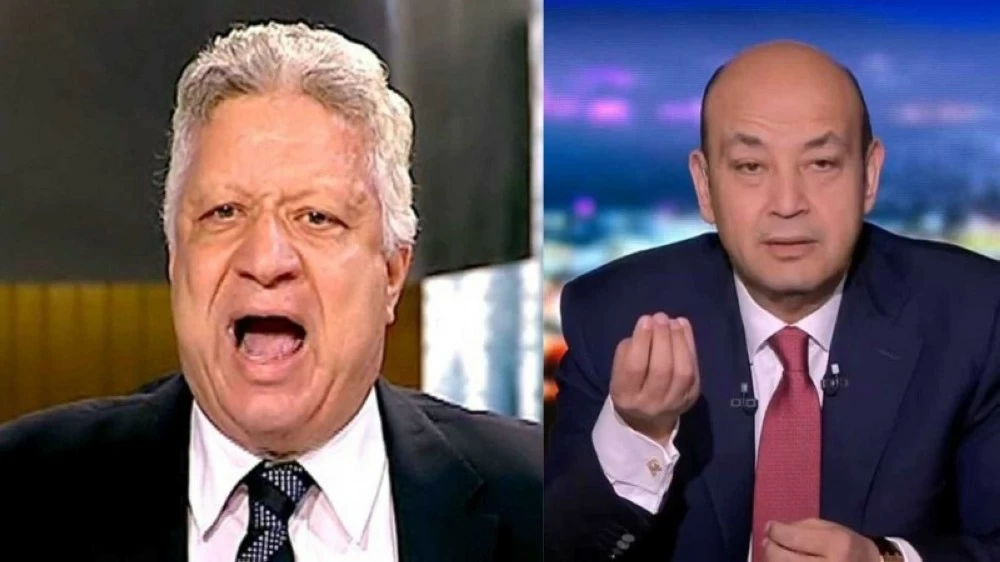
Amr Adib referred to trial in his dispute with Mortada Mansour
The competent investigative authorities in the Agouza district of Cairo have ordered the referral of prominent Egyptian media figure Amr Adib to the appropriate court, in the latest development in his ongoing legal and media dispute with Mortada Mansour, the former president of Zamalek Sporting Club. This referral stems from accusations leveled by Mansour against Adib, including slander, defamation, and misuse of social media, opening a new chapter in one of the most controversial cases in Egyptian circles.
Background to the long conflict between Adib and Mansour
This conflict was not a spontaneous outburst, but rather the latest in a long series of tensions and confrontations between the two figures, both known for their combative styles. Amr Adib is one of the most prominent media personalities in Egypt and the Arab world, while Mortada Mansour is a controversial figure who has combined law, politics, and long tenure as president of Zamalek Sporting Club. For years, their relationship has been marked by media and legal skirmishes, the most recent of which occurred in April 2024 when the Economic Court acquitted Mansour in a defamation lawsuit filed against him by Adib, paving the way for a new round of conflict.
The spark of the latest crisis: Zamalek Club's land
The dispute escalated sharply in August 2023 when the issue of withdrawing a plot of land allocated to Zamalek Club in 6th of October City arose. Amr Adib used his popular program "Al-Hekaya" on MBC Egypt to launch a scathing attack on Mortada Mansour, holding him responsible for the loss of the land, which was intended for a new branch of the club. Adib accused Mansour of filing a report that led to the land being withdrawn, describing this action as "a stab in the back for the club's future.".
Fiery statements and media escalation
Adib didn't stop at mere criticism; he used harsh language in the August 29, 2023 episode, stating that "Mortada Mansour is an idea that must die," and describing his tenure as a "council of ruin." He also accused him of harboring "deep-seated resentment" towards the current board of directors, headed by Hussein Labib. These statements sparked a storm of controversy, prompting Mansour to respond forcefully on his social media platforms.
The battle moves to the courts
In response to Adib's attack, Mortada Mansour announced that he had filed 40 reports with the Public Prosecutor against the media personality, accusing him of slander, defamation, and libel. He also submitted a formal complaint to the Supreme Council for Media Regulation, considering what was said on the program to be a "death threat" and a violation of the media code of ethics. For his part, Amr Adib did not remain silent; on September 2, 2023, he filed a report against Mansour on the same charges. After investigating the reports submitted by Mansour, the Public Prosecutor decided to summon Adib, ultimately leading to his referral to trial on October 13, 2023.
The importance and expected impact of the issue
This case is particularly significant because it represents more than just a personal dispute; it reflects the complex intersections between media, sports, and law in Egypt. Observers believe the verdict in this case could reshape the boundaries of freedom of expression and media criticism of public figures. It also casts a shadow over Zamalek Sporting Club, whose current board is striving for stability and distancing itself from the conflicts that have long been associated with its former president. As the battle moves to the courtroom, Egyptian circles are watching with great interest the outcome of this legal confrontation between two of the country's most prominent public figures.
-

 Local news two days ago
Landslide in Riyadh: Details of the incident in Al-Sahafa neighborhood and containment efforts
-
 Local News 3 days ago
The death penalty was carried out against a citizen who stabbed another to death in Tabuk
-

 Local News 4 days ago
First birth on the Riyadh train: A heartwarming story at Andalus station
-
 Culture and Art, 1 week ago
Ramez Galal in Ramadan 2026: Details of the bloody prank show
-
 Local news two days ago
Riyadh collapse: Emergency plans to secure water after a main pipeline burst
-

 Culture and Art 2 days ago
Haifa Wehbe's absence in Riyadh: A photo crisis or a strained relationship with the media?
-

 Culture and Art 2 days ago
City Kitchen series: A drama of conflict and the middle class during Ramadan
-

 Culture and Art 2 days ago
The series "Kasra": Dawood Hussein in a moving social drama this Ramadan