
Local News
Successful pulmonary valve transplant in Hail: A rare Saudi medical achievement
A Saudi medical team in Hail successfully implanted a pulmonary valve via catheter in a rare procedure, reflecting the development of the health sector in the Kingdom within the framework of Vision 2030 and the localization of specialized services.

In a move that reflects the rapid development witnessed by the health sector in the Kingdom of Saudi Arabia, national medical staff have recorded a new achievement added to the record of medical successes, as a specialized Saudi medical team in the Hail region was able to perform a heart intervention that is among the rarest and most complex, represented by the implantation of a pulmonary valve for a patient suffering from complex heart defects.
Details of the medical achievement in Hail
The medical team at Hail Health Cluster successfully performed a pulmonary valve replacement using advanced interventional catheterization techniques. This modern technique eliminates the need for traditional open-heart surgery, which was previously considered high-risk and required lengthy recovery periods. This intervention alleviates the patient's suffering from shortness of breath and persistent fatigue caused by pulmonary valve regurgitation, highlighting the medical team's expertise and ability to handle complex cases using the latest global technologies.
The context of health transformation and Vision 2030
This achievement cannot be separated from the broader context of the healthcare transformation underway in the Kingdom as part of the Vision 2030 objectives. The Ministry of Health and the Health Sector Transformation Program have focused on empowering regions and governorates to provide highly specialized services, aiming to reduce the need to refer patients to major centers in Riyadh or Jeddah. The successful performance of such complex procedures in the Hail region is tangible proof of the success of the "improving healthcare services" strategy and raising the efficiency of peripheral hospitals and specialized centers across the Kingdom.
The importance of non-surgical cardiac interventions
This procedure is significant because it represents a shift in cardiac treatment methodology; interventional catheterization techniques for valve replacement offer treatment options for patients whose health conditions may not permit major surgery. These techniques contribute to reducing the patient's hospital stay, accelerating their return to normal life, and minimizing the potential complications of traditional surgery.
Social and regional impact
On a social level, the availability of these advanced services in the Hail region alleviates the financial, psychological, and social burdens on patients and their families by eliminating the need for travel and accommodation costs in major cities for treatment. This achievement also reinforces the Kingdom of Saudi Arabia's position as a leading regional center in the field of cardiology and cardiac surgery, and underscores the competence of Saudi medical professionals who now rival their international counterparts in performing the most complex medical procedures with precision and high professionalism.


Local News
The first certified Leonardo helicopter training center in Saudi Arabia and the Middle East
The Saudi Aviation Academy launches a global helicopter flight training program, becoming the first Leonardo-certified center in the Middle East, in support of Vision 2030 and the localization of the aviation sector.

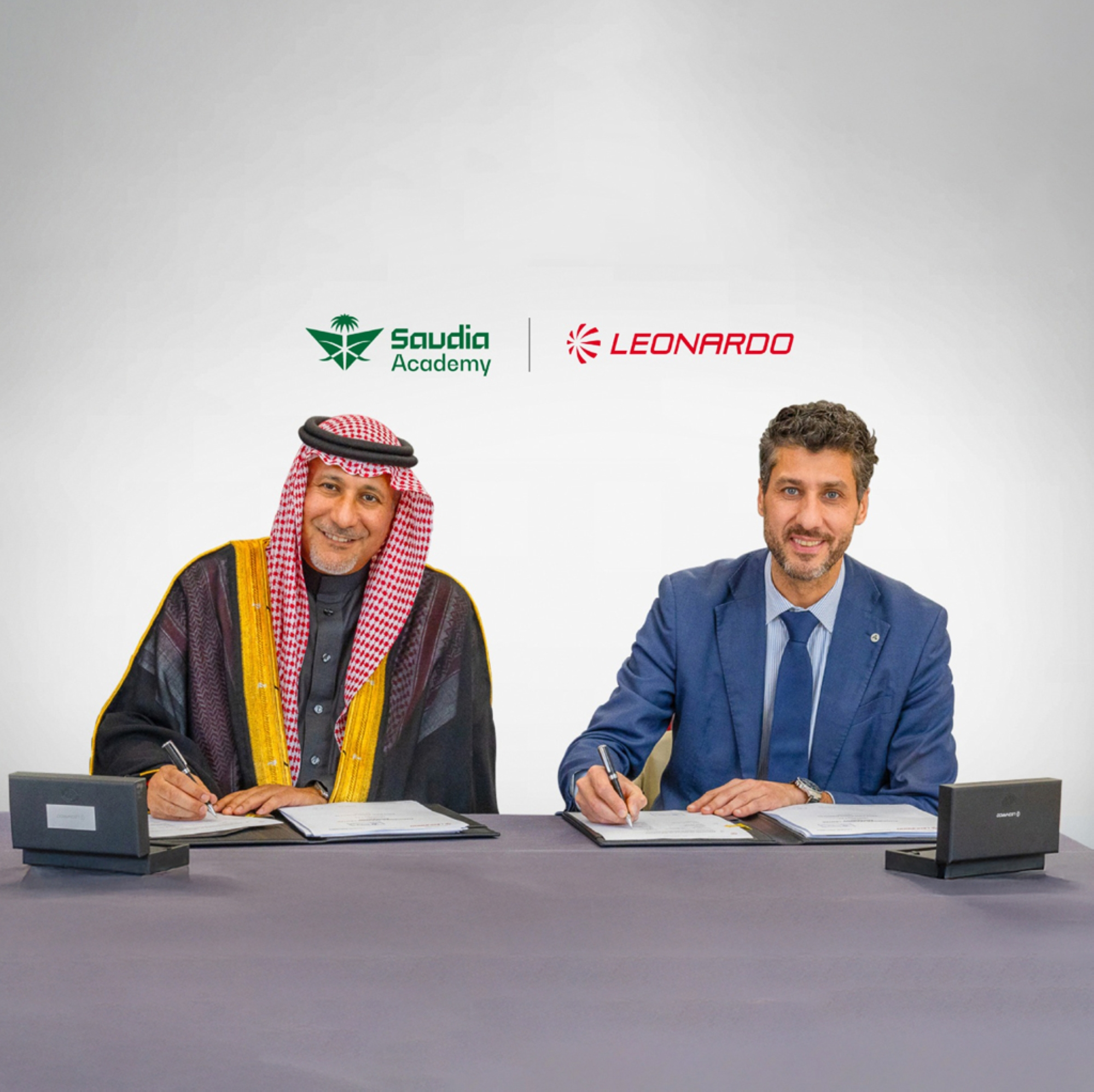
A strategic partnership that places the Kingdom at the forefront of helicopter flight training regionally
In a significant step that reinforces Saudi Arabia's position as a leading hub in the aviation sector, the Saudi Aviation Academy announced the launch of a specialized helicopter pilot training program, making it the first Leonardo Helicopters-certified training center in the Middle East. This strategic partnership marks the beginning of a structured global accreditation process aimed at localizing expertise and developing vertical flight training capabilities across the entire region.
General context: Meeting the requirements of Saudi Vision 2030
This achievement comes at a crucial time, coinciding with the major economic and developmental transformations the Kingdom is undergoing within the framework of Vision 2030. With the launch of mega-projects such as NEOM, the Red Sea Project, and AMAALA, the demand for specialized helicopter services is increasing unprecedentedly, whether in the luxury tourism sector, logistics, or emergency and air ambulance operations. The need to train national personnel capable of operating and managing modern helicopter fleets has always been pressing, and this partnership aims to achieve that, transforming the challenge into an opportunity to establish a sustainable training infrastructure.
The importance of the partnership and its expected impact
This agreement is significant because it goes beyond simply offering training courses; it represents a comprehensive and integrated qualification process. The partnership will focus on aligning the training systems, infrastructure, and implementation methods at the Saudi Academy with the stringent requirements and standards adopted by Leonardo, one of the world's largest helicopter manufacturers. Training programs will be delivered using standardized and accredited curricula, under the direct supervision of qualified instructors from the company, ensuring the graduation of pilots and technicians with the highest levels of global competence and quality.
At the local level
Domestically, this initiative directly contributes to achieving the goals of the National Aviation Strategy by localizing knowledge and jobs in this vital sector. It will also enhance the readiness of the Saudi workforce, strengthen safety standards and operational excellence, and provide qualified national talent capable of meeting the needs of both the military and civilian sectors.
At the regional and international levels
Regionally, this accreditation solidifies the academy's position as a leading regional center, capable of attracting trainees from neighboring countries, thus reducing reliance on training centers in Europe and North America. Internationally, this collaboration reflects the Kingdom's commitment to implementing best practices and international standards, and enhances the confidence of investors and international partners in the Saudi aviation sector. The Saudi Academy affirmed its unwavering commitment to providing internationally accredited training programs, positioning it to become the premier choice for helicopter flight training in the Middle East.
Local News
Under the patronage of His Excellency the Minister of Industry and Mineral Resources, Mr. Bandar bin Ibrahim Al-Khorayef… Siniora Food Industries Company inaugurates its new factory in Jeddah with an investment of up to 150 million riyals
Siniora Company opened its new factory in Jeddah with an investment of 150 million riyals, to enhance food security and create 300 job opportunities, in line with the objectives of the Kingdom’s Vision 2030.
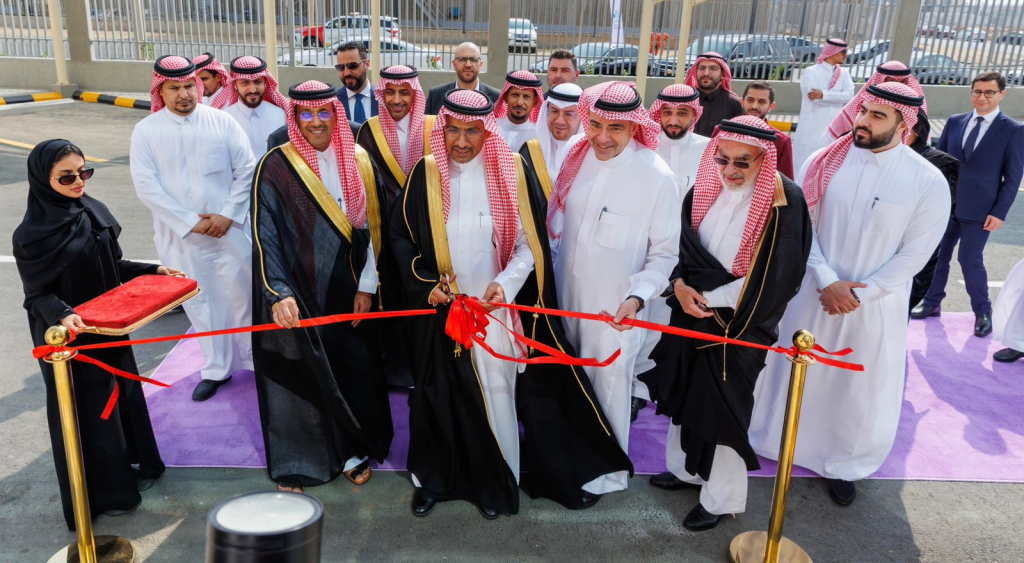
Jeddah: January 27-28, 2026
Under the patronage of His Excellency the Minister of Industry and Mineral Resources, Mr. Bandar bin Ibrahim Al-Khorayef, and in the presence of Engineer Majid bin Rafed Al-Arqoubi, CEO of the Industrial Cities and Technology Zones Authority, Siniora Food Industries Company inaugurated its new factory in Jeddah over a two-day period, in the presence of a number of dignitaries, officials, representatives of government agencies, businessmen, media professionals, and the company’s partners, in a strategic step that reflects the growing confidence in the investment and industrial environment in the Kingdom of Saudi Arabia.
The opening of the factory comes as part of Siniora’s expansion plans in the Saudi market, and in line with the objectives of the Kingdom’s Vision 2030 aimed at enhancing local content, supporting national industries, achieving food security, and localizing quality investments in the food industries sector.
Al-Aqqad: Strategic investment and confidence in the Saudi economy
In his speech, Professor Tariq Omar Al-Aqqad, Chairman of the Board of Directors of Siniora Food Industries, affirmed that this project embodies the firm confidence in the Saudi economy, and in what the Kingdom provides in terms of an attractive investment environment, an integrated industrial system, and effective government support, which makes industrial investment a long-term option, stressing that the new factory reflects Siniora’s commitment to building sustainable partnerships and responsible investments that contribute to supporting the national economy and enhancing the Kingdom’s position as a regional industrial center.
CEO: Production capacity of 10,000 tons per year and more than 300 job opportunities
For his part, Engineer Magdi Al-Sharif, CEO of Siniora Food Industries, explained that the new factory is an important operational achievement and a pivotal stage in the company’s journey within the Kingdom, indicating that the project was implemented according to the highest international standards in the food industries.
Al-Sharif pointed out that the first phase of the factory was built on a building area of 11,500 square meters, with a production capacity of up to 10,000 tons per year of frozen and chilled products using the latest technologies
He added that the investment in the first phase amounted to 150 million Saudi riyals, with support from the Saudi Industrial Development Fund, which contributed to accelerating the implementation of the project, stressing that the factory will provide about 300 job opportunities, with a focus on employing and training national talents, and raising the percentage of Saudization within the job staff.
The CEO praised the great cooperation the project received from the Ministry of Industry and Mineral Resources, the Industrial Cities and Technology Zones Authority (MODON), the Food and Drug Authority, and the Investment Promotion Authority, stressing that the speed of procedures and integration between government agencies played a pivotal role in completing the project according to the specified timetable.
The new Siniora factory is a qualitative addition to the food industry sector in the Kingdom, as it contributes to strengthening local supply chains, raising production efficiency, supporting food security, in addition to transferring industrial expertise and knowledge, and localizing modern technologies in this vital sector.
Local News
Saudi airports aim for 141 million passengers by 2025
The Kingdom aims to welcome 141 million air passengers by 2025, driven by Vision 2030, with massive growth in international flights and expansion of major airports.
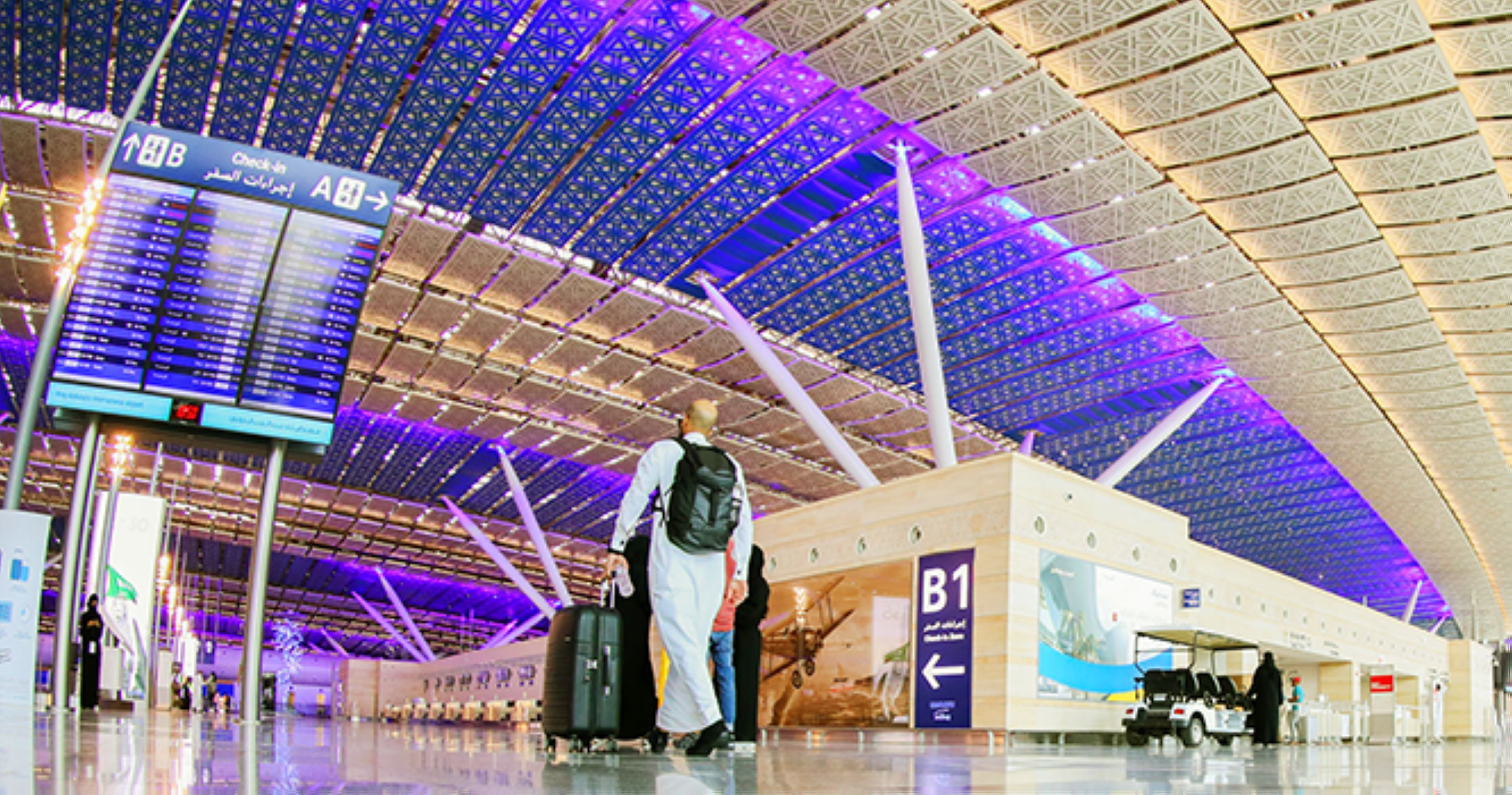
Exceptional growth in line with Vision 2030
In a move reflecting the massive economic transformation taking place in the Kingdom of Saudi Arabia, forecasts indicate that the civil aviation sector is poised to achieve a historic leap, with the number of passengers traveling through the Kingdom's airports reaching approximately 141 million by 2025. This figure is not merely a numerical increase, but rather a living embodiment of the success of ambitious national strategies, foremost among them "Saudi Vision 2030," which aims to transform the Kingdom into a global logistics hub connecting three continents and a leading tourist destination worldwide.
Strategic background: Investment in infrastructure and air connectivity
This anticipated growth is not a coincidence, but rather the result of massive investments and long-term strategic planning. Over the past few years, the Kingdom has worked on developing and expanding its airport infrastructure on an unprecedented scale. This has included upgrading existing airports such as King Abdulaziz International Airport in Jeddah and King Khalid International Airport in Riyadh, and launching mega-projects like the new King Salman International Airport in Riyadh, which aims to increase capacity to 120 million passengers by 2030. These efforts are part of the National Aviation Strategy, which seeks to increase air connectivity to more than 250 international destinations, strengthen the role of national carriers such as Saudia, and launch a new airline like Riyadh Airlines to enhance global competitiveness.
Details of the projected figures for 2025
According to forecasts, growth in the Kingdom's air traffic is expected to exceed all regional averages, driven by the booming tourism and business sectors. The targeted figures are as follows:
- Total passengers: approximately 140.9 million passengers, with an expected growth rate of 9.6%.
- International travelers: The number is expected to reach 76 million.
- Domestic travelers: The target is to reach 65 million travelers.
- Total flights: The number is expected to increase by 8.3% to approximately 980,400 flights.
Performance and impact of major airports
Major airports will play a pivotal role in accommodating this growth. King Abdulaziz International Airport in Jeddah is expected to continue its leading position, handling the largest share of air traffic, followed by King Khalid International Airport in Riyadh. Other airports, such as Prince Mohammad Bin Abdulaziz Airport in Madinah and King Fahd International Airport in Dammam, are also expected to record record passenger numbers, reflecting the increased demand for religious, tourist, and business travel across the Kingdom. This operational pressure underscores the importance of ongoing expansion projects to ensure high-quality services and a seamless travel experience.
Enhancing the international standing and the air cargo sector
Internationally, this growth reinforces the Kingdom's position as a key player in global aviation. High-frequency air connections to 176 international destinations facilitate access to the Kingdom and support the major global events it hosts. The presence of routes such as Cairo-Jeddah and Dubai-Riyadh among the world's busiest is a testament to the Kingdom's strategic importance. In parallel, the air cargo sector is expected to experience stability and growth, with a target of handling 1.18 million tons, further solidifying the Kingdom's role as a vital logistics hub for global trade.
-

 Local News 4 days ago
Landslide in Riyadh: Details of the incident in Al-Sahafa neighborhood and containment efforts
-
 Local News 5 days ago
The death penalty was carried out against a citizen who stabbed another to death in Tabuk
-

 Culture and Art, 1 week ago
Ramez Galal in Ramadan 2026: Details of the bloody prank show
-
 Local News 6 days ago
First birth on the Riyadh train: A heartwarming story at Andalus station
-
 Local News 4 days ago
Riyadh collapse: Emergency plans to secure water after a main pipeline burst
-

 Culture and Art 4 days ago
Haifa Wehbe's absence in Riyadh: A photo crisis or a strained relationship with the media?
-

 Culture and Art 4 days ago
City Kitchen series: A drama of conflict and the middle class during Ramadan
-

 Culture and Art 4 days ago
The series "Kasra": Dawood Hussein in a moving social drama this Ramadan