
Local News
Saudi Arabia is leading the global transformation in labor market policies | Vision 2030
Minister of Human Resources Ahmed Al-Rajhi affirmed that the Kingdom is leading the global transformation in labor market policies, based on the Vision 2030 reforms to empower youth and invest in human capital.

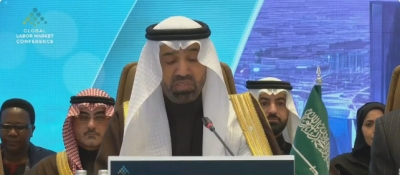
Saudi Arabia is at the forefront of global labor market reforms
His Excellency the Minister of Human Resources and Social Development, Engineer Ahmed bin Sulaiman Al-Rajhi, affirmed that the Kingdom of Saudi Arabia is leading the global transformation in labor market policies. He made this statement during his opening address at the third edition of the International Labor Market Conference held in Riyadh. Al-Rajhi explained that the conference, held under the patronage of the Custodian of the Two Holy Mosques, King Salman bin Abdulaziz, has evolved from a mere dialogue forum into an influential global platform for discussing the future of work and its challenges, reflecting the Kingdom's leading role in shaping relevant global discussions.
Vision 2030: The primary driver of change
This Saudi leadership comes within the context of the radical transformations launched by the Kingdom’s Vision 2030, which aims to diversify the national economy and reduce dependence on oil. Prior to the Vision’s launch, the labor market faced structural challenges, most notably the need to provide decent job opportunities for the growing Saudi youth population and to empower women in economic development. Accordingly, the Vision focused on strengthening labor market institutions, expanding skills development, and increasing the participation of the national workforce, particularly women, whose participation rate has risen significantly in recent years, exceeding initial targets.
Investing in human capital and empowering youth
Minister Al-Rajhi emphasized that the success of these reforms depends primarily on strong institutions and effective coordination among government entities. He noted that investment in human capital is at the heart of these efforts, as the Kingdom works to develop skills to keep pace with the rapidly changing labor market, particularly in light of the Fourth Industrial Revolution. He affirmed that Saudi youth now view technology and artificial intelligence not as a challenge, but as a genuine opportunity for growth and innovation, with a growing awareness of the importance of acquiring practical skills to access suitable opportunities.
Growing regional and international influence
The impact of these reforms extends beyond the local level, reaching regionally and internationally. Saudi Arabia's experience in labor market reform has become a model for the region, as other Gulf states face similar demographic and economic challenges. Globally, by hosting the International Labour Conference, the Kingdom is contributing to shaping global discussions on pressing issues such as the impact of artificial intelligence on jobs, building resilient labor markets, and enhancing job quality for young people.
The conference, held under the theme “Shaping the Future,” focuses on six key areas, including trade transformations, informal economies, the new global skills landscape, and the impact of artificial intelligence. These efforts underscore that the Kingdom is not merely keeping pace with change, but actively seeking to anticipate the future and build a more resilient and sustainable labor market for future generations.



Local News
Saudi Arabia halts perennial fodder cultivation to conserve groundwater
The Saudi Ministry of Environment announced a decision to stop cultivating perennial fodder in sedimentary shelf areas starting in 2026, in a strategic step to protect non-renewable water resources.
A crucial step towards water sustainability
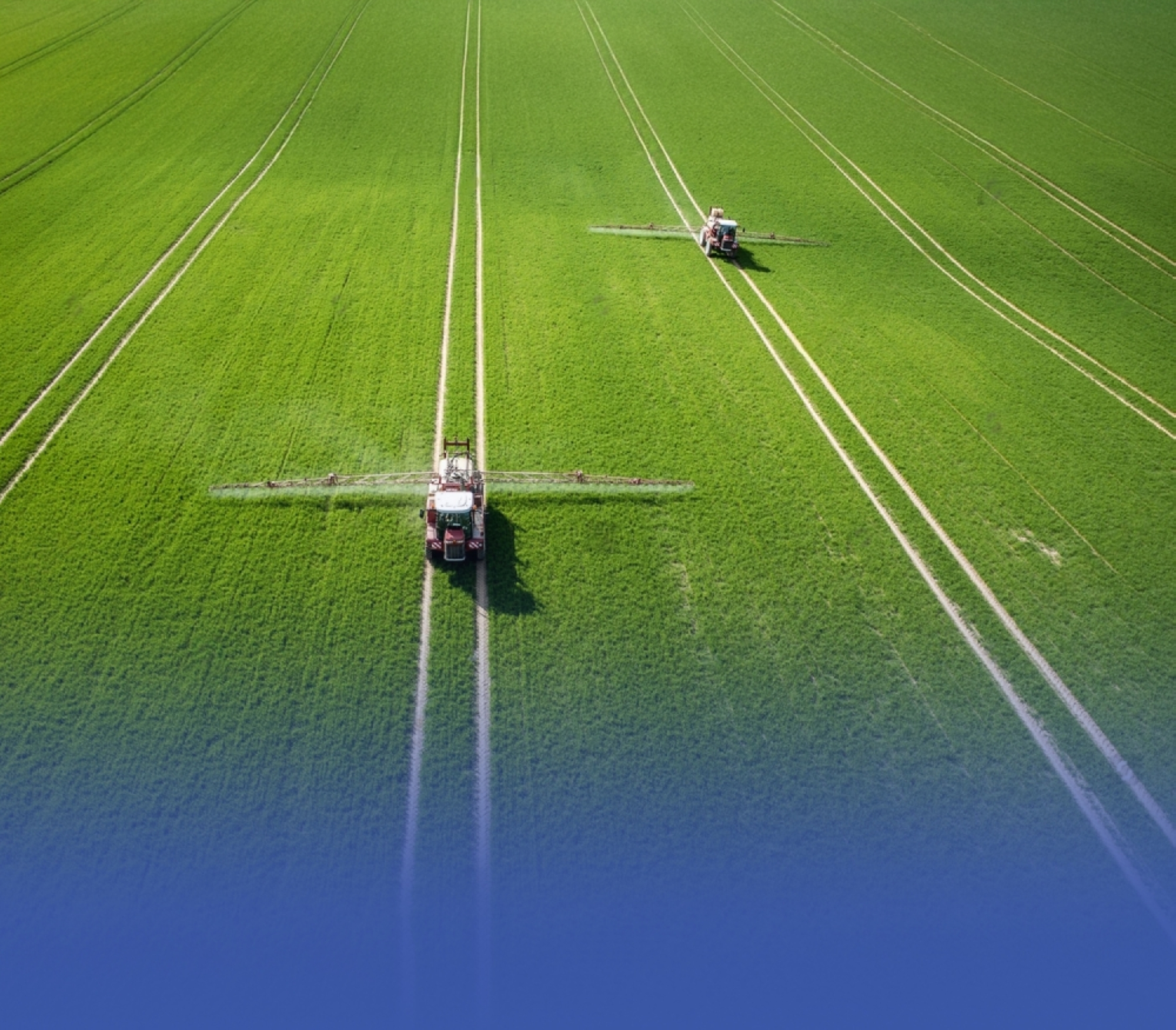
The Ministry of Environment, Water and Agriculture in the Kingdom of Saudi Arabia announced a strategic decision aimed at protecting its non-renewable water resources. The decision to halt the cultivation of perennial fodder crops in sedimentary aquifers will take effect on Monday, November 16, 2026 (corresponding to June 7, 1448 AH). This decision is part of the Kingdom's ongoing efforts to achieve water security and address the challenges of water scarcity in one of the world's driest regions.
Historical context and groundwater crisis
Saudi Arabia has relied heavily on non-renewable groundwater, also known as “fossil water,” to meet its growing agricultural needs for decades. The sedimentary shelf regions are among the country’s most important underground reservoirs, containing vast quantities of water that have accumulated over thousands of years. However, significant agricultural expansion, particularly in the cultivation of water-intensive crops such as perennial fodder (like alfalfa), has led to the depletion of these precious resources at alarming rates, threatening the sustainability of future generations.
Details of the decision and the mechanism for its gradual implementation
The ministry clarified that the decision will not be implemented abruptly, but rather gradually over three years to allow farmers time to adapt to the new changes. This transitional period aims to encourage farmers to shift towards cultivating seasonal fodder crops that require less water, in accordance with the regulations stipulated in Cabinet Resolution No. 66, issued on February 25, 1437 AH (corresponding to 2016). The decision encompasses all areas cultivated with perennial fodder crops within the geographical boundaries of the sedimentary aquifer.
Expected impact and importance of the decision
This decision is of paramount importance on both the environmental and economic fronts. Environmentally, it will directly contribute to reducing groundwater depletion. Ministry data indicates that one hectare of perennial fodder consumes approximately 32,000 cubic meters of water annually, while seasonal fodder consumes only about 9,000 cubic meters. This significant difference reflects the substantial water savings that will be achieved, thus bolstering the Kingdom's strategic water reserves. Economically, the decision will encourage the agricultural sector to adopt more efficient and sustainable practices, aligning with the objectives of the National Agricultural Strategy and the Kingdom's Vision 2030, which prioritizes environmental sustainability.
Towards a sustainable agricultural future
This government approach underscores that achieving food security should not come at the expense of water security. By shifting to less water-intensive agricultural alternatives and supporting farmers during this transition, the Kingdom seeks to strike a delicate balance between agricultural development and the preservation of its scarce natural resources, thus ensuring a more sustainable future for generations to come.
Local News
Education and Aramco: A partnership to develop future skills for students in Saudi Arabia
The Ministry of Education and Saudi Aramco signed a memorandum of understanding to promote STEM skills and volunteer work, in line with Vision 2030 to build a knowledge-based economy.
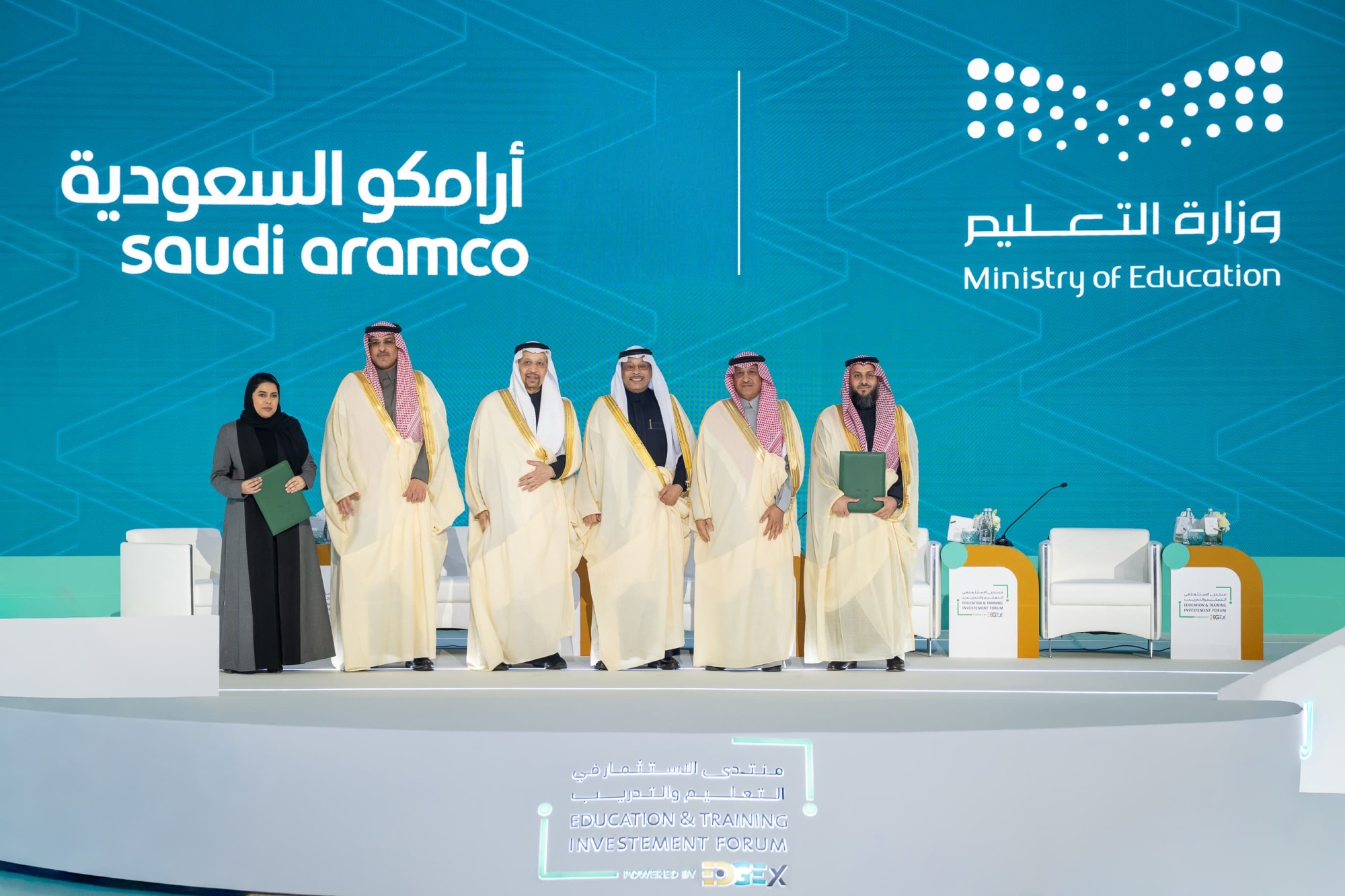
In a strategic move aimed at empowering future generations and equipping them with the skills necessary to meet the demands of the future, the Saudi Ministry of Education and Saudi Aramco signed a memorandum of understanding to enhance their collaboration. This partnership focuses on developing students' skills in the fields of science, technology, engineering, and mathematics (STEM), as well as fostering a culture of volunteerism and social responsibility, and supporting safety and security initiatives in the school environment.
National context and future vision
This collaboration comes within the framework of broader national efforts to achieve the goals of Saudi Vision 2030, which places human capital development at the heart of its priorities. Through programs such as the Human Capability Development Program, the Kingdom seeks to prepare globally competitive citizens equipped with the skills and knowledge required by a knowledge-based and innovation-driven economy. Public-private partnerships, such as this one between the Ministry of Education and Aramco, are a cornerstone for accelerating this transformation, as the expertise and capabilities of a leading company like Aramco contribute to enriching the education system with high-quality, applied, and practical programs.
Details and objectives of the memorandum
The memorandum was signed during the “Investment in Education and Training Forum 2026” held in Riyadh, coinciding with the International Day of Education, thus lending the event special significance. Under this agreement, the two parties will work on:
- Developing STEM skills: Designing and implementing specialized educational and applied programs in the fields of science, technology, engineering, and mathematics, with the aim of promoting critical thinking and innovation among students and preparing them for university majors and future jobs in these vital sectors.
- Promoting volunteer work: Studying the adoption of Aramco's volunteer programs within the approved volunteer hours for high school students, and developing mechanisms to measure the societal impact of these programs, thereby instilling values of active citizenship and giving in the younger generation.
- Supporting security and safety: Developing integrated awareness and training programs to raise awareness of security and safety standards within schools, and to provide a safe and stimulating learning environment for all.
- Exchange of experiences: Cooperation in exchanging data, statistics and technical expertise between the Ministry and the company to continuously improve and develop educational and community initiatives.
Expected impact and future prospects
This partnership is expected to have a tangible positive impact at both the local and regional levels. Locally, it will help bridge the gap between educational outcomes and labor market demands, and develop a national workforce capable of leading promising industrial and technological sectors. Regionally, this initiative represents a pioneering model of cooperation between government institutions and major national companies to achieve sustainable development, potentially inspiring similar initiatives in other countries in the region.
In this context, Professor Nabil Al-Jamea, Executive Vice President of Human Resources and Support Services at Saudi Aramco, stated that “this cooperation confirms the keenness of both parties to continue their joint efforts in establishing a culture of volunteering and enhancing the role of education in serving the community… It is an investment in the Kingdom’s generations and a contribution to empowering students with future skills and preparing them to benefit from promising opportunities.”.
It is worth noting that this memorandum comes as an extension of an existing and fruitful cooperation, as the “Schools Volunteering” program was launched in 2023 according to the “Rashid” standard, and witnessed the participation of more than 131,000 volunteers who completed more than 1.25 million volunteer hours in 892 schools, which reflects the solid foundation on which this new partnership is built.
Local News
Future Real Estate Forum 2026: Saudi Arabia leads the global real estate dialogue
The fifth edition of the Future Real Estate Forum in Riyadh was launched with broad international participation, showcasing huge investment opportunities under Vision 2030 and facilities for foreign ownership.
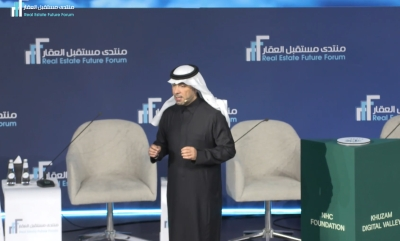
Under the slogan “Expanding Horizons… and Flourishing Real Estate,” His Excellency the Minister of Municipal and Rural Affairs and Housing, Mr. Majid bin Abdullah Al-Hogail, inaugurated today (Monday) the fifth edition of the “Future Real Estate Forum” in Riyadh. The event, considered the most prominent of its kind in the region, features broad international participation, including more than 300 speakers and experts, and hundreds of investors from over 140 countries worldwide. Its aim is to anticipate the future of the real estate sector and chart its course with awareness and responsibility, while drawing on the best global practices.
General context: Saudi real estate at the heart of Vision 2030
The forum comes at a pivotal time, as the Saudi real estate sector undergoes a radical transformation, driven by the ambitious goals of Vision 2030. Vision 2030 aims to diversify the national economy and reduce its reliance on oil, and the real estate sector plays a central role in achieving this objective. The Kingdom is investing billions of dollars in mega-projects such as NEOM, the Red Sea Project, Qiddiya, and Diriyah Gate. These projects are not only reshaping the urban landscape but also creating unprecedented investment opportunities for local and international developers and investors, making the forum an ideal platform to showcase these opportunities.
A global platform for shaping the future of real estate
For his part, the CEO of the General Authority for Real Estate, Engineer Abdullah bin Saud Al-Hammad, affirmed that the Future Real Estate Forum has established itself as a leading global platform for generating ideas and shaping the next phase of the sector. He added that the forum has become a global phenomenon, with its digital reach and engagement exceeding 450 million views, reflecting the growing international interest in the Saudi market. Al-Hammad pointed out that the value of agreements and partnerships concluded in previous editions has surpassed $50 billion, a tangible testament to the forum's ability to translate dialogues into real investments and projects on the ground.
Expected impact and importance of the forum
The forum's importance extends beyond theoretical discussions, directly contributing to accelerating quality investments and strengthening partnerships between local developers and international institutions. Locally, the forum supports efforts to increase the real estate supply and provide innovative housing solutions for citizens. Regionally, the forum reinforces the Kingdom's position as an economic powerhouse and a leading investment destination in the Middle East. Internationally, the forum showcases the Saudi experience as a pioneering model in sustainable real estate development and smart cities, particularly with the launch of unique initiatives such as the region's first virtual reality experience (Metaverse) and the inauguration of the first global media center specializing in real estate.
Supportive legislation and promising prospects
Al-Hammad affirmed that the unwavering support of the wise leadership has enabled the Saudi real estate market to enhance its resilience and adaptability to global changes. He explained that the sector's transformation journey began with legislation, progressed through technology and sustainability, and culminated in a stage of "institutional maturity." The activation of the "Updated System for Non-Saudi Ownership of Real Estate" is a strategic step that opens new horizons for foreign direct investment and positions Saudi real estate as an active participant in the global economic dialogue. In closing, Al-Hammad urged participants to leverage this platform to transform discussions into partnerships, visions into initiatives, and ideas into impactful projects, emphasizing that the Kingdom is an active partner in shaping the future of the sector globally.
-

 Local news one day ago
Landslide in Riyadh: Details of the incident in Al-Sahafa neighborhood and containment efforts
-
 Local news two days ago
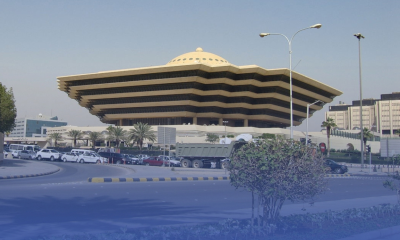
The death penalty was carried out against a citizen who stabbed another to death in Tabuk
-
 Local News 21 hours ago
Riyadh collapse: Emergency plans to secure water after a main pipeline burst
-
Sports 17 hours ago
Controversy surrounds Al-Hilal's goal against Al-Riyadh: A refereeing expert reveals a major error
-

 Culture and Art 6 days ago
Ramez Galal in Ramadan 2026: Details of the bloody prank show
-
 Local News 3 days ago
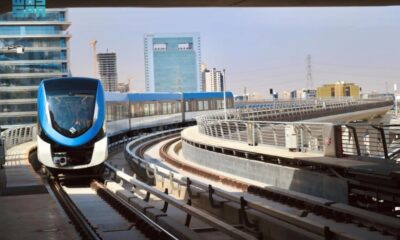
First birth on the Riyadh train: A heartwarming story at Andalus station
-
Sports 20 hours ago
Al-Nassr's absences against Al-Taawon in the Roshan League and their impact on the team
-

 Culture and Art 15 hours ago
Haifa Wehbe's absence in Riyadh: A photo crisis or a strained relationship with the media?