Local News
Riyadh: A person was arrested for promoting the narcotic substance amphetamine and pills subject to medical regulation
The General Directorate of Drug Control arrested a citizen in the Riyadh region for promoting the narcotic substance amphetamine and controlled pills


The General Directorate of Drug Control arrested a citizen in the Riyadh region for promoting the narcotic substance amphetamine and pills subject to medical regulation. He was detained, legal procedures were taken against him, and he was referred to the Public Prosecution.
The security authorities urge citizens and residents to report any information they may have about any activities related to smuggling or promoting drugs, by calling the numbers (911) in the regions of Makkah, Madinah, Riyadh and the Eastern Province, and (999) in the rest of the regions of the Kingdom, and the number of the General Directorate of Drug Control for reporting (995), and via email: [email protected] , and all reports will be treated with complete confidentiality, without any liability on the part of the reporter.
Related News




Local News
Tourist spending in Saudi Arabia will reach 300 billion riyals by 2025
Tourism spending in Saudi Arabia is projected to reach SAR 300 billion by 2025, driven by Vision 2030 reforms and mega-projects. Discover the impact of this growth on the economy.

In a new testament to the success of the national transformation strategies, the tourism sector in the Kingdom of Saudi Arabia is poised to achieve a historic leap, as initial estimates issued by the Ministry of Tourism indicate that total tourism spending will reach approximately 300 billion riyals during 2025, achieving a growth rate of 6% compared to 2024. This figure is not merely a statistical achievement, but reflects the depth of the transformation that the sector is witnessing and its growing contribution as one of the main pillars of the national economy.
General context: Vision 2030 as an engine for transformation
This rapid growth is one of the most significant outcomes of Saudi Arabia’s Vision 2030, which has placed the tourism sector at the heart of its plans to diversify income sources and reduce dependence on oil. Since the Vision’s launch, the Kingdom has embarked on a comprehensive transformation journey, a key milestone of which was the introduction of the electronic tourist visa in 2019, opening the Kingdom’s doors to visitors from around the world. This was accompanied by the establishment of a supportive regulatory and legislative infrastructure aimed at facilitating investment and improving the tourism business environment, attracting substantial local and international investments to develop world-class destinations and resorts.
The importance of the event and its expected impact
Reaching this level of tourism spending carries significant economic, social, and cultural dimensions. Domestically, this spending translates into the creation of hundreds of thousands of direct and indirect job opportunities for Saudi youth, supports the growth of small and medium-sized enterprises (SMEs) that form the backbone of the hospitality and services sector, and fosters the development of local communities in various tourist destinations. Regionally, this record performance solidifies Saudi Arabia's position as a leading tourism powerhouse in the Middle East, creating a healthy competitive dynamic and contributing to the integration of tourism offerings across the region. Internationally, this success helps to change the stereotypical image of the Kingdom, highlighting it as a global destination rich in cultural, natural, and historical diversity, capable of attracting a wide range of tourists, from adventure and nature enthusiasts to those interested in culture, history, and entertainment.
Drivers of sustainable growth
This achievement was not a coincidence, but rather the result of diligent work on several parallel fronts. Alongside regulatory reforms, the Kingdom invested in developing major tourism projects such as NEOM, the Red Sea Project, Qiddiya, and AlUla, which offer unique and innovative tourism experiences. The tourism product was also diversified to include hosting major international events in sports, entertainment, and culture throughout the year, such as Riyadh Season and Formula 1 races. These efforts are complemented by global promotional campaigns and initiatives to develop human capital, ensuring an exceptional tourism experience befitting the Kingdom's stature and future aspirations, which aim to increase the sector's contribution to GDP to 10% by 2030.
Local News
Saudi Arabia: A citizen and a Syrian were executed for smuggling amphetamines
The Saudi Ministry of Interior carried out the death penalty against a Saudi citizen and a Syrian national in the Eastern Province after they were convicted of smuggling amphetamines. Learn more about the case and the Kingdom's efforts in combating drugs.
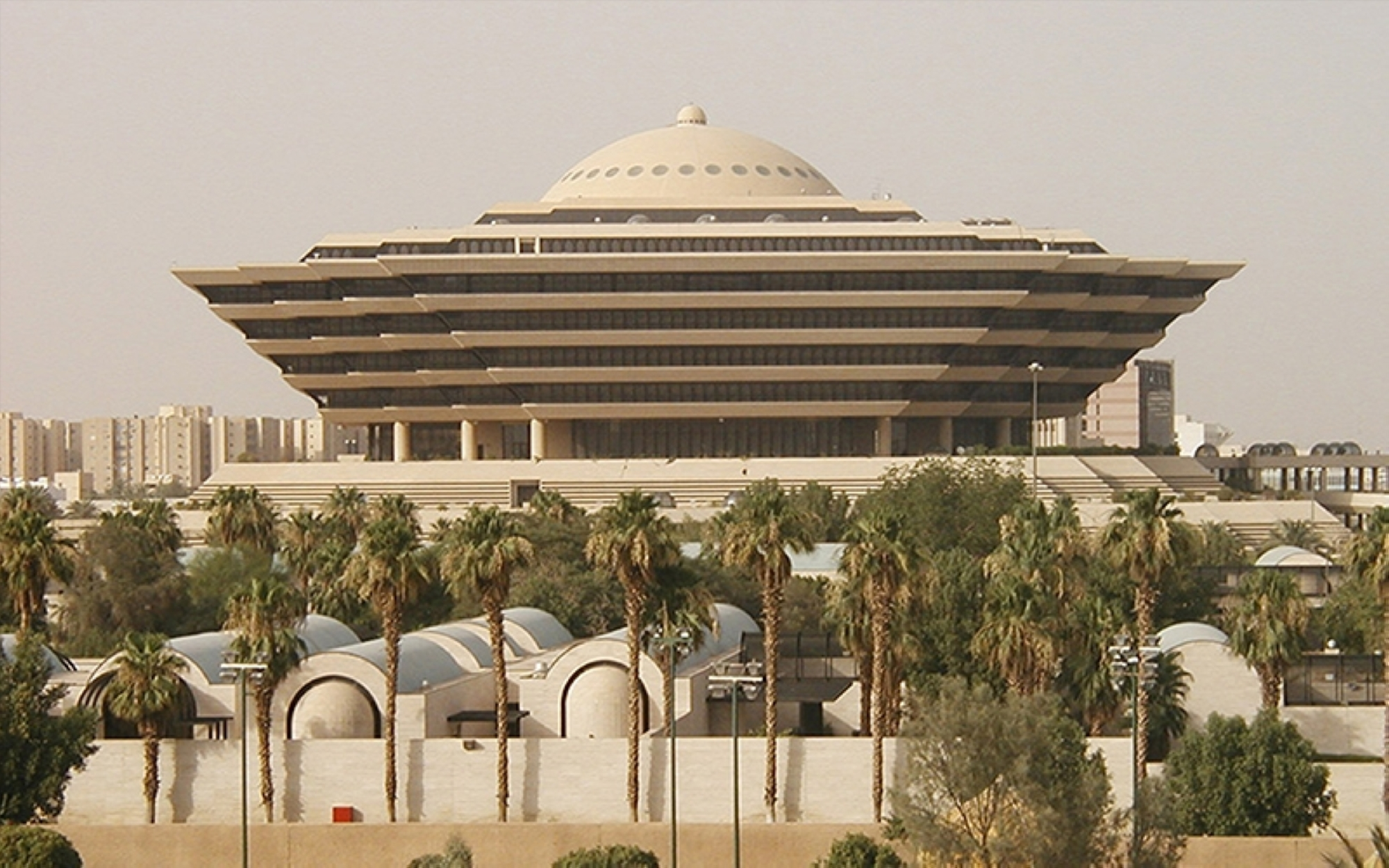
The Saudi Ministry of Interior announced on Wednesday the execution of a Saudi citizen and a Syrian resident in the Eastern Province, after they were convicted of bringing a quantity of amphetamine pills into the Kingdom with the intention of promoting and trading them.
The ministry explained in its statement that the convicted individuals are citizen Alaa bin Ibrahim bin Ali Al-Mahdhar and Syrian resident Bilal Abdullah Al-Sidawi. Security forces apprehended them in the act. After conducting the necessary investigations, they were formally charged and referred to the competent court.
The case went through all stages of litigation guaranteed by the Kingdom's judicial system. A preliminary ruling was issued against them, finding them guilty and sentencing them to death. The ruling was upheld by the Court of Appeal and then by the Supreme Court, making it final and binding. Accordingly, a royal decree was issued ordering the implementation of the legally mandated punishment, and the sentence was carried out today.
General context: The Kingdom's war on drugs
This ruling comes within the context of the Kingdom of Saudi Arabia's ongoing and resolute efforts to combat the scourge of drugs, which it considers a serious threat to the security of society and the well-being of its members, especially young people. The Kingdom applies strict and deterrent penalties, including the death penalty, against drug smugglers and traffickers, based on the provisions of Islamic Sharia law, which aims to protect the five necessities, including the preservation of life and intellect. The punishment of "discretionary execution" is a discretionary penalty determined by the judge for serious crimes that cause significant harm to society, such as drug trafficking.
The importance of the event and its expected impact
Domestically, the execution of this sentence sends a strong deterrent message to anyone who might contemplate jeopardizing the security of the nation, its citizens, and residents, and underscores the absolute zero tolerance for this type of crime. Regionally, it reflects Saudi Arabia's pivotal role in combating transnational drug trafficking networks, particularly those dealing with amphetamine (known as Captagon), which is prevalent in some countries in the region and directly targets the Kingdom. Internationally, this action highlights the rigor of the Saudi judicial system in dealing with major crimes and reaffirms the Kingdom's commitment to international agreements related to combating illicit drug trafficking.
At the end of its statement, the Ministry of Interior reiterated the keenness of the government of the Custodian of the Two Holy Mosques to combat drugs of all kinds because of the serious harm they cause to the individual and society, while warning all those who commit such criminal acts that they will face the legal punishment.
Local News
New condition in Riyadh: No approval for residential plans without infrastructure
The Riyadh Infrastructure Projects Center requires developers to complete water, electricity and telecommunications connections before approving new residential plans within the Assets program.

The Riyadh Infrastructure Projects Center announced a crucial regulatory step that will reshape the urban landscape of the capital, making the completion of all household connections to essential infrastructure networks a mandatory requirement for obtaining approval for new residential developments. This decision falls under the “Residential Development Readiness” initiative, recently launched as part of the transformative “Usul” program.
The center explained that the adopted “Home Connections Guide” will serve as the comprehensive reference to ensure that all new developments are equipped with integrated and reliable infrastructure. The guide aims to standardize procedures, define obligations and technical standards for implementing water, electricity, and telecommunications connections, and clarify the technical and regulatory responsibilities of all stakeholders, including developers and service providers.
A historical context to keep pace with rapid growth
This step comes in the context of the tremendous growth Riyadh is experiencing, a key objective of Saudi Vision 2030, which aims to position the capital among the top 10 city economies in the world. Historically, rapid urban expansion has sometimes outpaced the completion of infrastructure projects, leading to residents moving into neighborhoods lacking basic services. This necessitates subsequent excavation and extension work, impacting quality of life and the urban landscape. This new requirement represents a qualitative shift from reactive to proactive planning, ensuring that new neighborhoods are 100% habitable from day one.
The importance and expected impact of the decision
Locally, this decision is expected to have a direct and positive impact on residents' quality of life by eliminating delays in service delivery and ensuring residential neighborhoods are ready for occupancy. It also enhances planning and implementation efficiency, increases the reliability of infrastructure networks, and preserves the city's urban character. Regionally and internationally, this initiative solidifies Riyadh's position as a smart and sustainable city that adopts global best practices in urban development, thereby increasing its attractiveness to foreign investment and global talent seeking a comprehensive and advanced living environment.
It is worth noting that the “Usul” program comprises a package of transformative initiatives aimed at developing the infrastructure system and enhancing coordination among more than 110 entities from the public and private sectors. The program's launch comes amidst significant growth in the sector, which now employs over 600 contractors and project implementers, reflecting the scale of the massive projects underway in the capital.
-

 Reports 6 days ago
Achievements of Saudi government sectors in 2025
-
Local news two weeks ago
FDA warns of contaminated Nestle infant formula | Recall details
-
Technology 4 weeks ago
US ban on drones: reasons and consequences
-
Technology 4 weeks ago
SRMG and Snapchat partnership: The future of digital media in the Middle East
-
Sports 4 weeks ago
Salah leads Egypt to a thrilling comeback against Zimbabwe in the Africa Cup of Nations
-
Technology 4 weeks ago
Saudi Arabia's Ministry of Islamic Affairs is employing artificial intelligence in public speaking
-
Sports 4 weeks ago
Napoli win the Italian Super Cup in Riyadh for the third time (2025)
-
Sports 4 weeks ago
Alexander Isak's injury: A major blow to Newcastle United's ambitions