Local News
The development of Al-Awda Mosque in Diriyah is part of the Mohammed bin Salman project
Learn about the details of the development of Al-Awda Mosque in Diriyah as part of the Prince Mohammed bin Salman Project for Historical Mosques. The project includes increasing the mosque's size and restoring its authentic Najdi architectural style to better serve worshippers.

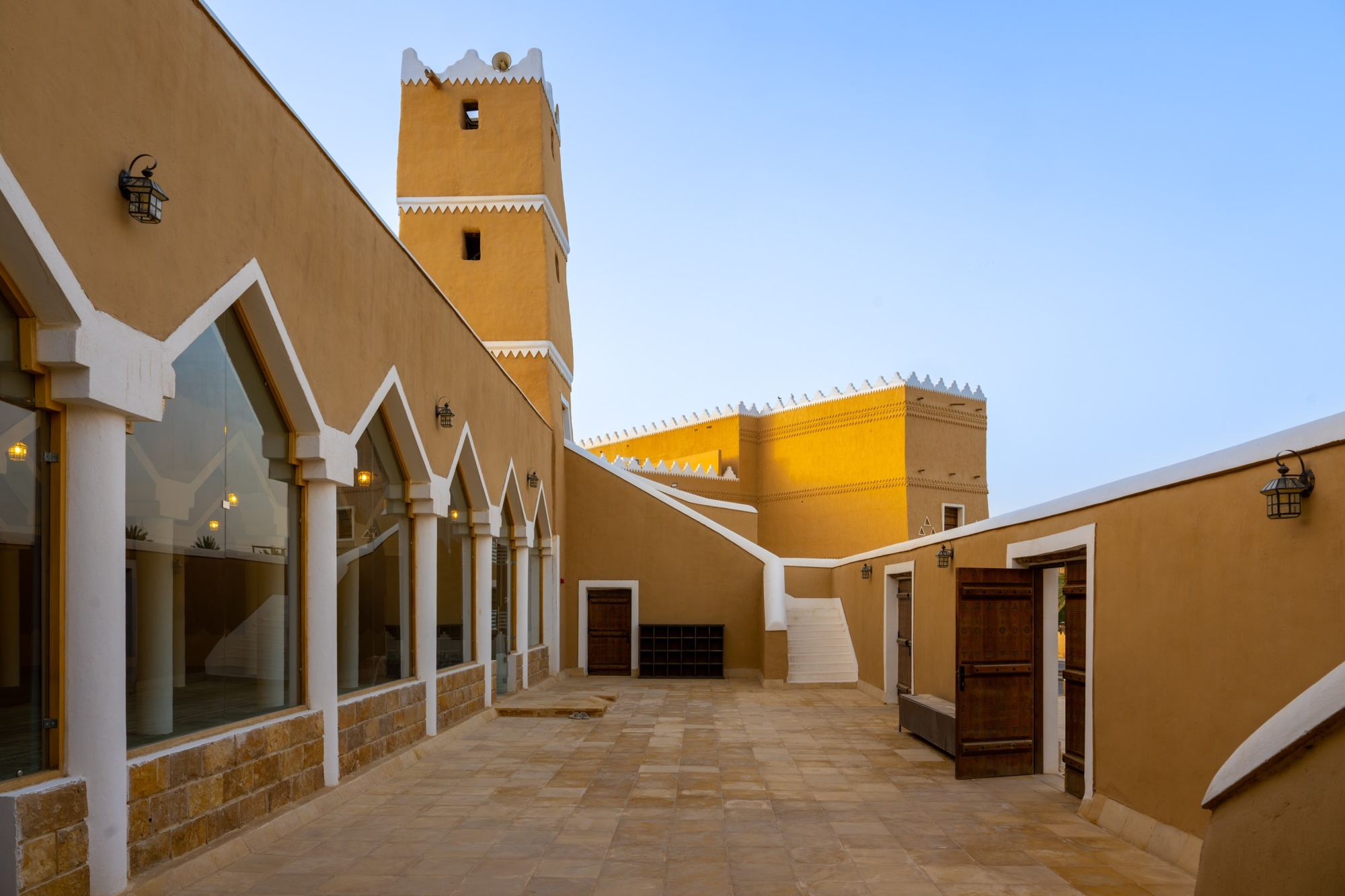
In a move reflecting the deep interest in Islamic architectural heritage, the Prince Mohammed bin Salman Project for the Development of Historical Mosques continues its tireless efforts to revitalize the Kingdom's ancient religious landmarks, most notably the Al-Awda Mosque in Diriyah. This mosque holds a special place, not only as a center of worship, but also as a living testament to the region's history and an integral part of the collective memory of the residents of the historic Al-Awda neighborhood.
The development of Al-Awda Mosque is of paramount strategic importance due to its prime location in Diriyah, the historical jewel of the Kingdom and the capital of the first Saudi state. Situated on the western bank of Wadi Hanifa, adjacent to the road leading to Al-Ulb Dam, the mosque's location makes it a vital link between the past and present. At the heart of the neighborhood, it serves as the main mosque for the residents, and its development has been intertwined with the urban and social evolution of the area over many decades, making it a heritage icon deserving of meticulous care.
Historically, the mosque was initially built in the traditional Najdi style using mud bricks, distinguished by its unique design of arcades and triangular arches resting on stone columns. Over time, specifically more than thirty years ago, the mosque underwent modern construction using concrete, and haphazard extensions of iron and corrugated iron were added to accommodate worshippers, negatively impacting its visual identity and harmony with the surrounding environment. However, the current project aims to restore the mosque to its original architectural character.
As part of the comprehensive development process within the second phase of the project, Al-Awda Mosque underwent a significant transformation in its size and capacity. The mosque's total area increased from 794 square meters to 1,369.82 square meters, positively impacting its capacity, which rose from 510 to 992 worshippers. This expansion was not merely a numerical increase, but a carefully planned initiative to enhance the mosque's religious and social role while preserving its heritage character.
This project is part of a broader vision aligned with the goals of Saudi Vision 2030, which places great importance on national heritage as a cornerstone of Saudi identity. The Prince Mohammed bin Salman Project for the Development of Historical Mosques aims not only at restoration but also at achieving a delicate balance between traditional building standards and modern technologies to ensure the sustainability of these structures. This is accomplished through specialized Saudi companies and national engineering teams working to integrate heritage elements with contemporary needs, thereby enhancing the Kingdom's cultural dimension and showcasing its rich heritage to the world.
In conclusion, the completion of the development of Al-Awda Mosque in Diriyah represents a model to be emulated in how to preserve historical assets and employ them to serve the community, stressing that development does not mean obliterating the past, but rather reviving it and presenting it in a manner befitting the Kingdom’s religious and cultural status.




Local News
The Custodian of the Two Holy Mosques directs the disbursement of 3 billion riyals as Ramadan aid for social security beneficiaries
The Custodian of the Two Holy Mosques has directed the disbursement of over 3 billion riyals in Ramadan aid to social security beneficiaries, with 1,000 riyals allocated for the head of household and 500 riyals for each dependent. Learn more about the details and the deposit date.

The Custodian of the Two Holy Mosques, King Salman bin Abdulaziz Al Saud, may God protect him, has directed, based on the recommendation of His Royal Highness Prince Mohammed bin Salman bin Abdulaziz Al Saud, Crown Prince and Prime Minister, may God protect him, the disbursement of more than 3 billion Saudi riyals as Ramadan aid to beneficiaries of social security. This generous directive reflects the wise leadership's ongoing commitment to addressing the needs of families benefiting from the social security system, its tireless efforts to provide them with a dignified life, and its dedication to ensuring their essential living requirements are met as the holy month approaches.
Details of Ramadan aid disbursement
In accordance with the royal directive, the royal aid payments are scheduled to be deposited directly into the beneficiaries' bank accounts within the next few hours. The aid amount has been set at (1000) Saudi Riyals for each head of household and (500) Saudi Riyals for each dependent family member registered in the system. This is to ensure comprehensive support and alleviate the financial burden on social security families before the start of Ramadan, a season in which consumer needs typically increase.
Thanks and appreciation from the Minister of Human Resources
In this context, His Excellency the Minister of Human Resources and Social Development, Engineer Ahmed bin Sulaiman Al-Rajhi, expressed his deepest gratitude and appreciation to the Custodian of the Two Holy Mosques and His Royal Highness the Crown Prince – may God protect them – for this compassionate and humanitarian gesture towards their children who are beneficiaries of social security. Al-Rajhi emphasized that this generous support reflects the leadership's close connection to its citizens and its awareness of their needs. He prayed to God Almighty to protect the Custodian of the Two Holy Mosques and His Royal Highness the Crown Prince, and to reward them abundantly for their exceptional care and attention to the citizens.
Extension of the social welfare approach in the Kingdom
This Ramadan aid is an extension of the long-standing approach adopted by the Kingdom of Saudi Arabia since its founding in caring for the most vulnerable members of society. The Saudi leadership consistently takes the initiative on religious and national occasions to provide direct financial support to citizens, reinforcing the principles of social solidarity and economic stability. This initiative is particularly significant as it comes at a crucial time, helping families prepare for the month of fasting and secure essential food and supplies without hardship.
Government support and the Kingdom's Vision 2030
This direct support aligns with the objectives of the Kingdom's Vision 2030, which places great emphasis on the social protection sector. The social security system has undergone significant developments aimed at empowering beneficiaries and transforming them from recipients of aid to productive members of society, while social safety nets continue to provide direct cash support to eligible groups. Injecting this substantial sum (over 3 billion riyals) into local markets within a short period will stimulate economic activity and purchasing power, benefiting the local economy as a whole and achieving the desired social balance.
Local News
19 requirements to reduce dust from projects in Riyadh and fines for violators
Learn about the new regulations to reduce dust from construction projects in Riyadh. Fines of up to 50,000 riyals will be imposed to ensure environmental compliance and improve air quality in line with Vision 2030.
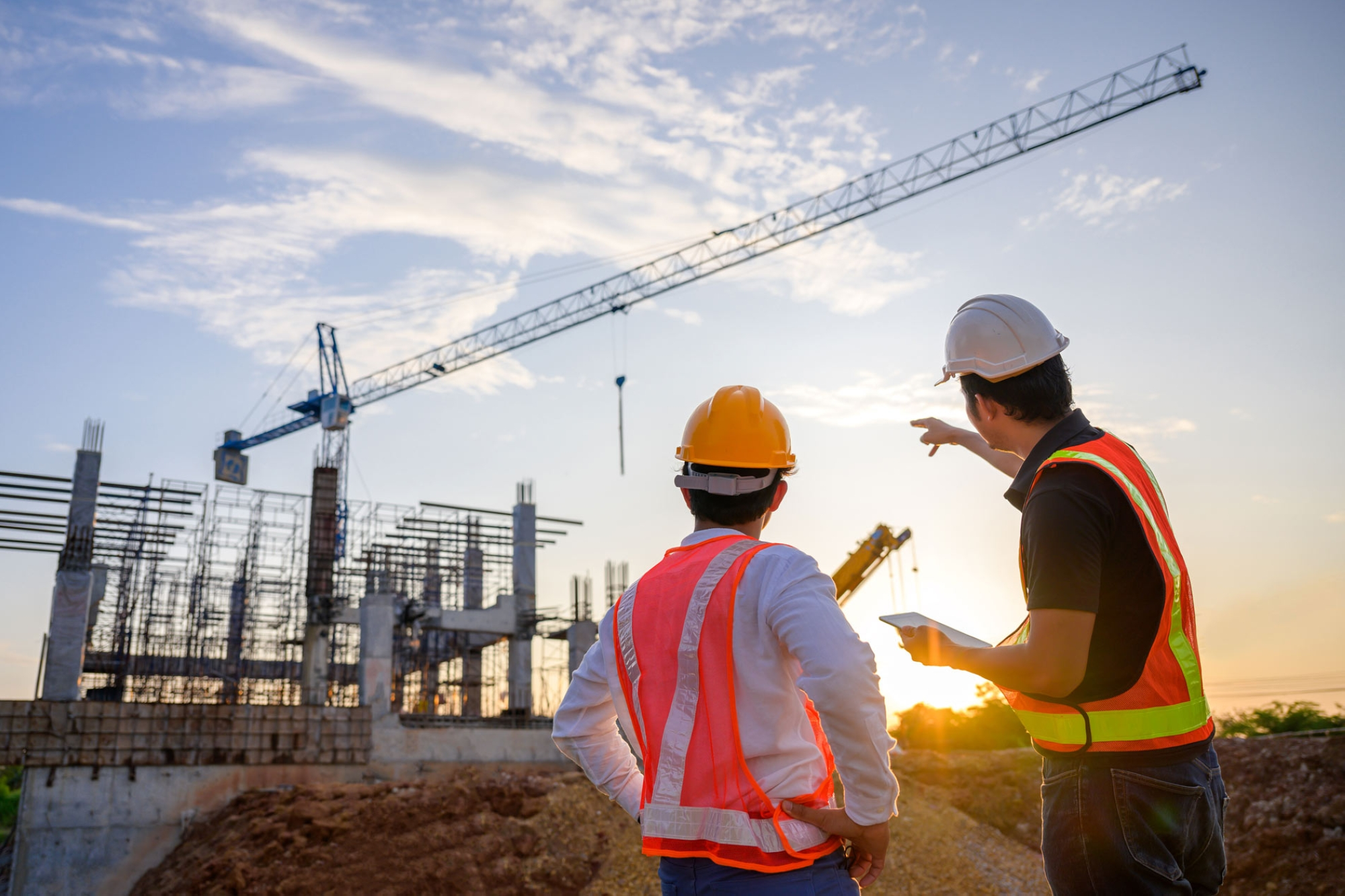
In a move aimed at promoting environmental sustainability and improving the quality of life in the capital, the National Center for Environmental Compliance, in strategic partnership with the Royal Commission for Riyadh City, has adopted a new set of environmental controls that includes 19 strict requirements to control and manage dust and dirt resulting from the increasing construction work in Riyadh.
Details of requirements and financial penalties
The center's official spokesperson, Saad Al-Mutrafi, explained that these new requirements will be mandatory for all construction projects with an area of 2,000 square meters or more. This step aims to ensure the reduction of volatile emissions that negatively impact air quality and public health. Al-Mutrafi emphasized that any laxity in applying these standards will subject violating facilities to financial penalties, with fines reaching 50,000 riyals for each violation. He stressed that compliance with these procedures is crucial to avoid financial losses and contribute to the national environmental effort.
Implementation mechanisms and technologies used
The adopted procedures include a range of practical and technical solutions, most notably:
- Use dust inhibitors and adhere to daily spraying of work sites to prevent dust from flying around.
- Organizing the movement of trucks and heavy equipment and covering them tightly during transport.
- Installing advanced devices to measure air quality within project sites.
- Linking these devices to the unified dust monitoring platform ensures transparency and continuous monitoring.
- Requiring establishments to submit detailed periodic reports on their environmental performance and their compliance with standards.
The context of urban growth and Vision 2030
These decisions come at a time when the capital, Riyadh, is witnessing an unprecedented urban renaissance and rapid growth in major development projects, such as the Qiddiya project, the Diriyah Gate, and massive housing and infrastructure projects, within the objectives of the Kingdom's Vision 2030. This intense construction activity requires a careful balance between urban development and environmental preservation, which is what the Royal Commission for Riyadh City and the National Center for Environmental Compliance are striving for through these regulations.
Environmental and health importance
The importance of these requirements extends beyond mere regulation to encompass crucial health and environmental dimensions. Reducing particulate matter directly contributes to lowering respiratory illnesses and allergies among city residents, and supports the "Green Riyadh" and "Green Saudi Arabia" initiatives, which aim to improve air quality and reduce temperatures. Al-Mutrafi noted that the center's air quality monitoring stations have been redistributed to align with the geographical distribution of major projects, emphasizing the continued, precise, real-time monitoring in accordance with the Kingdom's executive regulations for air quality.
Local News
The intersection of the Fourth Ring Road with Al-Sail Road in Mecca will be operational ahead of schedule
The Royal Commission for Mecca announces the opening of the Fourth Ring Road intersection with Al-Sail Road ahead of schedule. This vital project facilitates access to the Grand Mosque and the holy sites and enhances traffic flow.
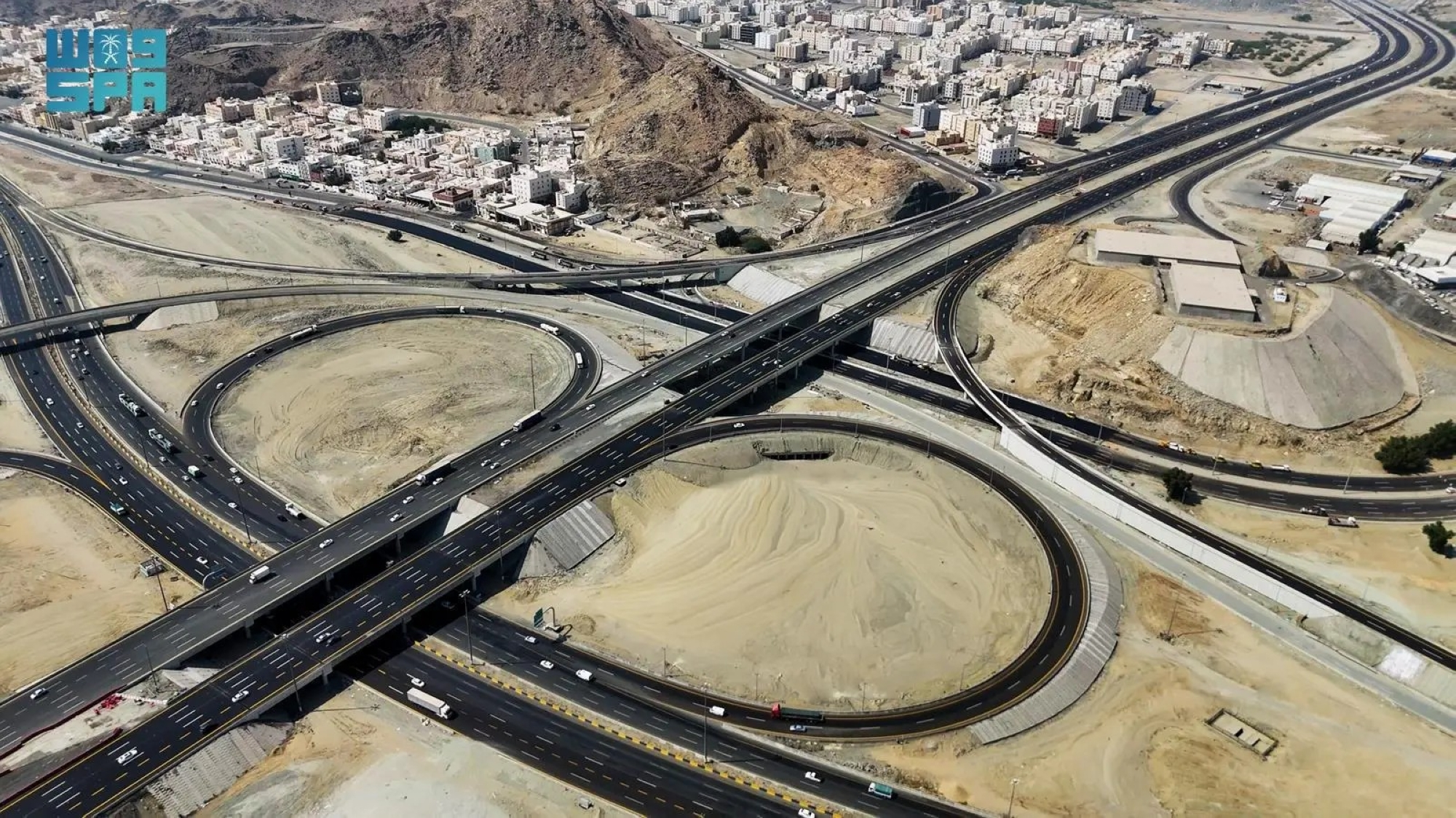
In a move reflecting the accelerating pace of development in the Holy City, the Royal Commission for Makkah and the Holy Sites announced a new qualitative achievement represented by the completion of the operation of the elements of the Fourth Ring Road intersection project with King Faisal Road (known as Al-Sail Road), ahead of the planned time date, which enhances the efficiency of the road network and supports the readiness of traffic to serve residents and visitors.
Project details and new routes
The official announcement included the activation and opening of direct lanes for vehicles coming from the Fourth Ring Road towards King Faisal Road in both directions (towards the Grand Mosque and towards Al-Sail). This step aims to improve connectivity between the main axes of the Holy City and increase the operational efficiency of one of the most vital intersections in Mecca, thus ensuring the smooth and easy flow of traffic.
The strategic importance of the Fourth Ring Road
The Fourth Ring Road project occupies a pivotal position in Makkah's transportation system, serving as a strategic link connecting various districts of Makkah with the holy sites (Mina, Arafat, and Muzdalifah). This ring road contributes to alleviating traffic congestion in the central area by diverting through traffic away from the city center, thus facilitating the movement of pilgrims during peak seasons.
The project's impact on traffic flow and Hajj and Umrah
The Al-Sail Road intersection is of particular importance as it is located at the eastern gateway to Mecca, receiving those arriving from Taif and the eastern and central regions, in addition to pilgrims arriving by land. This operation is expected to contribute to:
- Reduce travel time: by eliminating traffic congestion at previous intersection points.
- Improving safety: by separating traffic flow and reducing points of conflict between vehicles.
- Facilitating access to the holy sites: Supporting smooth access to the central area and the holy sites, which is vital, especially during the Hajj and Umrah seasons.
Integration with the Kingdom's Vision 2030
The early commissioning of this project reflects the efficiency of its planning and execution, as well as the integrated efforts of the relevant authorities. It is part of a package of infrastructure development projects underway in the Kingdom. These efforts directly contribute to achieving the goals of Vision 2030, specifically the Guests of God Service Program, which aims to facilitate the hosting of more Umrah and Hajj pilgrims and improve the quality of life for the residents of Makkah and visitors to the Holy Mosque by providing a world-class road network that ensures comfort and safety for all.
-

 Culture and Art, 1 week ago
The "Between and Between" exhibition in Jeddah: 5 artists reshape Saudi memory
-
Local News 6 days ago
Saudi Arabia's National Arabic Language Policy: 8 Principles to Promote Identity
-
Culture and Art, 1 week ago
Shakira's concert in Jeddah: Details of the international star's first concert in Saudi Arabia
-
Local News 5 days ago
Adopting the National Policy for the Arabic Language: Strengthening Identity and Vision 2030
-
Local News 6 days ago
The Riyadh-Rin-Bisha dual carriageway, spanning 559 km, has been completed
-
Culture and Art, 1 week ago
Ramez Level the Monster: Details of Ramez Galal's program in Ramadan 2026
-
Local news one week ago
Launch of the new Dammam project with investments of 98 billion riyals
-
Local news two days ago
Human Resources sets the date for the 2026 Founding Day holiday for both sectors