Local News
Saudi Arabia approves regulations for the continued presence of Gulf vehicles: duration and penalties
Learn about the new regulations for Gulf-registered vehicles remaining in Saudi Arabia. The Cabinet has set a maximum period of 90 days, along with the extension mechanism and penalties for violators.

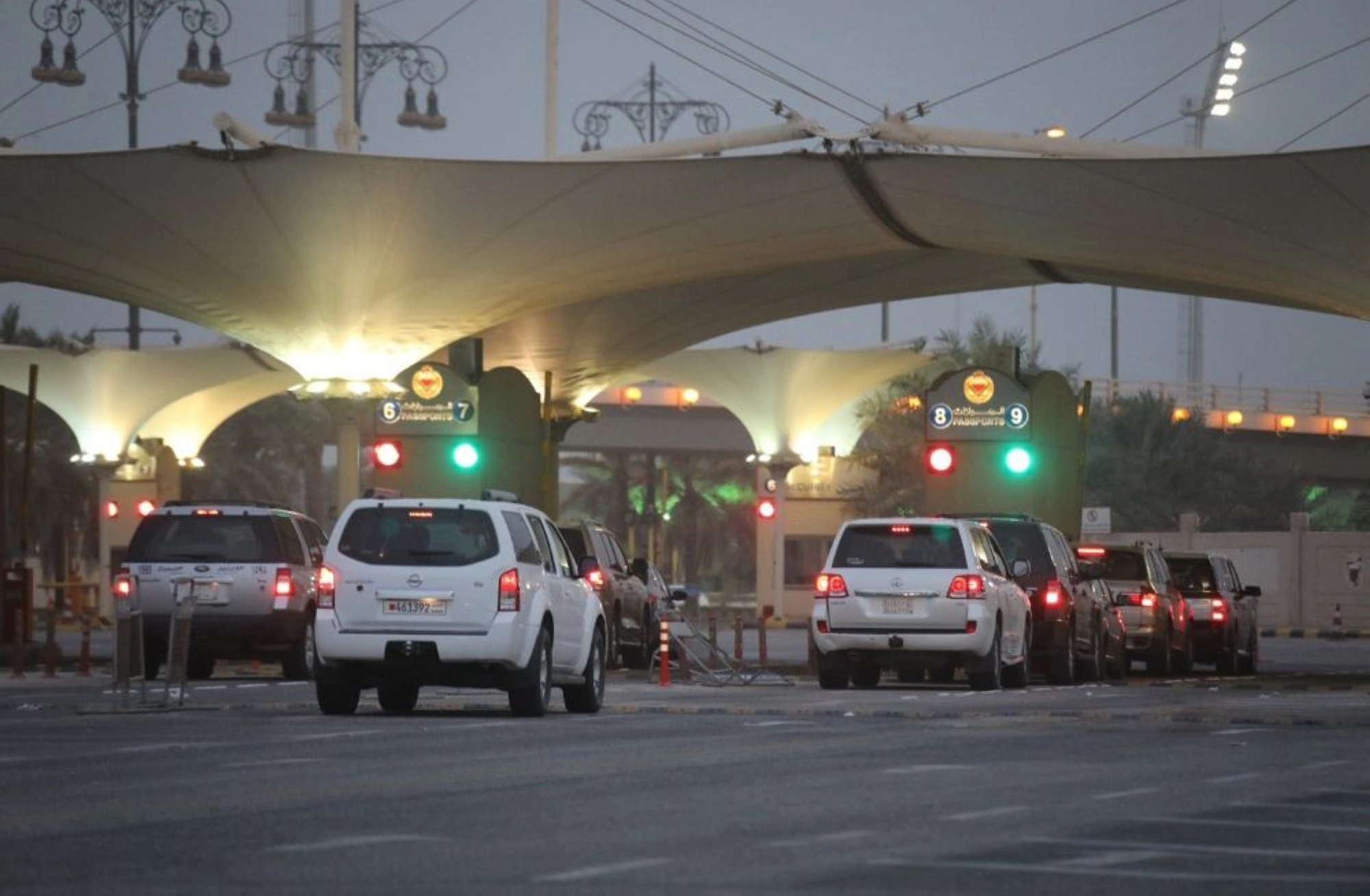
The Saudi Cabinet issued a new set of regulations outlining the mechanisms and timeframes for vehicles registered in Gulf Cooperation Council (GCC) countries to remain within Saudi Arabia. This step comes as part of the relevant authorities' efforts to regulate the movement of foreign vehicles and reduce the negative practices associated with these vehicles remaining for extended periods without regularization or local registration.
Permitted stay duration and calculation mechanism
According to the new decision, the maximum period a vehicle bearing Gulf license plates may remain in the Kingdom is limited to 90 days within a single year (365 days). The regulations clarify that this period applies whether the days are consecutive or not, with the actual count commencing from the date the vehicle crosses customs and enters Saudi territory. This regulation applies to vehicles owned by Saudi citizens or residents within the Kingdom, or those authorized to drive them, with one exception: vehicles rented from officially licensed rental companies in one of the GCC countries.
The context of the organization and its security and economic importance
These regulations are of paramount importance in the context of traffic management and security within the Kingdom. From a regulatory standpoint, the decision aims to close loopholes that some might exploit to circumvent local registration and periodic inspection procedures by using vehicles with foreign license plates for indefinite periods. This measure also enhances the ability of security and traffic authorities to detect violations and ensure road safety, as the prolonged presence of vehicles without updated entry data can hinder automated monitoring and accurate tracking.
At the regional level, this decision reflects the ongoing coordination between the Gulf Cooperation Council (GCC) countries in customs and traffic matters, while preserving the sovereignty of each country’s internal regulations regarding the use of roads and vehicles.
Extension procedures and prescribed penalties
To ensure flexibility in implementing the system, the new regulations allow for the extension of the vehicle's remaining period in certain cases. The vehicle owner or authorized driver can submit a formal request to the Ministry of Interior to extend the deadline before it expires. The request will be evaluated according to the Ministry's assessments and established procedures.
On the executive side, the Zakat, Tax and Customs Authority is responsible for providing the Ministry of Interior with all necessary data on transiting vehicles, while the driver is obligated to accurately record the data at the border crossing. The decision emphasized that exceeding the legally mandated period (90 days) without an extension constitutes a clear violation punishable under paragraph (5) of Article (68) of the Saudi Traffic Law. The Governor of the Zakat, Tax and Customs Authority is expected to issue detailed implementing regulations in coordination with the Ministry of Interior to ensure the optimal application of these controls.




Local News
Check Your Health Campaign in Al-Ula: 10 Free Preventive Checkups for Residents and Visitors
The Al-Ula Health Zone launched the "Check Your Health" campaign to provide 10 comprehensive preventive check-ups for residents and visitors, promoting early prevention and keeping pace with the Kingdom's Vision 2030 in healthcare.

In a move aimed at establishing a culture of prevention before treatment, the Al-Ula Health Zone launched a unique campaign under the slogan "Check Your Health," which comes as part of ongoing efforts to promote health awareness and encourage all members of the community to adopt a healthy lifestyle through preventive checkups and early detection. The launch took place in the presence of the Deputy Governor of Al-Ula Governorate, Mr. Talal Al-Faqeer, the Director of Prince Abdulmohsen Hospital in Al-Ula Governorate, Dr. Bayan Al-Ahmadi, along with a number of representatives from government agencies and local residents.
A complete package of medical tests
The initiative, targeting a wide segment including residents, visitors, and tourists in the governorate, offers a golden opportunity to check on health through 10 essential preventative tests. These tests are important because of their ability to diagnose chronic diseases in their early stages, facilitating proactive and effective management. The approved list of tests includes:
- Good cholesterol (HDL) test.
- Measuring blood pressure.
- Measuring heart rate.
- Blood oxygen saturation level.
- Calculating Body Mass Index (BMI).
- Fasting blood sugar test.
- Glycated hemoglobin (HbA1c) test.
- Total fat analysis.
- Testing for harmful cholesterol (LDL).
- Triglyceride test.
Promoting public health and keeping pace with Vision 2030
This campaign aligns with the objectives of the Health Sector Transformation Program, one of the programs under the Kingdom's Vision 2030, which focuses heavily on public health and disease prevention rather than simply treating existing conditions. Chronic diseases such as diabetes, hypertension, and heart disease are global health challenges, so making these screenings readily available contributes to improving the overall health indicators of Saudi society.
The campaign also gains special importance as it coincides with the holy month of Ramadan, when dietary habits and sleep patterns change, making it an ideal opportunity for beneficiaries to visit primary health care centers and review their vital signs, to ensure a healthy and safe fast.
The modern care model and the role of the family physician
The "Check Your Health" initiative falls under the modern Saudi healthcare model centered on the "family physician" in primary care centers. This model aims to facilitate access to high-quality and efficient healthcare services for beneficiaries and promote continuity of care and follow-up. By connecting individuals with a family physician and well-equipped primary care centers, the prevalence of chronic diseases and their complications is reduced, positively impacting quality of life.
Al-Ula, as a global and historical tourist destination, is an ideal model for implementing such initiatives that serve both visitors and residents, confirming that tourism development goes hand in hand with health and social development.
Local News
Al-Sudais: Ramadan is a source of inspiration and a catalyst for creating lasting impact
In his Friday sermon, Sheikh Al-Sudais emphasized that Ramadan is a comprehensive program for families and youth, and a station for purifying souls and creating a lasting impact, calling for investing the month in positive change.

In a spiritually uplifting atmosphere within the precincts of the Grand Mosque, the Imam and preacher of the Grand Mosque, His Excellency Sheikh Dr. Abdulrahman bin Abdulaziz Al-Sudais, affirmed that the blessed month of Ramadan transcends being merely a season for striving in fleeting acts of worship, becoming an integrated approach and a source of inspiration and creating a lasting impact in the lives of Muslims.
Ramadan: A comprehensive program for the family and community
During his Friday sermon, Sheikh Al-Sudais explained that the holy month of Ramadan represents a comprehensive program targeting all segments of society, from ambitious individuals to the Muslim family, which is the primary building block for future generations. He pointed out that this blessed season is a major opportunity for purifying the soul, refining behavior, and upholding noble Islamic values. He emphasized that the ultimate goal for which God ordained fasting is to achieve piety (taqwa), which is the foundation of righteousness and the well-being of both the individual and society.
Complementary roles: from child to woman
The Imam and preacher of the Grand Mosque detailed the roles assigned to each member of the family during this month, explaining:
- For children: An opportunity to instill the meanings of fasting and patience in their early awareness through engaging and attractive educational methods.
- For young people: a field to direct their vital energies towards active participation in Ramadan volunteering programs and community service.
- For the Muslim woman: She is described as the pillar of the family and the maker of stability in the home, making the month a season of renewal and change for the better.
Preserving the five necessities and the purposes of fasting
In discussing the objectives of Islamic law, Al-Sudais explained that fasting is not merely abstaining from food and drink, but rather a comprehensive act of worship aimed at regulating behavior and safeguarding one's limbs. He emphasized that one of the greatest objectives of this obligation is preserving the five necessities established by Islamic law: (religion, life, intellect, wealth, and honor). Fasting is an effective means of curbing desires, rectifying human conduct, and restraining the soul from forbidden acts, which positively impacts the security and stability of society.
Sustaining the impact after Ramadan
Sheikh Al-Sudais concluded his sermon by urging Muslims to maintain the positive impact of the holy month after its conclusion, warning against allowing worship to become merely seasonal, ending with the month's end. He emphasized that worship in Islam is a continuous way of life, and that the sign of acceptance of deeds is steadfastness in obedience and perseverance in good works. This transforms Ramadan from a mere annual tradition into an inspiring act of worship whose impact and rewards remain in this life and the hereafter, thus achieving lasting positive change in the Muslim's conduct.
Local News
Saudi Arabia weather today: Temperature drop and rain in several regions
Check today's weather forecast for Saudi Arabia. The Meteorology Department predicts a drop in temperatures in Tabuk, Al-Jawf, and the Northern Borders region, with chances of rain and fog in the highlands.

The National Center for Meteorology issued its daily weather report for Saudi Arabia today (Friday), indicating significant weather changes affecting several regions. The report included forecasts of a drop in temperatures accompanied by active winds that may reduce horizontal visibility, urging caution from citizens, residents, and highway users.
Weather details and affected areas
The center explained in its statement that the drop in temperatures will be concentrated mainly in the northern parts of the Kingdom, specifically in the Tabuk, Al-Jawf, and Northern Borders . These changes are part of the usual weather fluctuations in these areas, which are often the first point of entry for cold air masses coming from the north.
In a related context, the meteorological department highlighted the impact of active winds stirring up dust and sand, which may reduce horizontal visibility in parts of Riyadh, Qassim, and the Eastern Province . These weather phenomena are among the climatic features that require special attention from those with respiratory conditions and drivers in open areas.
Chance of rain and fog in the highlands
The report not only mentioned wind and low temperatures, but also indicated that there is still a chance of light rain in parts of the aforementioned regions, as well as parts of the highlands of Makkah, Al-Baha, Asir, and Jazan . The report also noted the possibility of fog forming in parts of the highlands of these regions, making it even more important to adhere to traffic safety guidelines while driving on slopes and mountain passes.
The geographical and climatic context of the Kingdom
The Kingdom of Saudi Arabia is characterized by a wide geographical and climatic diversity, with weather patterns varying between coastal, desert, and mountainous regions. The southwestern highlands (Asir, Al-Baha, and Jazan) play a prominent role in receiving rainfall and fog due to their geographical nature and elevation above sea level, while the northern and central regions are directly affected by surface winds and passing low-pressure systems.
The importance of following weather reports
The National Center for Meteorology is the official body authorized to issue weather forecasts and warnings in the Kingdom. These reports are of paramount importance in preserving lives and property, as they guide relevant authorities and the public in taking necessary precautions. Experts always advise following continuous weather updates through official channels, especially during periods of transitional weather fluctuations, to ensure public safety and avoid risks resulting from heavy dust storms, flash floods, or reduced visibility due to fog.
-
Local news one week ago
Human Resources sets the date for the 2026 Founding Day holiday for both sectors
-
Sports one week ago
Al-Shabab crushes Hadramout Solidarity 13-0 and qualifies for the Gulf Cup semi-finals
-

 Culture and Art, 1 week ago
The ban on the Hamdiya series in Iraq: Reasons and official response
-
Local News 4 days ago
The Ministry of Interior begins procedures for a royal pardon for common law prisoners
-
Culture and Art, 1 week ago
The series "Taht El Ard" (Underground) has been postponed and will not air during Ramadan 2026
-
Culture and Art, 1 week ago
Ramez Level the Monster promo: Prank details and list of victims this Ramadan
-
Reports one week ago
King Salman Relief Center's Ramadan aid includes 9 countries
-
Local news one week ago
19 requirements to reduce dust from projects in Riyadh and fines for violators