Local News
The cloud seeding program has been successful in increasing rainfall in northeast Riyadh
The success of cloud seeding northeast of Riyadh strengthens hopes for increased rainfall in the summer and highlights the technological progress in achieving the program's ambitious goals.

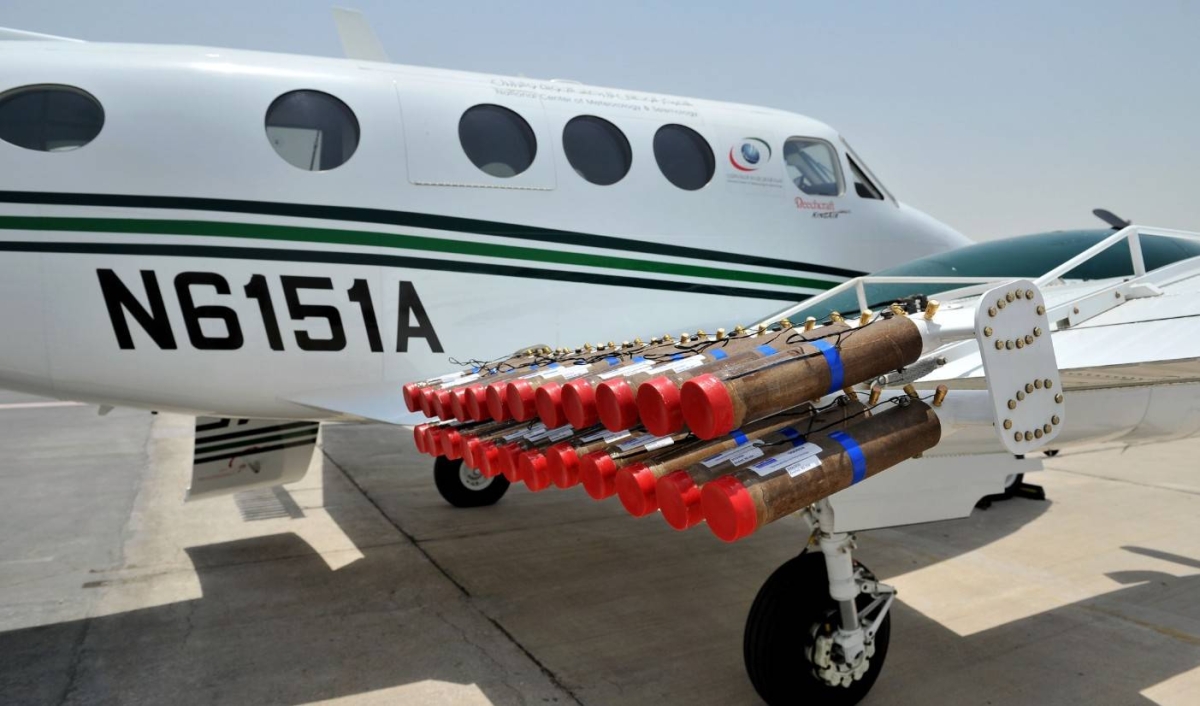
Cloud seeding experiment successful in Riyadh region
The regional cloud seeding program announced the successful completion of its first operation in the Rumah Governorate, located northeast of Riyadh. This operation is the first of its kind to be carried out in the central region during the summer season.
This operation was carried out after a thorough study of meteorological data and direct monitoring by a specialized research team. This success demonstrates the program's technological advancement and operational readiness, and is part of its expansion plans to increase rainfall in various regions of the Kingdom.
What is cloud seeding?
Cloud seeding is a technique that aims to increase rainfall by modifying the natural processes of clouds. This is done by spraying certain substances, such as silver iodide or salt, into the clouds to stimulate the formation of raindrops.
This technology can be particularly useful in arid or water-scarce regions, helping to improve water resources and increase agricultural production.
How does cloud seeding affect our daily lives?
The continued use of cloud seeding technology could have a significant impact on our daily lives. For example, increased rainfall could improve water availability for drinking and agriculture, leading to better food security and reduced reliance on non-renewable water sources.
In drought-stricken areas, this technology can help mitigate the effects of water scarcity and improve the quality of life for local populations. It may also contribute to increased vegetation cover and the preservation of biodiversity.
Challenges and the future
Despite the potential benefits of cloud seeding, there are some challenges associated with this technique. The high cost of implementing the operations and ensuring their effectiveness may hinder their widespread adoption.
However, with continued technological advancements and scientific research, this technology may become more efficient and cost-effective in the future. New methods can also be developed to improve the accuracy and effectiveness of cloud seeding operations.
Summary
Cloud seeding represents a significant step towards improving water resource management . The success of the first trial in the Riyadh region reflects the great potential of this technology and its possible positive impact on society and the environment.
With continued research and development , cloud seeding technology could play a vital role in addressing the challenges of climate change and water scarcity around the world.




Local News
SDAIA: Artificial intelligence curricula in education and Ihsan platform figures
SDAIA announces the integration of artificial intelligence curricula in all stages of education, and reveals that donations from the Ihsan platform have reached 14 billion riyals with a record speed in delivering donations to those in need.

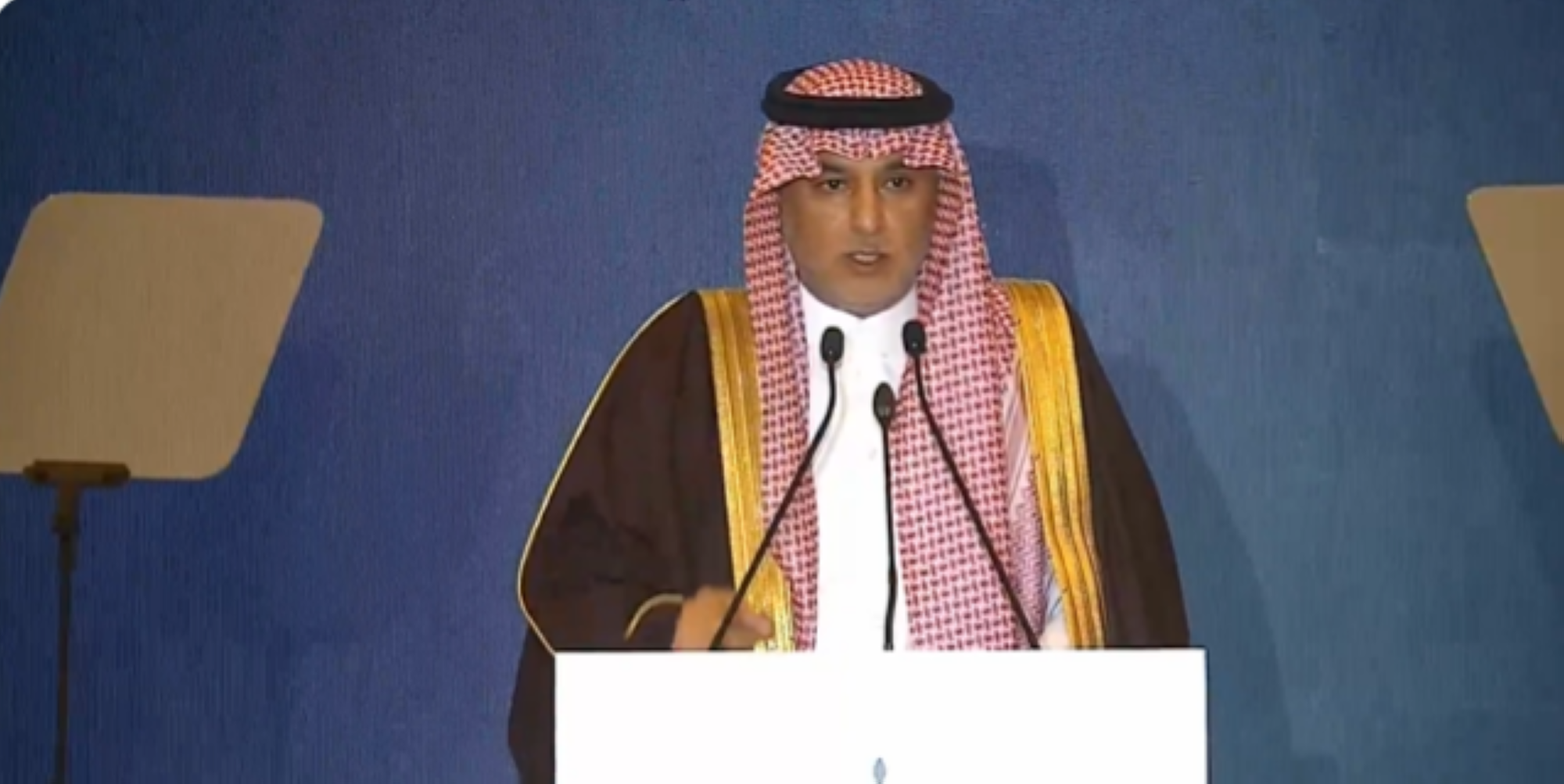
His Excellency the President of the Saudi Data and Artificial Intelligence Authority (SDAIA), Dr. Abdullah bin Sharaf Al-Ghamdi, revealed an anticipated qualitative leap in the Saudi education sector, stressing that the Authority worked closely with the National Center for Curricula to author and develop curricula specializing in artificial intelligence, to be integrated into the educational system.
Integrating artificial intelligence into education: A vision for the future
During his remarks at today's government press conference, Al-Ghamdi explained that these curricula will not be rigid, but will undergo automatic and continuous updates to keep pace with rapid global technological advancements. He indicated that these curricula will encompass all educational levels in the coming years, with expectations that they will be made available to everyone online, thus enhancing opportunities for self-directed and lifelong learning.
This strategic direction aligns with the goals of the Kingdom's Vision 2030, which places great emphasis on developing human capital and equipping students with the skills of the future. Integrating artificial intelligence into education is a pivotal step towards building a generation capable of competing globally in the fields of technology and innovation, and solidifying the Kingdom's position as a global hub for data and artificial intelligence.
Ihsan Platform: A global model in charitable work
On the humanitarian front, the head of SDAIA highlighted the unprecedented achievements of the Ihsan platform, noting that charitable work is an inherent characteristic of the Kingdom and its people since the era of its founder. He emphasized that the platform was launched based on three main pillars: reliability, transparency, and ease of use, which has contributed to strengthening trust between donors and beneficiaries.
Al-Ghamdi highlighted the platform's record-breaking achievements, noting that donations through Ihsan take no more than five seconds, reflecting the efficiency of the platform's digital infrastructure. Total donations through the Ihsan Endowment Fund have exceeded two billion riyals, benefiting more than 2,400 charitable organizations across the Kingdom.
Figures reflect the scale of the donation
In detailing the scale of donations, Al-Ghamdi explained that total donations through the "Ihsan" platform since its launch have reached 14 billion riyals, collected through 330 million donation transactions. In 2025 alone, total donations reached 4.5 billion riyals through 135 million transactions, an astonishing rate of 4 donations per second, and an average daily donation of 12 million riyals.
Strict governance and ensuring donations reach their intended recipients
The head of SDAIA concluded his remarks by emphasizing the presence of supervisory bodies and subcommittees working to ensure the highest standards of governance in charitable work through the platform. He noted that donations reach their beneficiaries within a record time of no more than 72 hours from the moment of donation. He also highlighted the role of the "Istihqaq" platform, which enables charitable organizations to accurately verify the eligibility of beneficiaries, thus ensuring that Zakat and Sadaqah funds are directed to the most needy groups with complete transparency and fairness.
Local News
SDAIA: AI curricula and charitable donations exceed 14 billion
The head of SDAIA announces artificial intelligence curricula for all educational stages, and reveals that donations from the Ihsan platform have reached 14 billion riyals with advanced technical support.

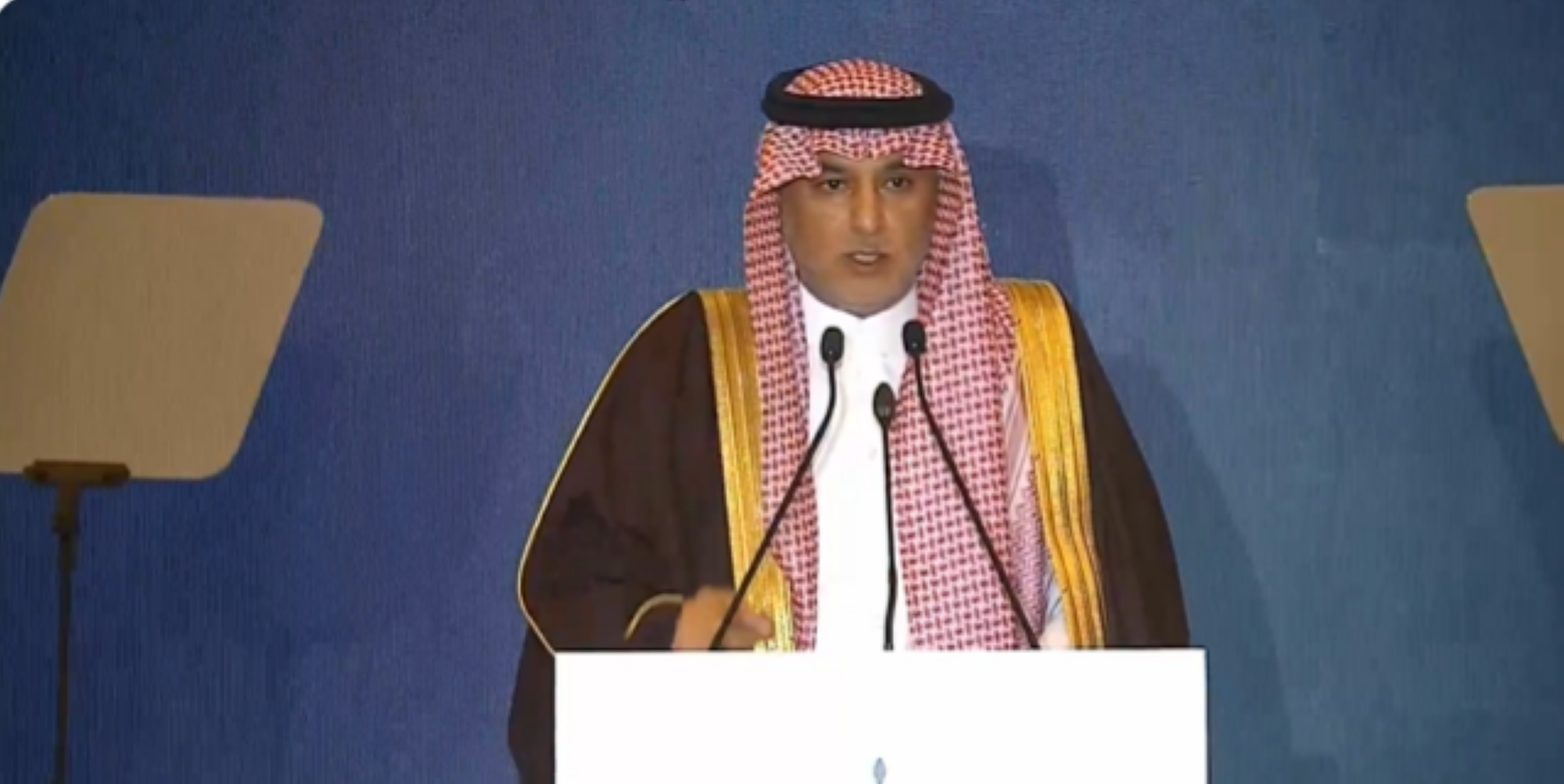
In a strategic move reflecting the accelerating digital transformation in Saudi Arabia, His Excellency Dr. Abdullah bin Sharaf Al-Ghamdi, President of the Saudi Data and Artificial Intelligence Authority (SDAIA), revealed the Kingdom's intention to radically integrate artificial intelligence technologies into the education system. During a government press conference held today, Al-Ghamdi emphasized that SDAIA is working in close collaboration with the National Center for Curricula, not only to develop specialized AI curricula but also to leverage the capabilities of these advanced technologies in the very process of preparing and developing the curricula themselves.
The head of SDAIA explained that these new curricula will cover all stages of general education, indicating a qualitative leap in equipping future generations with essential skills. He added that the curricula will feature automatic updates to keep pace with rapid technological advancements, with the expectation that they will be made available to everyone online. This step aligns with the objectives of the Kingdom's Vision 2030, which prioritizes human capital development and the transition to a knowledge-based digital economy, as the Kingdom seeks to solidify its position as a global hub for technology and innovation.
On another note, Al-Ghamdi discussed the role of data and artificial intelligence in enhancing charitable work, pointing out that the national "Ihsan" platform for charitable work has become a global model for harnessing technology to serve humanity. He emphasized that charitable work is an inherent characteristic of Saudi society since the era of the founder, and that "Ihsan" was established to strengthen this aspect through the pillars of "reliability, transparency, and ease of use.".
Al-Ghamdi revealed record-breaking figures achieved by the platform, with total donations exceeding 14 billion Saudi riyals, made through more than 330 million donation transactions. He highlighted the platform's high technical efficiency, noting that the donation process takes no more than 5 seconds, while donations reach their beneficiaries within 72 hours. He also pointed out that the Ihsan Endowment Fund has exceeded 2 billion riyals and serves approximately 2,400 charitable organizations across the Kingdom.
Regarding the performance in 2025, Al-Ghamdi explained that donations reached 4.5 billion riyals through 135 million transactions, an astonishing rate of 4 transactions per second, and an average daily donation of 12 million riyals. He concluded by emphasizing the platform's rigorous governance through supervisory committees, highlighting the role of the "Istihqaq" platform, which uses data to verify beneficiaries' eligibility, ensuring that support reaches those who need it most accurately and transparently.
Local News
Working remotely in Islamic affairs during Ramadan: Details and regulations
Details of the decision of the Minister of Islamic Affairs to implement remote work at a rate of 50% for the ministry's employees in Riyadh during Ramadan, and the implementation mechanism in a way that serves the interest of work and digital transformation.

In a move aimed at enhancing the flexibility of the government work environment and employing modern technology to serve the public interest, the Minister of Islamic Affairs, Call and Guidance, Sheikh Dr. Abdul Latif bin Abdul Aziz Al Sheikh, issued an administrative decision to regulate administrative work during the holy month of Ramadan for the employees of the Ministry’s headquarters in the capital, Riyadh.
The ministerial decision included a directive to partially implement a remote work system, stipulating that the percentage of employees working remotely should not exceed 50% of the total staff of agencies and departments affiliated with the Ministry's headquarters in Riyadh. The decision emphasized the necessity of adhering to regulatory frameworks and precisely defining work schedules, while submitting employee rosters to the General Directorate of Human Resources to ensure the smooth continuation of work.
Implementation mechanism and work controls
To ensure continued productivity and uninterrupted service delivery, the decision stipulates providing all necessary technical and technological support to the employees covered by it, along with ongoing and rigorous performance monitoring. The directive also includes a crucial provision allowing for the immediate recall of employees to their workplaces when needed and in accordance with the exigencies of the work, thus balancing job flexibility with professional commitment.
Keeping pace with digital transformation and the Kingdom's Vision 2030
This decision is consistent with the tremendous development that the Kingdom of Saudi Arabia is witnessing in the field of e-government and digital transformation, which is one of the pillars of the Kingdom’s Vision 2030. The digital infrastructure of Saudi government agencies has proven its high efficiency in recent years, making the option of remote work a successful strategic option that contributes to the continuity of business without the need for full physical presence in headquarters, especially during periods that require flexibility such as the holy month of Ramadan.
Social and organizational dimensions of the decision
This decision has multiple positive dimensions. From a social perspective, it facilitates matters for employees during the holy month, positively impacting their mental health and balance between work and religious observance. On an organizational and local level in Riyadh, reducing the number of employees commuting to their workplaces indirectly contributes to alleviating the traffic congestion that the capital typically experiences during peak hours in Ramadan.
This approach reflects Minister Al-Sheikh’s keenness to develop the institutional work environment and raise the efficiency of performance, taking advantage of the technological leap that the ministry has achieved in managing its work and advocacy services, and expanding its programs locally and internationally in preparation for the month of Ramadan for the year 1447 AH.
-

 Culture and Art 5 days ago
The "Between and Between" exhibition in Jeddah: 5 artists reshape Saudi memory
-
Culture and Art 6 days ago
Shakira's concert in Jeddah: Details of the international star's first concert in Saudi Arabia
-
Local News 3 days ago
Saudi Arabia's National Arabic Language Policy: 8 Principles to Promote Identity
-
Culture and Art, 1 week ago
The truth about Nancy Ajram's video and Epstein Island, and her legal response
-
Local news two days ago
Adopting the National Policy for the Arabic Language: Strengthening Identity and Vision 2030
-
Culture and Art, 1 week ago
Rawan Bin Hussain's first appearance after her imprisonment and deportation from Dubai
-
Local News 3 days ago
The Riyadh-Rin-Bisha dual carriageway, spanning 559 km, has been completed
-
Culture and Art, 1 week ago
Abla Kamel returns in Ramadan 2026 with a surprise alongside Menna Shalaby and Yasmine Abdel Aziz