Local News
New training tracks on the Rafed Al-Haramain platform in 35 languages
Learn about the details of launching new tracks through the Rafed Al-Haramain platform, which includes 24 training packages and 35 languages, with the aim of developing the system of services provided to the guests of God and achieving Vision 2030.

In a strategic move aimed at enhancing the services provided to pilgrims visiting the Two Holy Mosques, new tracks have been launched within the "Rafid Al-Haramain" platform. These include the addition of 24 specialized training packages and making the content available in 35 international languages. This significant development comes as part of ongoing efforts to empower staff and volunteers at the Two Holy Mosques and equip them with the necessary skills to provide the highest quality services to the pilgrims.
Enhancing linguistic competence and intercultural communication
The inclusion of 35 languages in the new pathways represents a significant leap forward in communicating with visitors, pilgrims, and Umrah performers. Given the immense cultural and linguistic diversity present at the Grand Mosque and the Prophet's Mosque, breaking down language barriers is a cornerstone of enhancing the visitor experience. This initiative aims to ensure that religious and organizational information and guidance are clearly accessible to every visitor in their native language, facilitating their performance of rituals with ease and peace of mind, and reinforcing the Kingdom's message of promoting tolerance and moderation globally.
Diversification of training packages and development of human resources
The 24 new training packages encompass a wide range of disciplines covering legal, behavioral, and skills-based aspects, in addition to security and safety procedures and crowd management. This expansion of training content focuses on building the capacity of field personnel, whether official staff or volunteers, to ensure they can professionally handle various situations that may arise during peak seasons such as Ramadan and Hajj.
The context of the Kingdom's Vision 2030 and the Guests of God Service Program
This achievement cannot be separated from the broader context of the Kingdom’s Vision 2030, specifically the Guests of God Service Program, which aims to facilitate the hosting of more Umrah pilgrims and ease their access to the Two Holy Mosques, while providing high-quality services. Investing in human capital through advanced digital platforms like “Rafid Al-Haramain” is a key enabler for achieving the ambitious goals of the Vision, which seeks to receive 30 million Umrah pilgrims annually by 2030.
Digital transformation in the service of the Two Holy Mosques
The “Rafid Al-Haramain” platform exemplifies the digital transformation underway at the General Authority for the Care of the Grand Mosque and the Prophet’s Mosque. By automating training and providing it remotely, the Authority ensures the continuity of the educational process and the rapid qualification of the growing number of service providers, which positively reflects on the Kingdom of Saudi Arabia’s civilized image and its tireless efforts in serving Islam and Muslims.




Local News
33,000 health services provided to Umrah pilgrims during Ramadan 1447 AH: Numbers and details
Learn about the efforts of the Saudi Ministry of Health during Ramadan 1447 AH, where 33,900 health services were provided to pilgrims, including surgeries and emergencies, within the Kingdom’s Vision 2030 programs.

In an achievement reflecting the efficiency and high level of preparedness of the Saudi Arabian healthcare sector, the system successfully provided comprehensive medical care to pilgrims and visitors to the Grand Mosque in Mecca. The total number of healthcare services provided exceeded 33,900, including treatment and emergency care, from the start of the 1447 AH Umrah season until the tenth day of Ramadan. These efforts are part of the Kingdom's ongoing commitment to facilitating access to healthcare and ensuring its delivery according to the highest international standards of quality and safety.
Accurate statistics reflecting the scale of the work
Official data released by the Ministry of Health revealed details of the services provided, which were characterized by their diversity and comprehensiveness, covering all the medical needs of pilgrims. The statistics included the following figures:
- Surgical operations: 140 delicate surgical operations were performed in multiple specialties.
- Cardiac interventions: The operations included 64 cardiac catheterization procedures, reflecting the high readiness to deal with critical and emergency cases with extreme speed to save lives.
- Hospitalization cases: Hospitals and medical centers received 1451 cases that required hospitalization and clinical care.
- Emergency services: The emergency departments efficiently handled 19,200 visits, highlighting the large capacity of health facilities in Makkah.
- Primary care: Approximately 13,000 pilgrims benefited from the services of primary health care centers located around the Two Holy Mosques and the holy sites.
Vision 2030 and the Guests of God Service Program
These figures are not a coincidence, but rather the result of meticulous strategic planning perfectly aligned with the goals of the Kingdom's Vision 2030, specifically through the "Health Sector Transformation" and "Pilgrims Service Program." These programs aim to bring about a qualitative leap in the experience of pilgrims, not only on a spiritual and organizational level, but also on a health level, to ensure that pilgrims perform their rituals with peace of mind and ease, enjoying the best possible care.
The integration of the health system and the importance of the oversight role
These tremendous efforts continue through integrated coordination and complete harmony among the various components of the healthcare system (the public, private, and non-profit sectors) to ensure the sustainability and quality of services. In this context, the Ministry of Health plays a pivotal, dual role: it oversees services to enhance their efficiency in line with its national strategy, while simultaneously exercising rigorous regulatory oversight to promote compliance with approved medical protocols and standards. This integration ensures service discipline and increases pilgrim satisfaction, reinforcing the Kingdom's leading position in crowd management and healthcare provision during major religious seasons.
Local News
The Governor of Najran is overseeing the hosting of stranded Gulf nationals in accordance with directives
The Governor of Najran and his deputy are following up on the procedures for hosting stranded citizens of the Gulf Cooperation Council countries and providing them with care, in implementation of the directives of the wise leadership.

As part of the wise leadership’s continued commitment to strengthening the bonds of brotherhood and Gulf unity in the Kingdom of Saudi Arabia, His Royal Highness Prince Jalawi bin Abdulaziz bin Musaed, Governor of Najran Region, and His Royal Highness Prince Turki bin Hathloul bin Abdulaziz, Deputy Governor, continue their close and continuous monitoring of all procedures related to hosting stranded citizens of the Gulf Cooperation Council countries.
These intensive efforts come in implementation of the generous directives of the Custodian of the Two Holy Mosques and His Crown Prince, which stipulate the necessity of hosting the Gulf brothers stranded in the Kingdom’s airports and ports, and providing them with all forms of support and care, reflecting the depth of the historical and deep-rooted relations between the Kingdom and its sister countries of the Council.
Forming specialized work teams to ensure guest comfort
His Royal Highness the Prince of Najran has directed the formation of a specialized team within the region's emirate, whose primary task is to directly oversee and ensure all necessary arrangements are in place to guarantee the comfort of our Gulf brothers. This team works around the clock to ensure the provision of suitable accommodations and essential living and health services, guaranteeing that our guests spend their stay in their second home, the Kingdom, with the utmost respect and dignity among their family and brothers.
Strategic and humanitarian dimensions of Saudi-Gulf relations
This gesture carries profound implications that extend beyond mere protocol; it underscores the enduring principle of Saudi policy: the "unity of destiny" among the Gulf Cooperation Council (GCC) states. Based on its leading Islamic and regional role, the Kingdom of Saudi Arabia has consistently treated citizens of other Gulf states as Saudi citizens, particularly during times of crisis or exceptional circumstances that may disrupt travel.
The care shown to those stranded in the Najran region is not surprising, as the region and its inhabitants are known for their hospitality and generosity. This aligns perfectly with official directives to treat them with respect until suitable conditions are in place for their safe return home. This high-level governmental attention reflects the Kingdom's commitment to its responsibilities towards its Gulf neighbors and its concern for the safety and well-being of everyone within its borders.
Integration of government efforts
Efforts are being coordinated between the Najran region and various relevant government sectors, including health, security, and airports, to implement these directives with precision and professionalism. All logistical and human resources are being mobilized to overcome any obstacles that may face stranded citizens, thus reinforcing the Kingdom's image as a secure haven and a safe haven, and demonstrating to the world the strength of the Gulf Cooperation Council and the solidarity of its members in all circumstances.
Local News
UAE Civil Aviation Authority activates emergency plans at airports
The UAE General Civil Aviation Authority announces the activation of emergency plans in coordination with airports and national carriers to ensure the safety of passengers and the regular return of air traffic.
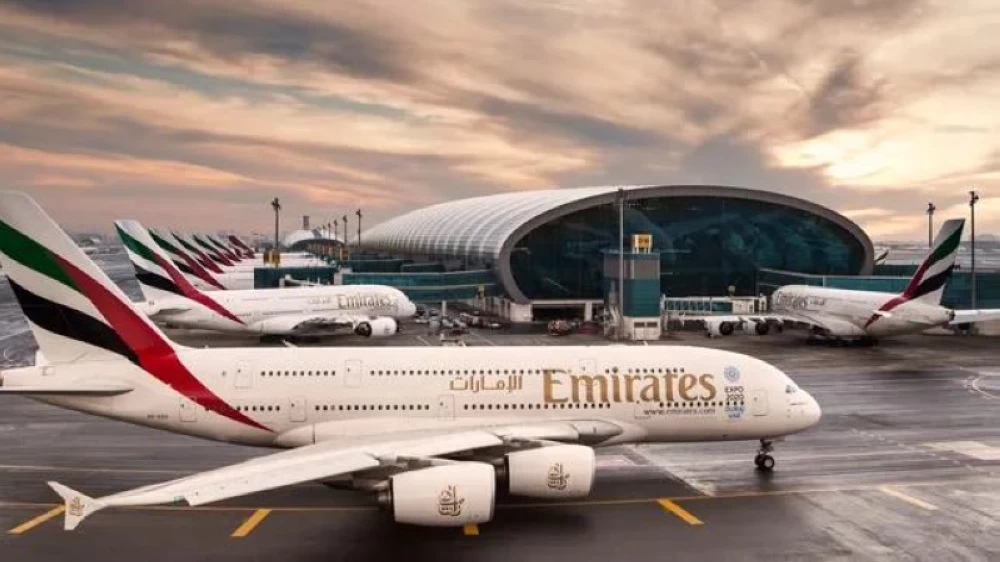
The General Civil Aviation Authority of the United Arab Emirates announced that it is intensifying its field and administrative efforts, in direct and continuous coordination with all airports and national carriers, with the aim of activating approved emergency plans to ensure the continuity of operational processes in the various airports of the country with high efficiency.
The authority confirmed, in an official tweet published today (Sunday) via its account on the social media platform “X”, its full commitment to providing all forms of necessary support to travelers, and working diligently to ensure the safe and regular return of air traffic in all airports of the country, in a way that ensures the safety of passengers and property.
The importance of the aviation sector in the UAE and the context of the event
This announcement reflects the UAE's ongoing commitment to maintaining its global standing as a pivotal hub for international aviation. The UAE is not merely a transit point, but a vital artery connecting East and West, with its airports, most notably Dubai International Airport and Zayed International Airport, being among the busiest and most dynamic in the world. Therefore, any action taken to activate emergency plans is not simply a response to a temporary emergency, but rather part of a comprehensive national strategy for crisis management and ensuring the resilience of critical infrastructure.
Coordination mechanisms and role integration
In such circumstances, the General Civil Aviation Authority relies on precise protocols for cooperation with major national carriers such as Emirates, Etihad Airways, Flydubai, and Air Arabia. This coordination includes flight scheduling, passenger flow management, and the provision of necessary logistical services to minimize waiting times or delays that may result from any exceptional operational or weather conditions. The integration of roles between regulatory bodies (the Authority) and operational entities (airports and airlines) is the cornerstone of the sector's rapid response to any changes.
Economic impact and safety standards
Economically, the aviation sector is a cornerstone of the UAE's non-oil economy, contributing significantly to the country's GDP. Ensuring the continuity of air traffic therefore reinforces investor and tourist confidence in the UAE's efficiency and ability to manage complex logistical operations under any circumstances. Furthermore, the General Civil Aviation Authority (GCAA) prioritizes safety above all else, adhering to the highest international standards set by the International Civil Aviation Organization (ICAO), making UAE airspace among the safest and most regulated in the region and the world.
In conclusion, through these proactive measures, the Authority seeks to reassure the traveling public that all specialized teams are working around the clock to overcome any challenges and ensure their safe and secure arrival at their destinations.
-

 Local News 4 days ago
Saudi Arabia approves regulations for the continued presence of Gulf vehicles: duration and penalties
-
Local News 7 days ago
The Ministry of Interior begins procedures for a royal pardon for common law prisoners
-
Local news two days ago
Jeddah Airport alerts for travelers due to airspace closure and flight disruptions
-
Politics, one week ago
Trump plans to create a $2 billion alternative to the World Health Organization
-
Local News 6 days ago
The deadline for property registration in Hail and Riyadh is Thursday
-
Sports one week ago
Tickets for the Al-Ahli vs. Al-Hilal King's Cup match postponed: New date
-
Local News 6 days ago
Under the patronage of the Minister of Information, an agreement was signed between the Ministry of Information and Waves Marketing Company
-
Culture and Art 5 days ago
The Devil's Prisons series was halted: The full story of "The Emperor's" being moved to YouTube