Local News
New regulations for issuing well drilling licenses on the sedimentary shelf
The Minister of Environment, Agriculture and Water, Engineer Abdulmohsen Al-Fadhli, issued a decision approving the regulations for issuing licenses to drill new wells

New decision regarding well drilling for agricultural and livestock projects
The Minister of Environment, Agriculture and Water, Engineer Abdulmohsen Al-Fadhli, issued a decision aimed at regulating the process of drilling new wells on the sedimentary shelf, which is known as non-renewable groundwater, in order to serve specialized agricultural and animal projects.
The Ministry's Water Agency is responsible for updating the regulations governing the issuance of these licenses, with the possibility of exceptions in certain cases in accordance with the Water Law and its implementing regulations. This decision shall take effect from the date of its publication in the Official Gazette and shall supersede any previous conflicting decisions.
Details of the new regulations
The regulations comprise eight main articles. The first article permits the drilling of new wells for licensed agricultural and livestock projects that consume limited quantities of water. These projects include: poultry and similar projects, livestock fattening projects, poultry slaughterhouses, red meat and feed factories, as well as vertical and hydroponic farming and greenhouses.
Important exceptions: Certain aquifers experiencing a sharp drop in water levels or containing drinking water projects and intensive agricultural activity are excluded. These include the Al-Manjur aquifer in areas such as Al-Muzahmiya and Dhurma, the Al-Wajid aquifer in Wadi Al-Dawasir, the Al-Tawil aquifer in Basita, and sites near the Al-Saq aquifer outcrops in Riyadh, Al-Qassim, Hail, and Tabuk.
Land ownership conditions
According to Article 3 of the new regulations, the land used for these projects must be owned by its current owners with valid and up-to-date title deeds. Long-term leases (10 years) may also be used, provided they are notarized and endorsed by the Ministry of Justice or issued by the Ministry itself.
The importance of the decision and its expected impact
Water Resources Management: This decision aims to improve the management of non-renewable water resources and ensure their sustainable use to support the agricultural and livestock sectors without negatively impacting future water reserves.
Supporting sustainable development: The resolution promotes sustainable development by encouraging projects that use modern agricultural technologies such as vertical and hydroponic farming, which are more efficient in using water compared to traditional methods.
Maintaining ecological balance: By carefully identifying the exempted areas according to current water maps and assessing water levels therein, the decision seeks to maintain ecological balance and prevent the irresponsible depletion of natural resources.
Practical tips for farmers and entrepreneurs
Good planning: Before starting any agricultural or livestock project that requires digging new wells, make sure you fully understand the specific controls and conditions and ensure that your project site is not located within the excluded areas.
Using modern technologies: Adopting modern technologies such as vertical and hydroponic farming can greatly reduce water consumption and increase productivity, contributing to achieving your project's environmental and economic sustainability goals.




Local News
Maintenance of bridges and tunnels in Medina to enhance road safety and efficiency
The Madinah Municipality has completed comprehensive maintenance of 10 bridges and 10 tunnels, as part of its efforts to improve infrastructure and raise the quality of life for residents and visitors in line with Vision 2030.
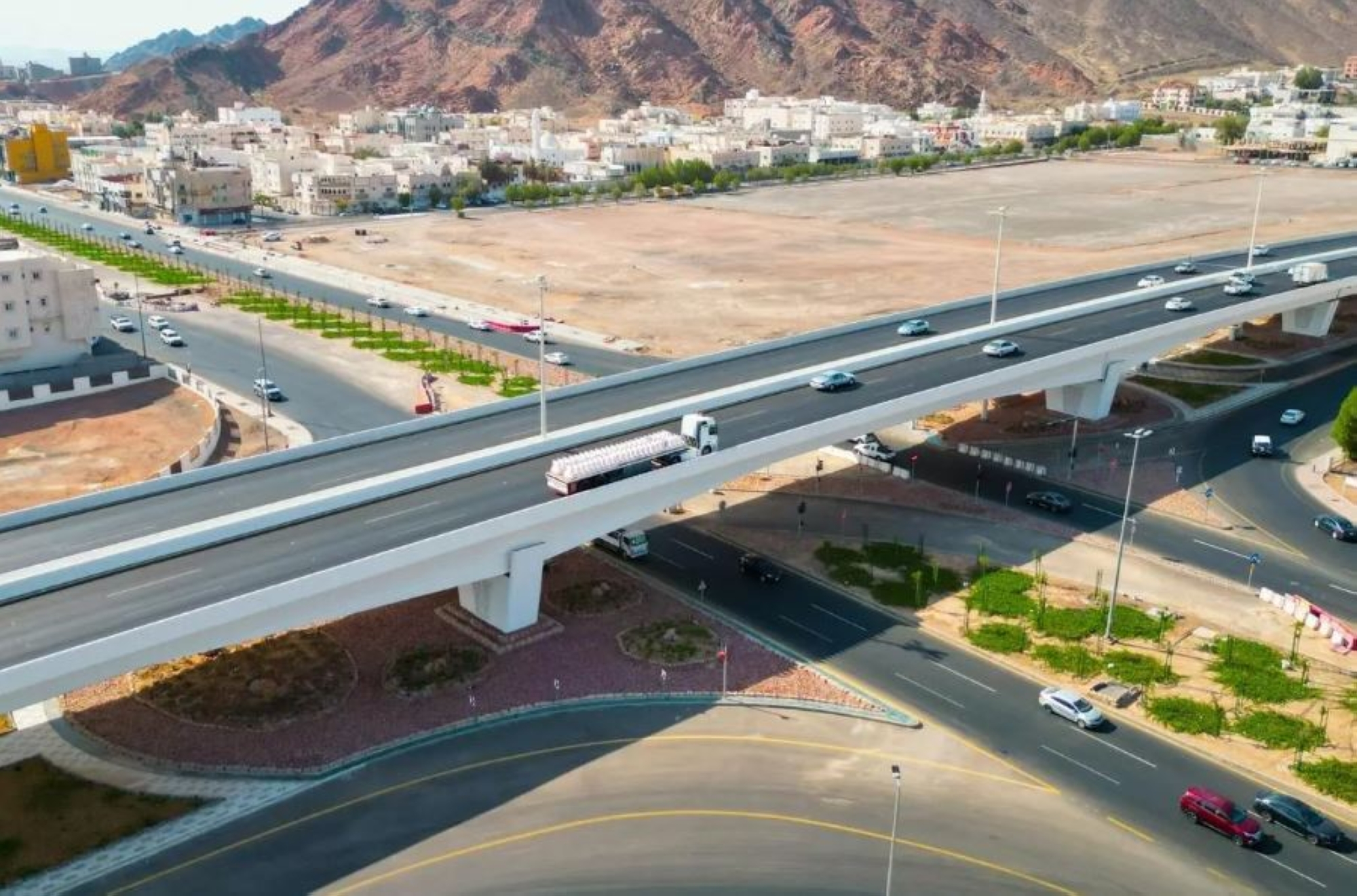
The Municipality of Madinah announced the completion of a series of intensive maintenance and cleaning works during December 2025, which included 10 pedestrian bridges and 10 vital tunnels throughout the city. These efforts are part of the Municipality's ongoing operational plans aimed at enhancing infrastructure efficiency, strengthening traffic safety standards, and improving the quality of municipal services provided to both residents and visitors.
These projects are of particular importance given Medina's status as one of the world's most important religious destinations, receiving millions of visitors annually for Hajj and Umrah pilgrimages and to visit the Prophet's Mosque. This massive influx of people places constant pressure on the road network and public facilities, making regular and preventative maintenance vital to ensuring smooth traffic flow and the safety of all. These projects align with the goals of Saudi Vision 2030, which focuses on improving the quality of life in Saudi cities and developing their infrastructure to accommodate population growth and the increasing number of visitors.
The completed works included comprehensive maintenance of ten pedestrian bridges and ten tunnels, as well as extensive cleaning operations that removed debris from an area exceeding 12,000 square meters. Maintenance was also carried out on 97 water pumps, a vital proactive measure to address the rainy season. The efforts also encompassed the maintenance of 372 linear meters of expansion joints and the execution of road works spanning 2 kilometers, contributing to improved road conditions and a reduction in potholes and cracks.
The direct impact of these projects extends beyond simply improving the city's urban landscape; it encompasses other vital aspects. The maintenance of bridges and tunnels enhances public safety and reduces the likelihood of accidents, while the cleaning and waste removal operations, which amounted to approximately 990 cubic meters, contribute to promoting public health and maintaining a clean and attractive environment. All these elements combine to achieve the strategic goal of raising the quality of life for the residents of Medina and providing a distinctive and safe experience for pilgrims.
The Municipality of Madinah affirms that these works are but one part of a comprehensive system of development projects and plans it is continuously working on. Through these efforts, the Municipality aims to ensure the sustainability of the infrastructure and its ability to keep pace with future developments, thereby solidifying Madinah's position as a modern, advanced city that provides the best services to its residents and visitors, and achieves the highest standards of safety and well-being.
Local News
Saudi Airlines aims to attract 150 million tourists as part of Vision 2030
Learn about the details of the partnership between Saudi Airlines and the Tourism Authority to achieve the goals of Vision 2030 tourism, and to receive 150 million visitors by 2030.
Strategic partnership to support national tourism
In an ambitious move reflecting Saudi Arabia's commitment to achieving its tourism goals, the Saudi Airlines Group announced its strategic partnership with the Saudi Tourism Authority, which aims to welcome approximately 27 million tourists and visitors from outside the Kingdom during 2025. This partnership comes as part of a broader plan that aims to reach 150 million tourists by 2030, a figure that reflects the great confidence in the potential of the Kingdom's tourism sector.
An integral part of Saudi Vision 2030
These initiatives fall under the broader framework of Saudi Vision 2030, launched by Crown Prince Mohammed bin Salman to diversify the national economy and reduce its reliance on oil. The tourism sector is a key pillar of this vision, as the Kingdom aims to become one of the world's leading tourist destinations. Since the launch of the electronic tourist visa in 2019, the Kingdom has witnessed a historic opening to the world, paving the way for mega-projects such as NEOM, the Red Sea Project, Qiddiya, and AlUla, which aim to offer unique and diverse tourism experiences.
"The Spirit of Saudi Arabia" travels the world
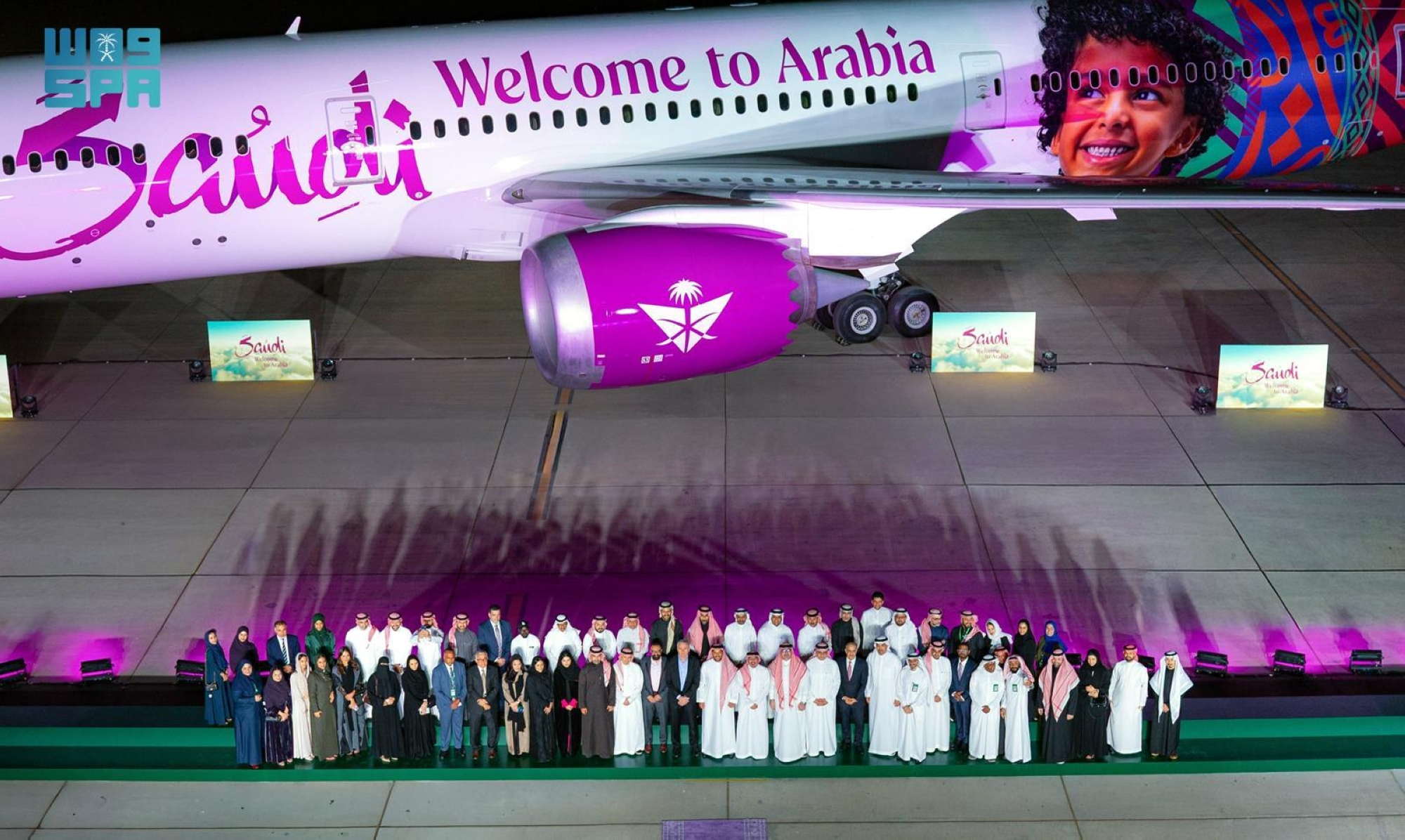
To achieve these goals, Saudi Arabian Airlines Group launched a new Boeing 787-9 Dreamliner aircraft adorned with the “Spirit of Saudi Arabia” logo. The aircraft was unveiled at the Jeddah Maintenance Village and is scheduled to fly to 25 international destinations by 2026. The Group’s Chief Marketing Officer, Khaled Tash, explained that this model was chosen because it is designed for long-haul flights, enabling it to reach the farthest destinations in North America, East Asia, and Europe, serving as a mobile promotional platform that reflects the Kingdom’s culture and hospitality.
A Saudi experience that begins in the air
For his part, Abdullah Al-Dakhil, the official spokesperson for the Saudi Tourism Authority, emphasized that the goal of this partnership extends beyond mere air transport. The aircraft, with its logo, interior design, and promotional content, will offer passengers an immersive experience from the moment they board. Visitors will experience genuine Saudi hospitality even before arriving in the Kingdom, preparing them to explore its diverse tourist destinations and participate in the world-class events and festivals the country hosts throughout the year.
Economic and social impact
Achieving the target of 150 million tourists by 2030, following the successful completion of the initial target for 2023, will have far more than just a significant impact on numbers. It will create hundreds of thousands of jobs for citizens, boost GDP growth, and contribute to infrastructure development across the Kingdom. Internationally, these efforts will help build bridges of cultural exchange, change stereotypical perceptions of the Kingdom, and present it as a modern and welcoming global destination.
Local News
Saudi mosque loudspeakers during Ramadan: No change to the ban
The Saudi Minister of Islamic Affairs confirms that the use of external loudspeakers in mosques will continue to be restricted to the call to prayer and the iqama only during the holy month of Ramadan.
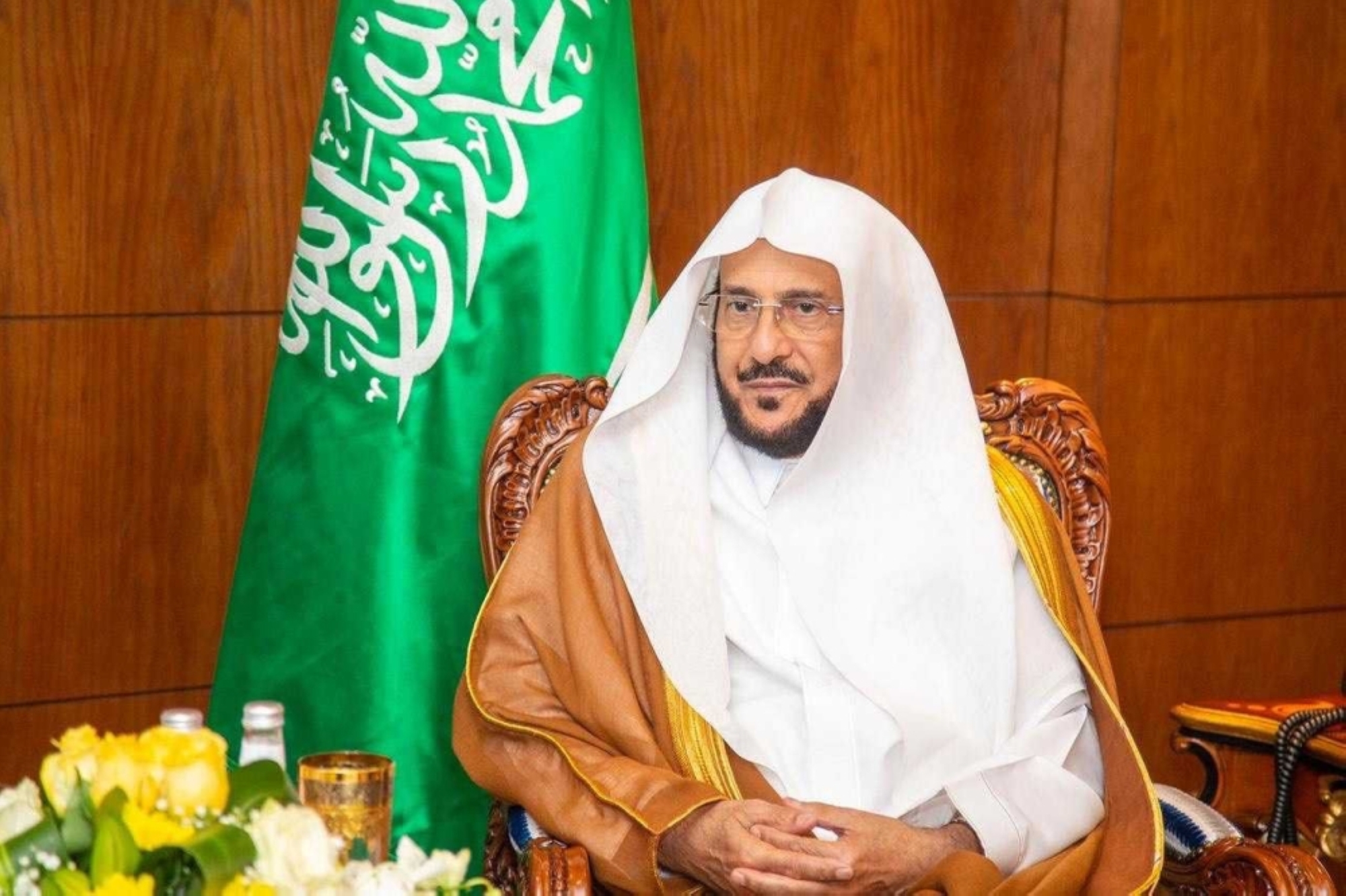
The Minister of Islamic Affairs, Call and Guidance in the Kingdom of Saudi Arabia, Dr. Abdul Latif Al-Sheikh, reiterated the continued application of regulations regarding the use of external loudspeakers in mosques during the holy month of Ramadan, explaining in a special statement to “Akhbar 24” that there is no change in the policy in place, which restricts their use to raising the call to prayer and the iqama only.
This confirmation follows a recent circular issued by the Ministry, containing a set of guidelines for preparing mosques and prayer halls to receive worshippers during the holy month. While the circular did not directly address the issue of loudspeakers, the Minister's statement settled any potential controversy, emphasizing that previous instructions remain in effect. The circular stressed the necessity for muezzins to adhere to the prayer times according to the Umm al-Qura calendar and to call the adhan for Isha prayer at its designated time, observing the established time interval between the adhan and the iqamah for each prayer.
Background of the decision and its organizational context
The regulatory basis for this policy stems from a circular issued by the Ministry in May 2021, which aimed to regulate the use of loudspeakers to reduce noise pollution and serve the public interest. The decision at that time was based on Islamic legal principles and general objectives aimed at preventing disturbance to worshippers in nearby mosques and avoiding disturbing the sick, the elderly, and children in homes close to mosques. The regulation stipulates that the volume level of the devices should not exceed one-third of the loudspeaker's capacity, thus ensuring that the call to prayer is clearly audible without causing disturbance.
Importance and expected impact
Domestically, this measure aims to strike a delicate balance between upholding Islamic rituals, such as the call to prayer (adhan), which announces the time for prayer, and maintaining peace and tranquility in residential neighborhoods, especially during Ramadan, a month that sees a surge in worship and nighttime prayers. The decision reflects a governmental commitment to enhancing the quality of life in Saudi cities, in line with the goals of the Kingdom's Vision 2030.
Regionally and internationally, this step places the Kingdom among many Islamic countries that have sought to regulate the use of loudspeakers in places of worship as part of modernizing and streamlining religious affairs. This global trend aims to present a civilized image of religious practices that respect public spaces and the rights of all members of society, Muslims and non-Muslims alike, thus promoting the values of coexistence and tolerance in modern societies.
-

 Reports 6 days ago
Achievements of Saudi government sectors in 2025
-
Local news two weeks ago
FDA warns of contaminated Nestle infant formula | Recall details
-
Technology 4 weeks ago
Artificial intelligence regulations in Saudi education and student data protection
-
Technology 4 weeks ago
US ban on drones: reasons and consequences
-
Technology 4 weeks ago
SRMG and Snapchat partnership: The future of digital media in the Middle East
-
Technology 4 weeks ago
Saudi Arabia's Ministry of Islamic Affairs is employing artificial intelligence in public speaking
-
Sports 4 weeks ago
Salah leads Egypt to a thrilling comeback against Zimbabwe in the Africa Cup of Nations
-
Sports 4 weeks ago
Napoli win the Italian Super Cup in Riyadh for the third time (2025)