
Local News
New regulations for organizing financial consulting in Saudi Arabia from the Auditors Authority
The Saudi Organization for Auditors and Accountants has approved new rules to regulate the non-securities financial consulting profession, with the aim of raising efficiency and protecting investors within the framework of Vision 2030.

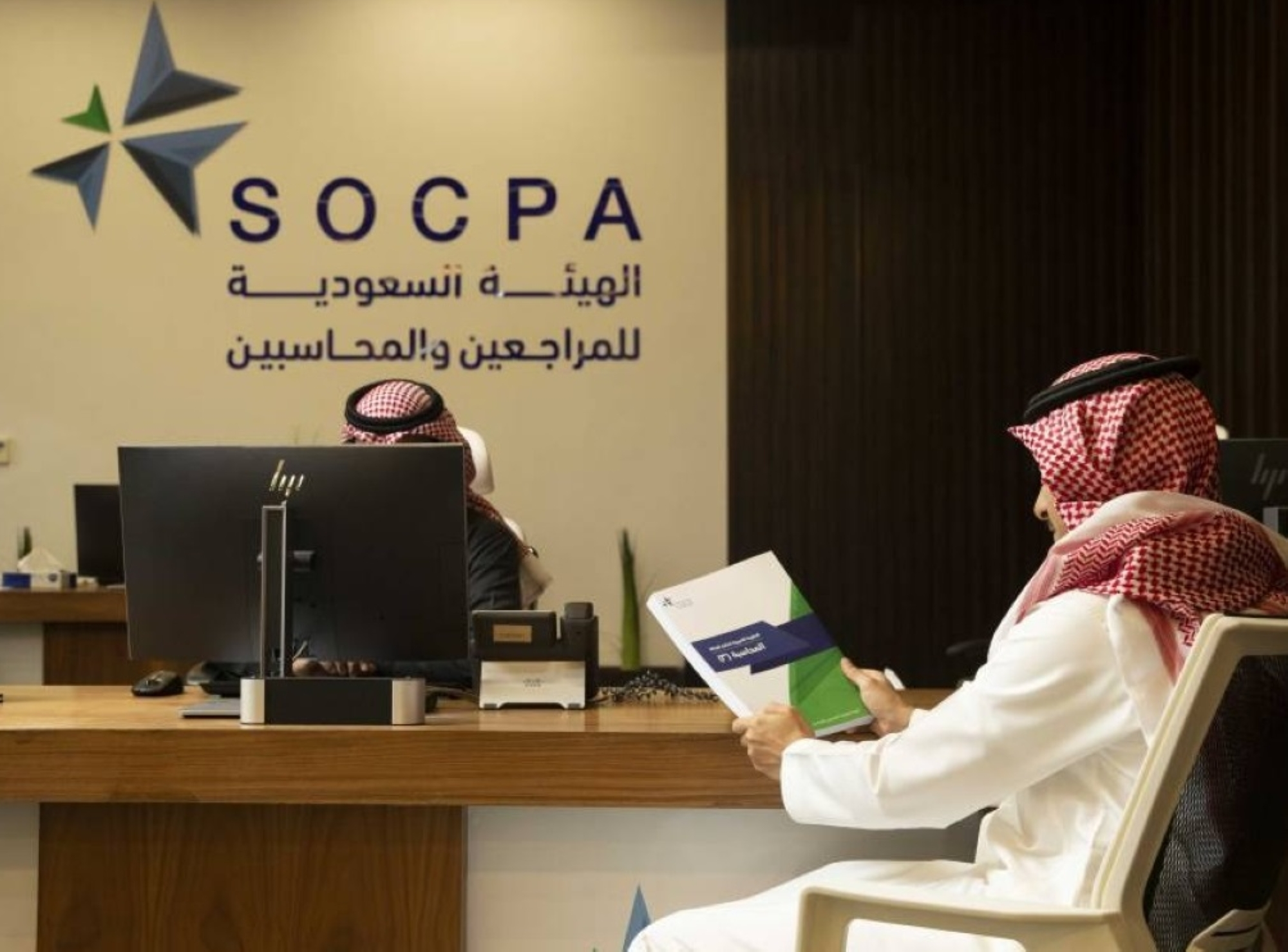
In a significant regulatory step aimed at enhancing transparency and efficiency in the financial sector, the Board of Directors of the Saudi Organization for Certified Public Accountants (SOCPA) has adopted new rules governing the practice of non-securities financial advisory services in the Kingdom. This decision establishes a clear professional framework for advisory services, specifying licensing requirements, compliance controls, and penalties for violations, thereby ensuring the protection of clients' interests and improving the quality of services provided.
Background of the decision and its importance in the context of Vision 2030
This new regulation is part of Saudi Arabia’s broader efforts to achieve the goals of Vision 2030, which prioritizes the development of the financial sector and economic diversification. By establishing rigorous professional standards, the Kingdom aims to build a robust and reliable financial services sector capable of attracting both domestic and foreign investment. Regulating a vital profession like financial consulting enhances investor and business confidence in the Saudi market, ensuring they receive professional advice based on expertise and integrity, thus contributing to sound financial decisions that support national economic growth.
Key conditions and requirements for obtaining a license
The authority has established a set of precise conditions to ensure that those practicing the profession possess the necessary competence and qualifications. The most prominent of these conditions can be summarized in the following points:
- Nationality and eligibility: The applicant must be a Saudi national and of full legal capacity.
- Academic qualification: Obtaining a bachelor's degree or higher qualification in accounting, finance, or funding, or completing a specified number of credit hours in these fields.
- Professional experience: Possessing at least 5 years of experience in the fields of auditing, accounting, or finance in the government, private, or non-profit sector.
- Vocational qualification: Passing the qualification and training programs determined by the authority.
- Criminal record: The applicant must be of good character and conduct and must not have been convicted of a crime involving moral turpitude or dishonesty.
- Full-time commitment: The rules stipulate full-time commitment to practicing the profession, with exceptions for non-full-time practitioners according to specific regulations.
It should be noted that a certified public accountant licensed to practice accounting and auditing is exempt from obtaining a separate license to provide these services, which facilitates the integration of accounting and consulting services.
Scope of services and professional obligations
The rules clearly define the scope of services covered by the license, excluding services regulated by other licensees, such as securities consulting or legal auditing. The licensee is bound by a set of professional obligations to ensure service quality, including:
- Performing the work himself and not delegating the signing of reports to someone else.
- Commitment to accuracy and transparency in all reports and data submitted.
- Keeping records and work papers for a minimum of 5 years.
- Not providing any services outside his area of specialization and expertise.
- Place the license number in a prominent place at the workplace.
Monitoring mechanisms and penalties for non-compliance
To ensure compliance with the new rules, the authority has established a clear mechanism for monitoring and enforcing penalties against violators. A specialized committee will be formed to review violations, and penalties will be graduated according to the severity of the violation, including:
- Warning: As an initial measure to alert about the violation.
- Suspension from practicing the profession: for a period that may reach up to one full year.
- License revocation: as a maximum penalty in cases of serious violations.
Those affected by the committee's decision have the right to appeal to the Administrative Court. The regulations also allow those whose licenses have been revoked to submit a new application three years after the decision's effective date, under the same terms and procedures as the initial issuance. These deterrent measures underscore the Authority's commitment to regulating the market and protecting all stakeholders.




Local News
Imam University warns against fraudulent messages targeting international students
Imam Muhammad ibn Saud Islamic University has renewed its warning about fraudulent messages circulating on social media requesting financial aid in the name of international students. Learn more about the warning.
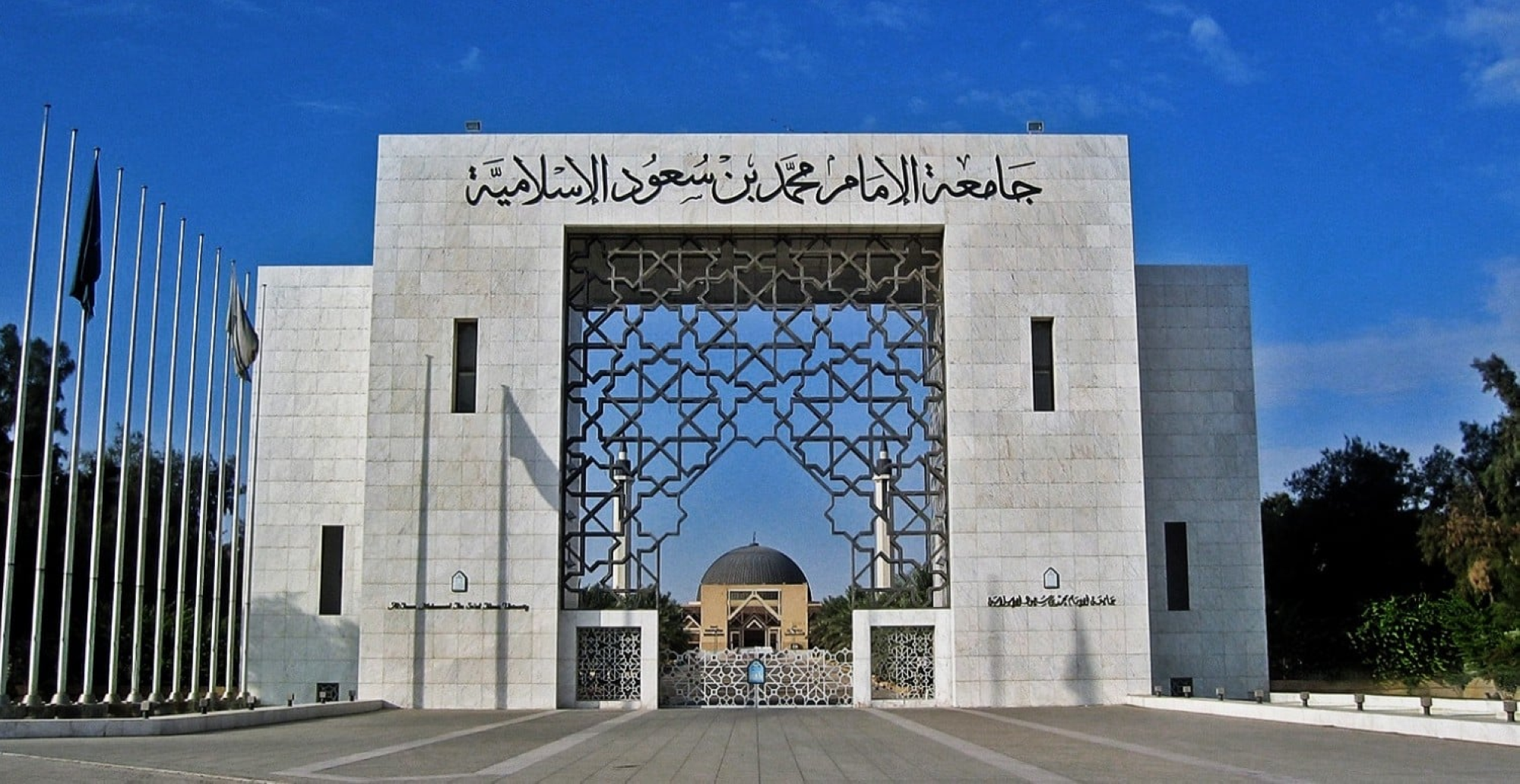
Imam Muhammad ibn Saud Islamic University, one of the leading academic institutions in Saudi Arabia, has reiterated its strong warning against the spread of fraudulent messages circulating on social media and digital platforms. These messages exploit the university's name and reputation to target individuals, with senders claiming to be international students, particularly from certain Arab countries, who have been accepted to study at the university and requesting urgent financial assistance to cover purported expenses such as tuition fees or visa processing fees.
The general context of digital fraud
These warnings come amid a growing global phenomenon of online fraud, where scammers exploit technological advancements to devise new methods to deceive victims. Prestigious educational institutions are a prime target for these scams due to their established reputations and the trust they command within the community. Scammers prey on people's compassion and desire to help students, making many vulnerable to falling prey to these deceptive messages. These practices align with the Kingdom's ongoing efforts to combat cybercrime and protect citizens and residents through specialized bodies such as the National Cybersecurity Authority.
Details of the warning and the university's responsibility
The university confirmed in its official statement that any financial transactions or interaction with these messages fall under the category of organized fraud and scams. It emphasized that it disclaims all responsibility for any information or advertisements published outside its official and verified channels, which include its official website and verified social media accounts. The university also announced that it reserves its full legal right to take the necessary measures and prosecute those spreading these rumors and false information, in cooperation with the relevant security authorities, to protect its reputation and the safety of the community.
The importance and expected impact of the warning
This warning is of paramount importance on several levels. Locally, it aims to protect community members from financial losses and raise awareness of modern fraud methods. Regionally and internationally, it contributes to maintaining the university's reputation as a trusted educational destination for international students and ensures that its name is not exploited in illicit activities that could harm the image of education in the Kingdom. It also sends a clear message to genuine international students to rely exclusively on the university's official channels for all their transactions, guaranteeing a safe and reliable experience from application to graduation. The university urges everyone to exercise extreme caution and immediately report any suspicious messages they receive through the designated official channels.
Local News
Regulations for registering purebred Arabian horses in Saudi Arabia and naming requirements
Learn about the new regulations for registering purebred Arabian horses in Saudi Arabia, including a 90-day reporting deadline and horse naming requirements to maintain breed purity.

In a move aimed at strengthening Saudi Arabia's position as a leading global center for breeding purebred Arabian horses, the Minister of Environment, Water and Agriculture, Engineer Abdulrahman Al-Fadhli, approved a set of new regulations and requirements for registering these prestigious bloodlines. These measures are designed to streamline the registration process and ensure the preservation of lineage purity, in accordance with internationally recognized standards.
Historical legacy and modern organization
Arabian horses hold a unique place in the cultural and historical heritage of the Kingdom and the Arabian Peninsula, having been associated with horsemanship and nobility throughout the ages. Accordingly, the King Abdulaziz Arabian Horse Center works to protect this great legacy by documenting their pedigrees and ensuring their purity. The new regulations are an extension of these efforts, aiming to align national records with the requirements of the World Arabian Horse Organization (WAHO), thereby enhancing the value and credibility of horses registered in the Kingdom internationally.
Key new registration terms and conditions
The approved regulations stipulate a set of precise conditions that horse owners and breeders must adhere to, most notably:
- Birth notification deadline: The owner must notify the center of the birth of any purebred Arabian foal within a maximum period of 90 days from the date of birth, while emphasizing the accuracy of the information provided.
- Naming requirements: The horse's name must be appropriate, not violate customs, traditions, or religious beliefs, and must not exceed 25 characters. Duplication of names is prohibited to ensure a unique identity for each horse, and the name may be linked to the officially registered stud farm.
- Proof of lineage: It is required that the father (stallion) and mother (mare) of the horse to be registered be officially registered in the approved horse pedigree records.
- Application procedures: The registration application is submitted electronically via the “Nama” platform (Aseel Services), with all required data and documents attached, such as the horse’s name in Arabic and English, and information about the father and mother.
Expected impact on the equestrian sector
These regulations are expected to have a significant positive impact on the equestrian sector in the Kingdom. Locally, they will contribute to greater transparency and reliability in production and registration processes, protecting breeders' rights and increasing the market value of their horses. Regionally and internationally, the implementation of these stringent standards will enhance the Kingdom's reputation as a leader in preserving the purity of the Arabian horse breed and open up broader opportunities for exporting Saudi horses and participating in international competitions and events with greater confidence.
Responsibilities and implementation mechanisms
The regulations stipulate that the applicant bears full responsibility for the accuracy of the submitted data. The center will process applications that meet the requirements within 30 days. Upon acceptance of the application and payment of the required fee, the official registration certificate will be issued. The regulations also emphasize the application of strict penalties, according to the approved schedule of violations, to anyone who violates these requirements, thus ensuring full compliance and maintaining the integrity of the pedigree records for purebred Arabian horses.
Local News
Exemption from customs fines through voluntary disclosure in Saudi Arabia
The Saudi Zakat, Tax and Customs Authority announced the regulations for voluntary disclosure, which allow taxpayers to be fully exempted from customs violation fines when they rectify their situation before the violation is discovered.

In a strategic move aimed at enhancing transparency and promoting voluntary compliance, the Board of Directors of the Zakat, Tax and Customs Authority (ZATCA) in the Kingdom of Saudi Arabia has adopted new “voluntary disclosure” regulations. These regulations allow taxpayers the opportunity for full exemption from fines for customs violations if they disclose and rectify them before the Authority discovers them. This decision, published in the official gazette “Umm Al-Qura,” supports the business environment and facilitates trade, in line with the economic objectives of the Kingdom’s Vision 2030.
Background and strategic context of the initiative
This initiative falls within the broader framework of reforms underway in the Kingdom to transform its economy into a more sustainable and competitive model. Since the launch of Vision 2030, the Saudi government has been working to develop its financial, tax, and customs systems to make them more efficient and transparent. The General Authority of Taxation and Customs (ZATCA) is a key player in this transformation, continuously striving to adopt global best practices that balance collecting government revenue with streamlining procedures for businesses. The voluntary disclosure program builds upon previous successful policies, such as initiatives to waive late payment penalties, underscoring the government's commitment to building a relationship based on trust and partnership with taxpayers.
The importance of the decision and its expected impact
The implementation of voluntary disclosure controls is of paramount importance on several levels. Locally , the decision is expected to encourage companies and importers to review their customs records and proactively correct any errors, thereby reducing the volume of customs disputes and issues and saving time and effort for both parties. It also enhances investor confidence in the Saudi regulatory environment. Regionally , this step contributes to the standardization and streamlining of customs procedures in line with the unified customs system of the Gulf Cooperation Council (GCC) countries, thus strengthening the Kingdom's position as a leading logistics and trade hub in the region. Internationally , the decision sends a positive signal to investors and international trading partners that the Kingdom is committed to implementing the transparency and fairness standards recommended by organizations such as the World Trade Organization (WTO) and the World Customs Organization (WCO), making the Saudi market more attractive to foreign direct investment.
Details of the rules and conditions
The voluntary disclosure regulations cover a wide range of irregularities related to customs data and declarations, such as errors in classifying goods, estimating their value, determining the country of origin, and any other information that may lead to discrepancies in applicable customs duties. For a disclosure request to be accepted, the authority stipulated several essential requirements:
- Self-initiative: The person responsible must submit the application before the violation is discovered by the authority or any audit or inspection procedures are initiated.
- Comprehensiveness and clarity: The application submitted through the Authority’s electronic platform must include all the required information and documents that clarify the nature of the violation and the financial differences.
- Payment of the principal amount: The exemption applies only to fines. The taxpayer must pay all customs duties and any outstanding balances within 30 days of being notified of the amount due.
Conversely, the regulations explicitly exclude cases of customs smuggling and related offenses, which will be subject to applicable legal procedures, including the possibility of amicable settlement in accordance with the law. These regulations are scheduled to take effect 30 days after their publication, giving the business sector an opportunity to prepare and benefit from this significant initiative.
-

 Local News 5 days ago
Landslide in Riyadh: Details of the incident in Al-Sahafa neighborhood and containment efforts
-

 Local News 6 days ago
The death penalty was carried out against a citizen who stabbed another to death in Tabuk
-

 Culture and Art, 1 week ago
Ramez Galal in Ramadan 2026: Details of the bloody prank show
-

 Local news one week ago
First birth on the Riyadh train: A heartwarming story at Andalus station
-

 Culture and Art 5 days ago
Haifa Wehbe's absence in Riyadh: A photo crisis or a strained relationship with the media?
-
 Local News 5 days ago
Riyadh collapse: Emergency plans to secure water after a main pipeline burst
-

 Culture and Art 5 days ago
City Kitchen series: A drama of conflict and the middle class during Ramadan
-

 Culture and Art 5 days ago
The series "Kasra": Dawood Hussein in a moving social drama this Ramadan