
Local News
Islamic Affairs: Friday sermon to be dedicated to warning against injustice and the dangers of polytheism
The Minister of Islamic Affairs directs mosque preachers to dedicate the Friday sermon to talking about the danger of injustice, warning against exploiting positions and disrupting people's interests, and calling for redress of grievances.


The Minister of Islamic Affairs, Call and Guidance, Sheikh Dr. Abdul Latif bin Abdul Aziz Al Sheikh, issued an important directive to mosque preachers in various regions and governorates of the Kingdom of Saudi Arabia, stipulating that next Friday’s sermon be dedicated to discussing the topic of “the danger of injustice,” and warning against its destructive effects on the individual and society, within the framework of the Ministry’s ongoing efforts to activate the role of the pulpit in guidance and counseling and addressing negative phenomena.
Sermon themes and legal foundations
The ministerial directive emphasized that sermons should address several key themes, foremost among them explaining the gravity of injustice in Islamic law and how God Almighty has forbidden it for Himself and prohibited it among His servants. Emphasis will be placed on clarifying that the greatest and most dangerous form of injustice is "associating partners with God" (shirk), as it involves misdirecting worship and misdirecting it to those who do not deserve it. This is followed by the injustice a person commits against themselves through committing sins and neglecting religious duties and the limits set by God.
Warning against injustice towards people and administrative corruption
In the context of daily interactions, the directive urged preachers to strongly warn against injustice among people, whether it involves bloodshed, financial losses, or violations of honor. The directive specifically addressed a crucial aspect affecting people's lives and interests: "workplace injustice." It emphasized that an employee's negligence of duties, abuse of power or position, and obstruction of services for those seeking their assistance constitute forms of injustice forbidden by Islamic law. This behavior combines two evils: injustice to oneself by consuming illicit wealth resulting from a breach of trust, and injustice to others by obstructing their rights and delaying their interests.
The importance of justice in the stability of society
This directive underscores the paramount importance of establishing the values of justice and integrity in society, as the prevalence of injustice leads to the disintegration of social bonds and the spread of hatred and animosity among people. Through these thematically unified sermons, the Ministry of Islamic Affairs works to enhance societal awareness, reminding the public that justice is the foundation of governance and the stability of nations, and that upholding rights and fulfilling them to their rightful owners is the path to God's pleasure and the betterment of affairs.
The directive concluded by emphasizing the need to urge worshippers to hasten to sincere repentance, return injustices to their rightful owners, and absolve themselves of the rights of people before a day when neither wealth nor children will avail, as a reminder that the rights of people are based on contention and demand, which necessitates extreme caution against being lenient in this regard.









Local News
The Grand Mufti assigns senior scholars to issue fatwas in the regions to enhance credibility
The Grand Mufti directs the assignment of members of the Council of Senior Scholars to issue fatwas in the regions of the Kingdom, as part of a plan to regulate fatwas and support them with digital transformation in cooperation with SDAIA and Vision 2030.
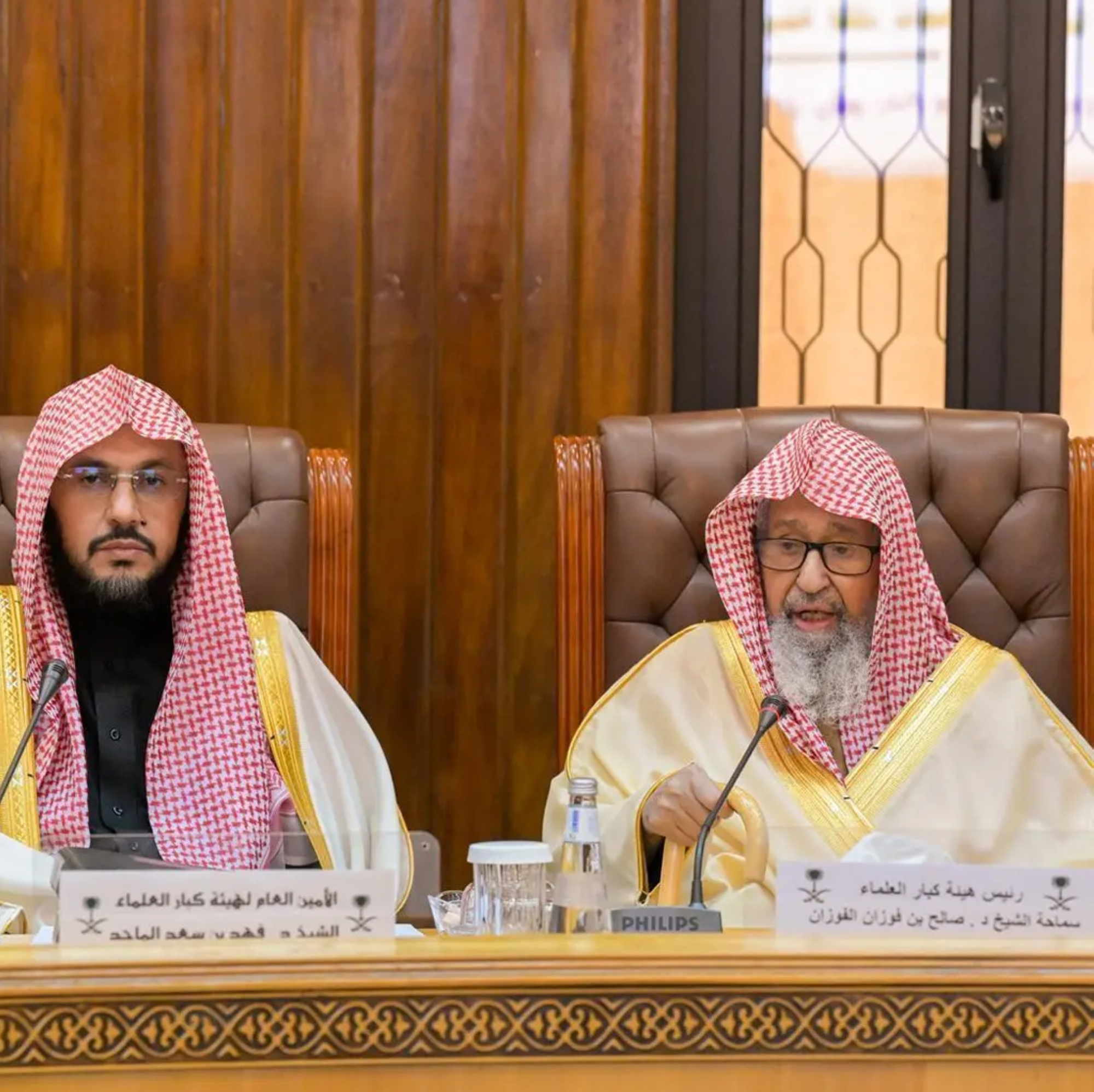
In a move aimed at streamlining the issuance of fatwas and facilitating access to reliable religious rulings, His Eminence the Grand Mufti of the Kingdom, Chairman of the Council of Senior Scholars, and General President of Scientific Research and Ifta, Sheikh Saleh bin Fawzan Al-Fawzan, issued a decree appointing a select group of members of the Council of Senior Scholars to issue fatwas in various regions of the Kingdom. This decree implements the Royal Decree stipulating that the issuance of fatwas be limited to members of the Council of Senior Scholars, ensuring that fatwas are obtained from their approved sources.
List of assigned scientists and their geographical distribution
The decision included distributing the esteemed scholars across the branches of the General Presidency for Scientific Research and Ifta in the regions, to ensure comprehensive geographical coverage that meets the needs of those seeking fatwas. The distribution was as follows:
- Tabuk and Al-Jawf regions: Sheikh Yusuf bin Muhammad bin Abdulaziz bin Saeed.
- Medina region: Sheikh Muhammad bin Muhammad Al-Mukhtar bin Muhammad Mazid.
- Asir and Jazan regions: Sheikh Jibril bin Muhammad bin Hassan Al-Basili.
- Al-Baha and Najran regions: Sheikh Ghaleb bin Mohammed bin Abu Al-Qasim Hamzi.
- The Qassim and Hail regions: Sheikh Sami bin Mohammed bin Abdullah Al-Suqair.
- Makkah Region: Sheikh Bandar bin Abdulaziz bin Siraj Balila.
- Eastern Province and Northern Border Region: Sheikh Abdul-Ilah bin Muhammad Al-Mulla.
The context of the decision and its organizational and legal significance
This decision is of paramount importance in the local context, as it strengthens the regulation of fatwas and protects society from aberrant or unauthorized rulings. Restricting the issuance of fatwas to members of the Council of Senior Scholars and those they authorize is a strategic step toward consolidating intellectual security and ensuring that issued fatwas are consistent with Islamic legal principles and consider the realities of contemporary life. This contributes to unifying the discourse and preventing individual interpretations that could cause confusion.
Digital transformation and support for the fatwa system
In a related context, the Secretary-General of the Council of Senior Scholars, Dr. Fahd Al-Majed, affirmed that the Presidency does not merely assign personnel, but rather strives to empower scholars through a comprehensive support system. He pointed to the provision of a large research team comprising more than eighty researchers specializing in Islamic jurisprudence to assist scholars in clarifying and grounding legal principles.
Al-Majed also explained that the Presidency is taking rapid steps towards digital transformation in cooperation with the Saudi Data and Artificial Intelligence Authority (SDAIA). This strategic partnership aligns with the objectives of the Kingdom's Vision 2030, employing modern technologies and digital solutions to facilitate easy and convenient access to fatwa services for beneficiaries, thereby enhancing the efficiency of government performance and improving the quality of knowledge-based services provided to citizens and residents.
Promoting the values of moderation and balance
This organizational and technical movement serves a higher purpose: to solidify the values of moderation and balance in society. The existence of a well-established and accessible scholarly authority in all regions thwarts the advocates of extremism or laxity, and ensures the presentation of a balanced religious discourse that combines tradition and modernity, thus reflecting the enlightened image of the tolerant Islamic Sharia.
Local News
Two million people benefit from the free ablution service at the Grand Mosque
More than two million pilgrims benefited from the free purification service at the Grand Mosque, in accordance with the highest standards of sterilization and safety, as part of the efforts of the General Authority for the Care of the Two Holy Mosques.

The General Authority for the Care of the Two Holy Mosques announced new statistics reflecting the scale of efforts made to serve pilgrims, confirming that more than two million Umrah pilgrims benefited from the free "release from rituals" service (shaving or trimming of hair) within the Grand Mosque. This service is a vital part of the integrated services provided by the Kingdom of Saudi Arabia to facilitate the pilgrims' journey.
Service location and quality standards
The authority explained that this vital service is strategically located in the eastern courtyard of the Grand Mosque, making it easily accessible to pilgrims immediately after they complete the Sa'i (ritual walking between Safa and Marwa). The designated centers for the ritual purification process operate around the clock under the direct supervision of qualified and trained technical and administrative staff experienced in managing large crowds. This ensures smooth flow and efficient service, preventing pilgrims from experiencing long waits or overcrowding, especially during peak times.
The importance of the service from a health and organizational perspective
This service is of paramount importance, extending far beyond its free provision; it represents the first line of health defense for pilgrims. Previously, some pilgrims resorted to unlicensed barbers or used unsterilized tools, posing a risk of disease transmission and infection. Today, through this initiative, the Authority ensures the application of the highest international standards of sterilization and hygiene. Disposable shaving tools are used, and strict health protocols are followed for the environmentally safe disposal of waste, thus achieving the highest levels of health and safety for those visiting the Holy Mosque.
Religious dimension and facilitating rituals
Shaving or trimming the hair is a mandatory ritual to end the state of ihram after performing Umrah. Providing a suitable, clean, and free place to perform this ritual reflects respect for the sanctity of the pilgrimage and honors the pilgrims. This service enables pilgrims to complete their rituals with ease and peace of mind, without the worry of searching for shaving facilities outside the Haram area or concerns about costs or hygiene.
Keeping pace with the Kingdom's Vision 2030
The Authority affirmed that this service is a practical implementation of the directives of the wise leadership, which aim to dedicate all resources to serving the Two Holy Mosques. These efforts directly contribute to achieving the objectives of the Kingdom's Vision 2030, specifically the "Serving the Guests of God" program, which aims to enrich the religious and cultural experience of pilgrims and visitors, increase capacity while maintaining the quality of services provided, and ensure that the Umrah experience is a safe, convenient, and memorable spiritual journey.
Local News
Jeddah Municipality destroys a ton of spoiled food and closes 4 unlicensed sites
Jeddah Municipality carries out a field campaign that results in the destruction of a ton of spoiled food, the closure of 4 random sites, and the confiscation of dairy products and dates of unknown origin in order to protect public health.
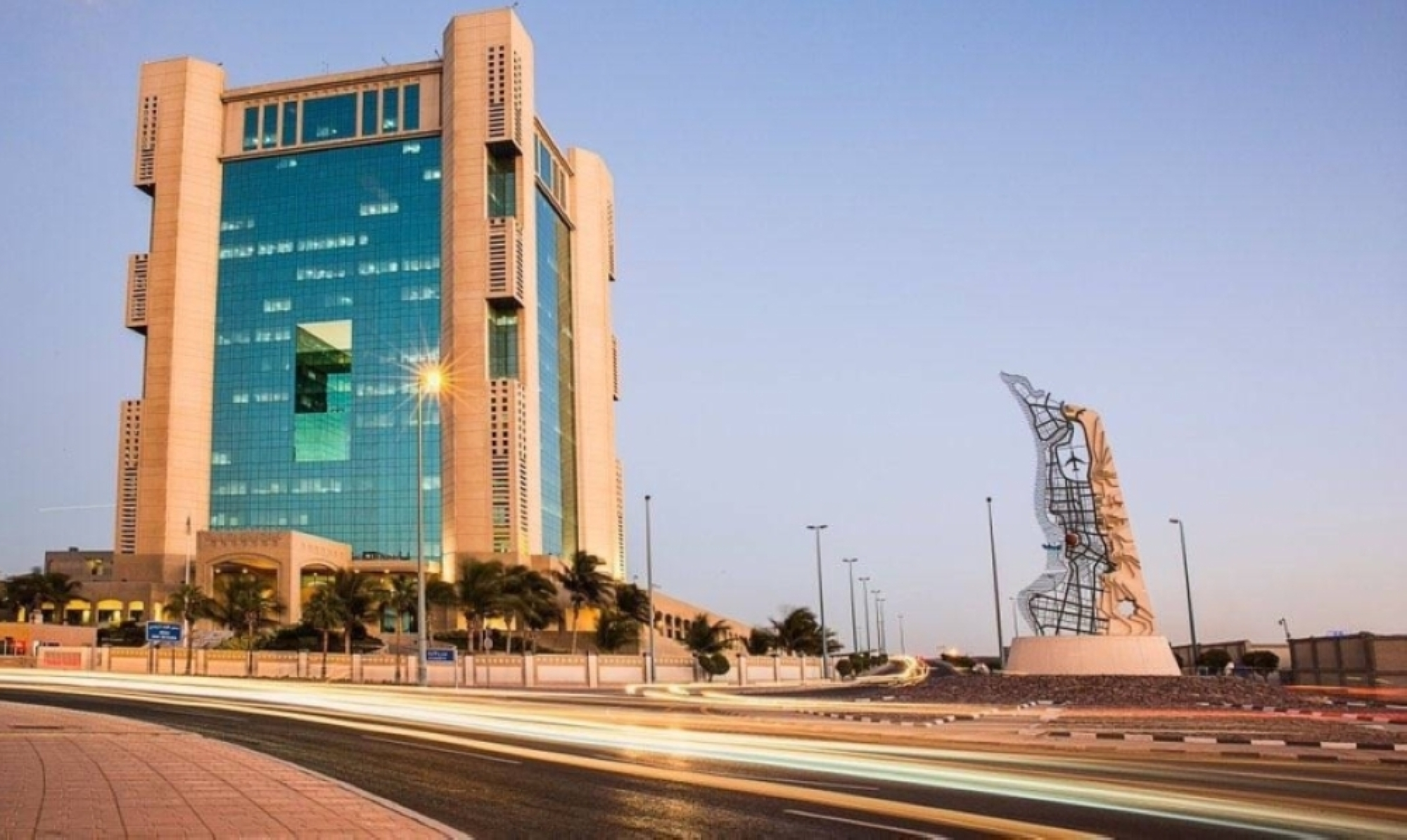
As part of its ongoing efforts to promote public health and ensure food safety for consumers, the Jeddah Municipality, in cooperation with relevant authorities, conducted a large-scale field campaign targeting and addressing negative practices in residential neighborhoods and commercial areas. This campaign resulted in the destruction of over 1,000 kilograms (one ton) of spoiled food and the closure of four unlicensed establishments in the eastern part of the city that were operating outside of regulatory oversight.
Details of seizures and observed violations
The Director General of the General Administration for Monitoring and Addressing Negative Phenomena, Yasser Bakhsh , explained that field teams were able to identify sites being used for illegal commercial activities without the necessary permits. Inspections revealed that one site was being used to store and package vegetables and dates in an environment that lacked even the most basic health and safety standards, with a widespread infestation of insects and rodents that threatened product safety.
The deteriorating health situation at the site necessitated the destruction of large quantities of vegetables, estimated at about a ton, in addition to the confiscation of 47 cartons of dates and 4 machines that were used in packaging operations. The site was immediately closed by the sub-municipality of the region.
Random workshops and unlicensed warehouses
In a related development, the campaign uncovered another site that had been converted into an unlicensed dairy production facility operating under extremely unsanitary conditions, posing a direct threat to consumer health. The teams confiscated the equipment and materials used in the manufacturing process, including 40-kilogram , and initiated legal procedures to close the site.
The violations were not limited to food only, but the campaign included seizing a site used to store car parts and empty cartons without licenses, in addition to a fourth site that was engaged in shipping food and clothing in irregular ways, with part of it being used as a car dismantling area, where the two sites were closed and the penal regulations were applied to the violators.
The importance of municipal oversight and its impact on society
These campaigns are of paramount importance in maintaining food and health security in the Kingdom, as municipal oversight serves as the first line of defense in protecting consumers from unfair business practices. These efforts align with the goals of the Kingdom's Vision 2030 to improve quality of life and enhance services provided in cities.
Eliminating unregulated sites not only helps protect public health from foodborne illnesses, but also enhances the urban landscape of Jeddah and supports the formal economy by combating commercial concealment and unlicensed activities that harm fair competition in the market.
Call for cooperation and reporting
Bakhsh concluded his statement by emphasizing the continuation of inspection campaigns to monitor all violations and curb practices that harm public health. The municipality called on all citizens and residents to cooperate with regulatory authorities by reporting any observations or municipal violations through the "Baladi" app available on smartphones, or by contacting the unified reporting center at 940 , stressing that community awareness is a key partner in the success of these efforts.
-

 Local news one week ago
Landslide in Riyadh: Details of the incident in Al-Sahafa neighborhood and containment efforts
-
 Local news one week ago
The death penalty was carried out against a citizen who stabbed another to death in Tabuk
-

 Culture and Art, 1 week ago
Haifa Wehbe's absence in Riyadh: A photo crisis or a strained relationship with the media?
-
 Local news one week ago
Riyadh collapse: Emergency plans to secure water after a main pipeline burst
-

 Culture and Art, 1 week ago
City Kitchen series: A drama of conflict and the middle class during Ramadan
-

 Culture and Art, 1 week ago
The series "Kasra": Dawood Hussein in a moving social drama this Ramadan
-

 Local news one week ago
Applying for the 1447 Opportunities Program for Teachers via the Fares System
-

 Local News 5 days ago
Ramadan 2026 discounts in Saudi Arabia: Offers valid for 54 days