
Local News
Launch of the second version of the “Refund” initiative for government fees
Discover how the SME Recovery Initiative supports financial relief and enhances competitiveness with funding of 1.5 billion Saudi Riyals.


“Recovery” initiative to support small and medium enterprises
The General Authority for Small and Medium Enterprises (Monsha’at) launched the second phase of its government fees refund initiative, “Istidar,” with total funding of SAR 1.5 billion. This initiative aims to support startups during their first three years, thereby strengthening the business environment and enhancing their competitiveness.
Strategic goals of the initiative
This step comes as part of the Saudi leadership's commitment to creating a stimulating and sustainable business environment, in line with the Kingdom's Vision 2030, which aims to build a diversified and prosperous national economy. The initiative seeks to enhance the contribution of small and medium-sized enterprises (SMEs) to the national economy by providing the necessary financial support for their stability and growth.
Registration and disbursement details
Registration for small and medium enterprises (SMEs) will begin from the date of the initiative's launch and continue until the end of 2026. Eligible enterprises will receive periodic payments from the date of their eligibility until the end of 2028. This timeframe allows startups to plan for the long term and make the most of the support provided.
Fees and costs included in the refund
The initiative includes refunding the financial compensation for ten types of fees and financial costs, starting from 80% of the financial compensation for expatriates, and publishing the articles of incorporation, commercial registration and municipal license, in addition to Saudi Post subscriptions, chambers of commerce, trademark registration and economic activity licenses.
The patent registration was added in this version to promote innovation and invention in national establishments, which reflects the Kingdom’s orientation towards supporting innovation as an essential part of sustainable economic growth.
Registration criteria and conditions
Eligibility criteria:
- Classifying the establishment as micro, small, or medium.
- No more than three years should have passed since the start of its business activity.
- The date of commencement of its activity must not be before January 1, 2024.
- Achieving the approved localization rate:
- Share ownership:
- A. Shares or stocks owned by micro, small, medium or small enterprises or individuals shall not be less than 60.
Expected impact on the local and global economy
At the local level:
This initiative is expected to significantly boost the financial stability of small and medium enterprises (SMEs), which constitutes a vital component of the Saudi economy. By reducing operational costs through fee refunds, SMEs can allocate more resources towards innovation and expansion, thereby increasing their contribution to GDP and job creation in line with Vision 2030 goals.
The global perspective:
The initiative aligns with global trends emphasizing the importance of SMEs in economic development and innovation. By fostering a supportive environment for startups, Saudi Arabia positions itself as an attractive destination for entrepreneurship, potentially drawing international investments and collaborations that could further integrate its economy into the global market.
Towards a Sustainable Economic Future
The “Estedad” initiative represents a strategic move towards creating a resilient and diversified economy by empowering SMEs through financial support and reduced regulatory burdens. As these businesses grow, they are likely to contribute more significantly to economic diversification efforts, enhancing Saudi Arabia's position as a leading economic power in the region and beyond.


Local News
Saudi Arabia and Turkey: Renewable energy agreement with a capacity of 5000 megawatts
Saudi Arabia and Turkey sign a strategic agreement to develop 5,000 megawatt solar power plants with billions of dollars in investments, to enhance energy security and diversify the economy.
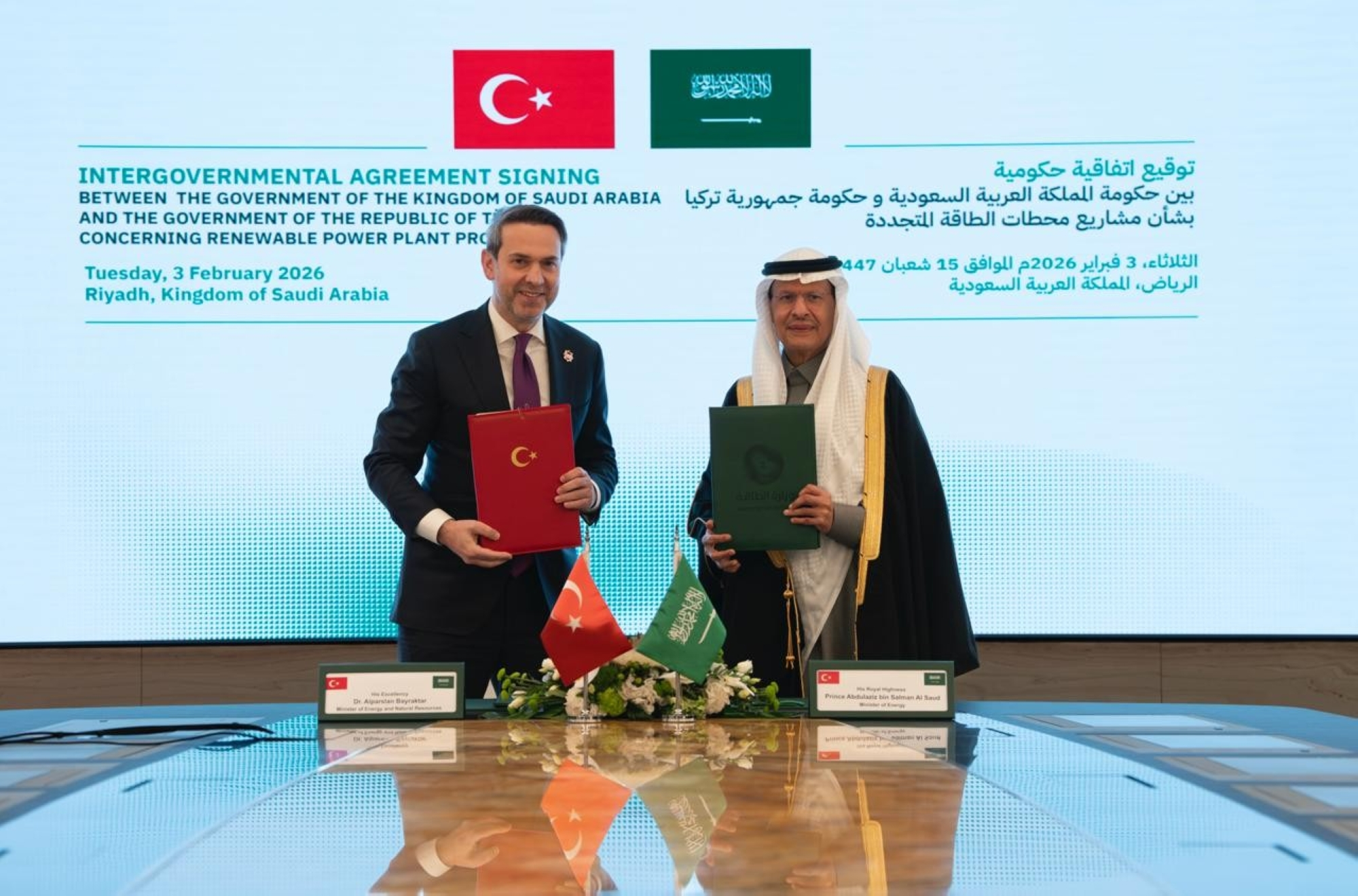
In a move reflecting the depth of bilateral relations and the shared desire to build a sustainable future, the Kingdom of Saudi Arabia and the Republic of Turkey signed a strategic agreement today aimed at cooperating in the development and implementation of renewable energy power plant projects. This took place on the sidelines of Turkish President Recep Tayyip Erdoğan's official visit to the Kingdom, which culminates a growing path of cooperation between the two brotherly nations.
Details of the agreement and implementation phases
The agreement was signed by His Royal Highness Prince Abdulaziz bin Salman bin Abdulaziz, Minister of Energy, on behalf of the Kingdom of Saudi Arabia, and by His Excellency Alparslan Bayraktar, Minister of Energy and Natural Resources, on behalf of the Kingdom of Turkey. The agreement stipulates the development of solar energy projects in Turkey with a total installed capacity of 5,000 megawatts. This ambitious plan will be implemented in two main phases. The first phase includes the construction of two solar energy projects in the cities of Sivas and Karaman with a total capacity of 2,000 megawatts, while the second phase will cover an additional capacity of up to 3,000 megawatts, according to agreed-upon timeframes and technical specifications.
Huge economic and investment dimensions
The first phase projects are highly economically viable, offering competitive electricity prices compared to similar plants in Turkey. Investments in this phase are estimated at approximately US$2 billion, reflecting the strong mutual trust and financial commitment of both parties. These plants are expected to provide clean electricity to more than two million Turkish households. To ensure the project's sustainability, a Turkish state-owned company will commit to purchasing the generated electricity for thirty years, with a focus on maximizing local content by making optimal use of Turkish equipment and services during implementation.
Strategic context and shared vision
This agreement comes at a time of significant momentum in Saudi-Turkish relations, driven by the desire of both leaderships to expand the horizons of economic and investment cooperation. This step aligns perfectly with the objectives of Saudi Vision 2030, which seeks to make the Kingdom a global leader in the renewable energy sector and to export technical and investment expertise in this field, as well as supporting Turkey's efforts to diversify its energy sources and reduce its reliance on traditional imports.
Environmental impact and green future
Beyond its economic benefits, the agreement carries significant environmental dimensions, aiming to enhance energy security and accelerate the transition to a low-carbon economy. This collaboration serves as a model for effective international partnerships in addressing climate change, contributing to knowledge transfer and capacity building in both human and technological sectors, thereby achieving mutual and sustainable benefits for both countries and establishing a new era of integration in the energy and green technology sectors.
Local News
Public Transport Authority: 90,000 violations recorded and vehicles impounded in January
The Public Transport Authority announced that it recorded 90,000 violations during January after conducting 437,000 inspections. Learn about the areas with the highest number of violations and the most prominent infractions observed.
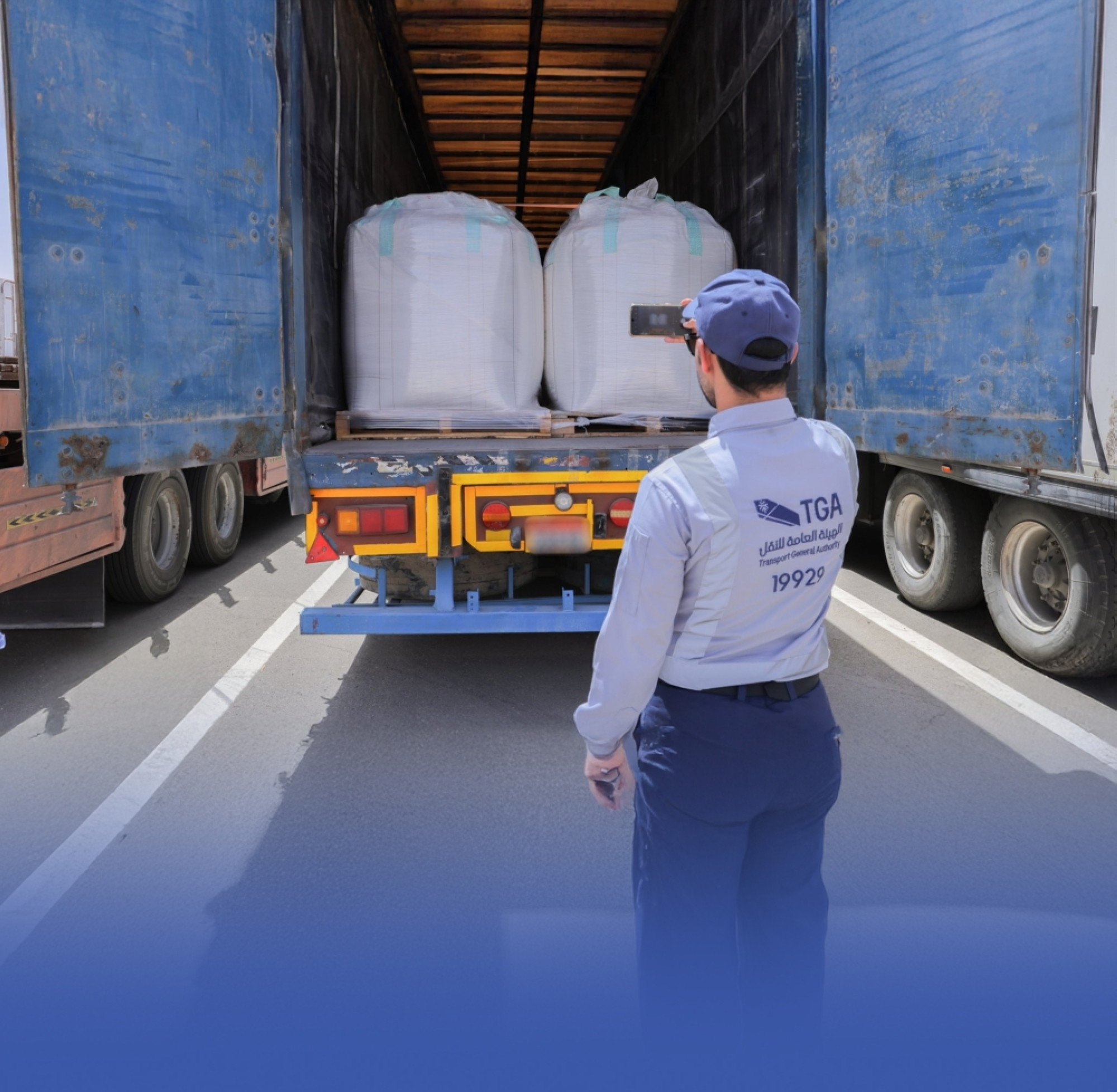
As part of its intensive efforts to regulate the transport and logistics sector in the Kingdom of Saudi Arabia, the Public Transport Authority the results of its field inspection campaigns for the month of January, which resulted in the detection of 90,000 various violations, after carrying out more than 437,000 accurate inspection operations that included land, sea and rail transport activities in various regions of the Kingdom.
Details of monitoring campaigns and compliance indicators
Official statistics released by the authority revealed that the land transport sector accounted for the largest share of inspections, with 430,000 inspections carried out, achieving a compliance rate of 93%. In contrast, the maritime transport sector saw 7,574 inspections conducted with a high compliance rate of 99%, while rail transport achieved a perfect 100% compliance rate across 95 inspection rounds, reflecting a strong commitment to safety standards in this vital sector.
Geographical distribution of violations and the most prominent transgressions
The data revealed that the Makkah region topped the list of regions with the highest number of recorded violations, at 30,000, followed by the Riyadh region with 24,000 violations, and then the Eastern Province with 11,000 violations. Madinah came in fourth place with 6,000 violations, and Asir with 4,000 violations. The violations observed varied, with the most prominent being:
- Failure to meet the necessary safety requirements for vehicles.
- Engaging in transportation activities without obtaining the necessary licenses.
- Using private vehicles for transportation (buses) in an irregular manner.
- Working with cancelled or expired operating cards.
The inspection teams dealt firmly with these violations, as 1,045 vehicles that did not comply with the technical requirements and applicable regulations were impounded.
Context of the National Transport and Logistics Strategy
These intensive campaigns are an integral part of the objectives of the National Transport and Logistics Strategy , stemming from the Kingdom's Vision 2030, which aims to solidify the Kingdom's position as a global logistics hub. Through these campaigns, the Public Transport Authority works to ensure a safe and reliable transport environment and enhance operational efficiency to guarantee the safety of lives and property.
The importance of oversight and its impact on the sector
These regulatory efforts are of paramount importance on both economic and social levels. They contribute to fostering fair competition among licensed establishments and protect legitimate investors from unfair competition resulting from unregulated transportation. Furthermore, increased compliance rates positively impact the quality of services provided to beneficiaries and reduce traffic accidents caused by a lack of safety measures, thus enhancing the overall quality of life in Saudi cities.
Local News
SRMG explores media cooperation with the Qatar Media Corporation in Riyadh
SRMG in Riyadh welcomed Sheikh Hamad bin Abdulaziz Al Thani from the Qatar Media Corporation. The two sides discussed digital cooperation, content development, and a tour of Arabic and Middle Eastern manga.
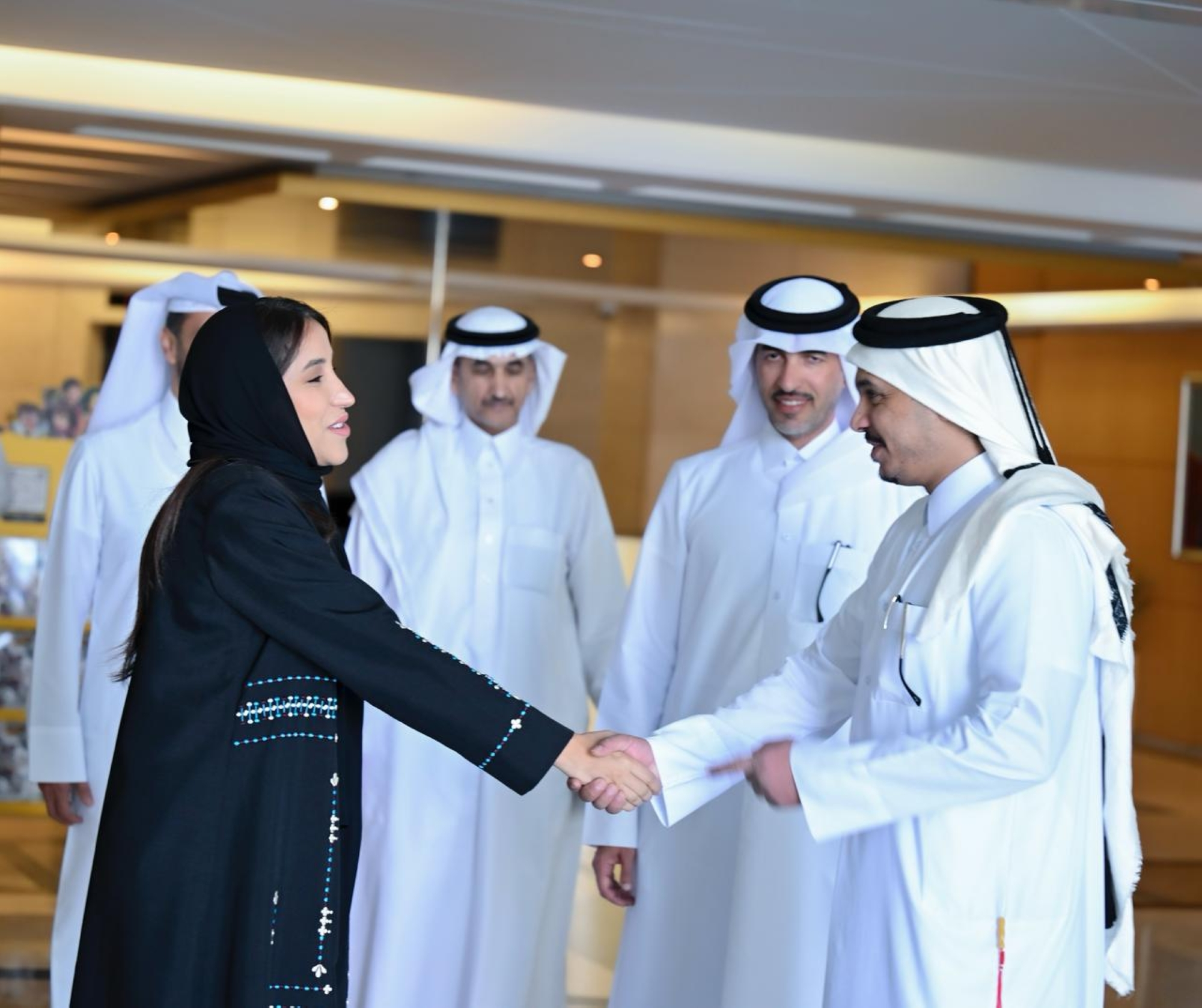
In a move reflecting the depth of fraternal relations and the shared desire to develop the media landscape in the region, the Saudi Research and Media Group (SRMG) received at its headquarters in Riyadh His Excellency Sheikh Hamad bin Abdulaziz Al Thani, Advisor at the Qatar Media Corporation, and his accompanying delegation, which included a number of prominent leaders in media institutions in the State of Qatar.
The Qatari delegation was received by Ms. Jumana Al-Rashid, CEO of the Saudi Research and Media Group, along with several senior executives from the group. The visit included a packed program, featuring a tour of several of the group's leading media outlets. The delegation was briefed on the operations of Asharq Al-Awsat, a leading international Arabic newspaper, and learned about its editorial processes and the technologies used in its newsroom.
The tour also included a special visit to the headquarters of Manga Arabia, an ambitious project aimed at enriching Arabic creative content for younger generations. The delegation received a detailed explanation of Manga Arabia's strategy for producing comics in a style that respects local culture while adhering to international standards, and its role in promoting creative industries in the Kingdom and the region.
This visit is particularly significant given the major transformations taking place in the media industry globally and regionally. During the meeting, the two sides discussed ways to enhance cooperation in digital innovation and the exchange of expertise. The guests were briefed on SRMG's digital transformation strategy, which aims to redefine the media landscape by adopting the latest artificial intelligence and data analytics technologies to deliver high-quality content that resonates with diverse audience interests.
This meeting comes amidst a vibrant media movement in the Gulf region, where major media institutions in Saudi Arabia and Qatar are striving to unify their visions and integrate their efforts to address the challenges of the digital age. Such visits are a cornerstone for opening new avenues for partnerships that extend beyond traditional news coverage to include impactful content creation and co-production.
The visit concluded with both sides affirming their keenness to maintain communication and develop media relations in a way that serves common interests and contributes to raising the professional standards of media work in the region, in line with the ambitious development aspirations of the two brotherly countries.
-
 Local news one week ago
Landslide in Riyadh: Details of the incident in Al-Sahafa neighborhood and containment efforts
-

 Culture and Art, 1 week ago
Haifa Wehbe's absence in Riyadh: A photo crisis or a strained relationship with the media?
-
 Local news one week ago
Riyadh collapse: Emergency plans to secure water after a main pipeline burst
-

 Culture and Art, 1 week ago
City Kitchen series: A drama of conflict and the middle class during Ramadan
-

 Culture and Art, 1 week ago
The series "Kasra": Dawood Hussein in a moving social drama this Ramadan
-

 Local news one week ago
Applying for the 1447 Opportunities Program for Teachers via the Fares System
-

 Local News 6 days ago
Ramadan 2026 discounts in Saudi Arabia: Offers valid for 54 days
-
 Culture and Art 5 days ago
The death of artist Huda Shaarawi “Umm Zaki” and her funeral in Damascus