
Local News
“Launching the socio-economic survey of Makkah’s population”
Discover how the new socio-economic survey in Makkah contributes to improving quality of life and sustainable urban planning through the collection of comprehensive and field data.


Socioeconomic Survey: A Step Towards Sustainable Urban Planning
The Royal Commission for Makkah City and the Holy Sites has launched a socio-economic survey of the population as part of its efforts to promote sustainable urban planning, improve quality of life, and enhance the efficiency of services. This survey, which will continue until next October, aims to collect comprehensive data on the population through direct field interviews with a wide range of citizens and residents in various residential neighborhoods.
Survey methodology and objectives
Interviews are conducted in two shifts daily: from 10:00 AM to 1:00 PM and from 4:00 PM to 9:00 PM, taking into account residents' privacy and daily routines. This survey is carried out by a qualified field team carrying official identification cards issued by the authority, which enhances community trust and ensures the credibility and reliability of data collection.
This project represents a cornerstone in building an accurate urban database that contributes to modernizing the city's information system. It also aims to produce socio-economic indicators that reflect the reality of the population and support decision-making, guiding public policies and priority development projects.
The significance of the figures and their impact on the local and global economy
Establishing an accurate urban database can have a significant impact on Makkah's local economy. This data will help improve resource allocation and prioritize development more effectively. It will also enable decision-makers to develop policies based on reliable and accurate information, thus promoting sustainable economic growth.
Globally, this type of initiative is part of a broader trend toward digital transformation and smart urban planning. Cities around the world are seeking to use data to improve urban efficiency and enhance the quality of life for their residents. Therefore, the success of this initiative could position Mecca as a model for other cities striving to achieve similar goals.
Future prospects
As the Kingdom’s Vision 2030 continues to be implemented, we expect this survey to play a pivotal role in achieving the sustainable development goals for Makkah. By providing accurate and comprehensive data on the population and the local economy, stakeholders will be able to better target investments and achieve greater economic and social returns.
Improved urban planning can also increase Mecca's attractiveness to foreign and domestic investments, enhancing its status as a global economic and religious center.
Summary
The socio-economic survey launched by the Royal Commission for Makkah City represents a significant step towards achieving sustainable urban planning and improving the quality of life for residents. By collecting reliable and accurate data, officials will be able to guide public policies more effectively and achieve the goals of the Kingdom's Vision 2030 in a comprehensive and consistent manner, in line with international best practices.





Local News
The Governor of Riyadh hands over housing units donated by the Crown Prince worth one billion riyals
The Governor of Riyadh sponsors the handover ceremony of housing units to eligible families as part of the Crown Prince’s donation initiative of one billion riyals, in support of developmental housing programs and the Kingdom’s Vision 2030.
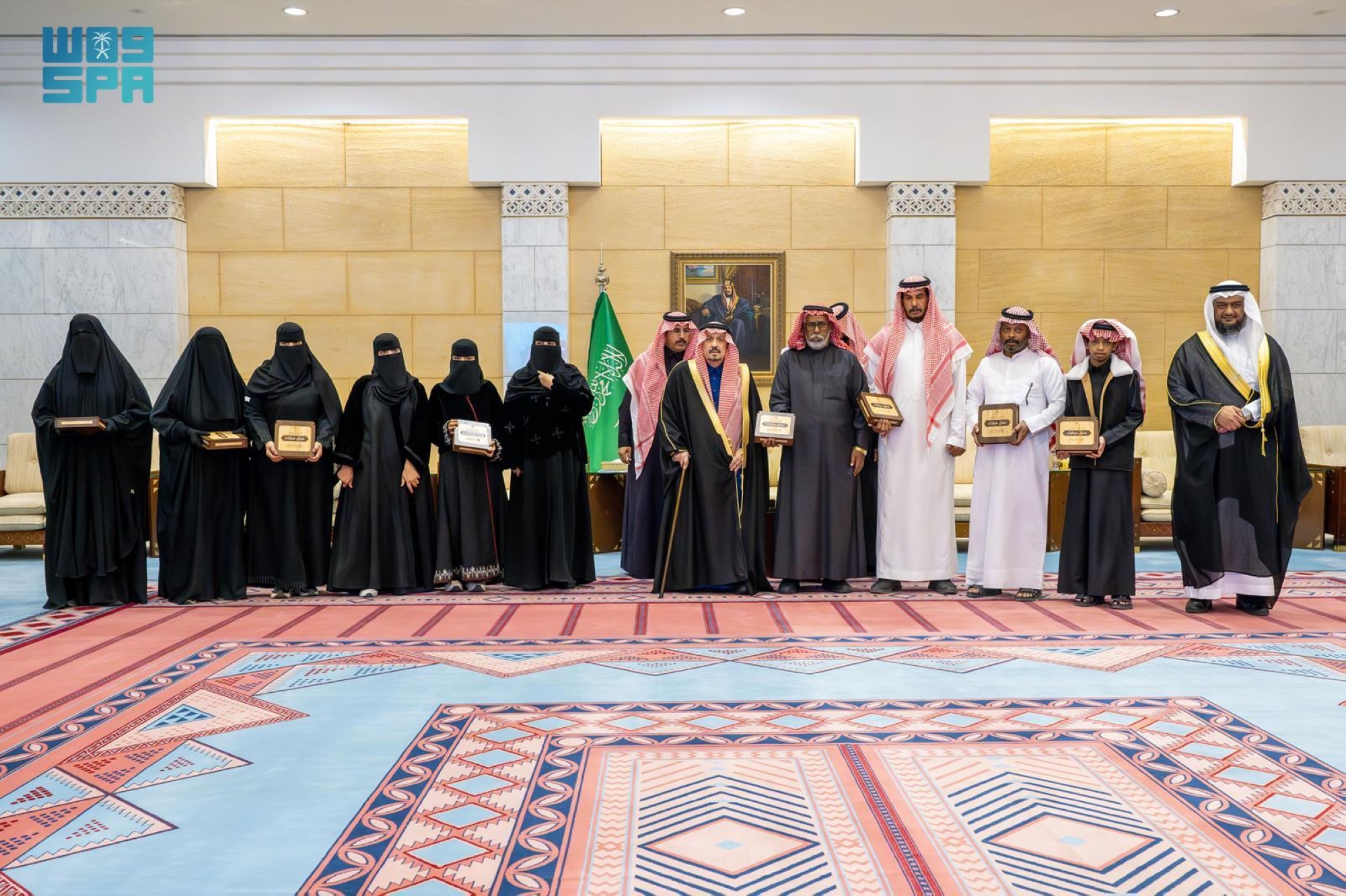
In a significant development event reflecting the wise leadership's commitment to providing a dignified life for citizens, His Royal Highness Prince Faisal bin Bandar bin Abdulaziz, Governor of Riyadh Region, presided over the ceremony for handing over ownership documents for housing units to eligible families in the region. This achievement culminates the major humanitarian initiative and generous donation of one billion riyals from His Royal Highness Prince Mohammed bin Salman bin Abdulaziz, Crown Prince and Prime Minister, from his personal funds, which was allocated to support the charitable sector and secure suitable housing for the most needy families in the Kingdom.
The ceremony, organized by the National Housing Development Foundation "Sakan" at the Qasr Al-Hukm Palace, showcased the project's journey of achievement, characterized by exemplary execution standards. These projects were completed in accordance with the directives of His Royal Highness the Crown Prince, who mandated their completion within a short period not exceeding 12 months. This timeframe was achieved thanks to the combined efforts of Saudi nationals and the reliance on qualified Saudi companies, highlighting the efficiency of the Saudi private sector and its ability to respond swiftly to development requirements while adhering to the highest standards of quality and construction sustainability.
This step is of paramount strategic importance within the framework of the Kingdom's Vision 2030, specifically the housing program, which aims to increase homeownership rates among citizens. This initiative serves as a prime example of integration between the public and non-profit sectors, as the Kingdom seeks to empower the third sector to be an effective contributor to the GDP and a driver of social development by providing sustainable housing solutions for vulnerable groups, thereby strengthening the social safety net.
In his address during the event, the Governor of Riyadh expressed his deepest gratitude and appreciation to the Custodian of the Two Holy Mosques, King Salman bin Abdulaziz, and to His Royal Highness the Crown Prince, for their profound concern for the needs of the citizens. He affirmed that the Riyadh region is witnessing comprehensive development aimed at strengthening family stability, and congratulated the beneficiaries on their new homes, which were designed to meet the needs of Saudi families and provide them with a safe and stable living environment.
For his part, His Excellency the Minister of Municipalities and Housing, Chairman of the Board of Trustees of the "Sakan" Foundation, Mr. Majid Al-Hogail, expressed his appreciation for the unlimited support from the leadership and the follow-up of the Governor of Riyadh, noting that the Foundation continues its work through the "Jood Housing" platform to deliver successive batches of housing units. Al-Hogail explained that these units have undergone rigorous technical testing in line with the objectives of the "Quality of Life" program, ensuring that the concept goes beyond simply providing shelter to creating fully integrated residential communities.
The role played by the "Jood Housing" platform and the "Sakan" Foundation is pivotal in the governance of charitable giving in the Kingdom, as these platforms ensure that support is directed to those who deserve it with complete transparency and reliability. This institutional approach contributes to strengthening the values of social solidarity and transforming housing support from mere temporary aid into sustainable development solutions that contribute to the economic and social stability of beneficiary families, which positively impacts the fabric and cohesion of Saudi society.
Local News
The trial of Sarah Khalifa and 27 other defendants in the drug manufacturing case has been postponed
The Cairo Criminal Court decided to postpone the trial of Sarah Khalifa and 27 other defendants in a drug manufacturing and weapons possession case. Learn about the details of the charges and the expected penalties under the law.

The Cairo Criminal Court, convened in New Cairo, decided to postpone the trial of producer and media personality Sarah Khalifa and 27 other defendants until next Thursday. This trial stems from serious charges related to forming an organized criminal gang aimed at importing and manufacturing narcotics, as well as possessing unlicensed firearms and ammunition, in a case that has recently captured public attention.
Postponement to complete the defense
The latest postponement was granted to give the defense an opportunity to complete its arguments and review the documents submitted in the case. Previous sessions witnessed extensive legal debate, with the defendants' lawyers questioning the arrest and search procedures, arguing that the investigations were insufficient to prove the charges. They also challenged the validity of some of the confessions attributed to the defendants, demanding the inclusion of independent technical reports to examine the seized items.
Details of the criminal network
The case file and the Public Prosecution's investigations revealed startling details about the network's modus operandi, which allegedly relied on importing raw materials from abroad used as essential inputs in the manufacture of synthetic drugs. According to the investigations, the defendants converted inconspicuous spaces within residential properties into manufacturing and storage facilities, preparing them to distribute the drugs both domestically and internationally.
The seizures included large quantities of narcotics and raw materials, as well as tools and equipment used in chemical manufacturing processes, which was reinforced by technical evidence that included the transcription of surveillance cameras and the examination of mobile phones that revealed coordination communications between members of the group.
Legal framework and expected penalties
This case is particularly significant given the nature of the charges. Egyptian law strictly distinguishes between drug use and trafficking, and imposes significantly harsher penalties for manufacturing, importing, and managing criminal organizations. According to Egyptian anti-narcotics law, crimes involving the importation or manufacture of narcotics can carry penalties of life imprisonment or the death penalty, especially when accompanied by aggravating circumstances such as possession of weapons or abuse of power.
Context of combating organized crime
This trial comes at a time when Egyptian security forces are intensifying their efforts to combat organized crime and cut off drug supplies, particularly synthetic drugs, which have become a major threat to public safety. Cases involving the local manufacture of drugs are considered a top priority for judicial and security authorities, given their direct impact on public health and the national economy.
Legal and media circles are awaiting the outcome of next Thursday’s session, which is expected to be decisive in the course of the case, whether through the presentation of new evidence of denial by the defense or the court’s move towards reserving the case for judgment after all legal procedures have been completed.
Local News
The Cabinet approves the national policy for the Arabic language and updates on Gaza
Chaired by the Crown Prince, the Cabinet approves the National Policy for the Arabic Language, affirms the Kingdom’s position on the events in Gaza, and adopts international agreements to promote the economy and the environment.
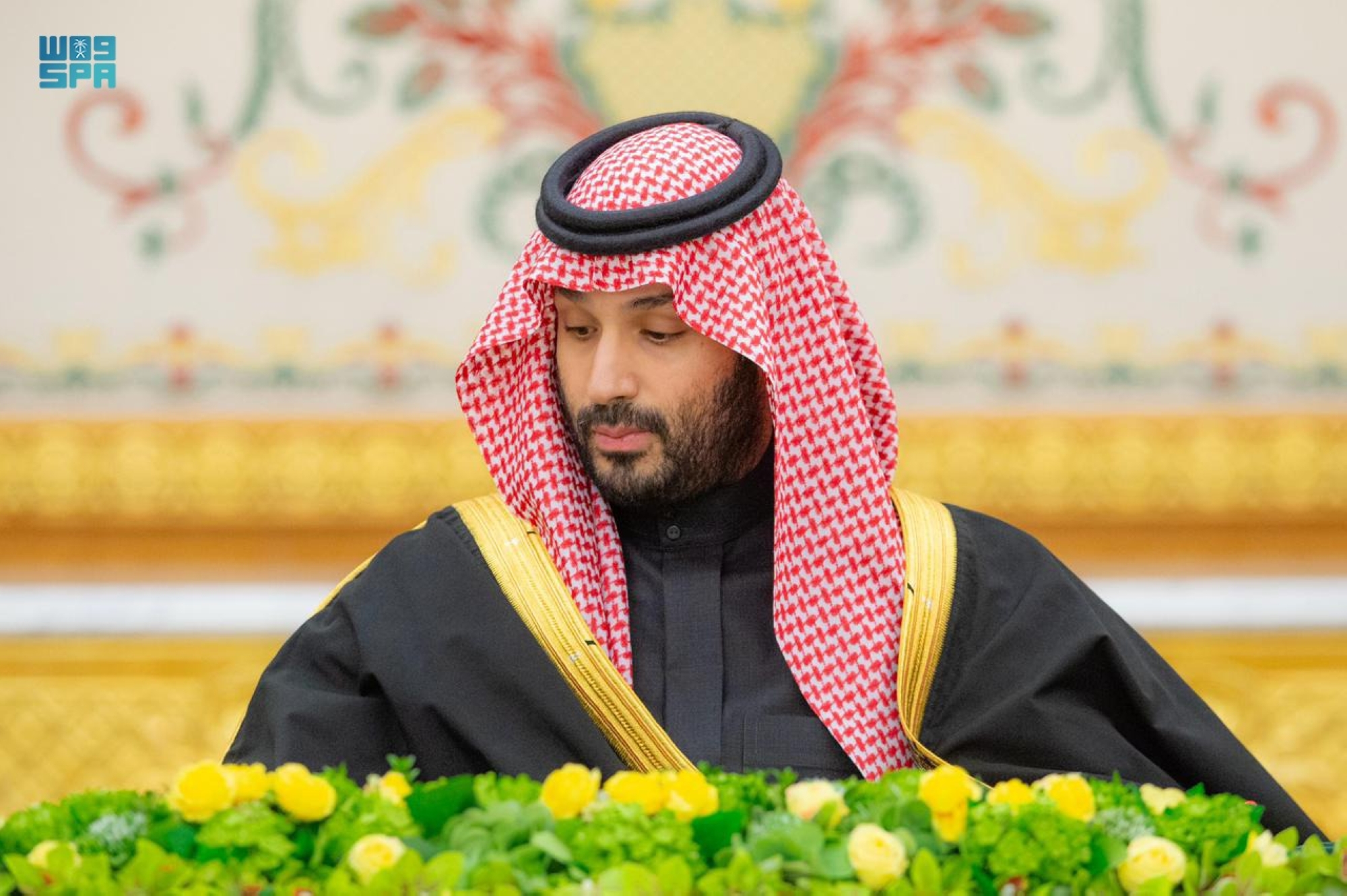
His Royal Highness Prince Mohammed bin Salman bin Abdulaziz Al Saud, Crown Prince and Prime Minister - may God protect him - chaired the Cabinet meeting held today in the capital, Riyadh, which witnessed the issuance of a package of vital decisions that affect the national identity and the political and economic affairs of the Kingdom.
Developments in regional and international affairs
At the outset of the session, His Royal Highness the Crown Prince briefed the Council on the recent talks and consultations the Kingdom has held with a number of brotherly and friendly nations. These diplomatic efforts are part of the Kingdom's leading role in promoting international peace and security. The Council reaffirmed the Kingdom's steadfast positions on current issues, emphasizing the importance of prioritizing dialogue to resolve disputes—an approach Saudi diplomacy has historically adopted to ensure regional stability and spare the region the ravages of conflict.
On the Palestinian issue, the Cabinet emphasized the strong points of the statement issued by the foreign ministers of Arab and Islamic countries, condemning the continued Israeli violations in the Gaza Strip. The Cabinet affirmed that these practices undermine the prospects for peace, reiterating its call for progress towards a just and comprehensive solution that guarantees the establishment of an independent Palestinian state—a demand that has always been at the forefront of Saudi foreign policy priorities in international forums.
Strengthening national identity: The national policy for the Arabic language
In a strategic move reflecting the leadership's commitment to strengthening cultural identity, the Council of Ministers approved the National Policy for the Arabic Language in the Kingdom of Saudi Arabia. This decision reinforces the status of the Arabic language as a cornerstone of national identity and aligns with the objectives of the Kingdom's Vision 2030, which places great importance on culture and heritage. This policy represents a pivotal step towards unifying governmental and private efforts in serving the Arabic language, ensuring its proper use across various fields, and keeping pace with modern technological advancements in a way that enhances Arabic content.
In a related context, the Council authorized the Minister of Culture to discuss with the League of Arab States a memorandum of understanding to serve the Arabic language, reflecting a regional dimension to the Kingdom’s efforts to protect the Arabic language and enhance its global presence.
Developmental, economic and environmental movement
The Council reviewed the outcomes of several major conferences recently hosted by the Kingdom, commending the positive results of the Green Middle East Initiative, which has grown to include 35 member states. The initiative aims to plant more than 22 billion trees, a massive environmental project that positions the Kingdom at the forefront of countries combating climate change and desertification, and underscores its commitment to global environmental responsibility.
The Council also highlighted the successes of the International Conference on Data and Artificial Intelligence, the Future Real Estate Forum, and the Saudi Media Forum. These events, and the dozens of agreements that resulted from them, reflect the rapid economic growth Riyadh is experiencing as a regional hub for business and innovation, and the Kingdom's efforts to localize technology and diversify its sources of income away from oil.
International resolutions and agreements
The council concluded its session by approving a number of agreements and memoranda of understanding with several countries, including:
- General cooperation agreement with Cyprus.
- Memorandum of Understanding in the field of justice with the International Institute for the Unification of Private Law.
- Postal cooperation with Brazil, and an air transport agreement with Finland.
- Strategic research agreements between the Ministry of Economy and Planning and Harvard University in the United States, to enhance competitiveness and build research systems.
- Security cooperation with Uzbekistan to combat terrorism and its financing.
These agreements confirm the Kingdom’s ongoing pursuit of building diverse strategic partnerships that serve its national interests and enhance its active presence on the international stage.
-

 Local news one week ago
Landslide in Riyadh: Details of the incident in Al-Sahafa neighborhood and containment efforts
-

 Culture and Art, 1 week ago
Haifa Wehbe's absence in Riyadh: A photo crisis or a strained relationship with the media?
-
 Local news one week ago
Riyadh collapse: Emergency plans to secure water after a main pipeline burst
-
 Culture and Art, 1 week ago
City Kitchen series: A drama of conflict and the middle class during Ramadan
-

 Culture and Art, 1 week ago
The series "Kasra": Dawood Hussein in a moving social drama this Ramadan
-

 Local news one week ago
Applying for the 1447 Opportunities Program for Teachers via the Fares System
-
 Local News 6 days ago
Ramadan 2026 discounts in Saudi Arabia: Offers valid for 54 days
-
 Culture and Art 5 days ago
The death of artist Huda Shaarawi “Umm Zaki” and her funeral in Damascus