Politics
Sending Tomahawk missiles to Ukraine: A Russian warning of dire consequences
Russia warns of dire consequences after supplying Tomahawk missiles to Ukraine, amid escalating tensions between Moscow and Washington and significant geopolitical implications.


Tensions are escalating between Moscow and Washington over Tomahawk missiles
Amid escalating international tensions, former Russian President Dmitry Medvedev warned that the US supply of Tomahawk missiles to Ukraine could have dire consequences for everyone, specifically mentioning the impact on former US President Donald Trump. These remarks come against a backdrop of increasing geopolitical complexities among the world's major powers.
Russian warnings and American statements
Medvedev explained that distinguishing between conventional Tomahawk missiles and those equipped with nuclear warheads is impossible once launched, raising concerns about how Russia would respond to such a development. He hinted at the possibility of a Russian response of a nuclear nature, reflecting the gravity of the current situation.
For his part, Trump warned that he might send long-range Tomahawk missiles to Ukraine if Moscow did not end the war there soon. He emphasized that he might be prepared to increase pressure on Russian President Vladimir Putin using a substantial weapons system, stressing the power and impact of these offensive missiles.
Talks with Zelensky
Trump's remarks came after a phone call with Ukrainian President Volodymyr Zelensky, during which they discussed strengthening Ukraine's air defenses and long-range capabilities. Zelensky described the call as "very productive," indicating a convergence of views on the importance of bolstering Ukraine's defense capabilities.
International reactions and strategic analysis
Russian President Vladimir Putin has previously warned that the United States supplying Ukraine with long-range missiles would seriously damage relations between Moscow and Washington. This warning reflects Russia's deep concern about any escalatory steps that could worsen the security situation in the region.
Saudi Arabia and its diplomatic role
Amid these escalating tensions, Saudi Arabia is playing a crucial diplomatic role in attempting to de-escalate the situation and promote regional and international stability. Riyadh is relying on its diplomatic strength and strategic balance to achieve peace and stability in the region and the world.
Conclusion and analysis of the international situation
The situation between Russia and the United States remains sensitive and complex, requiring wisdom and diplomacy to avoid any escalation that could lead to disastrous consequences. Continued dialogue and mutual understanding are the best way to resolve conflicts and ensure global security and peace.




Politics
Trump's presidential plane malfunctioned en route to the Davos Forum
Details of the technical malfunction that forced US President Donald Trump's plane to turn back while en route to the Davos Economic Forum, and how he resumed his trip.
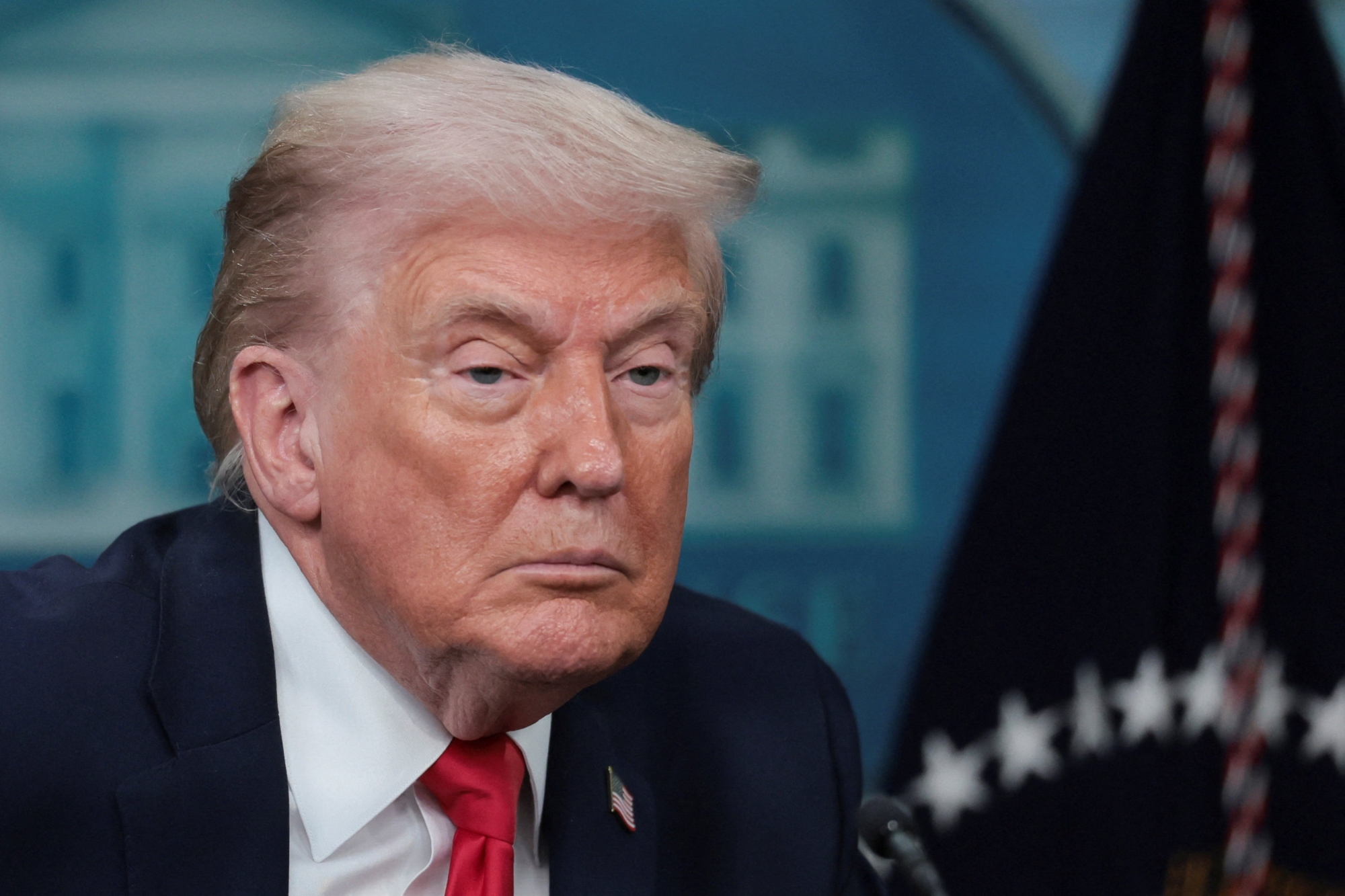
Former US President Donald Trump resumed his trip to Switzerland to participate in the World Economic Forum in Davos after his presidential plane, Air Force One, experienced a minor technical malfunction that forced it to return to its base as a precaution. The incident, though minor, highlighted the strict protocols and high level of preparedness surrounding the travel of the US president.
Details of the incident and the swift response
About 90 minutes after takeoff from Joint Base Andrews near Washington, the crew of Air Force One detected what was described as a “minor electrical issue.” The decision was immediately made to return to base to ensure the highest safety standards. The plane landed safely, and President Trump and his entourage were transferred to a replacement aircraft that was ready to depart, allowing them to continue their journey to Davos without significant delay.
The importance of the Davos Economic Forum
The World Economic Forum, held annually in Davos, Switzerland, is one of the most important international gatherings, bringing together heads of state, top executives from global corporations, and leading thinkers and academics. The forum aims to address the world's most pressing challenges, from the economy and trade to climate change and international security. Trump's participation in the forum garnered significant media attention, as the world awaited his speeches, which often championed his "America First" economic policies in a forum traditionally inclined towards globalization and free trade.
The US presidential plane: a symbol of power and safety
Air Force One (the call sign for any U.S. Air Force aircraft carrying the president) is more than just a means of transportation; it's a flying command center and mobile office equipped with state-of-the-art secure communications and advanced defense systems. The aircraft undergoes rigorous and continuous inspection and maintenance, making technical incidents extremely rare. Having a backup aircraft always ready is standard operating procedure to ensure the president's schedule is never disrupted by any unforeseen event.
Rare incidents in the history of presidential aviation
Despite the near-perfect safety record of the U.S. presidential air fleet, history records a few minor incidents that were handled efficiently. In 2011, former President Barack Obama's plane had to abort a landing attempt due to poor weather conditions. In 2012, a plane carrying then-Vice President Joe Biden experienced a bird strike mid-flight but landed safely without incident. These incidents underscore that the established procedures prioritize the safety of leaders.
Politics
A congratulatory message from the leadership to the Sultan of Brunei reflects the strength of relations between the two countries
The Custodian of the Two Holy Mosques and the Crown Prince sent congratulatory telegrams to the Sultan of Brunei on the success of his surgery, in a gesture that affirms the strength of the historical relations between the two kingdoms.
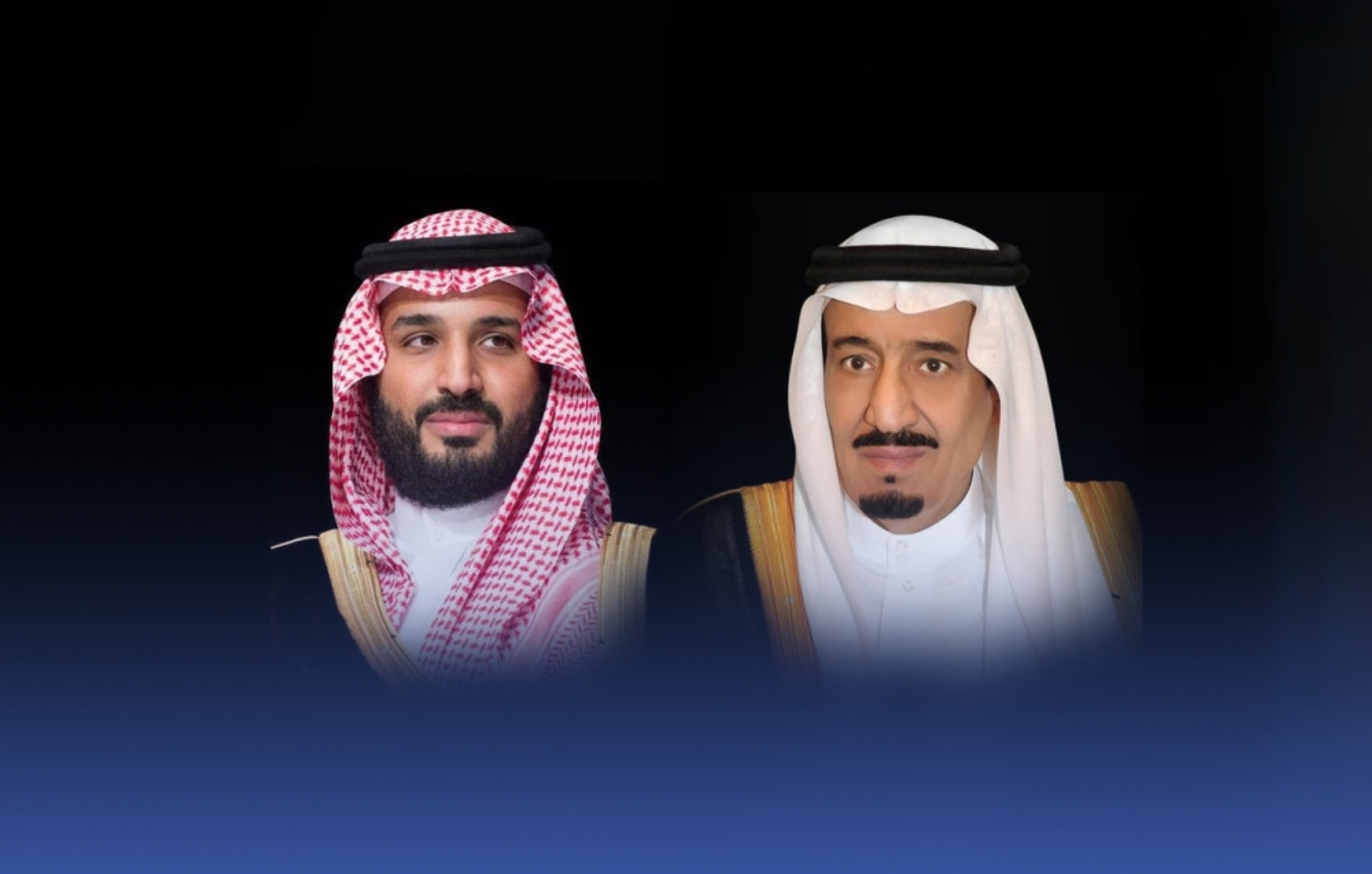
The Custodian of the Two Holy Mosques, King Salman bin Abdulaziz Al Saud, and His Royal Highness Prince Mohammed bin Salman bin Abdulaziz Al Saud, Crown Prince and Prime Minister, sent congratulatory telegrams to His Majesty Sultan Haji Hassanal Bolkiah, Sultan of Brunei Darussalam, on the occasion of the success of the surgery he recently underwent.
In his telegram, the Custodian of the Two Holy Mosques expressed his sincerest congratulations and best wishes to His Majesty, saying: “On the occasion of the success of the surgical operation performed on Your Majesty, we are pleased to send you our warmest congratulations and best wishes, asking God Almighty to grant you health and happiness, and to protect you from all harm and evil. He is the All-Hearing, the Responsive.”.
For his part, His Highness the Crown Prince expressed in his telegram his sincere congratulations and best wishes, saying: “On the occasion of the success of the surgical operation performed on Your Majesty, I am pleased to express to you my most sincere congratulations and best wishes, praying to the Almighty God to grant you continued health and happiness, and not to show you any harm, for He is the All-Hearing, the Responsive.”.
The depth of historical relations between the two kingdoms
This diplomatic gesture reflects the deep-rooted fraternal and historical ties between the Kingdom of Saudi Arabia and the Sultanate of Brunei Darussalam. Both countries are prominent members of the Organization of Islamic Cooperation and share strong religious and cultural bonds, in addition to being monarchies that strive to maintain stability and development in their respective regions. Their relationship extends beyond official protocols to include ongoing coordination in international forums and economic cooperation, particularly in the fields of energy and investment.
The importance of Brunei's leadership stability
Sultan Hassanal Bolkiah, who has reigned since 1967, is one of the longest-reigning monarchs in the modern world. Under his leadership, Brunei has undergone significant economic and social transformations, leveraging its vast oil wealth to achieve high living standards for its citizens. His Majesty's health and the stability of his leadership are crucial not only to Brunei's internal stability but also to its role as an active member of the Association of Southeast Asian Nations (ASEAN).
Diplomatic signals and messages of solidarity
These messages from the Saudi leadership are not merely personal greetings, but rather a reaffirmation of the enduring strategic alliances and strong ties between the two kingdoms. In a changing world, such messages are particularly important in strengthening solidarity between friendly nations and conveying a clear message of mutual support at the highest levels. They also highlight the pivotal role of personal diplomacy between leaders in establishing the foundations of robust and sustainable international relations. We wish His Majesty continued health and well-being.
Politics
Trump rejects Macron's invitation and escalates tensions over Greenland | International News
US President Donald Trump has rejected an invitation from Macron to a G7 meeting, reiterating his interest in controlling Greenland for security reasons, which is raising tensions with NATO allies.
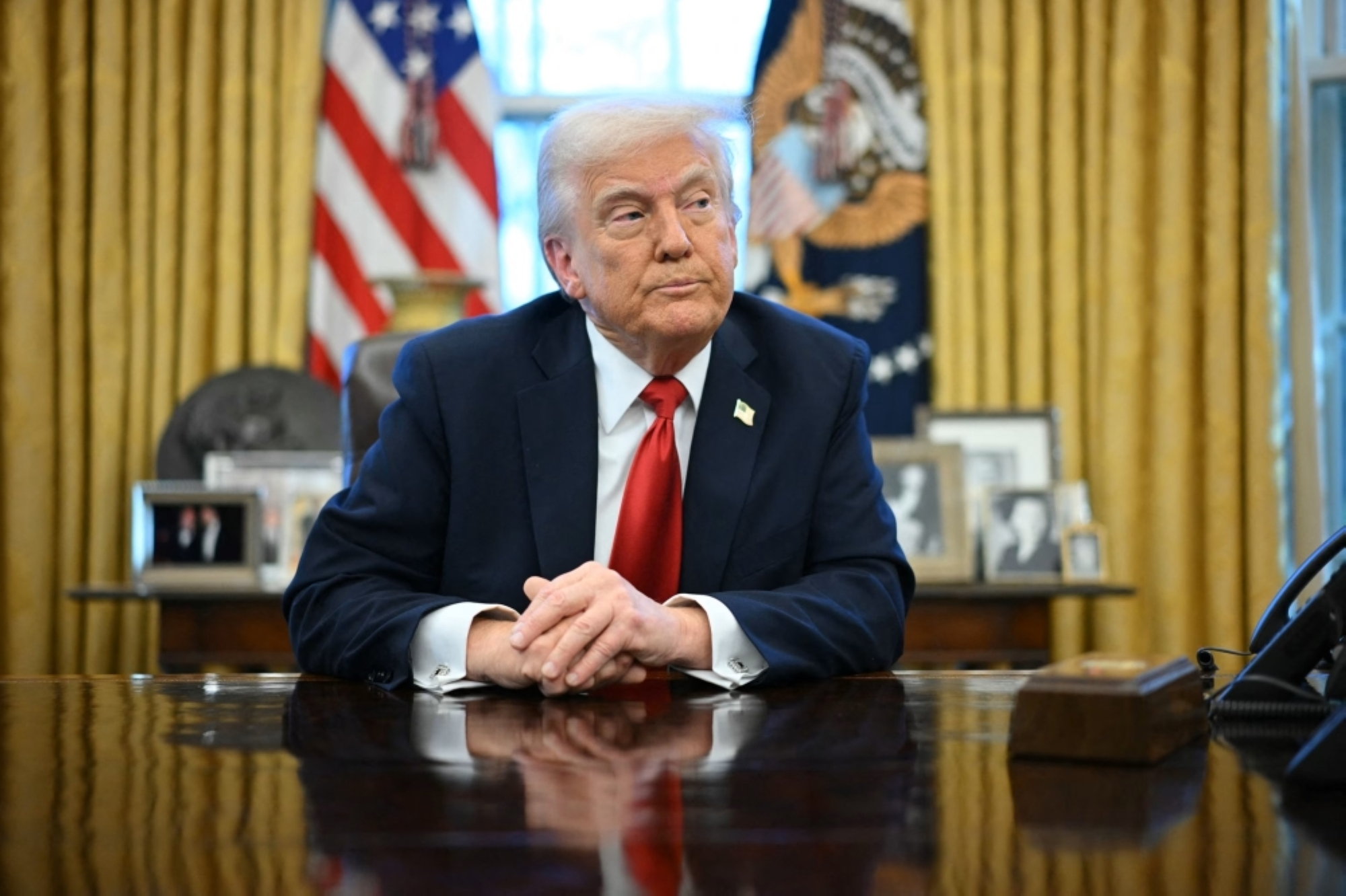
In a move reflecting ongoing diplomatic tensions between the United States and its European allies, former US President Donald Trump declined an invitation from his French counterpart, Emmanuel Macron, to attend a G7 summit in Paris. This refusal underscored the deep divisions that characterized his presidency on issues such as trade, climate, and security, which frequently pitted Washington against the other members of the group.
Background of tension in the G7
The G7 is a forum comprising the world’s largest advanced economies (the United States, Canada, France, Germany, Italy, Japan, and the United Kingdom), aiming to coordinate economic policies and address pressing global issues. However, the Trump presidency saw unprecedented tensions within the group, as his “America First” policy led to frequent clashes with traditional allies. Macron’s proposal for an additional meeting was an attempt to mend the rift and unify positions, but Trump’s rejection of the invitation demonstrated how difficult this goal would be given the existing disagreements.
Greenland: A strategic interest or a real estate deal?
Amid diplomatic tensions, Trump renewed his controversial interest in Greenland, the world's largest island and a Danish territory. He asserted that the United States and NATO would reach a mutually agreeable agreement on its future, emphasizing that he would not back down from his goal of controlling it. Trump added that the need for the island stemmed from "security purposes," and did not even rule out the possibility of seizing it by force, saying, "We're going to work on something that will make NATO very happy and that will make us very happy.".
The strategic importance of Greenland
Trump’s interest in Greenland raises questions about his motives, which extend beyond a mere real estate deal. The island occupies a crucial geostrategic position in the Arctic, a region whose importance is growing as ice melts, new shipping lanes open, and opportunities for vast natural resources emerge. Greenland also hosts Thule Air Base, a vital military facility for US early warning and missile defense systems. Direct control of the island would give Washington enormous strategic leverage in countering Russian and Chinese expansion in the Arctic, which explains Trump’s insistence on its security importance to the United States and NATO.
Regional and international repercussions
Trump’s remarks were met with a firm rejection from Denmark, which affirmed that Greenland is not for sale. This stance sparked a brief diplomatic crisis between the two NATO allies, highlighting Trump’s unconventional approach to foreign policy. Internationally, this event, along with the rejection of Macron’s invitation, reflects a shift in global dynamics, where traditional alliances are being severely tested and geopolitical competition is intensifying in previously relatively stable regions such as the Arctic.
-

 Reports 6 days ago
Achievements of Saudi government sectors in 2025
-
Local news two weeks ago
FDA warns of contaminated Nestle infant formula | Recall details
-
Technology 4 weeks ago
Artificial intelligence regulations in Saudi education and student data protection
-
Technology 4 weeks ago
US ban on drones: reasons and consequences
-
Technology 4 weeks ago
SRMG and Snapchat partnership: The future of digital media in the Middle East
-
Technology 4 weeks ago
Saudi Arabia's Ministry of Islamic Affairs is employing artificial intelligence in public speaking
-
Sports 4 weeks ago
Salah leads Egypt to a thrilling comeback against Zimbabwe in the Africa Cup of Nations
-
Sports 4 weeks ago
Napoli win the Italian Super Cup in Riyadh for the third time (2025)