Local News
The story of Hamed Suleiman: An extraordinary life journey that ended with malaria
Discover the story of Hamid Suleiman, a man who embodied contradictions and was loved by all. A moving tribute to a unique individual who defied malaria during its local absence and passed away suddenly.

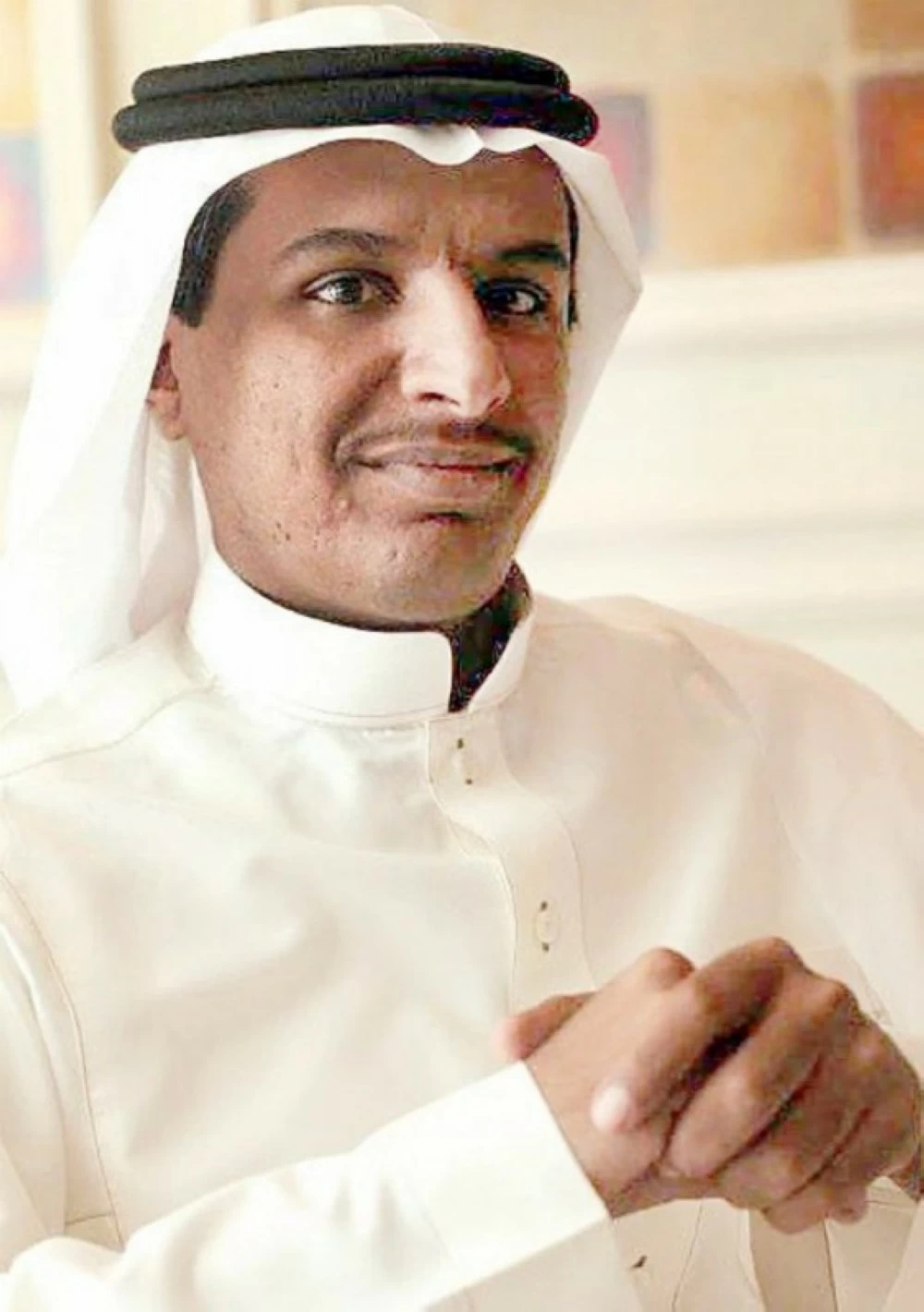
In the long queue of life where people stand awaiting their inevitable ends, there was a man who defied the conventional rules of waiting. He was Hamed Suleiman , a figure who wasn't just a number on the list, but an exceptional case brimming with life, playfulness, laughter, and even those white lies that add a special flavor to reality. Hamed wasn't waiting for death; he lived each moment as if it were eternity, frolicking at the back of the queue, unconcerned with what fate held in store.
A multi-dimensional personality: from chess to farming
Hamed possessed a unique existential philosophy; he was the kind of man you'd find one day managing a chess tournament with sharp intellect, the next day politely visiting a government office, and then, just as quickly, launching a farm project. Class distinctions had no place in his life; he saw a simple Egyptian worker as a "legend," befriending him in a complex and profound way that transcended superficial appearances. This ability to move between different worlds made him an enigmatic figure, a "gentleman" who, upon first meeting, might seem like the "Secretary-General of the United Nations," only for you to discover later, upon entering his inner circle, that he possessed the heart of a child and the spirit of an adventurer.
A network of relationships that transcends borders and cities
Geography did not limit Hamid's social ambitions; in Riyadh, everyone was within easy reach, and in the Eastern Province, he had a strong presence. Even beyond the borders, he would proudly declare, "Lebanon is in my pocket," referring to his friends there. His relationship with Mecca was particularly special, as he befriended its inhabitants all at once, considering them "sons of his neighborhood." He was so friendly that he shared his smile and generosity with strangers, and even with the natural world around him, from the rooftop grasses to the towering mountains of Al-Hada.
The final confrontation: The malaria challenge and departure
In the context of public health, it is well known that the Kingdom and the region have witnessed concerted efforts to contain epidemics, with malaria infection rates declining significantly to the point of near-elimination in many areas. Herein lies the tragic irony of Hamid's story. Just as the disease was receding, Hamid—with his characteristic audacity—decided to break the monotony of the queue. He noticed that malaria no longer had a "local presence," so he decided to seek it out and confront it head-on, or as he described it, to "get it right in front of him.".
On that fateful night, as he watched a shooting star streak across the sky, his familiar laughter echoing, "May your day be blessed," Hamid was writing the final chapter of his story. He had carelessly cut in line and gone to meet his destiny, confronting a disease many thought was a thing of the past. Hamid Suleiman departed, leaving behind the legacy of a man who lived life in his own unique way, and who died trying to grasp the head of malaria.


Local News
Visiting times to the Prophet's Mosque during Ramadan 1446 and how to book an appointment
Find out the visiting times for the Prophet's Mosque (Al-Rawdah Al-Sharifah) during Ramadan for men and women. The General Authority for the Care of the Two Holy Mosques announces the schedules for the first twenty days and the last ten days, and the booking process through Nusuk.

The General Authority for the Care of the Grand Mosque and the Prophet’s Mosque officially announced the approved timetable for visiting the Noble Garden during the holy month of Ramadan, as part of its operational plan for the Umrah and visitation season, with the aim of ensuring smooth movement and providing the opportunity for the largest number of Muslims to pray in this holy place in a safe and convenient faith-based atmosphere.
Visit schedule during the first twenty days of Ramadan
The authority explained that the visitation schedule relies on precise time intervals separating men and women to ensure privacy and comfort. For the first twenty days of Ramadan , the times were set as follows:
- For men: Two periods daily; the first is morning and evening, extending from 11:20 am to 8:00 pm, and the second is nighttime, from 2:00 am to 5:00 am.
- For women: There are two periods as well; the first from 11:00 PM until 1:40 AM, and the second in the morning from 6:00 AM until 11:00 AM.
Visiting times during the last ten days
Due to the expected high density in the last ten days of Ramadan, the authority made slight adjustments to accommodate the numbers, and the times are as follows:
- For men: three periods; the first from 11:20 am to 8:00 pm, the second from 11:00 pm to 12:00 am, and the third from 2:00 am to 5:00 am.
- For women: One morning period has been allocated, extending from 6:00 AM to 11:00 AM.
The importance of the Holy Garden and its spiritual significance
Visiting the Prophet's Mosque (Al-Rawdah Al-Sharifah) holds immense importance in the hearts of Muslims, for it is the place about which the Prophet (peace and blessings be upon him) said: “Between my house and my pulpit is a garden from the gardens of Paradise.” Praying there is among the most significant spiritual experiences for visitors to Medina, especially during Ramadan, when rewards are multiplied. Pilgrims from all corners of the earth are keen to seize the opportunity to be in this blessed space for supplication and prayer, making the organization of entry and exit a vital necessity to maintain the tranquility of the place and the safety of visitors.
Technical organization through “Nusk” and the Kingdom’s efforts
The authority emphasized that entry to the Prophet's Mosque (Al-Rawdah Al-Sharifah) is contingent upon booking an appointment in advance through the Nusuk app, stressing the importance of adhering to the time specified in the permit. This regulation is part of the Kingdom of Saudi Arabia's ongoing efforts to utilize technology to serve pilgrims, aiming to eliminate overcrowding and achieve the highest standards of safety and security, in line with the goals of the Kingdom's Vision 2030 to facilitate the journey of pilgrims and visitors and enrich their religious and cultural experience.
Local News
Details of Abdullah Al-Qubai's death and the arrival of his body... Abdo Khal reveals the secret
The body of journalist Abdullah al-Qubai'i arrived in Jeddah. Novelist Abdo Khal reveals details of his pulmonary embolism and why he kept it a secret from his family before his sudden death in London.

In moments of profound grief that enveloped the Saudi media community, the body of the late journalist Abdullah Al-Qubai' arrived in the Kingdom this morning from London, following his sudden death on February 15th. Media professionals, intellectuals, and admirers of the deceased are preparing to accompany his body to its final resting place in Al-Faisaliyah Cemetery in Jeddah after the noon prayer on Thursday, in a scene that encapsulates a rich professional and personal legacy.
As the body arrived, renowned novelist Abdo Khal, a close friend of the deceased, revealed poignant details surrounding Al-Qubai's final days, shedding light on a hidden aspect of his health struggles. A recent private conversation between them revealed that Al-Qubai had suffered a severe pulmonary embolism, which caused him to fall into a coma that lasted several days. Although he showed temporary signs of recovery, fate intervened, and he departed this world, leaving behind a fragrant legacy and a positive impact.
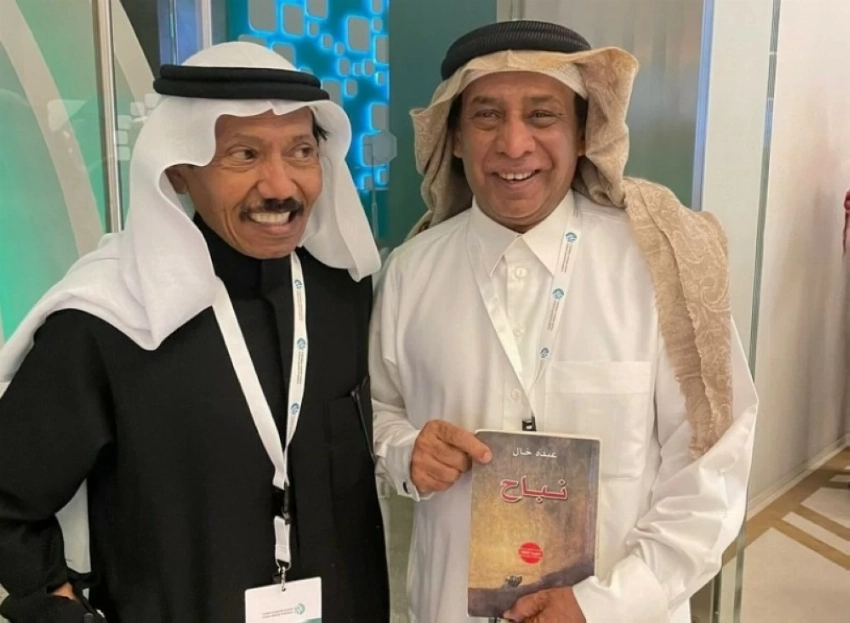
In a detail that reflects his noble character and selflessness, Abdo Khal noted that Al-Qubai’ deliberately concealed his illness and deteriorating health from everyone, including his children and siblings, informing only a very small circle of acquaintances. This behavior stemmed from his deep desire to avoid causing worry or sadness to his loved ones, which explains the shock with which the media received the news of his death, as the majority were unaware of the critical stage he was going through.
The death of Al-Qubai' holds particular significance in the local media landscape, not only because he was a journalist who worked quietly and diligently for years, but also because his passing serves as a reminder of the values of loyalty and camaraderie that bind members of the same profession. His relationship with the novelist Abdo Khal exemplifies a deep friendship that transcends professional boundaries, reaching into strong human connections, as their communication remained constant until their final moments.
A large gathering of the deceased's colleagues and friends is expected at Al-Faisaliyah Cemetery in Jeddah on Thursday afternoon, as they come to offer their condolences, recalling his virtues and his calm demeanor that always instilled a sense of peace in those around him. Abdullah Al-Qubai's passing while abroad and his return carried on the shoulders of love represent a sad chapter, but one that immortalizes the memory of a humane journalist who chose to suffer in silence so that those around him could remain at peace.
Local News
Crowds of worshippers at the Grand Mosque celebrate the first night of Ramadan
The Grand Mosque witnessed a large influx of worshippers to perform the Isha and Taraweeh prayers on the first night of Ramadan, amidst an integrated system of services that ensures the comfort of the guests of God.

The sides of the Grand Mosque in Mecca witnessed a large influx of worshippers and pilgrims with the arrival of the first day of the holy month of Ramadan, as the courtyards and prayer areas were crowded with the guests of God who were keen to perform the Isha and Taraweeh prayers in this pure place, amidst an atmosphere of faith filled with reverence, tranquility and spirituality that characterizes the holy month.
The movement of worshippers was distributed with high smoothness and remarkable ease throughout the Grand Mosque and its outer courtyards, thanks to the precise field monitoring and well-organized plans that contributed to facilitating entry and exit operations, organizing the corridors, and directing worshippers to the vacant places and designated prayer sites, thus preventing overcrowding and ensuring everyone’s comfort.
An integrated service system for the comfort of the pilgrims
The relevant authorities and the management of the Two Holy Mosques were keen to provide a comprehensive package of field and organizational services aimed directly at enhancing the quality of the worship experience for visitors. These efforts included intensifying supervision of the courtyards and prayer areas, managing crowds with high professionalism, and doubling the cleaning, sanitizing, and continuous disinfection of all mosque facilities and courtyards around the clock, to ensure a healthy and safe environment for worshippers.
Ramadan in Mecca: The Qibla of hearts and the focus of attention
The holy month of Ramadan holds a unique and profound significance for Muslims worldwide at the Grand Mosque in Mecca, as their eyes and hearts turn towards the Kaaba. This massive influx on the first night is a testament to the exalted status of the Holy Mosque, where Muslims eagerly seek to benefit from the blessings of this time and place, hoping for the multiplied rewards and divine mercy bestowed during this blessed month.
Leadership and Architecture of the Two Holy Mosques
These tremendous efforts and high-quality services are a continuation of the wise leadership's (may God protect them) profound care and constant attention to the Two Holy Mosques and their visitors. These scenes embody the integrated roles of various organizational, service, and security sectors in serving the pilgrims, harnessing all human and technological resources to provide a complete spiritual atmosphere that enhances their worship experience from the very first moments of the Taraweeh prayers during this blessed Ramadan season.
-

 Culture and Art, 1 week ago
The "Between and Between" exhibition in Jeddah: 5 artists reshape Saudi memory
-
Local News 5 days ago
Saudi Arabia's National Arabic Language Policy: 8 Principles to Promote Identity
-
Culture and Art, 1 week ago
Shakira's concert in Jeddah: Details of the international star's first concert in Saudi Arabia
-
Local News 4 days ago
Adopting the National Policy for the Arabic Language: Strengthening Identity and Vision 2030
-
Local News 5 days ago
The Riyadh-Rin-Bisha dual carriageway, spanning 559 km, has been completed
-
Culture and Art, 1 week ago
Ramez Level the Monster: Details of Ramez Galal's program in Ramadan 2026
-
Local news one week ago
Launch of the new Dammam project with investments of 98 billion riyals
-
Local News 4 days ago
The Supreme Court calls for the sighting of the crescent moon of Ramadan 1447 on Tuesday evening