
Local News
Deputy Governor of Mecca: Serving the holy sites and their visitors is a top priority for the Kingdom
The Deputy Governor of Makkah affirmed that Saudi Arabia places serving the Two Holy Mosques and their visitors at the forefront of its concerns, reviewing the Kingdom’s historical efforts and Vision 2030 plans for the comfort of the pilgrims.

The Deputy Governor of Makkah Region affirmed that the Kingdom of Saudi Arabia, under the leadership of the Custodian of the Two Holy Mosques and His Royal Highness the Crown Prince, has given special attention to serving the Islamic holy sites and their visitors, including pilgrims and Umrah performers, placing this noble task at the forefront of its national and strategic priorities. This affirmation reflects the Kingdom's unwavering commitment to dedicating all its human and material resources to ensuring the comfort and well-being of the guests of God.
A well-established approach and a long historical journey
The care and attention given to the Two Holy Mosques is not a recent development, but rather a fundamental pillar upon which the Saudi state has been built since its founding. God has honored the leaders of this country with the service of the holiest places on earth, and the kings of the Kingdom have considered the title “Custodian of the Two Holy Mosques” a badge of honor and a great responsibility. Over the past decades, Mecca and Medina have witnessed a continuous series of expansion and development projects aimed at accommodating the increasing numbers of Muslims who flock from all corners of the earth to perform their rituals with ease and comfort.
Vision 2030 and the Guests of God Service Program
In line with the Kingdom’s Vision 2030, this focus has been transformed into a comprehensive institutional effort through the launch of the “Guests of God Service Program,” which aims to bring about a qualitative leap in the Hajj and Umrah experience. Through this ambitious program, the Kingdom seeks to facilitate the hosting of more pilgrims while providing high-quality services that enrich the religious and cultural experience of visitors. These efforts include developing digital infrastructure, streamlining arrival procedures, and diversifying transportation and accommodation options, reflecting the Kingdom’s unwavering commitment to enhancing the services provided to those visiting the holy sites.
Unprecedented urban and technological development
The priority given to serving the holy sites is evident in the mega-projects underway in the holy areas, from the historic expansions of the Grand Mosque to the Haramain High-Speed Railway network connecting Mecca, Medina, and Jeddah, thus shortening distances and facilitating movement. The Kingdom has also kept pace with global technological advancements by employing artificial intelligence and smart applications such as the “Nusk” platform and electronic permit applications, ensuring the smooth flow of crowds and providing health and security services according to the highest international standards.
The Kingdom's message to the Islamic world
Placing the service of the holy sites at the forefront of priorities sends a clear message to the Islamic world: the Kingdom of Saudi Arabia is acutely aware of its profound responsibility towards all Muslims. This dedication to service reinforces the Kingdom's position as the beating heart of the Islamic world and underscores its leading role in overseeing Islamic affairs and preserving the identity of the holy cities, ensuring they remain beacons of cultural and spiritual enlightenment for future generations.


Local News
Demolition of dilapidated buildings in Al-Ruwaiss district of Jeddah | Vision 2030
Jeddah Municipality is beginning the removal of 1,011 dilapidated buildings in Al-Ruwaiss neighborhood as part of the city's development plans and to enhance public safety, in line with the goals of Saudi Vision 2030.

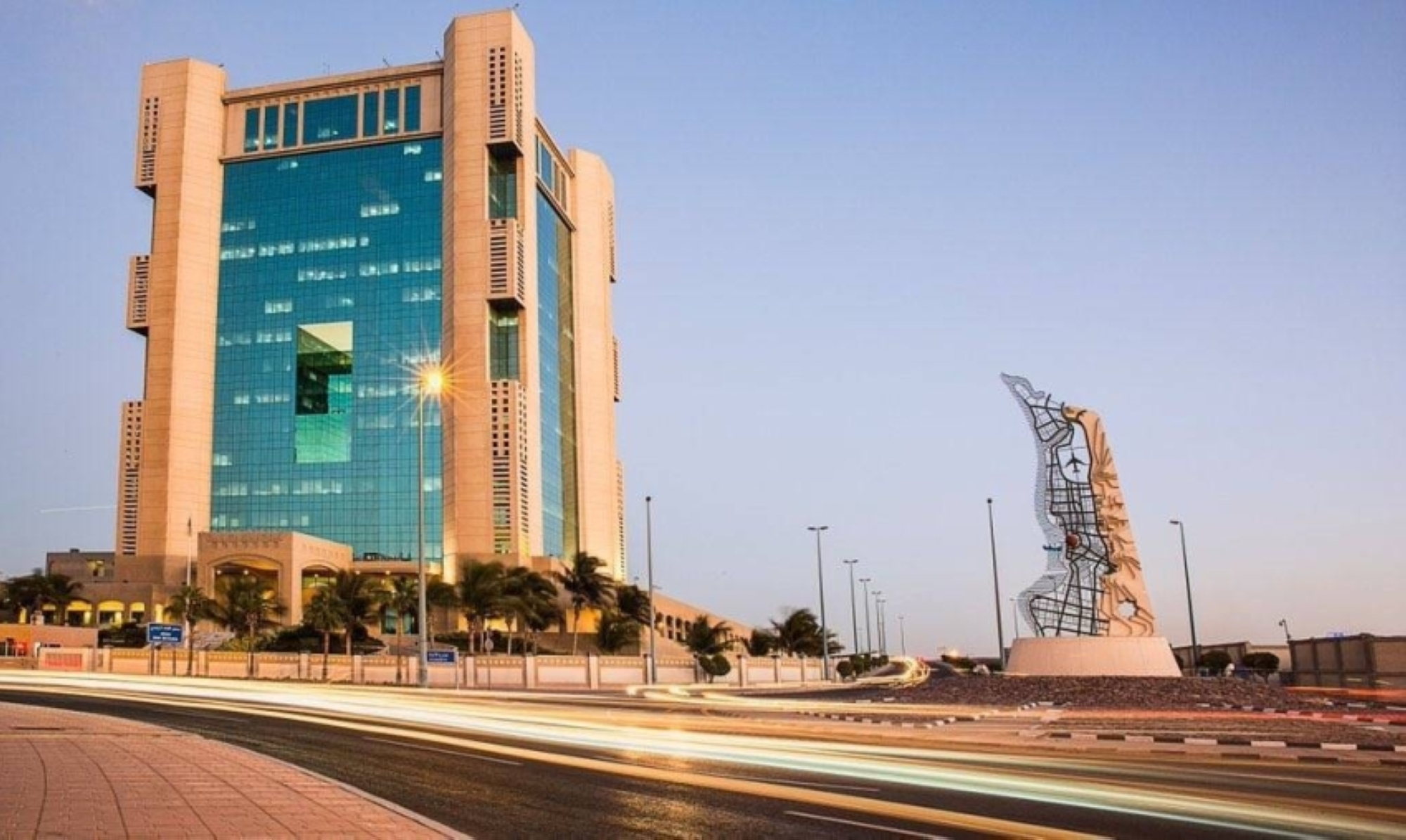
In a significant step towards enhancing public safety and improving the urban landscape, the Jeddah Municipality began demolishing dilapidated buildings in the Al-Ruwaiss district on Sunday. This operation is part of a broader effort to address informal settlements and crumbling buildings that not only pose a threat to lives and property but also hinder the city's sustainable development.
The Jeddah Municipality clarified that the General Directorate of Emergency and Crisis Management has completed the necessary regulatory procedures, notifying 1,011 buildings in the first phase of the project in the Al-Ruwaiss district. Demolition orders have been issued for these buildings by the Committee for Buildings at Risk of Collapse after granting the owners the specified grace period to vacate, paving the way for the commencement of actual demolition work on the ground.
A broader context within Saudi Vision 2030
This step cannot be viewed in isolation from the broader national context. The slum redevelopment projects in Jeddah, including the Al-Ruwaiss district, are an integral part of the Saudi Vision 2030 objectives, which aim to improve the quality of life for citizens and residents by providing a safe, healthy, and sustainable urban environment. Historically, some of Jeddah's older neighborhoods developed unplanned, resulting in inadequate infrastructure and dilapidated buildings lacking basic safety standards. The Jeddah Redevelopment Project aims to fundamentally address these challenges, transforming these areas into modern, fully-serviced residential neighborhoods.
Project importance and expected impact
The importance of removing dilapidated buildings extends far beyond mere safety. Locally, the project will enhance Jeddah's aesthetic appeal and pave the way for modern infrastructure, including wider roads, advanced water and sewage networks, and public amenities such as parks, schools, and health centers. Nationally, the success of this project in Jeddah, the gateway to the Two Holy Mosques, serves as a model for other Saudi cities facing similar challenges and reinforces the Kingdom's position as a nation committed to developing its cities according to the highest international standards. These projects are expected to attract significant investments in the real estate and construction sectors, contributing to the diversification of the local economy and the creation of new job opportunities.
It should be noted that these works are an extension of previous plans that have proven successful, as in previous phases 596 buildings that were about to collapse were removed in the Al-Faisaliyah, Al-Rabwa and Al-Farouq neighborhoods, which confirms the continuity and seriousness of the integrated program adopted by the Secretariat to monitor and address all dangerous buildings throughout the governorate.
Local News
Readiness tests 2026: Evaluating 700 academic programs in Saudi Arabia
The Education and Training Evaluation Commission is launching 'readiness' tests for 68,000 students in 51 disciplines, with the aim of raising the quality of Saudi university graduates and aligning them with the labor market.
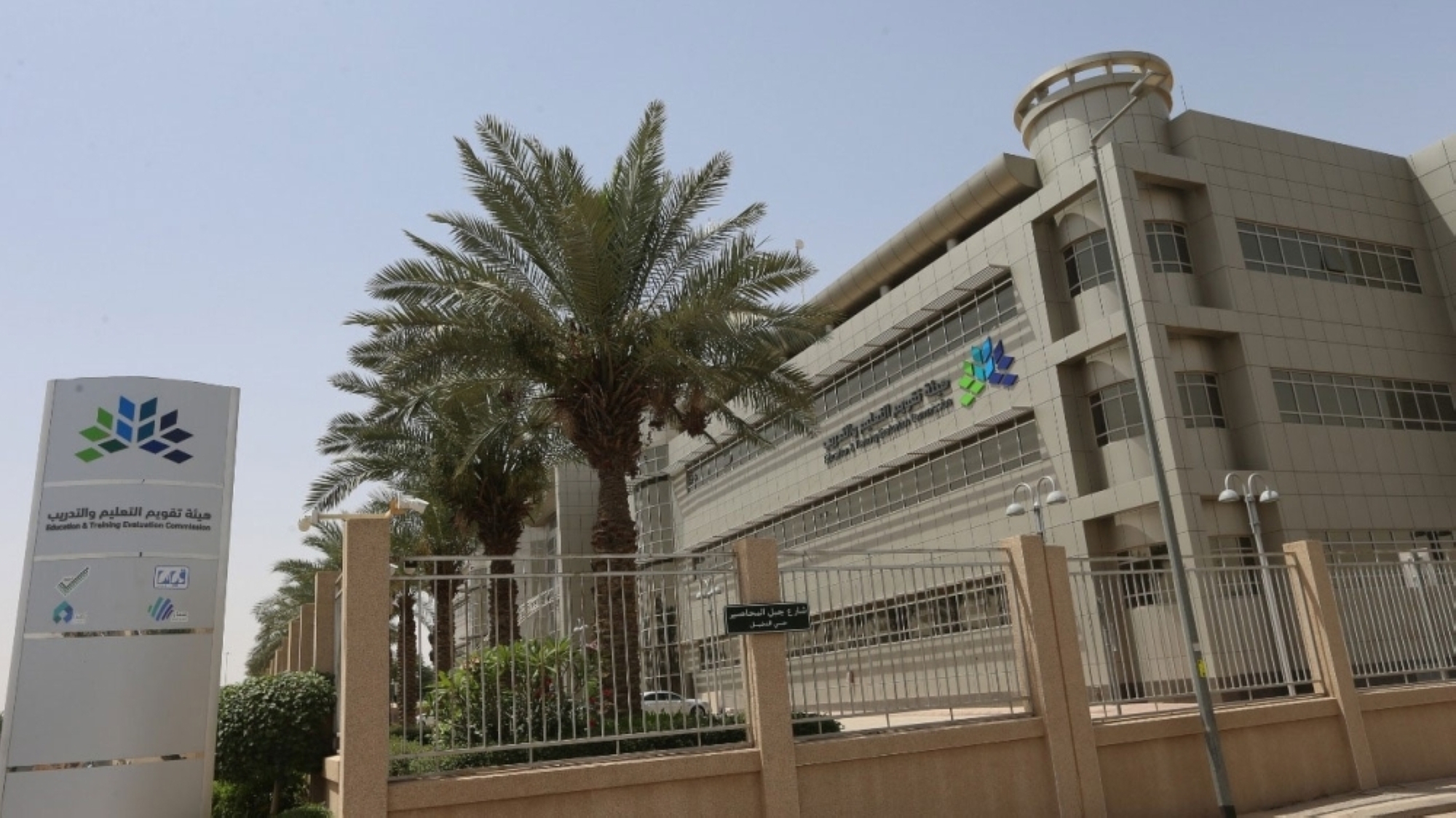
The Education and Training Evaluation Commission in the Kingdom of Saudi Arabia announced the launch of the fourth round of standardized tests for university and college graduates within the “Readiness” program for 2026. This ambitious program, which is implemented in full cooperation with the Council of University Affairs, comes as a strategic step to measure and ensure the quality of higher education outputs, and raise the level of readiness of Saudi graduates to engage effectively in the evolving labor market.
In its current cycle, the program targets a broad range of students, including approximately 68,000 graduating students, distributed across more than 700 academic programs in 50 Saudi universities and colleges, covering 51 vital university disciplines. These tests are scheduled to take place from February 1st to 17th, 2026, to assess the skills and knowledge students have acquired throughout their academic journey.
A strategic initiative within the Kingdom's Vision 2030
The “Readiness” program cannot be viewed in isolation from the broader national framework. It represents a cornerstone for achieving the goals of the Kingdom’s Vision 2030, specifically the Human Capital Development Program. The Vision aims to build a prosperous and diversified economy that relies on the capabilities of its citizens, which necessitates preparing globally competitive citizens equipped with the skills and knowledge required by the 21st century. “Readiness” serves as a precise measurement tool to assess the success of the education system in achieving this goal and to identify areas for improvement to ensure that educational outcomes align with the actual needs of the national economy.
Mechanism of action and expected impact
The standardized tests in “Jahiziyah” are based on meticulously developed specialized frameworks, created in collaboration with experts, academics, and national bodies representing various sectors of the public and private labor market. These frameworks define the minimum knowledge, skills, and values that graduates in each specialization should possess. Thus, the program's benefit extends beyond simply assessing students; it also serves as a powerful diagnostic tool for the academic programs themselves. The results provided by “Jahiziyah” help universities identify strengths in their curricula and areas for improvement, enabling them to develop their study plans and teaching methods to better meet the demands of the labor market.
At the local level, the program is expected to bridge the gap between academic education and practical experience, thereby increasing graduate employment opportunities and reducing the need for companies to provide intensive training programs. At the international level, a unified national system for evaluating graduate quality will enhance the reputation of Saudi universities, improve their global rankings, and make their graduates more competitive in regional and international markets.
In conclusion, the “Readiness” program represents an investment in human capital and reflects the Kingdom’s commitment to continuously developing its educational system to ensure the preparation of a generation that is scientifically and technically distinguished, capable of leading the development process and achieving the nation’s aspirations.
Local News
Saudi Arabia's economy has grown by 8% annually since the launch of Vision 2030
Investment Minister Khalid Al-Falih revealed that the Saudi economy has grown by 8% annually since 2016, with GDP doubling to 4.7 trillion riyals, and unemployment decreasing thanks to Vision 2030.
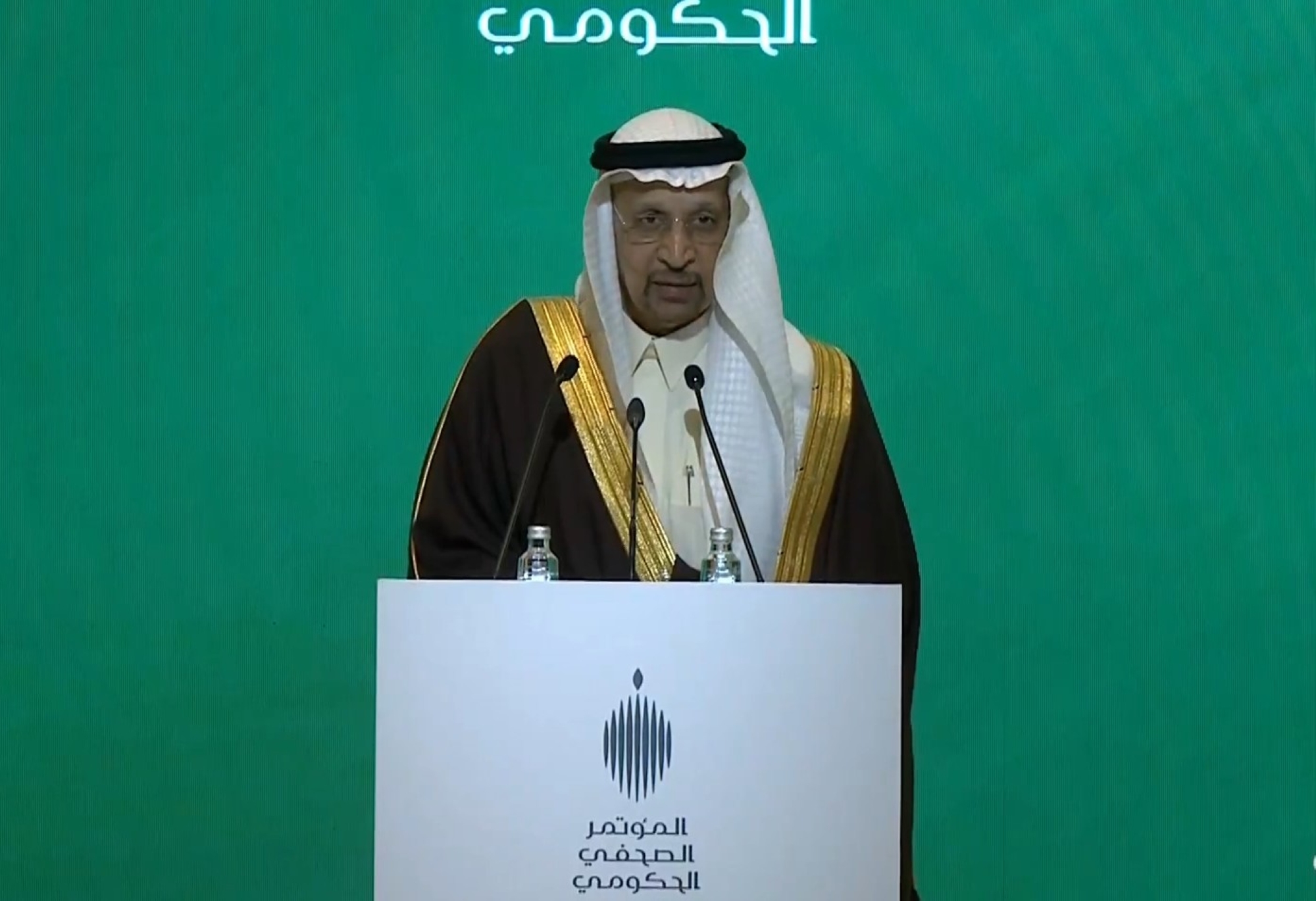
The Saudi economy has achieved historic leaps since the launch of Vision 2030
Saudi Arabia’s Minister of Investment, Khalid bin Abdulaziz Al-Falih, announced that the national economy has achieved exceptional growth rates of 8% annually since the launch of Saudi Vision 2030. This came during the government press conference, where Al-Falih reviewed the economic achievements that have made the Kingdom a unique model of stability and growth in light of a global economic climate characterized by anxiety and uncertainty.
Background and context of Saudi Vision 2030
Saudi Vision 2030 was launched in 2016 as an ambitious roadmap aimed at fundamentally transforming the structure of the Saudi economy. The vision rests on three main pillars: a vibrant society, a thriving economy, and an ambitious nation. Its primary objective was to reduce reliance on oil as the main source of income and diversify the economic base by developing promising sectors such as tourism, entertainment, technology, advanced industries, and logistics. The figures announced today by Minister Al-Falih are not merely positive indicators; they are tangible proof of the strategy's success in achieving its initial goals.
Economic indicators reflect the profound transformation
Al-Falih explained that the Kingdom's GDP has witnessed a remarkable doubling, jumping from SAR 2.6 trillion in 2016 to SAR 4.7 trillion in 2024. This growth is largely attributed to the increased contribution of non-oil sectors, which now account for 56% of the total economy, thus confirming the success of economic diversification policies. He added that gross fixed capital formation reached SAR 1.441 trillion, while total investment rose from SAR 672 billion in 2017 to SAR 1.44 trillion by the end of 2024, with expectations of exceeding SAR 1.5 trillion by 2025.
Positive impact on the labor market and society
The benefits of this growth were not limited to overall figures; their impact extended directly to the lives of citizens. The unemployment rate fell significantly from 13% to just over 7%, and approximately 800,000 new jobs were created in the national economy. Women's participation in the labor market witnessed a qualitative leap, with their contribution to the economy more than doubling—a key social and economic transformation driven by the Vision. Furthermore, the average wages of Saudis in the private sector increased by a cumulative rate exceeding 45%, boosting citizens' purchasing power and contributing to an improved standard of living.
The Kingdom is an attractive global investment destination
Al-Falih affirmed that these achievements have strengthened the Kingdom's position as a leading investment destination on the international stage. Foreign direct investment inflows reached SAR 119 billion in 2024, with projections exceeding SAR 140 billion in 2025. He also revealed the issuance of over 700 licenses to international companies that have decided to relocate their regional headquarters to the Kingdom, and an increase in the number of foreign investors to 62,000. These figures reflect growing global confidence in the strength of the Saudi economy and the sustainability of its growth, and confirm that the Kingdom is confidently moving towards a more prosperous and diversified future.
-
 Local news one day ago
Landslide in Riyadh: Details of the incident in Al-Sahafa neighborhood and containment efforts
-
 Local news two days ago
The death penalty was carried out against a citizen who stabbed another to death in Tabuk
-
 Culture and Art 6 days ago
Ramez Galal in Ramadan 2026: Details of the bloody prank show
-
 Local News 3 days ago
First birth on the Riyadh train: A heartwarming story at Andalus station
-
 Local news one day ago
Riyadh collapse: Emergency plans to secure water after a main pipeline burst
-
Sports 23 hours ago
Controversy surrounds Al-Hilal's goal against Al-Riyadh: A refereeing expert reveals a major error
-
Sports one day ago
Al-Nassr's absences against Al-Taawon in the Roshan League and their impact on the team
-

 Culture and Art 20 hours ago
Haifa Wehbe's absence in Riyadh: A photo crisis or a strained relationship with the media?