
Local News
Creativity 2026: Promoting Scientific Innovation for Talented Individuals in Taif
Discover the creativity of 2026 in Taif, where 50 talented individuals shine in the National Olympiad for Scientific Creativity Exhibition, a platform for innovation and modern technology.

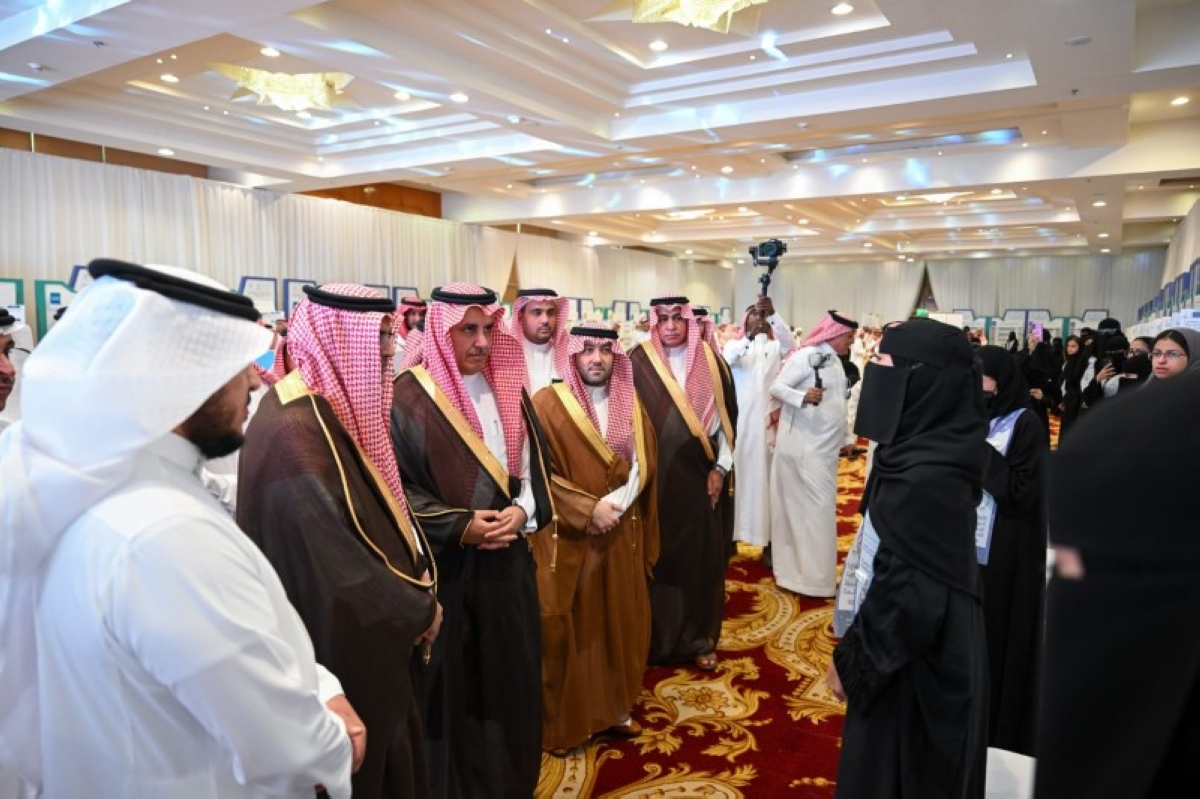
Launch of the National Olympiad for Scientific Creativity Exhibition “Ibdaa 2026”
Under the patronage of Prince Saud bin Nahar bin Saud bin Abdulaziz, Governor of Taif, the National Olympiad for Scientific Creativity Exhibition “Ibdaa 2026” was inaugurated by the Deputy Governor, Musleh Al-Buqami. This exhibition is organized by the Taif General Directorate of Education and features the work of 50 gifted male and female students.
Advanced scientific platform
This exhibition serves as an advanced scientific platform aimed at showcasing students' capabilities in modern technological fields such as artificial intelligence, renewable energy, robotics, and bioengineering. These fields are not merely academic subjects; they are integral to our daily lives and significantly impact our future.
For example, artificial intelligence can improve quality of life by developing applications that assist in healthcare or improve energy efficiency in homes. Meanwhile, robots contribute to increased productivity in factories and the provision of new services such as automated delivery.
Empowering the digital generation
These educational initiatives aim to empower an innovative digital generation . This means preparing young people to meet the demands of the Fourth Industrial Revolution, which relies heavily on modern technology and innovation.
In today's world, we see how digital skills have become essential for securing good jobs and achieving professional success. Therefore, events like these help students acquire new skills and a deeper understanding of the technologies that will shape their future.
Broad participation and innovative projects
The competition saw the registration of over 13,000 students and nearly 2,000 scientific projects. Fifty projects qualified for the final presentation, which covered vital areas such as sustainable environment, health technologies, and future economics.
Sustainable environment : This means conserving natural resources and minimizing environmental damage. Projects in this area can offer solutions for reducing waste or improving water and energy efficiency.
Health technologies encompass the development of tools and techniques to improve healthcare and diagnose diseases faster and more accurately. An example is applications that monitor individuals' overall health and alert them to any abnormalities.
The future of economics involves how technology can be used to improve the economy and create new jobs. Projects in this area can focus on developing e-commerce platforms or improving supply chains using big data and advanced analytics.
The importance of science fairs
Science fairs like “Ibdaa 2026” play a vital role in stimulating innovation and creativity among young people . They provide them with the opportunity to present their ideas and projects to the public and experts, boosting their self-confidence and helping them develop communication and presentation skills.
In conclusion, supporting such initiatives significantly contributes to building a knowledge-based and innovative society . This, in turn, contributes to achieving sustainable development and economic prosperity for society as a whole.




Local News
Construction has begun on Al-Jazira and Al-Dar Al-Bayda parks in Riyadh, covering an area of 317,000 square meters
Riyadh Municipality begins implementing two large parks with an area of 317,000 m2 as part of the Quality of Life Program, to serve 1.4 million people and enhance green spaces in the capital.
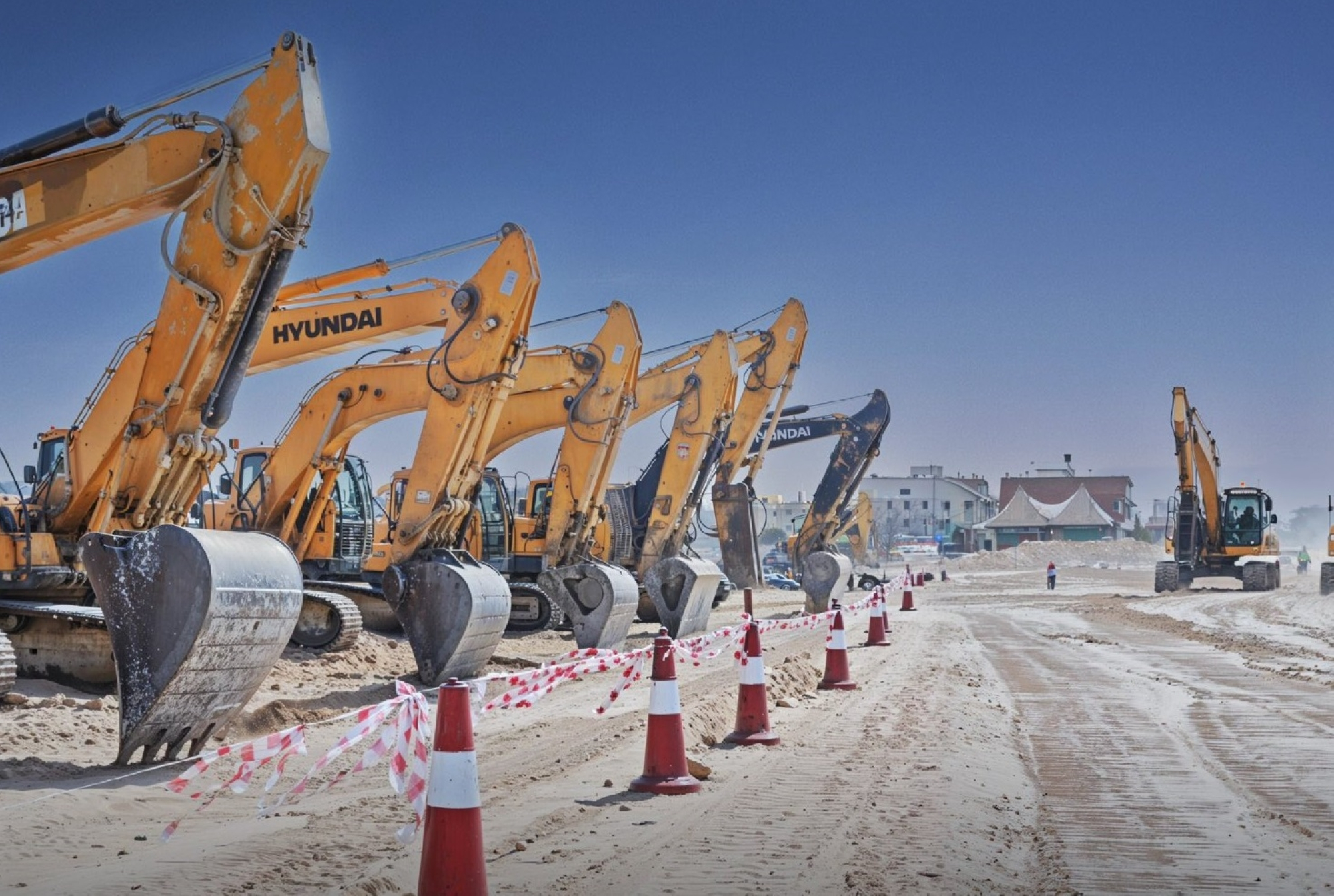
The Riyadh Municipality has commenced construction on two major environmental and recreational projects in the south and east of the capital: Al-Jazira and Al-Dar Al-Bayda parks, covering a total area of over 317,000 square meters. This strategic initiative is being undertaken in collaboration with the Quality of Life Program, a key component of the Kingdom's Vision 2030, with the aim of transforming Riyadh into a sustainable and people-friendly urban destination.
Project details and targeted locations
The municipality explained that the new project aims to serve more than 1.4 million residents in neighboring districts. An area of 147,700 square meters has been allocated for the creation of "Al-Jazira Park" in eastern Riyadh, which will serve more than 600,000 residents. In the south of the capital, work is underway on "Al-Dar Al-Bayda Park," covering an area of 169,500 square meters, to meet the needs of more than 795,300 residents, reflecting the municipality's commitment to the equitable geographical distribution of recreational services.
Urban development context and Vision 2030
This project is not just an addition to traditional recreational spaces, but comes within the context of a historic transformation that the Saudi capital is witnessing to increase the per capita share of green spaces, in line with the “Green Riyadh” initiative and the objectives of Vision 2030. These projects seek to humanize cities, improve the urban landscape, reduce carbon emissions and lower temperatures, which directly contributes to raising Riyadh’s ranking among the most livable cities in the world.
Integration with the transport network and vital facilities
One of the most notable features of the new designs is their integration with the public transport infrastructure; the Casablanca Park includes an integrated metro station, which facilitates access for visitors via the Riyadh Metro network and reduces reliance on private cars, a global trend in modern urban planning to promote environmental sustainability and ease of mobility.
Full-service entertainment destinations
The two parks are designed as vibrant community hubs, featuring expansive green spaces, dedicated pedestrian and cycling paths, and a variety of sports facilities that encourage residents to lead healthy lifestyles. The plans also include children's play areas, water features, a selection of restaurants and cafes, and spaces equipped to host cultural and community events and activities, fostering social connections among neighborhood residents.
Local News
774 violations against mosque services were recorded in Saudi Arabia in 2025
The Ministry of Islamic Affairs recorded 774 cases of electricity and water theft at mosques in 2025, and addressed 742 of them. Learn more details and how to report them by calling 1933.
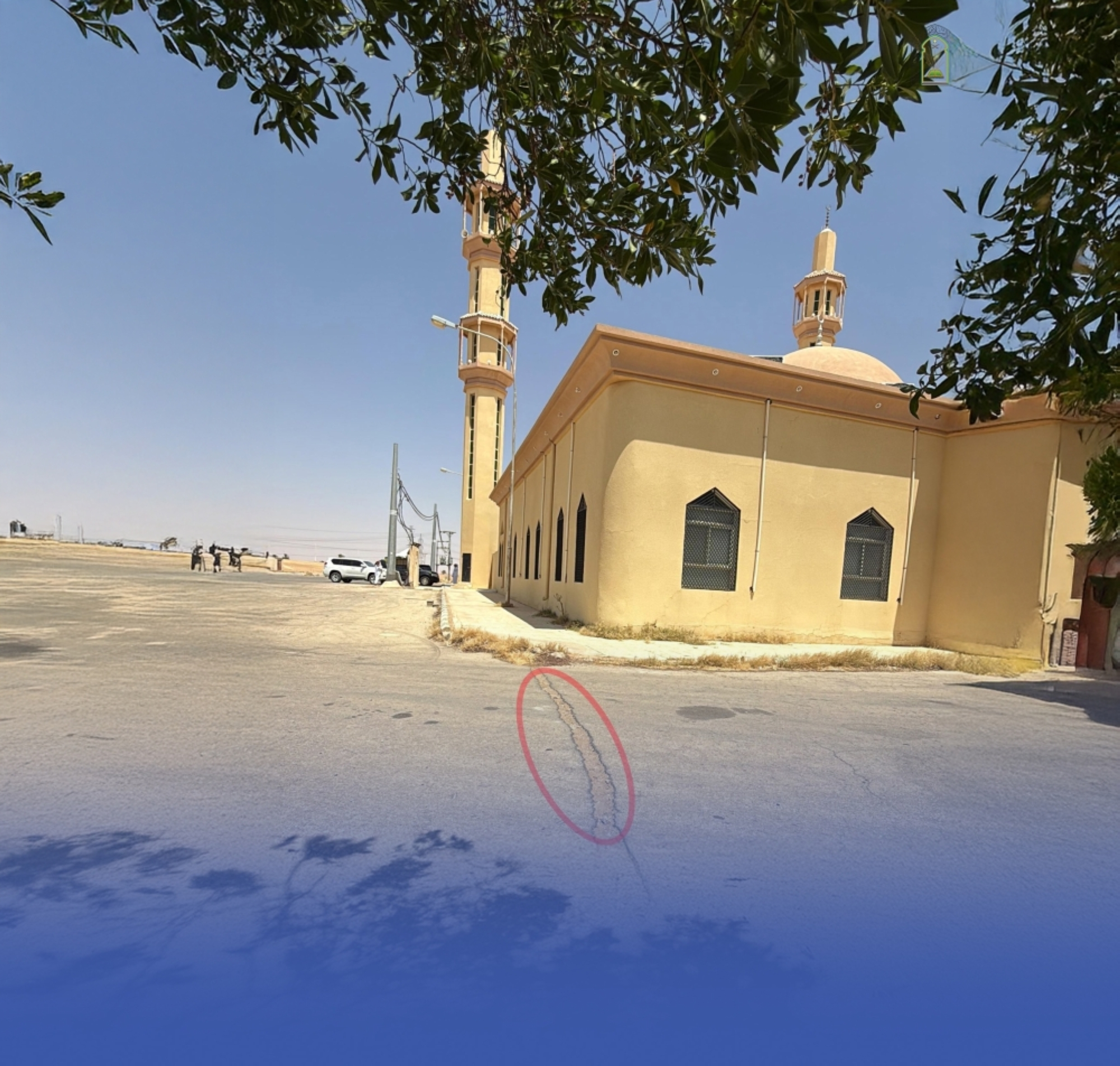
The Ministry of Islamic Affairs, Call and Guidance in the Kingdom of Saudi Arabia, represented by the Ministry’s Agency for Mosque Affairs, revealed its intensive efforts to protect the assets of the houses of God, as its annual report announced the monitoring of 774 cases of encroachment on electricity and water services for mosques in various regions of the Kingdom during the year 2025 AD.
Details of the annual report and handling of violations
The statistical report provided a detailed breakdown of the types of violations, with encroachments on the electricity grid topping the list at 577 cases, while encroachments on water services reached 197 cases. These figures are the result of ongoing monitoring tours conducted by the ministry's branches. The ministry demonstrated high efficiency in addressing these violations, with field and technical teams successfully resolving 742 cases (569 related to electricity and 173 to water), while 32 cases remain under final legal procedures.
The importance of protecting public resources and ensuring the sustainability of services
These efforts are of paramount importance in the context of preserving public funds and national resources, as the misuse of electricity and water resources belonging to mosques for personal or commercial purposes constitutes a drain on operational resources. This type of misuse not only places an additional financial burden on the state but also directly and negatively impacts the efficiency of services provided to worshippers, and may lead to service interruptions or damage to mosque infrastructure due to uncalculated overloads.
Regulatory context and legal procedures
These measures align with the Kingdom's general directives regarding service governance and rationalizing consumption, and are part of the Ministry's strategy for the care and maintenance of mosques. The Ministry affirmed its commitment to continuing field inspections and monitoring, emphasizing that it will not hesitate to take strict legal action against violators, in full coordination with relevant security and service agencies, to ensure that such practices, which contravene the sanctity of mosques and established regulations, are not repeated.
The role of society in oversight
In closing its report, the Ministry of Islamic Affairs reiterated its call to citizens and residents to play their part in social responsibility and cooperate by reporting any observations or suspected encroachments on mosque facilities. Reports can be easily submitted through the unified call center 1933 or by visiting any of the ministry's branches. The ministry emphasized that community awareness is the first line of defense in preserving mosques and their facilities, ensuring they remain suitable for performing religious rites in an atmosphere of tranquility.
Local News
Industry: 311 inspection tours of mining sites during December 2025
The Ministry of Industry conducted 311 inspection tours of mining sites in December 2025, with Sharqia Governorate topping the list. Learn more about the campaign and its objectives to protect mineral resources.
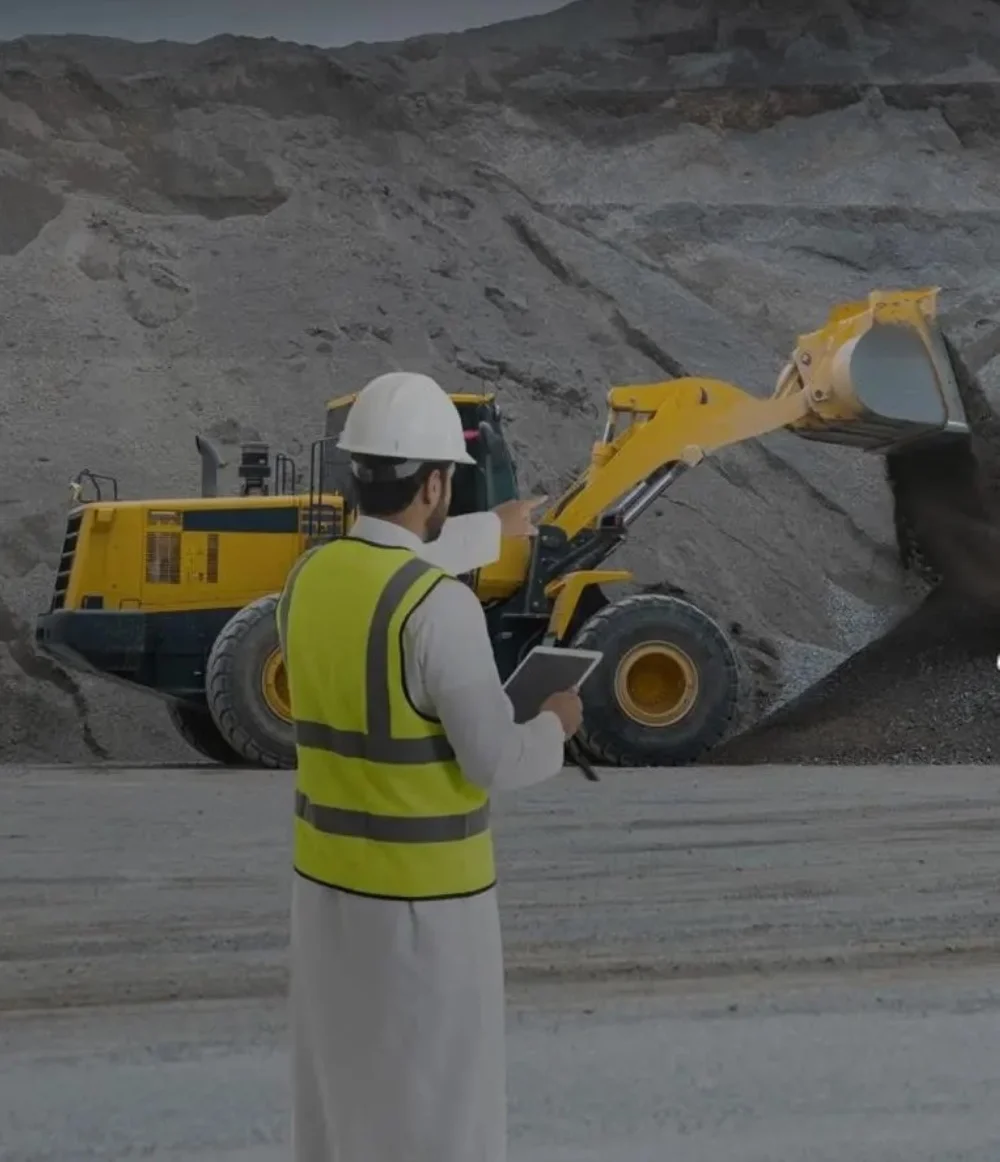
As part of its ongoing efforts to regulate the mining sector and ensure that facilities comply with regulations, the Ministry of Industry and Mineral Resources announced the implementation of 311 field inspection tours of a number of mining sites in various regions of the Kingdom of Saudi Arabia during December 2025. These tours come as a confirmation of the Ministry’s commitment to implementing the Mining Investment Law, where the Ministry adopts the principle of issuing warnings when initial violations are detected, in application of the policy of “warning before imposing the penalty,” which reflects a corrective approach aimed at raising the level of compliance before resorting to punitive measures.
Details of inspection tours and their geographical distribution
The official spokesperson for the Ministry of Industry and Mineral Resources, Jarrah Al-Jarrah, revealed the geographical distribution of these intensive inspection tours, with the Eastern Province topping the list with 92 inspection tours, followed by the Riyadh region with 85 tours, then the Asir region with 51 tours, and the Madinah region recorded 42 tours on mining sites.
The monitoring efforts extended to the rest of the Kingdom, with 18 inspection tours conducted in the Tabuk region, 9 in the Makkah region, 6 in the Hail region, and 5 in the Najran region. The tours also included one visit each to the Jazan, Al-Baha, and Al-Jawf regions, ensuring comprehensive coverage of the Kingdom's geographical area.
The importance of oversight in protecting wealth and societies
The Minister affirmed the Ministry's commitment to continuing its inspection tours and monitoring all mining activities. These field visits aim to ensure the sector's protection from irregular practices that could harm the investment environment or unjustly deplete resources. He also emphasized the importance of preserving mineral wealth to achieve its optimal exploitation, as well as protecting communities adjacent to mining areas from any negative impacts, in accordance with the strict regulations stipulated in the new Mining Investment Law.
The mining sector: the third pillar of national industry
These oversight tours are of paramount strategic importance as Saudi Arabia, within its Vision 2030, aims to establish the mining sector as the third pillar of national industry, alongside oil, gas, and petrochemicals. Through these measures, the Ministry seeks to maximize the value derived from mineral resources and enhance the sector's attractiveness to both local and international investors by providing a transparent and regulated operating environment.
Official estimates indicate that the value of untapped mineral resources in the Kingdom is approximately 9.3 trillion riyals. These resources are spread across more than 5,300 sites, making effective monitoring an urgent necessity to ensure the sustainability of these resources, diversify national income sources, and develop non-oil revenues, thus serving the national economy and creating new job opportunities for citizens.
-

 Culture and Art, 1 week ago
Haifa Wehbe's absence in Riyadh: A photo crisis or a strained relationship with the media?
-

 Culture and Art, 1 week ago
City Kitchen series: A drama of conflict and the middle class during Ramadan
-

 Culture and Art, 1 week ago
The series "Kasra": Dawood Hussein in a moving social drama this Ramadan
-
 Local news one week ago
Applying for the 1447 Opportunities Program for Teachers via the Fares System
-

 Local news one week ago
Ramadan 2026 discounts in Saudi Arabia: Offers valid for 54 days
-
 Culture and Art 6 days ago
The death of artist Huda Shaarawi “Umm Zaki” and her funeral in Damascus
-

 Technology 6 days ago
ICAN 2026 Conference Conclusion: Initiatives to Enhance Saudi Arabia's Leadership in Artificial Intelligence
-

 Local news one week ago
Saudi Arabia halts perennial fodder cultivation to conserve groundwater