Local News
List of prohibited foods in school cafeterias 2023
The Ministry of Education imposes strict controls on school canteens to ensure the provision of healthy meals. Discover the new list of prohibited items in 2023 now!

html
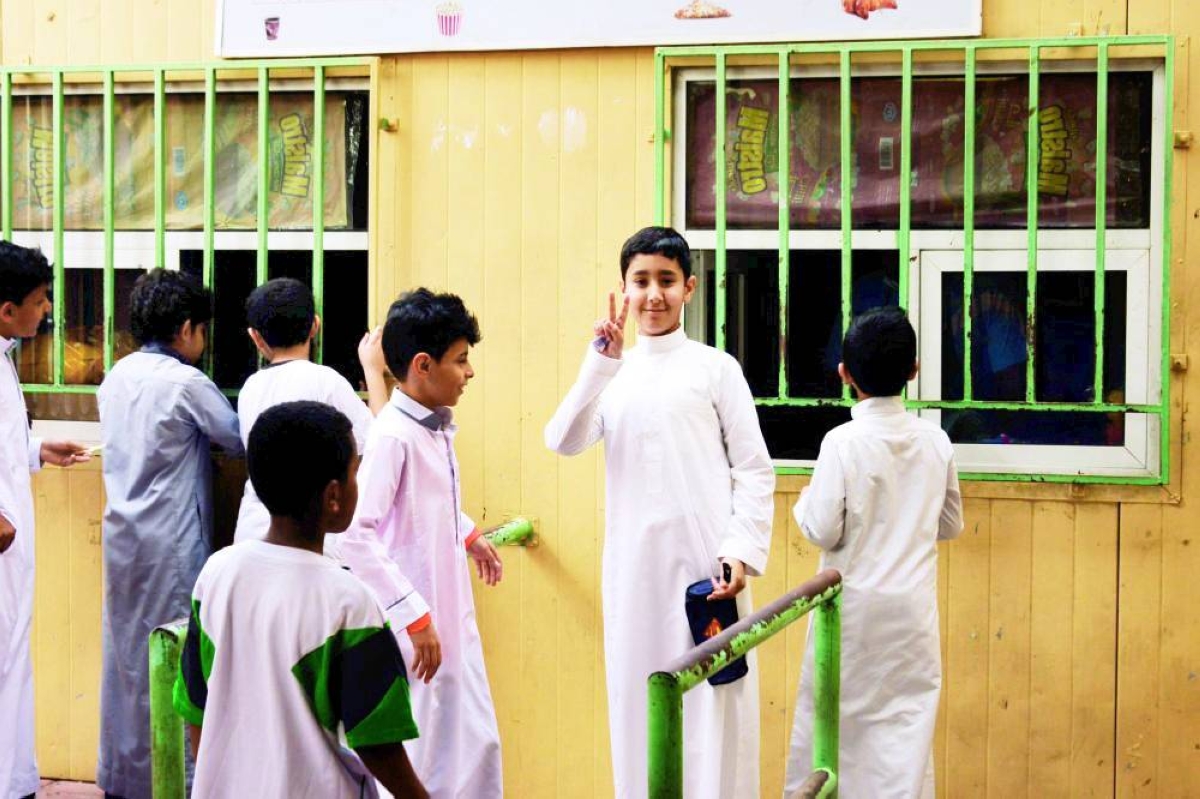
The Ministry of Education emphasizes adherence to health requirements in school canteens
The Ministry of Education announced that school canteen operators must adhere to health regulations concerning meals provided in public schools for both boys and girls. The Ministry emphasized that field inspections will be conducted by relevant authorities to ensure compliance with the list of permitted and prohibited products and beverages.
Prohibited drinks and foods
According to the Ministry's health and safety guidelines, there is a list of beverages, foods, and meals that are prohibited from being sold in schools. This list includes:
- Beverages: Evaporated or condensed milk, milk with artificial flavors or colors, yogurt with artificial flavors or colors, frozen yogurt, flavored drinking water, carbonated water, sugary drinks, energy drinks, flavored vitamins, sports drinks, iced tea and juices that contain less than 30% fruit juice or contain artificial colors and preservatives or more than 5% added sugar.
- Foods: All types of meat such as red meat, liver, white meat (poultry and fish), sausages, processed meats such as mortadella or luncheon meat, falafel, French fries, all types of chips, fried popcorn, spring rolls, samosas, and any food items that are fried.
Forbidden sweets and pastries
The prohibited food items also include a variety of sweets and pastries such as:
- Sweets: Candy made of sugar and colorings (jelly and gum), sticky sweets made of dyes, and chocolate of all kinds, plain and chocolate-covered wafers.
- Pastries: Ice cream, sandwiches or pies containing custard, chocolate, toffee or vanilla, cakes, sweets, pastries, croissants, sweet bread, donuts, cookies, peanut butter (for elementary school), mayonnaise and any chocolate sauce.
These measures aim to ensure a healthy and safe environment for students within schools and to promote healthy eating habits among them.




Local News
The death penalty was carried out against a perpetrator who murdered a citizen in the Eastern Province
The Saudi Ministry of Interior announced the execution of Jassim Al-Rajab, who was convicted of murdering Youssef Al-Rajab in the Eastern Province, stressing its commitment to achieving justice.

The Saudi Ministry of Interior announced on Tuesday the execution of a Saudi citizen in Al-Ahsa Governorate in the Eastern Province, after he was convicted of committing a heinous murder against another citizen, in a case that involved treachery and betrayal, which necessitated the application of the hadd punishment for treachery against him.
The details of the crime, as explained in the ministry's statement, involve Jassim bin Adel bin Matouq Al-Rajab murdering Yousef bin Ibrahim bin Ali Al-Rajab. The crime was committed in a treacherous manner, as the perpetrator tricked the victim into believing he wanted a ride, inviting him into his vehicle. Once the victim trusted him, the perpetrator ambushed him with several fatal stab wounds using a sharp instrument, resulting in his immediate death.
Legal context: What is the “punishment for treachery”?
Judicial rulings in the Kingdom of Saudi Arabia are based on Islamic Sharia law, and treacherous murder is considered one of the most serious and heinous forms of homicide. Treacherous murder is defined as murder committed through deception and trickery, where the victim feels safe from the perpetrator and expects no harm. Given the gravity of this type of crime for the security and stability of society, its punishment in Islamic Sharia is death, a fixed penalty with no possibility of pardon by the victim's family or acceptance of blood money, as it constitutes an attack on the public right of the entire community, not merely the private right of the victim's family.
Judicial procedures and confirmation of the verdict
Following the crime, security forces apprehended the perpetrator. Intensive investigations led to his indictment for the crime in its entirety. After being referred to the competent court and following all due legal procedures, a verdict was issued confirming the charges against him and sentencing him to death for the premeditated murder of the victim. The verdict underwent all stages of appeal, being upheld by the Court of Appeals and subsequently by the Supreme Court, thus becoming final and binding. Accordingly, a royal decree was issued ordering the execution of the legally mandated sentence.
The impact and importance of the ruling
The execution of this sentence underscores the Saudi Arabian government's commitment to maintaining security, achieving justice, and deterring anyone who dares to take innocent lives. The Ministry of Interior emphasized in its statement that the application of Islamic Sharia law is the means to protect society and safeguard the rights of its members, while simultaneously warning anyone contemplating such crimes that they will face severe legal punishment. This action sends a firm message to the local and international community that there will be absolutely no leniency in cases of bloodshed and crimes that threaten social peace.
Local News
Deportation and fines for unlicensed taxi drivers in Saudi Arabia | New transportation system
The Public Transport Authority is implementing the new system by deporting an expatriate and fining him 12,000 riyals for practicing the unlicensed passenger transport activity known as “Kaddada”, in a step to enhance the security and safety of the sector.

The Public Transport Authority in the Kingdom of Saudi Arabia announced the issuance of a decisive decision to deport a foreign resident from the country and fine him 12,000 Saudi riyals, after it was proven that he was practicing the activity of transporting passengers in his private vehicle without obtaining the necessary regulatory licenses, which is known locally as “Al-Kaddada”.
This decision is one of the strictest applications of the new road transport system, issued by Royal Decree No. M/188 dated 24/08/1446 AH. This system aims to fully regulate the road transport sector, raise the quality of services provided, ensure the highest standards of safety and security for passengers, and eliminate arbitrary practices that harm the sector and its users.
Historical background and context of the new organization
The phenomenon of "flight taxis" is not new to Saudi society. For many years, it represented a form of informal transportation, with some individuals resorting to it to earn extra income by using their private cars to transport passengers from airports, public transport stations, and shopping malls. While it once fulfilled a need, it was fraught with risks, most notably the lack of security oversight, the absence of insurance to cover passengers in case of accidents, and the lack of guarantees regarding driver competence or vehicle roadworthiness.
With the launch of Vision 2030, the Kingdom moved towards restructuring all economic and service sectors, including the transportation sector. The sector witnessed the introduction of licensed smart transportation applications, which provided a safe and regulated alternative, making market regulation and the elimination of unregulated practices an urgent necessity to ensure fair competition and protect consumers.
The importance of the decision and its expected impact
The Public Transport Authority's decision has significant implications on several levels. Locally , it reinforces the authority of the system and underscores the government's commitment to enforcing its regulations, thereby boosting passenger confidence in licensed public transport. It also helps protect licensed Saudi drivers working in this sector who face unfair competition from unlicensed operators. From a security perspective , eliminating this phenomenon reduces the likelihood of crimes or violations that might be associated with vehicles not registered for public transport.
At the regional and international levels , this measure reflects the Kingdom's commitment to developing its legislative and investment environment to align with global standards, thereby encouraging organized investment in the transport and logistics sector. It also sends a clear message to all residents of the Kingdom that they must abide by applicable laws and regulations, and that any violation, particularly those related to labor and commercial activities, will be met with deterrent penalties, potentially including deportation.
The authority stressed that it will not tolerate any violations that affect passenger safety and service quality, confirming that the penalties stipulated in the system include fines of up to 12,000 riyals, impounding the vehicle used in the violation, in addition to deporting the non-Saudi violator from the Kingdom after the penalty is applied.
Local News
Saudi Arabia weather: Frost wave and sub-zero temperatures in Al-Jawf
The National Center for Meteorology warns of temperatures dropping to -3°C in Tabuk and Al Qurayyat, with frost expected. Learn about the anticipated effects and safety guidelines.

The National Center for Meteorology in Saudi Arabia issued an advanced warning about a severe cold wave expected to hit the northern parts of the Kingdom, specifically the governorates of Qurayyat and Tabarjal in the Al-Jawf region, early Tuesday morning. The center warned of a sharp and significant drop in temperatures, reaching below zero degrees Celsius.
Details of the anticipated cold wave
According to the warning, minimum temperatures are expected to range between 0°C and -3°C. The center indicated that this cold wave will be accompanied by widespread frost, further exacerbating the cold and posing additional challenges. The center specified the expected timeframe for this weather pattern as 1:00 AM to 8:00 AM on Tuesday, a period during which temperatures typically reach their lowest levels.
The climatic context of the north of the Kingdom
The Al-Jawf region and the northern parts of Saudi Arabia are known for their continental desert climate, characterized by extremely hot summers and bitterly cold winters. This extreme temperature variation is due to their inland location, far removed from the moderating influences of the sea, and their direct exposure to cold air masses from the north, particularly the Siberian High during winter. Cities like Tabuk, Qurayyat, Arar, and Tarif are among the coldest in the Kingdom, where sub-zero temperatures are not uncommon during the peak of winter but rather a part of their established climatic pattern.
Expected effects and the importance of warnings
These cold waves have direct and significant impacts on various aspects of life in the region. Locally, the demand for heating increases dramatically, placing a strain on the electricity grid. Frost also poses a risk to road safety, particularly during the early morning hours, as it can cause vehicles to skid. The Civil Defense Directorate and other relevant authorities are issuing continuous warnings to drivers, urging them to exercise caution and drive slowly.
As for the agricultural sector, for which the Al-Jawf region is renowned, frost poses a real threat to crops, especially vegetables and fruit trees. In such conditions, farmers take preventative measures to protect their crops, such as covering plants or using sprinkler irrigation systems to prevent freezing. These weather conditions also require special attention to the elderly, children, and those with chronic illnesses. Wearing warm clothing and avoiding prolonged direct exposure to the cold is always recommended.
-

 Reports 5 days ago
Achievements of Saudi government sectors in 2025
-
Local news two weeks ago
FDA warns of contaminated Nestle infant formula | Recall details
-
Technology 4 weeks ago
Artificial intelligence regulations in Saudi education and student data protection
-
Technology 4 weeks ago
US ban on drones: reasons and consequences
-
Technology 4 weeks ago
SRMG and Snapchat partnership: The future of digital media in the Middle East
-
Sports 4 weeks ago
Salah leads Egypt to a thrilling comeback against Zimbabwe in the Africa Cup of Nations
-
Technology 4 weeks ago
Saudi Arabia's Ministry of Islamic Affairs is employing artificial intelligence in public speaking
-
Sports 4 weeks ago
Napoli win the Italian Super Cup in Riyadh for the third time (2025)