
Local News
The Governor of Qassim directs efforts to enhance health integration in line with Vision 2030
The Governor of Qassim directed the strengthening of integration between health authorities in the region, within the framework of the health transformation program of Vision 2030, with the aim of improving the quality of services and enhancing the health of citizens.

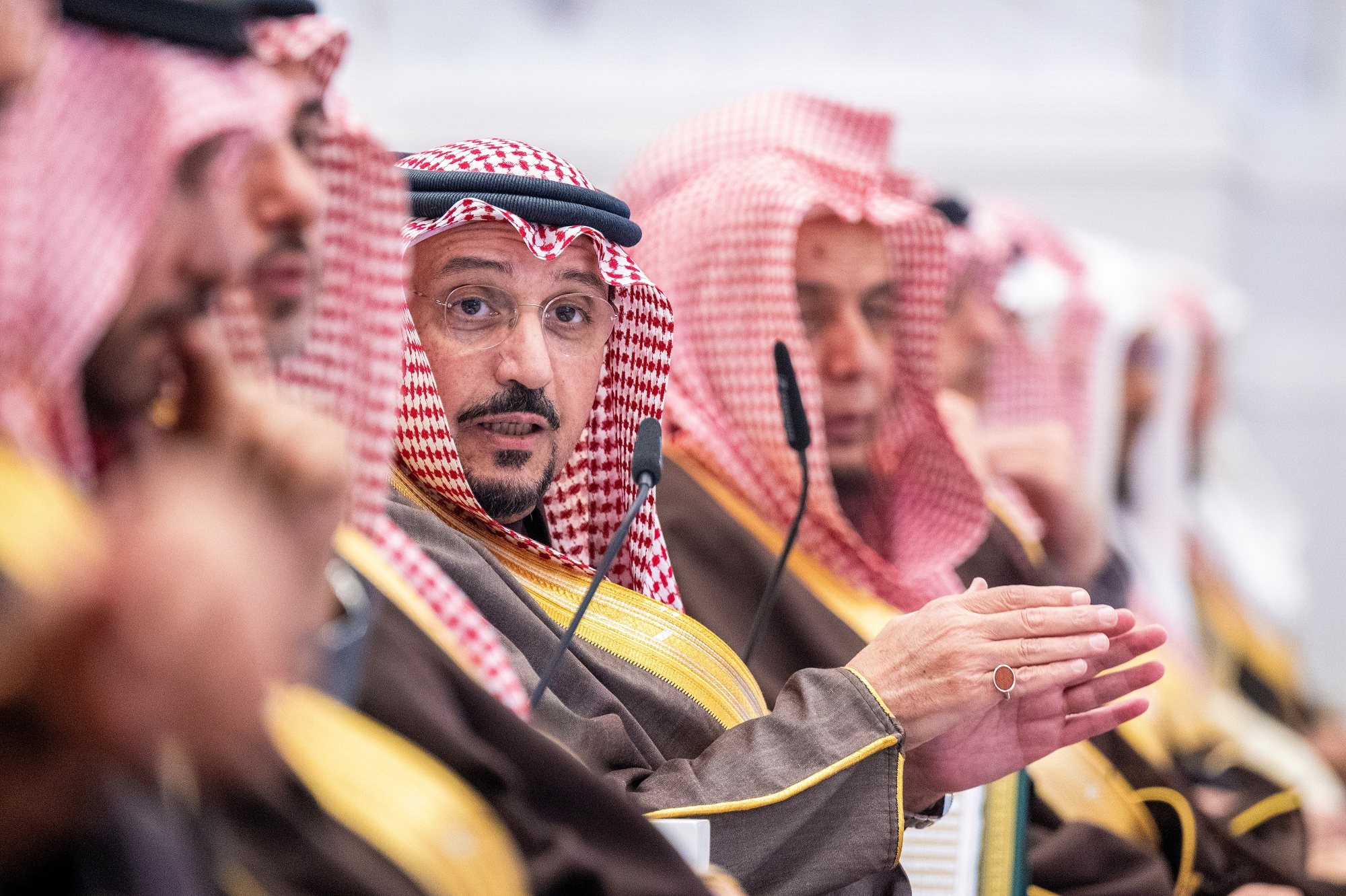
In a pivotal step to bolster the healthcare sector in the Qassim region, His Royal Highness Prince Dr. Faisal bin Mishaal bin Saud bin Abdulaziz, Governor of Qassim, directed the strengthening of integration among all healthcare entities in the region. This came during his meeting with the region's health officials, where His Highness was briefed on the latest developments in health transformation programs, emphasizing their crucial importance in realizing the aspirations of the wise leadership and prioritizing human health.
Project Background: Health Transformation within the Kingdom's Vision 2030
This directive is an integral part of a broader strategy adopted by the Kingdom of Saudi Arabia, embodied in the “Health Sector Transformation Program,” a key component of the Kingdom’s Vision 2030. The program aims to restructure the health sector into a comprehensive and integrated system focused on individual and community health, and to promote preventative measures against health risks. This transformation relies on establishing integrated health clusters throughout the Kingdom, each responsible for providing healthcare to the residents of its respective region, thus ensuring both quality and accessibility of services.
Al-Qassim Health Cluster: A pioneering model in transformation
The CEO of the Qassim Health Cluster, Dr. Musa Al-Harbi, explained that the cluster is making steady progress towards achieving its transformation goals. He announced the cluster's full readiness to transition to the "Health Holding Company" starting January 1, 2026, after being selected as part of the first phase nationwide. This selection reflects the significant progress the cluster has made in implementing modern governance standards and a value-based healthcare model, which focuses on achieving the best possible health outcomes for patients with maximum efficiency.
Expected impact on citizens and the sector
Strengthening integration among healthcare providers in Al-Qassim will have tangible positive impacts on citizens. Locally, this integration will streamline the patient journey across different levels of care, from primary healthcare centers to specialized hospitals, reducing waiting times and ensuring continuity of care. Nationally, the success of the Al-Qassim Health Cluster will serve as a model for other regions of the Kingdom, accelerating the pace of comprehensive healthcare transformation. Internationally, these reforms will contribute to raising the standards of the Saudi healthcare system to meet the highest global standards, further solidifying the Kingdom's position as a leading healthcare destination.
Praise for "health heroes" and a smooth transition for staff
During the meeting, the Governor of Qassim praised the outstanding efforts of the "health heroes" and all sector employees, considering them the cornerstone of any successful development. In this context, Dr. Al-Harbi revealed that the employee transition to the new system was a resounding success, with a 99.7% completion rate. He emphasized that efforts during the past period focused on ensuring a safe and seamless transition for employees by implementing change management plans, providing dedicated offices to serve them, and establishing a 24/7 call center to answer their inquiries. This ensures the stability of the workforce and the continued provision of high-quality services.







Local News
Activating freelance work in the Saudi entertainment sector to support Vision 2030
The General Entertainment Authority and the Ministry of Human Resources signed a memorandum to regulate freelance work, with the aim of empowering national talents and creating flexible job opportunities in line with the growth of the sector within Vision 2030.
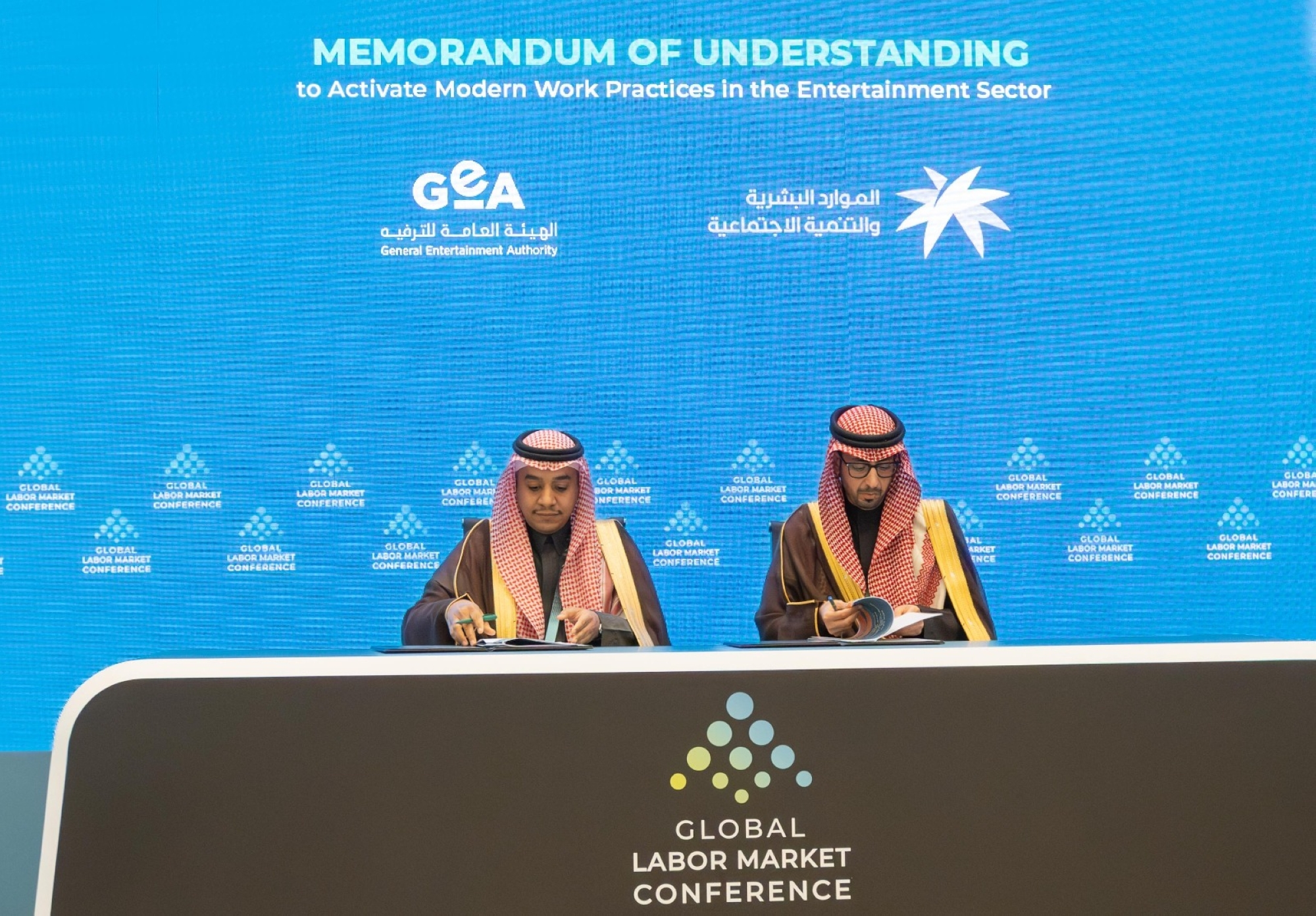
In a strategic move aimed at aligning labor market policies with the major economic transformations underway in the Kingdom, the General Entertainment Authority and the Ministry of Human Resources and Social Development signed a memorandum of understanding to activate and regulate freelance work in the entertainment sector. This signing, which took place on the sidelines of the third edition of the International Labor Market Conference 2026 in Riyadh, outlines a new future for Saudi talent in one of the most dynamic and rapidly growing sectors.
General context: The entertainment sector and Vision 2030
The entertainment sector is a cornerstone of Saudi Arabia’s Vision 2030, as the Kingdom seeks to diversify its economy away from oil and enhance the quality of life for its citizens and residents. Since the Vision’s launch, the sector has witnessed unprecedented growth, hosting major international events and organizing massive seasons and festivals, creating a surge in demand for specialized talent. In this context, “freelance work” has emerged as an ideal work model suited to the seasonal and flexible nature of entertainment projects, necessitating clear regulatory frameworks to protect the rights of all parties and enhance the sector’s attractiveness to talent.
Memorandum objectives and details
The memorandum aims to build a comprehensive institutional partnership between the two entities to establish the necessary regulatory and procedural frameworks to support freelancers. Under this collaboration, the contractual relationship between freelancers and companies operating in the sector will be regulated, enhancing their job security and providing them with a safe and motivating work environment. The agreement was signed by Abdulaziz Al-Humaid, Executive Vice President of Human Capital and Administrative Affairs at the General Entertainment Authority, and Hatem Al-Balla, Undersecretary for Localization at the Ministry of Human Resources and Social Development, reflecting a high-level commitment to the success of this initiative.
Expected impact at the local and regional levels
This memorandum is expected to have a profound positive impact locally, opening up broad career opportunities for Saudi youth and allowing them to invest their talents in diverse fields such as event management, artistic direction, marketing, and logistics. It will also contribute to raising the level of professionalism and quality of outputs in entertainment events. Economically, this initiative supports the growth of the informal economy and enhances the entertainment sector's contribution to the GDP.
Regionally and internationally, this move solidifies Saudi Arabia’s position as a leading entertainment destination in the Middle East. The existence of a regulated freelance market makes the Kingdom an attractive environment for international investors and event organizers, who can now rely on a reliable database of local professional talent, facilitating the staging of world-class events and fostering cultural exchange.
A step towards achieving national goals
For his part, Al-Humaid stressed that this memorandum represents an important step towards supporting the freelance work system in the entertainment sector, noting that it will contribute to attracting and empowering national talents, expanding the base of job opportunities, and raising the efficiency of the labor market, in line with the objectives of Saudi Vision 2030 in developing human capital and enhancing the participation of citizens in promising sectors.
Local News
Rain expected in 7 Saudi regions on Wednesday and Thursday | NCM
The National Center for Meteorology announced forecasts of rainfall in 7 regions, including Mecca, Riyadh and the Eastern Province, starting Wednesday and continuing until Thursday, calling for caution and vigilance.
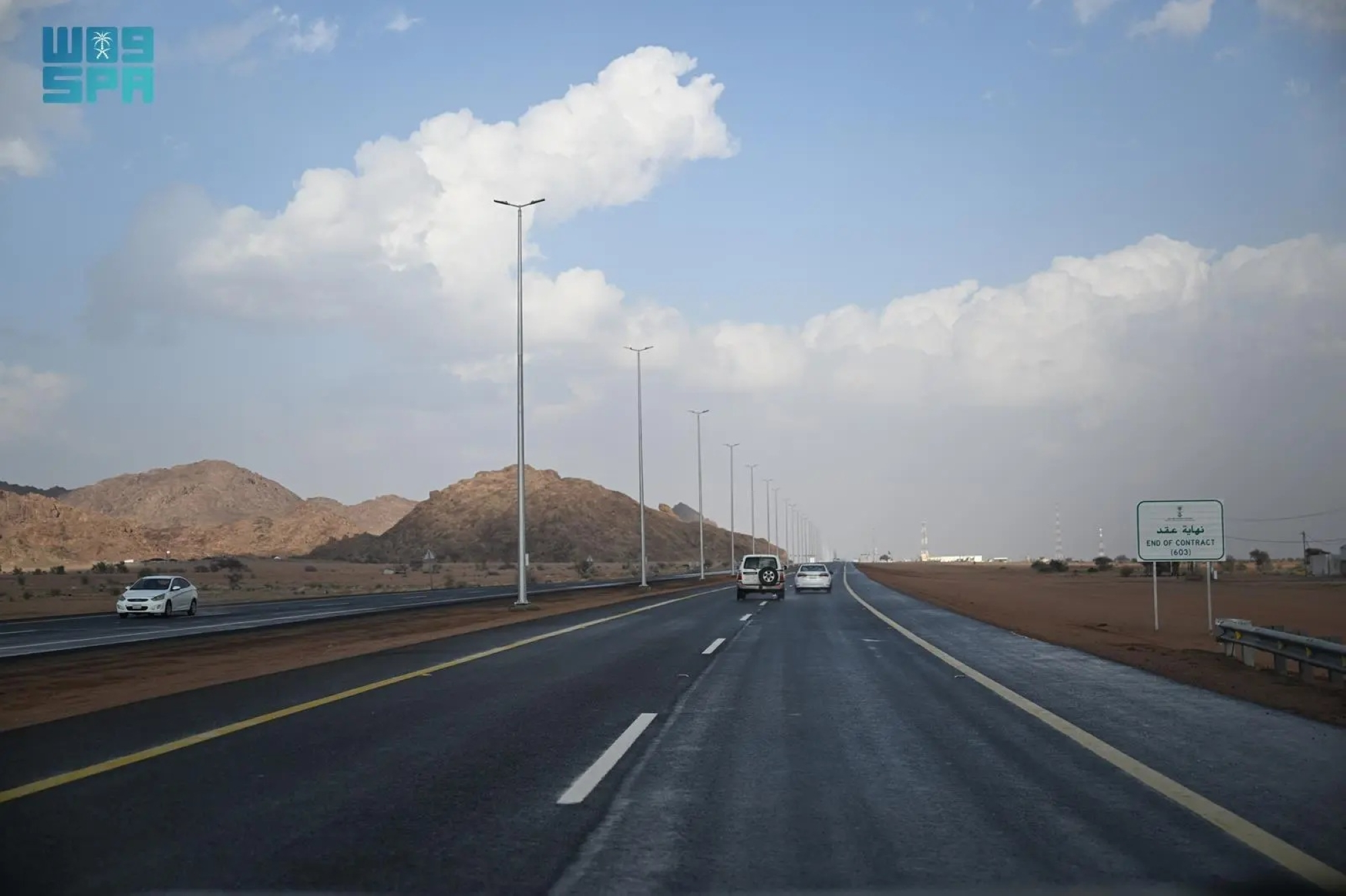
The National Center for Meteorology in Saudi Arabia announced forecasts of rainfall in seven major regions, based on analysis of the advanced Saudi numerical weather prediction model. The rain is expected to begin Wednesday evening and continue through Thursday, covering a wide area stretching from the southwest to the Eastern Province.
Details of the areas affected by the rainfall
According to a statement issued by the center via its official account on the “X” platform, the chances of rainfall will initially include parts of the Asir, Al-Baha, Jazan, and Makkah regions. As the weather system develops, its effects are expected to extend later to include the Qassim region, in addition to the northern and western parts of the Riyadh region, reaching as far as the Eastern Province, indicating a widespread weather system affecting large parts of the country.
The climatic context and the importance of rainfall for the Kingdom
These forecasts come during a climatic transition period, as the Kingdom experiences frequent weather fluctuations. Rainfall is of paramount importance in Saudi Arabia due to its predominantly desert landscape. This rainfall directly contributes to replenishing groundwater reserves, supporting the agricultural sector, and improving vegetation cover, in addition to its role in moderating the climate and lowering temperatures. Monitoring and accurately forecasting these rainfall patterns is vital for effective water resource planning and management.
Expected effects and a call for caution
With rainfall expected, the likelihood of flash floods in valleys and ravines increases, particularly in mountainous areas and the southwestern highlands. Rain may also affect traffic in major cities due to water accumulation on some roads and reduced visibility. In this context, the National Center of Meteorology reiterated its call to all citizens and residents to exercise caution, stay away from floodplains and wadi beds, and follow the center's weather updates and reports regularly through its official channels to take necessary precautions and ensure everyone's safety.
Local News
Localization of dentistry in Saudi Arabia: Phase two raises the percentage to 55%
The second phase of localizing dental professions in the Saudi private sector has begun, with a target of 55%, as part of Vision 2030's efforts to enhance national competencies and provide quality job opportunities.

The Ministry of Human Resources and Social Development in Saudi Arabia, in partnership with the Ministry of Health, announced the commencement of the second phase of the decision to Saudize dental professions in private sector establishments, raising the target percentage to 55%. This decision is a strategic step within a series of initiatives aimed at empowering national talent and enhancing their presence in the labor market, in line with the objectives of the Kingdom's Vision 2030.
Historical background and context of the decision
This decision is an extension of the Kingdom's ongoing efforts to localize vital sectors, particularly the healthcare sector, which is a top priority. This second phase complements the first phase, launched on March 10, 2023, which aimed for a 35% localization rate. The gradual approach to increasing localization rates aims to allow the private sector to adapt to the new requirements and ensure a smooth transition that does not affect the quality of services provided, while also opening up broad career opportunities for Saudi dental graduates.
Details of the second phase and implementation mechanisms
The ministry clarified that the second phase of the decision applies to all private sector establishments employing three or more dental professionals. To ensure the decision's effectiveness and the achievement of its objectives, the procedural guide outlines clear conditions. For a Saudi dentist to be counted towards the Saudization quota, their registered monthly salary with the General Organization for Social Insurance (GOSI) must be at least SAR 9,000. Furthermore, the dentist must hold a valid professional accreditation from the Saudi Commission for Health Specialties, thus guaranteeing the maintenance of quality standards and professional competence within the sector.
The importance and expected impact of the decision
The decision to increase the Saudization rate in dentistry is of paramount importance on both the economic and social levels. Locally, it directly contributes to reducing unemployment rates among dental school graduates and providing them with decent and motivating job opportunities. It also enhances job security for qualified Saudi nationals and encourages young people to pursue careers in healthcare. Economically, the decision recirculates a significant portion of the funds previously spent on expatriate salaries within the local economy, thus supporting economic growth. In the long term, the decision is expected to raise the quality of healthcare services provided to citizens and residents by relying on qualified and highly trained Saudi professionals.
Government support and adherence to regulations
The Ministry of Human Resources and Social Development confirmed that it will provide a package of support and incentive programs for private sector establishments that comply with the decision, in cooperation with the Human Resources Development Fund (HRDF). These programs include support for recruitment, training, and qualification processes, as well as assistance in attracting suitable talent. The Ministry also urged all establishments to adhere to the decision to avoid the legal penalties that will be imposed on violators, emphasizing that the Ministry of Health will monitor the implementation of the decision to ensure it meets the requirements of the labor market and the objectives of the healthcare sector transformation program.
-

 Local news two days ago
Landslide in Riyadh: Details of the incident in Al-Sahafa neighborhood and containment efforts
-
 Local News 3 days ago
The death penalty was carried out against a citizen who stabbed another to death in Tabuk
-

 Local News 4 days ago
First birth on the Riyadh train: A heartwarming story at Andalus station
-

 Culture and Art 7 days ago
Ramez Galal in Ramadan 2026: Details of the bloody prank show
-
 Local news two days ago
Riyadh collapse: Emergency plans to secure water after a main pipeline burst
-

 Culture and Art 2 days ago
Haifa Wehbe's absence in Riyadh: A photo crisis or a strained relationship with the media?
-

 Culture and Art 2 days ago
City Kitchen series: A drama of conflict and the middle class during Ramadan
-

 Culture and Art 2 days ago
The series "Kasra": Dawood Hussein in a moving social drama this Ramadan