Local News
The project to humanize the Al-Qarqir road in Abha: A civilizational leap to support quality of life
Learn about the details of the Al-Qarqir Road Humanization Project in Abha, spanning 2.4 km. This strategic initiative by the Asir Municipality aims to improve the urban landscape and enhance quality of life, in line with Vision 2030.

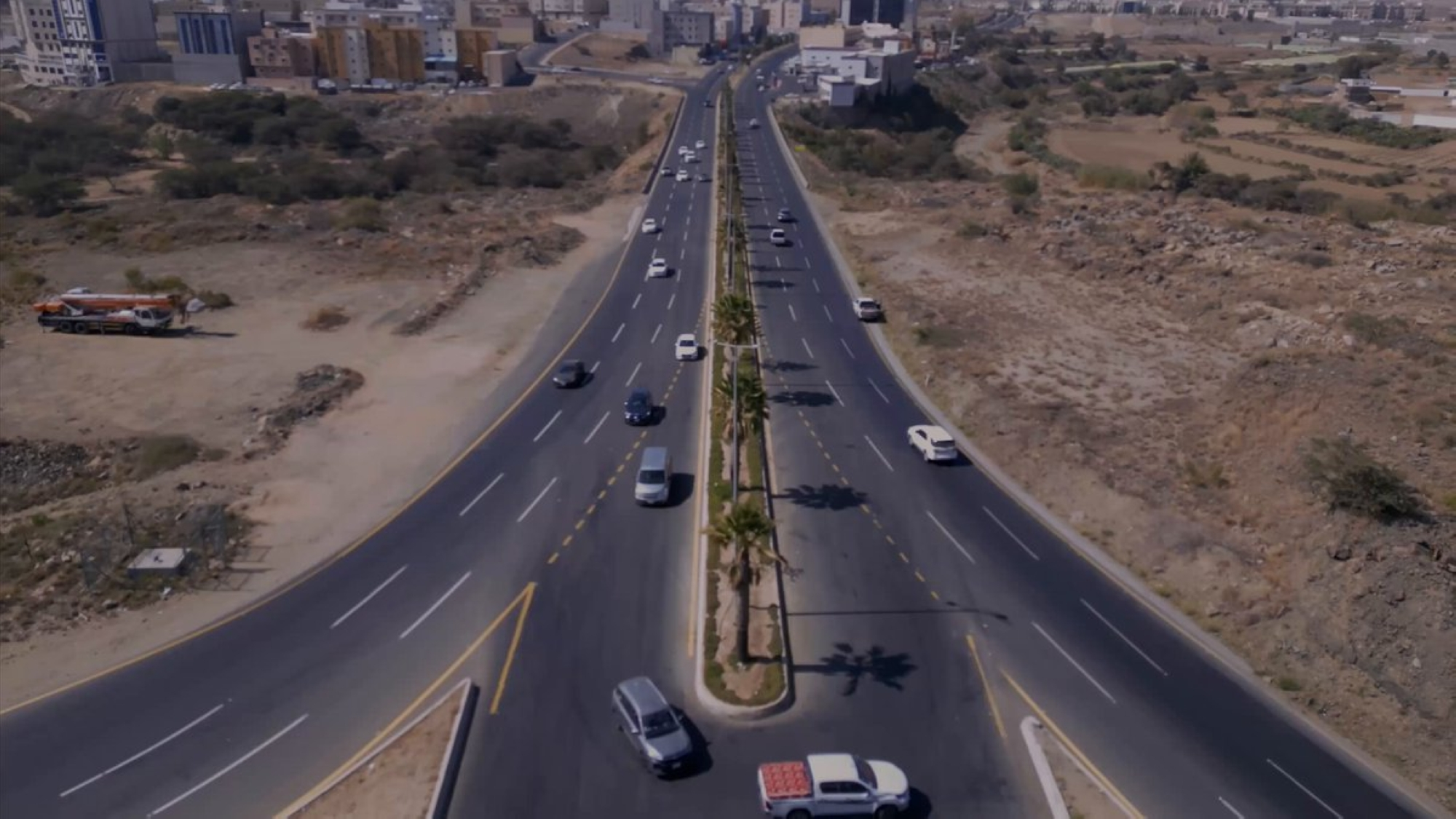
As part of ongoing efforts to develop infrastructure and achieve sustainable urban development goals in the Kingdom of Saudi Arabia, the Aseer Region Municipality has begun implementing the "Humanizing Al-Qarqir Road" project in the city of Abha. This step comes as part of a comprehensive development initiative in the region, aimed at reshaping the urban landscape to align with Abha's status as a leading tourist destination. The project spans 2.4 kilometers and covers a total development area of approximately 44,800 square meters.
Project specifications and consideration of mountainous topography
The approved engineering plans for the project reveal its division into four distinct design zones, meticulously laid out to harmonize with the rugged mountainous terrain that characterizes the city of Abha. The design also takes into account the urban fabric of the surrounding neighborhoods, aiming to achieve seamless traffic flow while simultaneously creating a safe and attractive environment for pedestrians. This engineering approach is crucial in mountainous areas to ensure easy access and promote walking, thereby activating public spaces and transforming them into hubs for social interaction.
Humanizing cities in light of the Kingdom's Vision 2030
This project gains its paramount importance from its close connection to the Quality of Life Program, one of the most important programs of the Kingdom's Vision 2030. The concept of "humanizing cities," adopted by the Ministry of Municipal and Rural Affairs and Housing, is no longer a luxury, but has become a fundamental pillar of modern urban planning. This approach aims to transform cities from mere concrete blocks and car lanes into human-friendly environments by increasing per capita green spaces, reducing visual and environmental pollution, and providing pedestrian walkways and bicycle paths—a vision that the Al-Qarqir Road project translates into reality.
Integration with the Asir development strategy "Qimam wa Sheem"
This project cannot be viewed in isolation from the broader context of the "Asir Region Development Strategy" launched by His Royal Highness the Crown Prince, which aims to transform the region into a world-class tourist destination attracting millions of visitors annually under the slogan "Peaks and Virtues." Developing key infrastructure such as the Al-Qarqir Road provides the necessary foundation for this ambitious tourism plan. Improving the urban landscape and facilitating transportation will enrich the visitor experience and enhance the city's readiness to host major events and tourist seasons.
Economic dimensions and enhancing investment opportunities
In addition to its environmental and social objectives, the project has significant economic dimensions. By utilizing untapped space and revitalizing existing areas, it creates a fertile environment for business growth, particularly for small and medium-sized enterprises (SMEs). Transforming the road into a vibrant and bustling area will open up vast opportunities for the retail, café, and restaurant sectors, contributing to the revitalization of the local economy and creating sustainable job opportunities for the area's youth, in line with the goals of diversifying the national economy.
Sustainability and planning efficiency
Before commencing implementation, the Asir Municipality conducted thorough studies of the existing situation and the natural route of the road to ensure that the design outcomes supported the principles of efficient spending and sustainability. This approach underscores the commitment of the relevant authorities to achieving a delicate balance between the requirements of modernization and development and the preservation of the visual identity and natural character of the area, making the Al-Qarqir Road a model to be emulated in future road projects in mountainous regions.




Local News
The development of Abu Bakr Al-Siddiq Mosque in Najran is part of the Prince Mohammed bin Salman project
Learn about the details of the development of Abu Bakr Al-Siddiq Mosque in Najran as part of Prince Mohammed bin Salman’s project to develop historical mosques, and the efforts to preserve the authentic architecture and increase the capacity.

The Kingdom of Saudi Arabia continues its tireless efforts to preserve Islamic and architectural heritage. The Prince Mohammed bin Salman Project for the Development of Historical Mosques is a cornerstone in maintaining the Kingdom's architectural identity. In the latest achievement of this pioneering national project, the development and restoration of the historic Abu Bakr Al-Siddiq Mosque in the Najran region has been completed, restoring it as a vibrant religious and cultural landmark, in line with the objectives of the Kingdom's Vision 2030, which places great importance on heritage sites.
Historical importance and strategic location in Najran
The Abu Bakr Al-Siddiq Mosque occupies a prominent place in the heart of Thar Governorate in the Najran region of southern Saudi Arabia. It is the oldest mosque in the area and one of its most prominent heritage landmarks, located in the old town west of the governorate. Its paramount importance lies in being the only mosque in the surrounding area where Friday prayers are held, making it a focal point for the residents of the village and neighboring villages, and a vital center that brings together the people of the region.
Historically, this mosque was not just a place for performing religious rites, but played a pivotal social role; it served as a “mini-parliament” and a cultural school where meetings were held to discuss daily life matters, resolve disputes, and reconcile differences, reflecting the deep social cohesion that has characterized local communities in Najran over the decades.
Development details: Combining authenticity with modernity
The mosque underwent a comprehensive and meticulous renovation as part of the Prince Mohammed bin Salman project, focusing on enhancing its functionality while strictly preserving its authentic architectural character. Originally built in the local Najran architectural style, the mosque covers an area of approximately 130 square meters. Its construction is distinguished by the use of concrete blocks, while its roof consists of wooden beams topped with wooden panels and a concrete layer, vividly embodying the simplicity of traditional architecture.
The recent renovation work included the following:
- Increasing capacity: The mosque's capacity has increased from 57 worshippers to about 118 worshippers.
- Functional additions: Development of the prayer house, the mosque courtyard, and the retreat, in addition to the creation of a special prayer room for women.
- Service facilities: Equipped with modern toilets and ablution areas designated for men and women.
National context: Prince Mohammed bin Salman's project to develop historical mosques
The development of the Abu Bakr Al-Siddiq Mosque comes within the broader context of Prince Mohammed bin Salman's project, which covers all 13 regions of the Kingdom. This strategic project aims to rehabilitate and restore 130 historical mosques in several phases, ensuring the preservation of these historical landmarks for future generations. The project is based on four strategic objectives:
- Rehabilitating historical mosques for worship and prayer.
- Restoring the architectural authenticity of mosques in accordance with their local environments.
- Highlighting the cultural dimension of the Kingdom of Saudi Arabia.
- Enhancing the religious and cultural status of historical mosques.
The project is keen to rely on Saudi companies specializing in heritage buildings, and to involve Saudi engineers to ensure the preservation of the authentic architectural identity, while applying standards that ensure the sustainability of buildings and the integration of modern technologies without compromising the historical character.
Local News
Check Your Health Campaign in Al-Ula: 10 Free Preventive Checkups for Residents and Visitors
The Al-Ula Health Zone launched the "Check Your Health" campaign to provide 10 comprehensive preventive check-ups for residents and visitors, promoting early prevention and keeping pace with the Kingdom's Vision 2030 in healthcare.

In a move aimed at establishing a culture of prevention before treatment, the Al-Ula Health Zone launched a unique campaign under the slogan "Check Your Health," which comes as part of ongoing efforts to promote health awareness and encourage all members of the community to adopt a healthy lifestyle through preventive checkups and early detection. The launch took place in the presence of the Deputy Governor of Al-Ula Governorate, Mr. Talal Al-Faqeer, the Director of Prince Abdulmohsen Hospital in Al-Ula Governorate, Dr. Bayan Al-Ahmadi, along with a number of representatives from government agencies and local residents.
A complete package of medical tests
The initiative, targeting a wide segment including residents, visitors, and tourists in the governorate, offers a golden opportunity to check on health through 10 essential preventative tests. These tests are important because of their ability to diagnose chronic diseases in their early stages, facilitating proactive and effective management. The approved list of tests includes:
- Good cholesterol (HDL) test.
- Measuring blood pressure.
- Measuring heart rate.
- Blood oxygen saturation level.
- Calculating Body Mass Index (BMI).
- Fasting blood sugar test.
- Glycated hemoglobin (HbA1c) test.
- Total fat analysis.
- Testing for harmful cholesterol (LDL).
- Triglyceride test.
Promoting public health and keeping pace with Vision 2030
This campaign aligns with the objectives of the Health Sector Transformation Program, one of the programs under the Kingdom's Vision 2030, which focuses heavily on public health and disease prevention rather than simply treating existing conditions. Chronic diseases such as diabetes, hypertension, and heart disease are global health challenges, so making these screenings readily available contributes to improving the overall health indicators of Saudi society.
The campaign also gains special importance as it coincides with the holy month of Ramadan, when dietary habits and sleep patterns change, making it an ideal opportunity for beneficiaries to visit primary health care centers and review their vital signs, to ensure a healthy and safe fast.
The modern care model and the role of the family physician
The "Check Your Health" initiative falls under the modern Saudi healthcare model centered on the "family physician" in primary care centers. This model aims to facilitate access to high-quality and efficient healthcare services for beneficiaries and promote continuity of care and follow-up. By connecting individuals with a family physician and well-equipped primary care centers, the prevalence of chronic diseases and their complications is reduced, positively impacting quality of life.
Al-Ula, as a global and historical tourist destination, is an ideal model for implementing such initiatives that serve both visitors and residents, confirming that tourism development goes hand in hand with health and social development.
Local News
Al-Sudais: Ramadan is a source of inspiration and a catalyst for creating lasting impact
In his Friday sermon, Sheikh Al-Sudais emphasized that Ramadan is a comprehensive program for families and youth, and a station for purifying souls and creating a lasting impact, calling for investing the month in positive change.

In a spiritually uplifting atmosphere within the precincts of the Grand Mosque, the Imam and preacher of the Grand Mosque, His Excellency Sheikh Dr. Abdulrahman bin Abdulaziz Al-Sudais, affirmed that the blessed month of Ramadan transcends being merely a season for striving in fleeting acts of worship, becoming an integrated approach and a source of inspiration and creating a lasting impact in the lives of Muslims.
Ramadan: A comprehensive program for the family and community
During his Friday sermon, Sheikh Al-Sudais explained that the holy month of Ramadan represents a comprehensive program targeting all segments of society, from ambitious individuals to the Muslim family, which is the primary building block for future generations. He pointed out that this blessed season is a major opportunity for purifying the soul, refining behavior, and upholding noble Islamic values. He emphasized that the ultimate goal for which God ordained fasting is to achieve piety (taqwa), which is the foundation of righteousness and the well-being of both the individual and society.
Complementary roles: from child to woman
The Imam and preacher of the Grand Mosque detailed the roles assigned to each member of the family during this month, explaining:
- For children: An opportunity to instill the meanings of fasting and patience in their early awareness through engaging and attractive educational methods.
- For young people: a field to direct their vital energies towards active participation in Ramadan volunteering programs and community service.
- For the Muslim woman: She is described as the pillar of the family and the maker of stability in the home, making the month a season of renewal and change for the better.
Preserving the five necessities and the purposes of fasting
In discussing the objectives of Islamic law, Al-Sudais explained that fasting is not merely abstaining from food and drink, but rather a comprehensive act of worship aimed at regulating behavior and safeguarding one's limbs. He emphasized that one of the greatest objectives of this obligation is preserving the five necessities established by Islamic law: (religion, life, intellect, wealth, and honor). Fasting is an effective means of curbing desires, rectifying human conduct, and restraining the soul from forbidden acts, which positively impacts the security and stability of society.
Sustaining the impact after Ramadan
Sheikh Al-Sudais concluded his sermon by urging Muslims to maintain the positive impact of the holy month after its conclusion, warning against allowing worship to become merely seasonal, ending with the month's end. He emphasized that worship in Islam is a continuous way of life, and that the sign of acceptance of deeds is steadfastness in obedience and perseverance in good works. This transforms Ramadan from a mere annual tradition into an inspiring act of worship whose impact and rewards remain in this life and the hereafter, thus achieving lasting positive change in the Muslim's conduct.
-
Sports one week ago
Al-Shabab crushes Hadramout Solidarity 13-0 and qualifies for the Gulf Cup semi-finals
-

 Culture and Art, 1 week ago
The ban on the Hamdiya series in Iraq: Reasons and official response
-
Local News 4 days ago
The Ministry of Interior begins procedures for a royal pardon for common law prisoners
-
Culture and Art, 1 week ago
The series "Taht El Ard" (Underground) has been postponed and will not air during Ramadan 2026
-
Culture and Art, 1 week ago
Ramez Level the Monster promo: Prank details and list of victims this Ramadan
-
Reports one week ago
King Salman Relief Center's Ramadan aid includes 9 countries
-
Local news one week ago
19 requirements to reduce dust from projects in Riyadh and fines for violators
-
Local news one week ago
Completion of the first phase of transferring terminals at King Khalid International Airport