
Local News
News: AI-powered smart traffic lights to improve quality of life
Al-Khobar Municipality announced the integration of its traffic signals with artificial intelligence, in a move aimed at reducing congestion and improving traffic safety within the framework of the Kingdom’s Vision 2030.

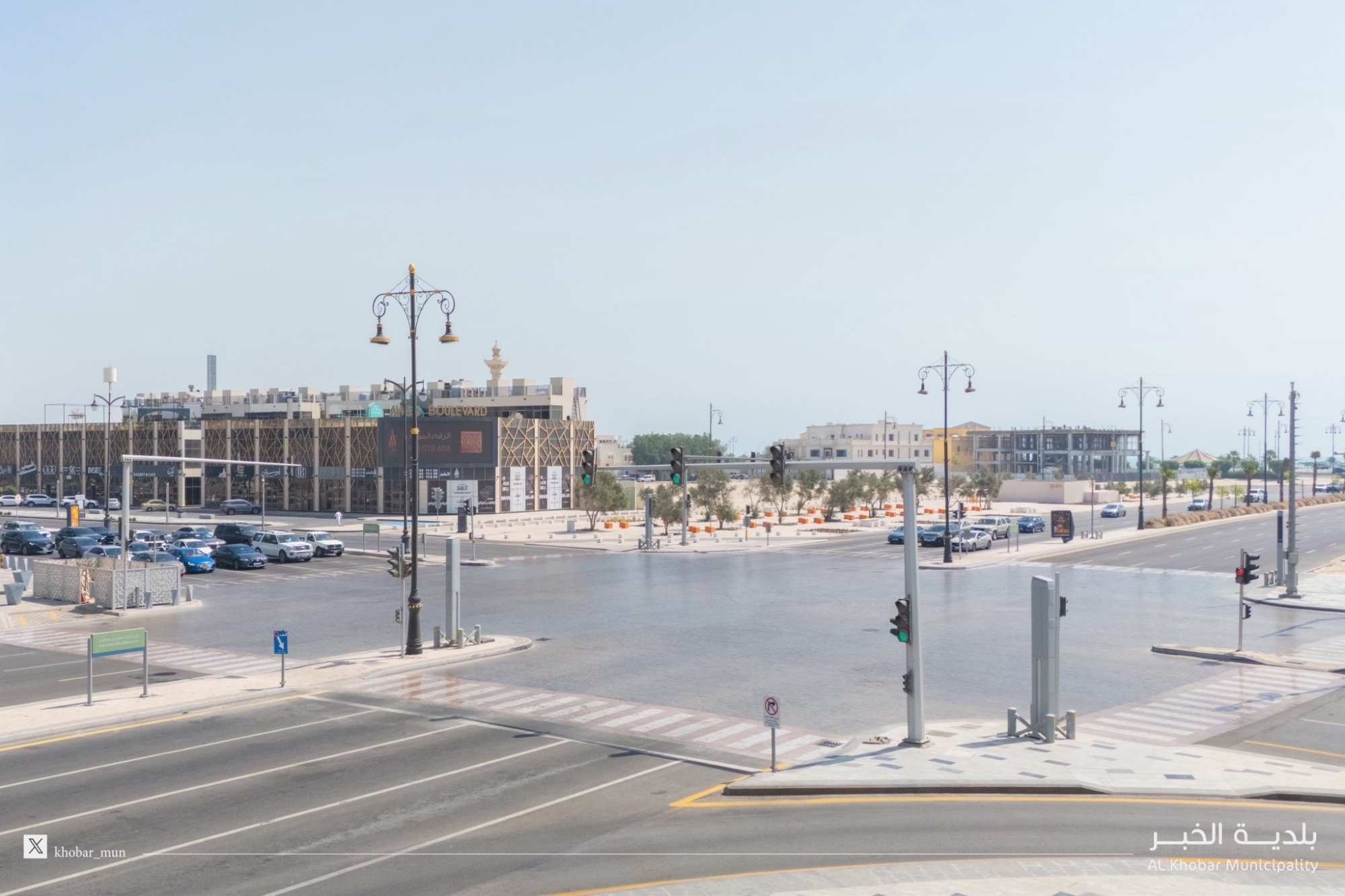
The municipality of Al-Khobar Governorate announced the launch of a strategic project aimed at linking its traffic signal network to a central control system based on artificial intelligence, in a qualitative step aimed at enhancing the city’s position within the IMD Smart Cities Index globally, and confirming its ability to harness the latest technologies to serve humanity and improve the quality of life.
General context and Vision 2030
This initiative comes within the framework of the comprehensive national transformation underway in the Kingdom of Saudi Arabia, in line with the goals of Vision 2030, which prioritizes improving quality of life and upgrading urban infrastructure. Adopting smart city technologies, such as artificial intelligence and the Internet of Things, is a cornerstone for achieving these goals, as the Kingdom seeks to transform its major cities into smart and sustainable global hubs. The Khobar project represents a practical application of this ambitious vision.
Mechanism of action and expected impact
The new system relies on a sophisticated network of cameras and sensors deployed at major intersections. These devices collect real-time, accurate data on vehicle traffic density and pedestrian flow. This data is transmitted instantly to a central, AI-powered control system, which performs predictive analysis of traffic patterns. Based on this analysis, the system dynamically and automatically adjusts traffic light timing, ensuring smoother traffic flow and minimizing unnecessary delays.
Project importance and dimensions
This project is expected to have a direct and positive impact on the lives of residents and visitors to Al-Khobar. By improving traffic flow, the system will reduce daily commute times and alleviate peak-hour congestion. It will also lower fuel consumption and carbon emissions, thus promoting environmental sustainability. Furthermore, the project will enhance road safety by reducing the likelihood of accidents at intersections and facilitating the passage of emergency vehicles. Internationally, this achievement reinforces Al-Khobar's position as a model smart city in the region and underscores the Kingdom's commitment to innovation and sustainable urban development.










Local News
Rain forecast in Saudi Arabia: Areas to be affected until the end of the week
The National Center for Meteorology forecasts thunderstorms in Mecca, Asir, Al-Baha, and other regions. Learn more details and expected weather impacts.
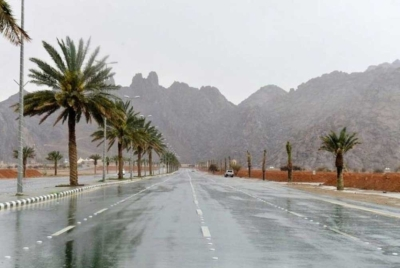
The National Center for Meteorology in Saudi Arabia announced its forecast of continued atmospheric instability, with rain expected in various parts of the Kingdom extending until the end of this week. This forecast is based on the output of the advanced Saudi numerical weather prediction model, a key tool for monitoring and analyzing weather phenomena with high accuracy.
According to the center's report, the list of regions and governorates affected by this rainfall includes Mecca, Abha, Taif, and Al-Baha, in addition to northern areas such as Sakaka and Arar, and areas in Al-Qassim such as Unaizah and Buraidah, extending as far as Al-Dawadmi Governorate. The center indicated that these rains may be thundery at times and accompanied by active winds that could stir up dust and sand, necessitating caution.
Climate context and the importance of rainfall
These rains come at a crucial time for the Kingdom, which is characterized by its predominantly desert climate. These rainy periods are known for their vital role in replenishing groundwater reservoirs, supporting the agricultural sector, and improving vegetation cover, as well as their contribution to moderating the climate and lowering temperatures. The southwestern highlands, such as Jazan, Asir, and Al-Baha, are among the regions that receive the most seasonal rainfall, making them attractive domestic tourist destinations thanks to their lush greenery and temperate climate.
Expected effects and calls for caution
Despite these positive forecasts, which bring good tidings and blessings, the relevant authorities, led by the General Directorate of Civil Defense, are issuing warnings to citizens and residents to exercise caution and stay away from valleys, floodplains, and areas where water accumulates. Drivers are also advised to reduce their speed and maintain a safe distance, especially given the expected fog formation in parts of the highlands and the eastern region, which may reduce horizontal visibility. The chance of thunderstorms and rain is also expected to extend to parts of the highlands of the Madinah region, thus expanding the geographical scope of the weather system.
The National Center of Meteorology continues to closely monitor weather developments around the clock, stressing the importance of following its official reports to obtain the latest information and guidance necessary to ensure everyone's safety.
Local News
New leadership appointments in the Spending Efficiency and Export Development Authorities
Abdulrahman Al-Bishr was appointed CEO of the Spending Efficiency Authority and Bader Al-Harbash was appointed CEO of the Export Development Authority, in a strategic move to enhance the goals of Saudi Vision 2030.
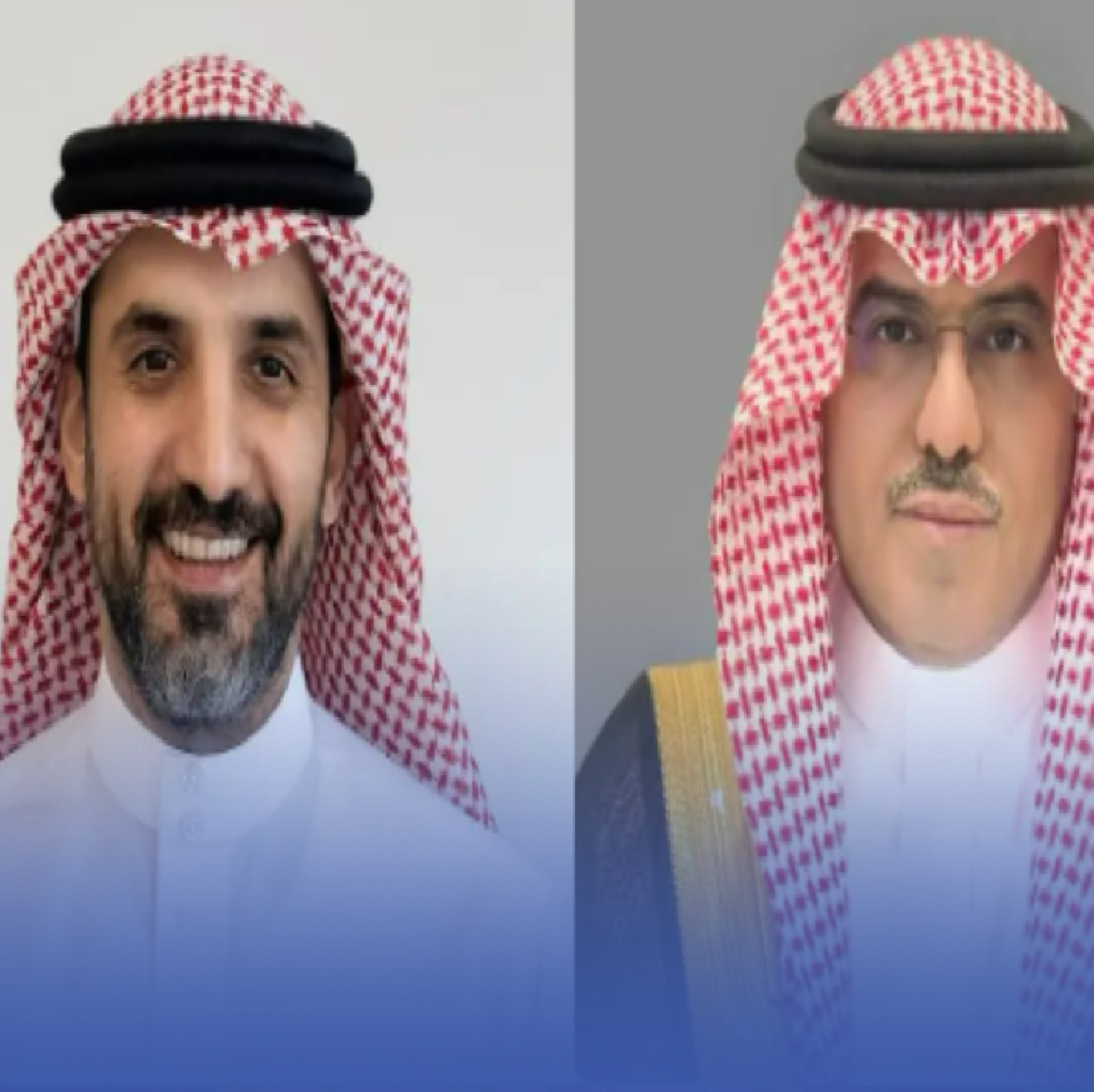
In a strategic move aimed at enhancing economic efficiency and driving sustainable development, the Kingdom of Saudi Arabia has appointed new leaders to two key government bodies. The Board of Directors of the Government Spending and Projects Efficiency Authority (EXPRO) appointed Dr. Abdulrahman bin Abdullah Al-Bishr as its CEO, while His Excellency the Minister of Industry and Mineral Resources, Mr. Bandar Al-Khorayef, appointed Mr. Bader bin Sulaiman Al-Harbash as CEO of the Saudi Export Development Authority.
Badr Al-Harbash and leading the development of Saudi exports
The appointment of Professor Bader Al-Harbash comes at a time when the Kingdom is strongly seeking to diversify its economy and increase the contribution of non-oil sectors to the gross domestic product, which is one of the main objectives of Saudi Vision 2030. The Saudi Export Development Authority plays a vital role in achieving this objective by empowering Saudi exporters and opening new markets for national products and services.
Al-Harbash boasts a rich professional background spanning over 20 years, during which he held prominent leadership positions, including Head of Strategy and Executive Director of Strategy at the Tourism Development Fund, in addition to serving as a Partnerships Advisor at the Fund. His career also included significant roles at Saudi Aramco, providing him with extensive experience in strategy, business development, and project management—skills essential for leading the Authority toward achieving its ambitious goals of increasing Saudi non-oil exports and enhancing its global competitiveness.
Abdulrahman Al-Bashar and the mission of enhancing the efficiency of government spending
On another front, Dr. Abdulrahman Al-Bishr heads the Government Spending and Projects Efficiency Authority (EXPRO), the government body responsible for rationalizing public spending and improving the efficiency of government project management. The authority was established as part of comprehensive economic reforms to ensure the optimal use of state financial resources and to guarantee that government projects are implemented according to the highest quality standards and on schedule.
Dr. Al-Bashar possesses extensive and diverse experience in both the public and private sectors, having led strategic initiatives for industrial policy transformation and operational excellence. His expertise encompasses vital areas such as strategy, business development, financial management, and digital transformation. His leadership is expected to enhance the Authority's role in governing procedures, designing innovative business models to improve spending efficiency, and generating financial savings that can be redirected to support other development priorities, thereby strengthening the Kingdom's financial sustainability.
The impact of appointments on the economic landscape
These appointments reflect the leadership's commitment to entrusting vital positions to qualified national talent capable of leading the desired transformation. By boosting non-oil exports and increasing the efficiency of government spending, the Kingdom is taking firm steps towards building a diversified and sustainable economy, capable of meeting global challenges and achieving prosperity for its citizens, in line with the objectives of Vision 2030.
Local News
The return of non-Saudi livestock electronically: A step towards a green Saudi Arabia
The Saudi Ministry of Environment announced the resumption of the service for the return of camels and livestock belonging to non-Saudis through the 'Nama' platform, with the aim of protecting pastures and combating overgrazing within the objectives of the Saudi Green Initiative.
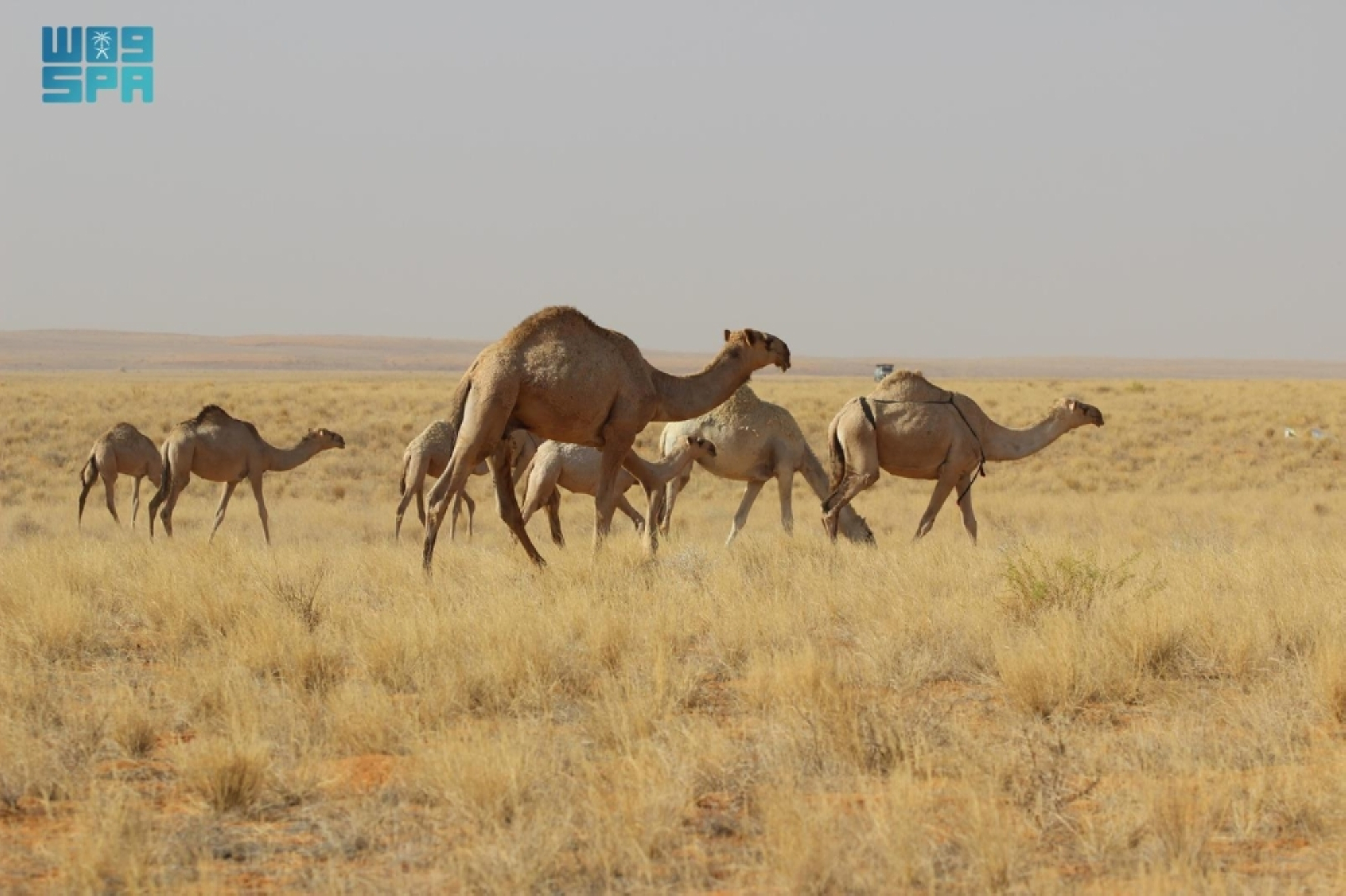
The Saudi Ministry of Environment, Water and Agriculture announced on Sunday the official resumption of the service for the return of camels and grazing livestock owned by non-Saudis to their home countries through the “Nama” electronic platform. This step comes as part of the Kingdom’s ongoing efforts to preserve natural rangelands, combat desertification, and promote environmental sustainability, in line with the ambitious goals of the Saudi Green Initiative and the Kingdom’s Vision 2030.
Historical context and importance of the decision
Historically, grazing and the movement of livestock across borders have been integral to the social and economic fabric of the Arabian Peninsula. However, climate change and increasing environmental pressures over the past decades have led to the degradation of vegetation cover and an intensification of overgrazing, necessitating regulatory intervention to protect vital natural resources. The Ministry's decision is a strategic step to regulate this traditional practice, ensuring the sustainability of rangelands and achieving the necessary ecological balance. By establishing clear regulations, the Kingdom aims to curb unregulated practices that harm the local environment and deplete scarce water resources.
Application process and regulatory requirements
The Ministry explained that the new service allows camel and livestock owners and herders who were previously unable to bring their entire herds back to Saudi Arabia to apply electronically for a return permit. It emphasized the need to adhere to specific conditions to ensure a smooth process, including that applications must be submitted exclusively through the "Nama" electronic platform. A key requirement is that applicants not proceed to border crossings until official approval of their application is granted and a pre-arranged crossing appointment is confirmed. The Ministry also stressed the importance of implementing all approved quarantine procedures in accordance with the Veterinary Quarantine Law and complying with the animal welfare standards of the Gulf Cooperation Council (GCC) countries and their respective implementing regulations adopted in the Kingdom, to guarantee the health and safety of livestock during transport.
Expected local and regional impact
At the local level, this regulation is expected to directly contribute to protecting vegetation cover and reducing pressure on natural rangelands, thus helping to rehabilitate degraded lands and enhance biodiversity. The decision also supports the Kingdom's efforts to register livestock, facilitating monitoring and preventing the trade of unregistered animals. Regionally, this step strengthens cooperation among the Gulf Cooperation Council (GCC) countries in the field of biosecurity and regulating the movement of livestock across borders, reducing the risk of disease transmission and establishing sustainable grazing practices that benefit the entire region. This measure complements a previous seven-month campaign implemented by the Ministry, underscoring the serious commitment to sustainable livestock and rangeland management.
In closing, the Ministry urged all concerned non-Saudi camel and livestock owners and herders to take the initiative to submit return requests and benefit from the facilities provided by the “Nama” electronic platform, in order to avoid taking any regulatory measures against violators, and to contribute to achieving national environmental goals.
-
 Local news one week ago
Landslide in Riyadh: Details of the incident in Al-Sahafa neighborhood and containment efforts
-
 Local news one week ago
The death penalty was carried out against a citizen who stabbed another to death in Tabuk
-

 Culture and Art 7 days ago
Haifa Wehbe's absence in Riyadh: A photo crisis or a strained relationship with the media?
-
 Local news one week ago
First birth on the Riyadh train: A heartwarming story at Andalus station
-
 Local news one week ago
Riyadh collapse: Emergency plans to secure water after a main pipeline burst
-

 Culture and Art 7 days ago
City Kitchen series: A drama of conflict and the middle class during Ramadan
-

 Culture and Art 7 days ago
The series "Kasra": Dawood Hussein in a moving social drama this Ramadan
-

 Local News 6 days ago
Applying for the 1447 Opportunities Program for Teachers via the Fares System