Local News
Al-Bassami inspects the readiness of the Umrah security plans for the 1447 AH season
Director of Public Security, Lieutenant General Mohammed Al-Bassami, inspects the security and traffic preparations for the 1447 AH Umrah season and witnesses field simulations to ensure the safety of the pilgrims in the Grand Mosque of Mecca.

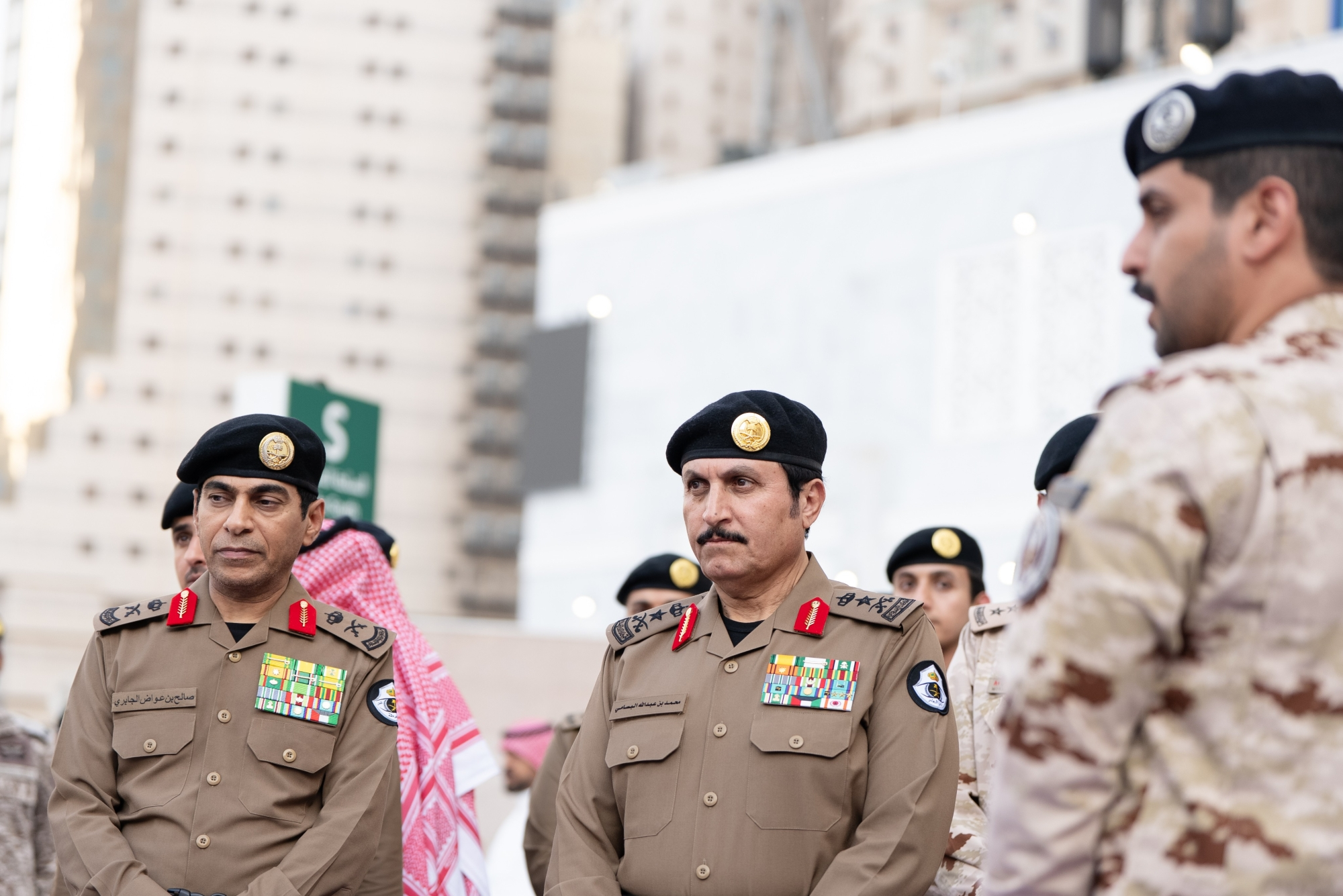
As part of the Kingdom of Saudi Arabia's extensive and early preparations to serve the pilgrims, the Director of Public Security, Lieutenant General Mohammed bin Abdullah Al-Bassami, conducted a comprehensive inspection tour to assess the readiness of the security and traffic sectors involved in implementing the approved plans for the 1447 AH Umrah season. This tour underscores the security authorities' commitment to providing the highest levels of safety and security for pilgrims and worshippers at the Grand Mosque in Mecca.
Tour details and field hypotheses
During the inspection tour, Lieutenant General Al-Bassami, accompanied by the Commander of the Umrah Security Forces and several prominent field commanders, observed a live field exercise simulating potential security deployment scenarios and how to manage large crowds. These exercises aim to assess response times, the accuracy of coordination among participating sectors, and the effectiveness of emergency plans and crowd management strategies during peak times, ensuring smooth traffic flow and the safety of visitors.
Comprehensiveness of security and traffic plans
The Director of Public Security's tour included inspecting vital locations and designated routes within the Grand Mosque and its outer courtyards, as well as the roads leading to it. Al-Bassami was briefed directly on the implementation of the approved security and traffic plans, which rely on employing modern technologies and trained personnel to ensure a safe and convenient spiritual experience for pilgrims. These plans focus on regulating entry and exit, preventing overcrowding, and facilitating the movement of pedestrians and vehicles in the central area.
The context of focusing on serving the guests of God
These preparations fall within the broader context of the Kingdom's ongoing efforts to develop its Hajj and Umrah services system, in line with the objectives of Vision 2030, which aims to host millions of pilgrims annually and provide them with the highest quality services. Security preparedness is the cornerstone that enables visitors to the Holy Mosque to perform their rituals with ease and peace of mind. The on-site supervision of these plans by senior security leaders reflects the level of responsibility and attention the wise leadership gives to the safety and security of everyone who sets foot on the Holy Land.
The importance of joint security coordination
The success of the Umrah seasons is a result of the integrated efforts of all security and service sectors. The importance of such inspection tours lies in boosting the morale of the participating forces and ensuring that any potential gaps are addressed before the peak season begins, thus enhancing the efficiency of field operations and reinforcing the sense of security among pilgrims arriving from all corners of the earth.






Local News
Al-Bassami inspects the readiness of the security plans for Umrah 1447 AH and the field scenarios
Director of Public Security, Lieutenant General Mohammed Al-Bassami, inspects the readiness of the plans for the 1447 AH Umrah season and witnesses a field simulation of the security deployment in the Grand Mosque to ensure the safety of the pilgrims.

As part of intensive preparations to ensure the safety and security of pilgrims, the Director of Public Security, Lieutenant General Mohammed bin Abdullah Al-Bassami, conducted a comprehensive inspection tour to assess the readiness of security and traffic sectors to implement the approved plans for the 1447 AH Umrah season. This tour underscores the wise leadership's ongoing commitment to providing the utmost comfort and peace of mind for pilgrims and visitors.
Details of the field tour and security assumptions
During the tour, Lieutenant General Al-Bassami, accompanied by the Commander of the Umrah Security Forces and several prominent field commanders, was briefed on a live field exercise simulating real-world security deployments. This exercise aimed to test the speed of response and the efficiency of coordination among the various participating agencies, ensuring a professional approach to all potential scenarios during peak seasons.
The inspection tour also included a field visit to the vital sites and routes inside the Grand Mosque and its outer courtyards, where the Director of Public Security listened to a detailed explanation of the mechanism for implementing the approved security plans, which focus mainly on crowd management and organizing human flows in a way that ensures smooth movement and the safety of worshippers and pilgrims.
General context and the importance of early preparation
These early security preparations for the 1447 AH Hajj season come within the framework of the Kingdom of Saudi Arabia's ongoing efforts to serve the Two Holy Mosques, and in line with the objectives of Vision 2030, which seeks to increase the capacity to receive pilgrims while providing high-quality services. Security and traffic plans are a fundamental pillar of this integrated system, and are updated regularly based on lessons learned from previous seasons and using the latest technologies.
Security integration and its impact on the pilgrim's experience
This on-the-ground experience reflects the importance of integration between security, traffic, and service sectors. Advance planning and field training through live drills directly contribute to enhancing visitors' sense of security, enabling them to perform their rituals with ease and comfort. Crowd management at the Grand Mosque is a global model to be emulated, given the high human density within a specific geographical area, which necessitates meticulous execution and constant monitoring by security leaders.
In conclusion, this tour confirms the readiness of the security personnel and the efficiency of the plans put in place to receive pilgrims in the 1447 AH season, harnessing all human and technical capabilities to serve those who come to the Sacred House of God.
Local News
Passports communication service via Absher: Resolving difficult transactions electronically
Learn about the steps to use the Passports Communication Service via the Absher platform to resolve technically impossible transactions without the need to visit branches, as part of the digital transformation efforts and Vision 2030.

In its ongoing efforts to enhance the efficiency of government services and facilitate the lives of citizens and residents, the General Directorate of Passports in the Kingdom of Saudi Arabia has reaffirmed the importance of its "Tawasul" electronic service. This service, available through the Ministry of Interior's "Absher" platform, is the ideal digital solution for users facing technical or procedural obstacles that prevent them from completing their transactions electronically, thus eliminating the need to visit passport offices and endure waiting times.
Steps to benefit from the communication service via the Absher platform
The passport office explained that the service is designed with a user-friendly and flexible interface, allowing users to submit requests to address any technical issues encountered during their transactions. To utilize the service, the following steps must be followed precisely:
- Log in to your personal account on the “Absher” electronic platform.
- Go to the main “My Services” menu.
- Click on the “Services” option.
- Select “Passports Sector” from the drop-down menu.
- Click on the “Communication Service” icon.
- Click the “Submit a new request” button.
After accessing the request form, the beneficiary must select the relevant department and the sub-service that is experiencing a problem, and must attach all supporting documents and write a detailed explanation of the problem in the designated box, after which the request will be sent to the relevant team for processing and response electronically.
Historical context and the shift from paper to digital
This ease of completing transactions was unavailable a decade ago; visiting passport offices required in-person attendance, standing in long queues, and dealing with paper documents that were susceptible to damage or loss. With the launch of the “Absher” platform, the Ministry of Interior revolutionized services, moving them from traditional service windows to smartphones. Today, the platform serves millions of users and processes thousands of transactions daily, reflecting a significant leap forward in the Kingdom’s digital infrastructure.
Communication service and the Kingdom's Vision 2030
Activating and developing the “Tawasul” service falls within the objectives of the Kingdom’s Vision 2030, specifically the National Transformation Program, which aims to build a fully integrated and efficient digital government. These efforts seek to achieve a vibrant digital society where technology is harnessed to serve people, reduce bureaucracy, and elevate government performance indicators to global standards. “Tawasul” acts as a digital safety net, ensuring that beneficiaries' interests are not disrupted in the event of any malfunction in standard automated systems.
The economic and social impact of the service
The importance of this service extends beyond its technical aspects to encompass tangible economic and social dimensions. Economically, the service saves hours wasted on government transactions, thereby increasing employee productivity in both the public and private sectors. Socially, it improves quality of life by reducing traffic congestion caused by travel to passport offices and provides users with peace of mind by allowing them to process their transactions from home. The General Directorate of Passports affirms its full commitment to continuous development and to harnessing all available resources to ensure a seamless and reliable user experience for everyone.
Local News
Passports Department enables the resolution of difficult transactions through the "Tawasul" service in Absher
Learn how to resolve difficulties electronically through the "Tawasul" service on the Absher platform. Saudi Passports enables beneficiaries to complete their transactions without needing to visit branches.

In its ongoing efforts to develop electronic services and streamline procedures for citizens and residents, the General Directorate of Passports in the Kingdom of Saudi Arabia announced important details regarding the “Tawasul” service, available through the Ministry of Interior’s electronic platform “Absher.” This step aims to enable beneficiaries to process requests and complete transactions that may encounter technical or procedural obstacles preventing their completion through traditional electronic methods, without the need to visit passport offices in person.
Steps to benefit from the communication service
The General Directorate of Passports explained the precise mechanism for benefiting from this advanced digital service, where the beneficiary can access his personal account on the “Absher” platform and follow the following steps:
- Go to the “My Services” menu.
- Select “Services”.
- Identifying the “passport sector”.
- Click on “Contact Service”.
- Select “Submit a new application”.
- Identify the relevant department and the required sub-service.
- Attach the necessary documents and requirements.
- Write a detailed description of the request or problem before sending.
The context of digital transformation and Vision 2030
This service cannot be viewed in isolation from the broader context of Saudi Arabia's Vision 2030, which prioritizes digital transformation and e-government. The Absher platform is a prime example of this approach, having become a global model for delivering digital government services. The activation and development of the Tawasul service is part of the Ministry of Interior's strategy to automate all procedures and reduce reliance on paper transactions and in-person visits, reflecting the significant technological advancements in the Kingdom's digital infrastructure.
The importance of service and its impact on quality of life
This service is of paramount importance on both social and economic levels; it directly contributes to saving time and effort for beneficiaries, whether citizens, residents, or business owners. Instead of waiting in queues to resolve a simple technical issue or complete a missing document, the solution is now available at the click of a button. This approach contributes to increasing the efficiency of government operations, reducing traffic congestion caused by unnecessary travel, and enhancing the concept of "quality of life," which is one of the ambitious Vision 2030 programs.
Passports Department's commitment to institutional excellence
In its concluding statement, the General Directorate of Passports emphasized its commitment to removing any obstacles that users may encounter, noting that enhancing the efficiency of electronic services is an ongoing strategic objective. Through these digital channels, the Passports Directorate aims to provide a seamless and reliable user experience, ensuring the accurate and rapid completion of transactions, thereby strengthening users' confidence in the government's digital infrastructure.
-

 Culture and Art 5 days ago
The "Between and Between" exhibition in Jeddah: 5 artists reshape Saudi memory
-
Culture and Art 6 days ago
Shakira's concert in Jeddah: Details of the international star's first concert in Saudi Arabia
-
Local News 3 days ago
Saudi Arabia's National Arabic Language Policy: 8 Principles to Promote Identity
-
Local news two days ago
Adopting the National Policy for the Arabic Language: Strengthening Identity and Vision 2030
-
Culture and Art, 1 week ago
The truth about Nancy Ajram's video and Epstein Island, and her legal response
-
Local News 3 days ago
The Riyadh-Rin-Bisha dual carriageway, spanning 559 km, has been completed
-
Fashion one week ago
Sneaker Con Jeddah 2026: The largest gathering for sneaker culture and fashion
-
Local news one week ago
Launch of the new Dammam project with investments of 98 billion riyals