
Culture and Art
Writers and intellectuals are calling for the return of literary clubs
Saudi writers and intellectuals have renewed their demands for the Saudi Ministry of Culture to pay attention to literary clubs and empower them to operate

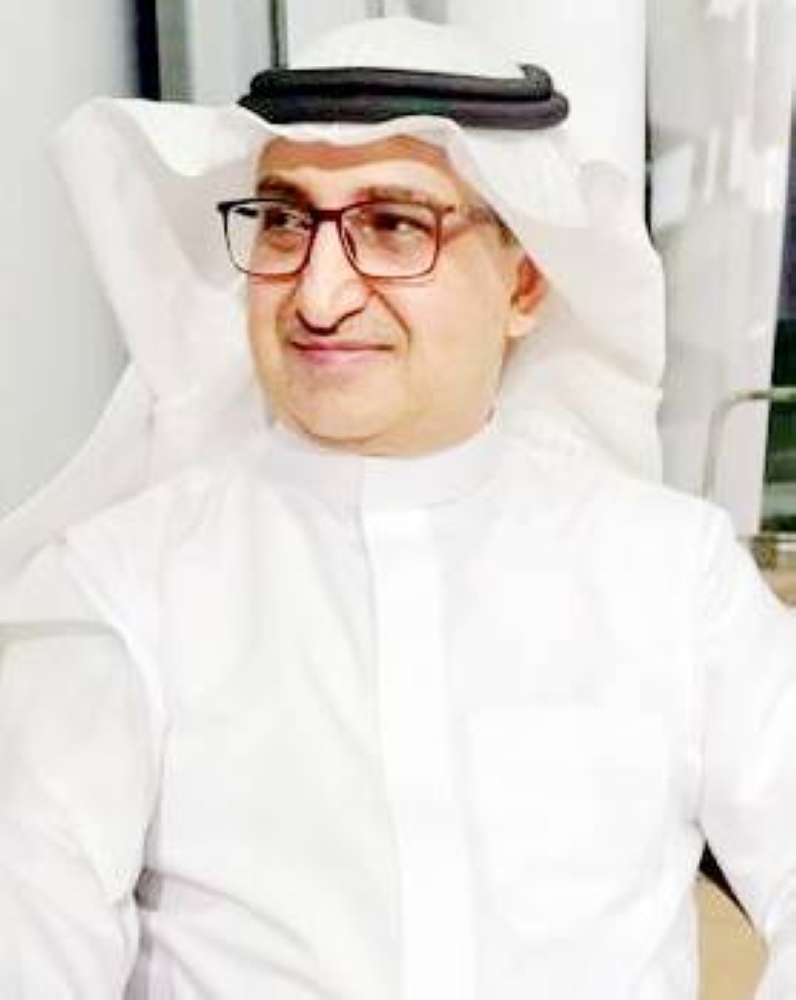
Saudi writers and intellectuals have renewed their demands to the Saudi Ministry of Culture regarding the importance of paying attention to literary clubs and enabling them to carry out cultural work in Saudi regions and cities according to new conditions and mechanisms of work.
These demands received a great response from writers and intellectuals on social media, pointing out that supporting literary clubs and activating their activities does not conflict with the activities and events of the literary partner or the work of cultural cafes.
The opinions and demands pointed to the importance of utilizing the buildings owned by the literary clubs, the libraries, books and magazines that they had published over the decades, in addition to the cultural archive owned by these literary and cultural clubs. The conditions presented by the writers and intellectuals did not deviate from the new regulations and systems, the dissolution of the current councils, and the financial support due to these clubs in activating their role and revitalizing the buildings that have become prominent landmarks in every region and city.
Marginalization of serious culture
Poet, academic and former director of literary clubs Ahmed Qaran Al-Zahrani affirmed that literary clubs in the past fifty years have played a vital role in spreading culture and literature among various segments of society, and have encouraged reading by distributing their publications for free. They have also cared for literary talents through their platforms and presented them to the cultural scene, in addition to working to preserve the Arab literary heritage and contributing to the preservation of cultural identity.
Al-Zahrani pointed out that literary clubs have organized many cultural events and activities over the past half-century through lectures, seminars, poetry and storytelling evenings, and have contributed significantly to introducing Saudi culture abroad through their publications or by hosting Arab intellectuals to participate in their events, and have worked to build bridges of communication between writers and intellectuals in the Kingdom.
Al-Zahrani continued: Literary clubs are the main incubator of Saudi culture, as they have contributed to enriching cultural life and developing community awareness throughout their history, and the majority of Saudi intellectuals passed through and achieved fame through literary clubs.
Al-Zahrani stressed the importance of literary clubs returning to their vital cultural role, because they are the institutions worthy of this, because they are the appropriate place for this, and because they are the actual incubator of culture and intellectuals. Marginalizing them means marginalizing serious and genuine culture in light of the superficiality that the world is experiencing due to the content of social media, which certainly affects the local cultural identity.
The literary partner doesn't know intellectuals
Al-Zahrani confirmed that the literary partner plays a respectable role in spreading culture, but not in the way we see, as quantity prevails over quality, and most of those in charge of it do not know the intellectuals. This is why you find those in charge of those cafes repeating names. As soon as a literary partner hosts an intellectual and news of that spreads, another cultural cafe rushes to host that guest. The reason is the lack of a database at those cafes and their lack of interest in diversity and quality. What is important to them is quantity because the goal is the financial aspect, as the Ministry of Culture spends on every event that those cafes organize.
Al-Zahrani pointed out that literary clubs do not limit their activities to cultural events, but extend to publishing books for intellectuals and issuing various magazines, which is not done by cultural cafes or what is called the literary partner. If the ministry did not spend on the activities of those cafes, not a single event would be organized. Therefore, literary clubs are more deserving of those sums that are spent on the literary partner.
Activating financial and administrative systems
Al-Zahrani suggested several points for the return of literary clubs to their activities and events, including:
First: The importance of the Ministry of Culture’s belief in the great role that literary clubs have played in serving Saudi culture over fifty years, and that these clubs are an important addition to the work of the Ministry and not a heavy burden on it, and that they need financial, moral and administrative support. Also, the Ministry of Culture’s belief that literary clubs are radically different from charitable societies; therefore, the decision to attach literary clubs to the Ministry of Human Resources should be reversed.
Second: An order was issued by the Supreme Authority to annex the literary clubs to the Ministry of Culture, with their headquarters, land, buildings, and administrative staff working full-time in them, and all that is attached to them, and to transfer ownership of their lands to the Ministry of Culture, and to transform them into cultural centers by annexing the culture and arts associations to them and changing their names to (the Cultural Center).
Third: Forming a committee of intellectuals to reformulate its administrative and financial systems and define its cultural and artistic role.
Fourth: Establishing a general administration for cultural centers in the Ministry of Culture, whether under the umbrella of the Literature and Publishing Authority or independent and directly linked to His Highness the Minister of Culture or to His Excellency the Deputy.
Fifth: Restructuring its boards of directors.
Sixth: Allocating a budget befitting the status of Saudi culture and arts and Saudi intellectuals, with no less than three million riyals for each cultural center.
Seventh: Activating financial and administrative oversight by the general administration of those centers.
Changing the cultural barriers around clubs
Writer and novelist Awad Shaher Al-Osaimi emphasized the importance of dismantling the cultural barriers that literary clubs have erected around themselves when organizing events. He added, "The public has the right to attend comfortably, as if they were enjoying a pleasant outing. This is not the case with literary clubs, given their formal and reserved approach to managing the atmosphere of the gathering. In my opinion, the problem with literary clubs is that their administrative mindset prioritizes maintaining an elitist audience, limited to those directly involved in literature and culture, with no broader perspective." Al-Osaimi then asked, "What about ordinary people who wish to attend without claiming to be among the elite writers and cultural figures?".
Al-Osaimi pointed out that the average person's perspective has changed from the traditional view that divides people into elite intellectuals and hardworking laborers. Access to literature and culture, its channels, and its means has become easier and broader than before. Even those in modest professions are now aware of what's happening and may even want to attend, but they are met with the cultural barrier of the club: "Beware of approaching." Before you lies an intellectual elite, a platform for professionals, and a closed hall where elegant words, carefully chosen for their meaning and implications, shine. This atmosphere instills a sense of cultural dread in the average visitor, who is likely to flee towards the door, determined never to return.
Cafes are more relaxing than clubs
The writer and novelist Al-Osaimi points out that the situation is different in cultural cafes, which manage their events with a relaxed atmosphere suitable for all segments of society. The same space offers services to those who appreciate the experience, along with a cup of coffee, a book by the guest author, or a question that the visitor wishes to pose to the guest without barriers. Thus, the cafe offers entertainment alongside culture in a comfortable and simple atmosphere. Anyone who follows closely will see that the new shift in cultural, literary, and intellectual affairs has narrowed the gap between intellectuals and the public. A poetry evening was held in Yanbu, carried on the open air by the sea, and another in a different governorate, attended by some of the local residents in an open space resembling a newly opened traditional market. When has culture ever been detached from the ordinary, popular interaction with life and things? The shortest distance that can bring an intellectual together with their audience is a direct, intimate encounter with people, the land, and the sky.
Club cliques extinguished its flame
Writer Ibrahim Al-Shamrani observed that literary clubs twenty years ago were at their peak, serving as cultural beacons with diverse programs, events, boards of directors, and literary and cultural output, albeit with varying degrees of excellence and dynamism. Then, as publishing and cultural platforms developed globally, cultural cliques came to dominate these clubs, which were supposed to keep pace with developments in Saudi Arabia. However, they failed to do so, and factionalism, exclusion, and marginalization quickly extinguished their initial fervor. Despite the distinction of some clubs and the dedication of their leadership to higher goals, the years passed, leaving them, as writer Mirza Al-Khuwailedi describes them, "lame ducks" (stuck in their chronic problems: the dilemma of regulations, boards of directors, and budgets). Consequently, many of these clubs became out of step with their times, unable to keep up with the enormous cultural movement within society and incapable of keeping pace with the ambitious Vision 2030. Instead of providing appropriate treatment, the patient, who had not responded to resuscitation, was relegated to a nursing home!
Al-Shamrani stressed that the eagerness of those calling for its revival stems from its importance as a national cornerstone, a free space, a respected and revered place, and a cultural enabler with its own features, history, experience, and symbols, all of which should be utilized and developed, not neglected, abandoned, and thrown into the non-profit sector!.
Development is not difficult
Al-Shamrani does not believe that developing these institutions is a difficult task for the educated minds of this nation's youth, who are well-versed in global cultural experiences. He cites as examples the Commonwealth Club in California and the cultural and artistic centers in France.
He added: We can have at least four cultural centers in the four directions and a fifth in the middle, studying their structure and activity and attracting prominent figures in culture and leadership to manage them, so that each of the five centers becomes an influential platform to support cultural dialogue and enrich the local community with all kinds of knowledge and arts. In this context, we can benefit from the experience of the (Ithra) Center affiliated with Aramco.
Similar to the experience of French cultural centers, these centers can seek to integrate artists and intellectuals into society and its activities, promote cultural cooperation between our country and other cultures living among us, and in part focus on current challenges, encouraging innovation and knowledge transfer.
The system of these centers allows members of all orientations, experiences and nationalities to join, to participate in organizing annual programs that are planned in advance, which include lectures, evenings, art exhibitions, cinematic experiences, cultural events and even political and economic seminars. Their cultural activity is carried out by hosting prominent intellectuals, thinkers and writers, authors and artists, while promoting diversity and inclusivity, and encouraging dialogue between cultures.
These centers may offer courses in self-development such as communication skills, positive thinking, emotional intelligence and influence, time management, problem-solving, and theatrical acting workshops supervised by experts and specialized artists who teach elocution skills, movement techniques, and acting performance.
It is acceptable for it to rely in some of its budget sources on members’ subscriptions, donations, event proceeds, and (wealthy) sponsors such as banks and large companies, so that it forms a stable support that is supervised and benefited from by the Ministry of Culture to enrich knowledge, arts, and literature.
It is not prohibited for these centers to organize meetings, lectures and events covering diverse cultural topics, including types of literature such as novels, poetry and stories, arts, cinema, architectural heritage and oral heritage, and to host globally influential figures from political leaders, scientists, artists and intellectuals, and to allow the public to engage in dialogue with them and learn about new visions that look to the future.
Al-Shamrani stressed the importance of establishing a cultural season initiative in each center, encompassing a range of events including book fairs, crafts and handicrafts exhibitions, folk art displays, and a platform for oral storytelling. He further emphasized the vision of each center becoming a landmark of cultural architecture, housing museums and galleries celebrating scientific and cultural achievements, natural history, and space science, as well as a building for documents and publications related to literary clubs, a conference hall, and a theater.
Cafes do not conflict with clubs
Al-Shamrani stressed that the experience of (cultural cafes) or any experience that brings the public closer to the intellectual and lovers of poetry and literature and their stars does not conflict with the existence of literary clubs, but changing the work of literary clubs to be through this outlet only is an injustice to their history and goals and a distancing from the elite whose experiences and output are important to focus on, and we may need them one day and not find them, or perhaps we will not find an elite at all, and the pioneering experience owners will be content with watching and the public will continue to follow the celebrities!
Serious culture
Dr. Mu'jib Al-Zahrani believes that these long-established cultural institutions are an integral part of the nation's achievements, as they have always been pillars of serious culture. Al-Zahrani emphasized that cultural cafes deserve support because they represent a new experience, but they are by no means a replacement for literary clubs.


Culture and Art
The series "Rouh OFF" was permanently canceled by a decision of the Actors' Syndicate
The Actors' Syndicate has decided to permanently halt the airing of the series "Rouh OFF" during Ramadan due to violations of regulations and the use of blogger Umm Jasser. Learn the full details.
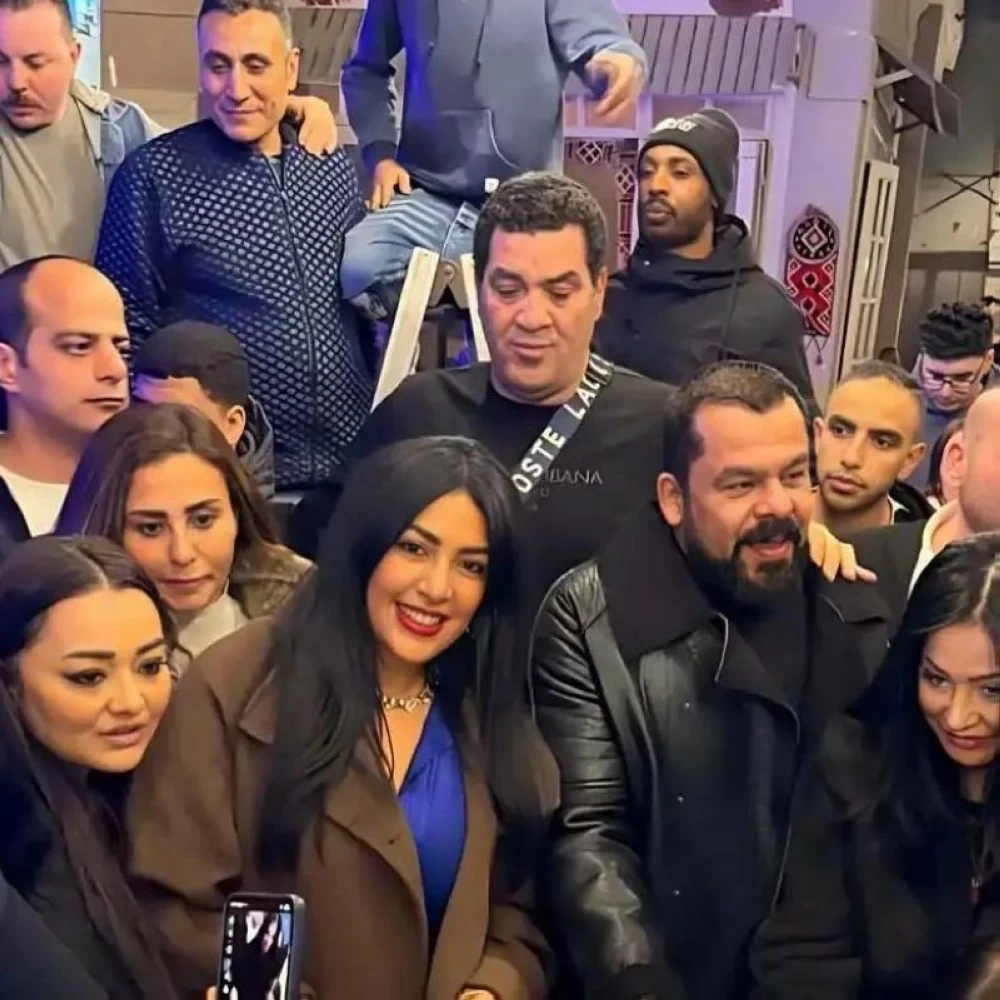
In a decisive move aimed at regulating the artistic scene in Egypt, the Actors' Syndicate, headed by Dr. Ashraf Zaki, issued an official decision to permanently halt the production and filming of the series "Rouh OFF," prohibiting its broadcast during the upcoming Ramadan season or at any other time. The syndicate confirmed that this decision is final and irrevocable, following the proven violation by the production company of serious breaches of the regulations and laws governing artistic work in Egypt.
Reasons for the decision and ignoring the warnings
The union explained in its press release that the suspension decision was not arbitrary, but rather a result of producer Bilal Sabri's disregard for a series of official warnings and notices previously issued to him. The union had demanded that the production company adhere to legal procedures and obtain the necessary permits, but the producer persisted in flouting regulations, necessitating decisive intervention to uphold the union's prestige and the rights of its members.
The union investigations revealed that the main reason for the crisis was the circulation of a video clip showing the producer contracting with the famous blogger known as “Umm Jasser” to participate in the work, which is a clear violation of the union law that prohibits employing those who are not registered in the union’s lists or who do not have official work permits, especially in light of the existence of thousands of academic graduates who are waiting for the opportunity.
Context of the crisis: The union confronts the "blogger phenomenon"
This decision comes within the context of a broader campaign led by the Actors' Syndicate to address the phenomenon of social media celebrities (bloggers and TikTokers) entering the field of acting without talent, academic training, or legal permits. The syndicate consistently emphasizes that art is a creative profession with its own sanctity, and that allowing non-specialists to practice it simply because of their online fame harms public taste and reduces opportunities for professional and syndicate-affiliated actors who have dedicated years to study and training.
Legal significance and impact of the decision on the industry
This decision sends a strong message to all production companies in the Egyptian market: the syndicate will not tolerate any violations of Law No. 35 of 1978 and its amendments, which regulate the work of artistic syndicates. The decision emphasizes that protecting the profession and guaranteeing the rights of its members are top priorities, and that any attempt to circumvent the laws for quick "trends" will be met with deterrent penalties, potentially including expulsion or permanent suspension.
The crew of the suspended series
It's worth noting that the series "Rouh OFF" featured a stellar cast before its cancellation, including Munther Rayahneh, Mirna Walid, Salah Abdullah, Nancy Salah, Tarek El Nahry, Sherif Baher, Mohamed Soliman, Taher Abu Leila, and Reda Hamed. The show also heavily relied on rap and festival music stars, featuring artists such as Samir Afrato, Felix, Resha Costa, Samara, Fifty, Sadat, and the Power High band, indicating its direct target audience of young people.
Culture and Art
Details of the Rice Night concert in Riyadh Season featuring Lebanese stars
Ragheb Alama, Assi El Hallani, and Carole Samaha have arrived in Riyadh to perform at Laylat Al Arz (Night of the Cedars) as part of Riyadh Season. Find out more details about the highly anticipated concert and its date at the Abu Bakr Salem Theater.
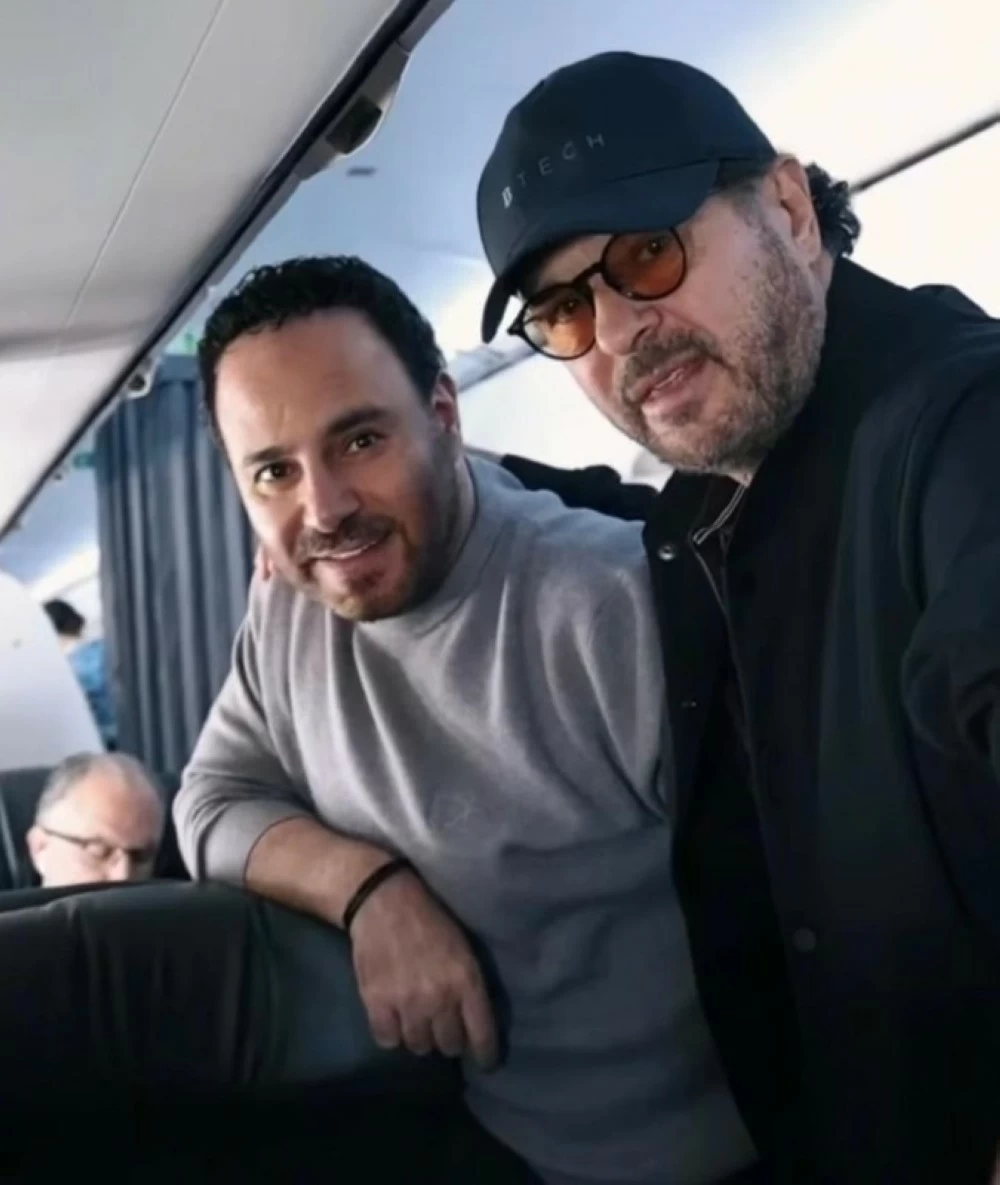
Amidst an atmosphere brimming with excitement and anticipation, the plane carrying Lebanese singing stars Ragheb Alama, Assi El Hallani, and Carole Samaha landed in the Saudi capital, Riyadh, in preparation for one of the biggest musical evenings, titled "Laylat Al-Arz" (Night of the Cedars). This highly anticipated concert is scheduled for February 5th, as part of the packed schedule of events at Riyadh Season, which continues to attract global attention.
A night of musical entertainment with a Lebanese flavor
This evening marks a significant milestone in the concert calendar at the Abu Bakr Salem Theater, which has recently hosted some of the Arab world's biggest stars. The concert's title, "The Night of the Cedars," carries profound symbolic meaning, referencing the cedar tree at the center of the Lebanese flag, promising an evening that blends national pride with authentic musical artistry. The trio is expected to present a diverse selection from their extensive repertoire, with the audience anticipating a fusion of Assi El Hallani's signature energetic Lebanese dabke songs, Ragheb Alama's modern romantic ballads, and Carole Samaha's powerful stage presence.
Riyadh Season: A Destination for Arab Art
This concert is more than just a fleeting event; its significance stems from its role as part of Riyadh Season, which has successfully transformed the Saudi capital into a global entertainment and cultural destination. Such concerts play a pivotal role in fostering cultural and artistic exchange, offering Saudi and Arab audiences residing in the Kingdom the opportunity to enjoy live performances by their favorite stars. The concert also reflects the musical diversity that the season's organizers are committed to providing to satisfy all artistic tastes.
Behind the scenes of the arrival and the stars' reactions
On the social media front, artist Carole Samaha documented moments of travel and arrival, sharing spontaneous snapshots with her colleagues Ragheb and Assi, commenting with the touching phrase: “When the sons of the Cedars come together,” which received widespread interaction from the public who praised the brotherly spirit between the artists.
Intense artistic activity
In a related context regarding the stars' schedule, artist Ragheb Alama's activities are not limited to the Riyadh concert only, but the superstar is preparing to head later to the United Arab Emirates, to perform a huge concert on February 14 on the occasion of Valentine's Day at the Dubai Autodrome Motor City, where he promises his audience there to present a collection of his latest artistic releases in addition to his classic masterpieces.
Culture and Art
Ahmed Ezz plays a lawyer in the radio series "El Fahlawy" during Ramadan 2024
Ahmed Ezz returns to radio drama this Ramadan with the series "El Fahlawy" on Nogoum FM. Learn more about his role and the latest news on his international film "Seven Dogs" with Monica Bellucci.
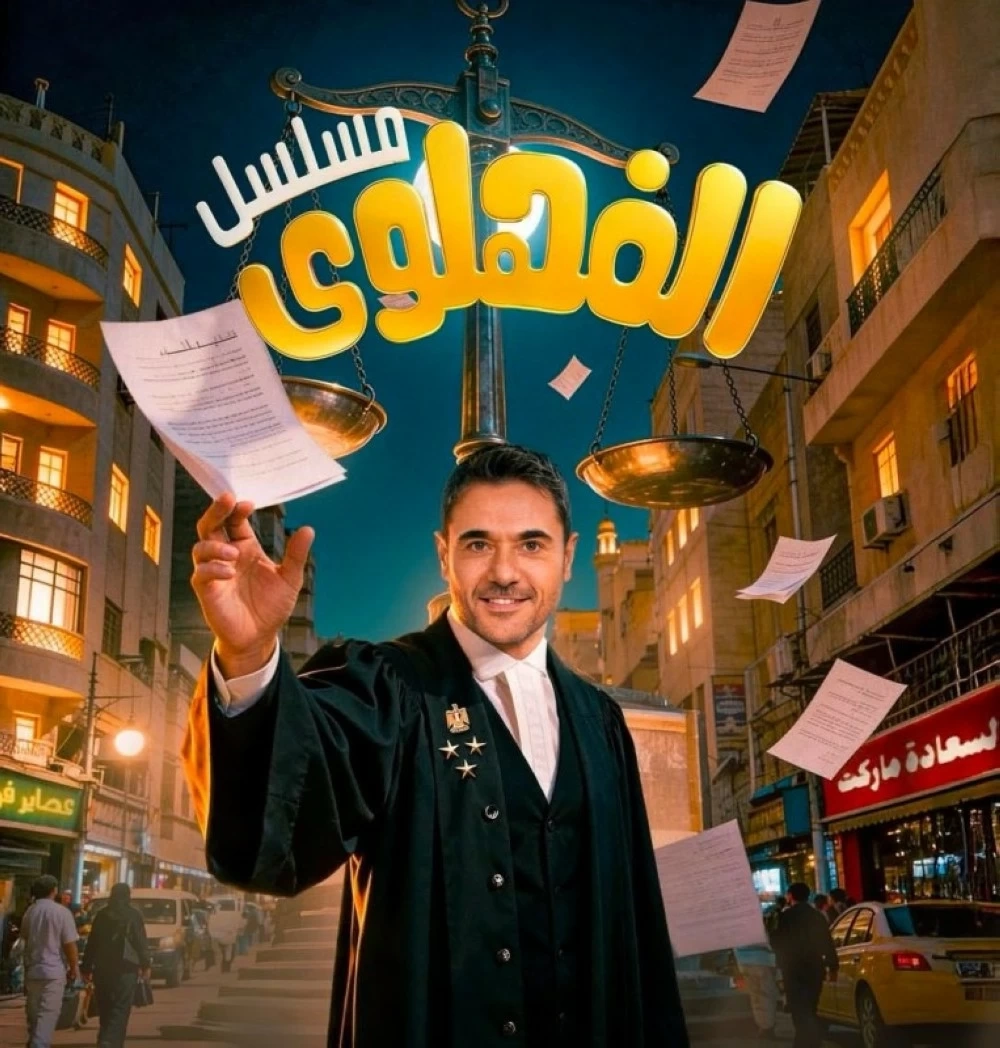
In a move reflecting his commitment to maintaining a constant presence with his audience across various artistic platforms, Egyptian star Ahmed Ezz officially joined the Ramadan television lineup this year, but this time on the airwaves with his new radio drama, "El Fahlawy." The series is scheduled to air on Nogoum FM, marking Ezz's strong return to radio drama after an absence of several years, choosing the magic of the microphone to connect with listeners during Ramadan's prime time slot.
A return to the traditions of radio drama during Ramadan
Radio drama in Egypt is a deeply rooted Ramadan tradition spanning decades, with Egyptian and Arab audiences alike eagerly listening to series before Iftar (the breaking of the fast). The selection of Ahmed Ezz to participate this season underscores the importance of this art form, which relies entirely on vocal performance and imagination—a field where talented actors shine, capable of portraying emotions without visual cues. Nogoum FM radio is considered one of the leading platforms preserving this artistic heritage by presenting productions featuring top stars annually.
Personal details of "Al-Fahlawi" and the official poster
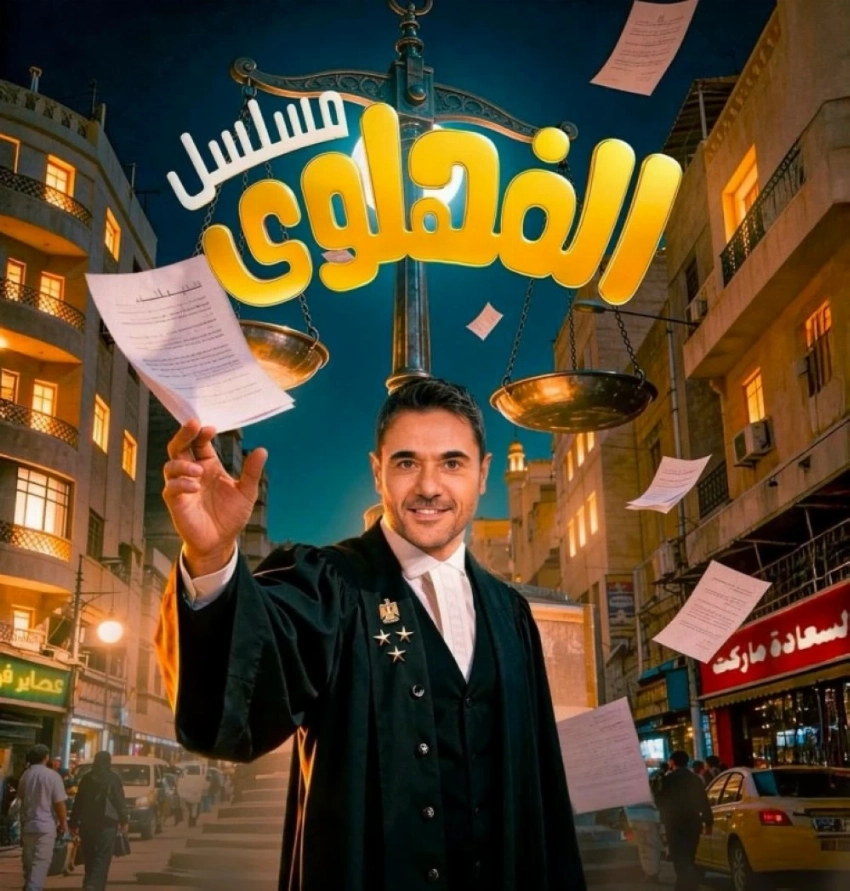
The official poster for the series sparked curiosity and anticipation among fans of star Ahmed Ezz, as he appeared prominently wearing a lawyer's formal robe (a black gown), clearly hinting at the nature of the character he will portray. "El Fahlawy" unfolds as a captivating drama that blends suspense and mystery, with Ezz playing a shrewd lawyer possessing exceptional crisis management skills. He becomes embroiled in a complex series of conflicts with influential figures, adding a layer of intrigue perfectly suited to the target audience during the holy month of Ramadan.
"Seven Dogs"... A qualitative leap towards global recognition
On another note, and away from the microphone, Ahmed Ezz continues to bolster his cinematic presence with a highly anticipated mega-project titled "Seven Dogs." The film, eagerly awaited by audiences, is written by Mohamed El-Dabaa and directed by the internationally acclaimed duo Adil El-Arbi and Bilall Fallah, who gained widespread recognition in Hollywood after their resounding success with "Bad Boys for Life.".
Global Arab Artistic Alliance
The film "Seven Dogs" holds special significance beyond being just a new cinematic work. It represents an artistic collaboration bringing together top stars from Egypt and the Arab world, as well as international stars. The film boasts an impressive cast, including Karim Abdel Aziz, Tara Emad, Hana El Zahed, and Sayed Ragab. The film's importance is further amplified by the participation of the renowned Saudi actor Nasser Al-Qasabi in one of the main roles, reflecting the significant development in Saudi-Egyptian artistic cooperation. The film also features the exceptional participation of the iconic international star, Monica Bellucci, placing it among productions aiming for international competition, not just local appeal.
-

 Local news one week ago
Landslide in Riyadh: Details of the incident in Al-Sahafa neighborhood and containment efforts
-
 Culture and Art, 1 week ago
Haifa Wehbe's absence in Riyadh: A photo crisis or a strained relationship with the media?
-
 Local news one week ago
Riyadh collapse: Emergency plans to secure water after a main pipeline burst
-
 Culture and Art, 1 week ago
City Kitchen series: A drama of conflict and the middle class during Ramadan
-

 Culture and Art, 1 week ago
The series "Kasra": Dawood Hussein in a moving social drama this Ramadan
-

 Local news one week ago
Applying for the 1447 Opportunities Program for Teachers via the Fares System
-

 Local News 7 days ago
Ramadan 2026 discounts in Saudi Arabia: Offers valid for 54 days
-
 Culture and Art 5 days ago
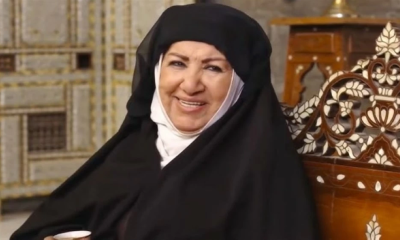
The death of artist Huda Shaarawi “Umm Zaki” and her funeral in Damascus