Culture and Art
Al-Namas celebrates World Storytelling Day with a special critical and narrative evening
The Embassy of the Literature Association in Al-Namas organized a celebratory evening for World Story Day, which combined Faisal Al-Shehri’s narration and Dr. Ali Abu Allama’s criticism amidst a remarkable cultural presence.

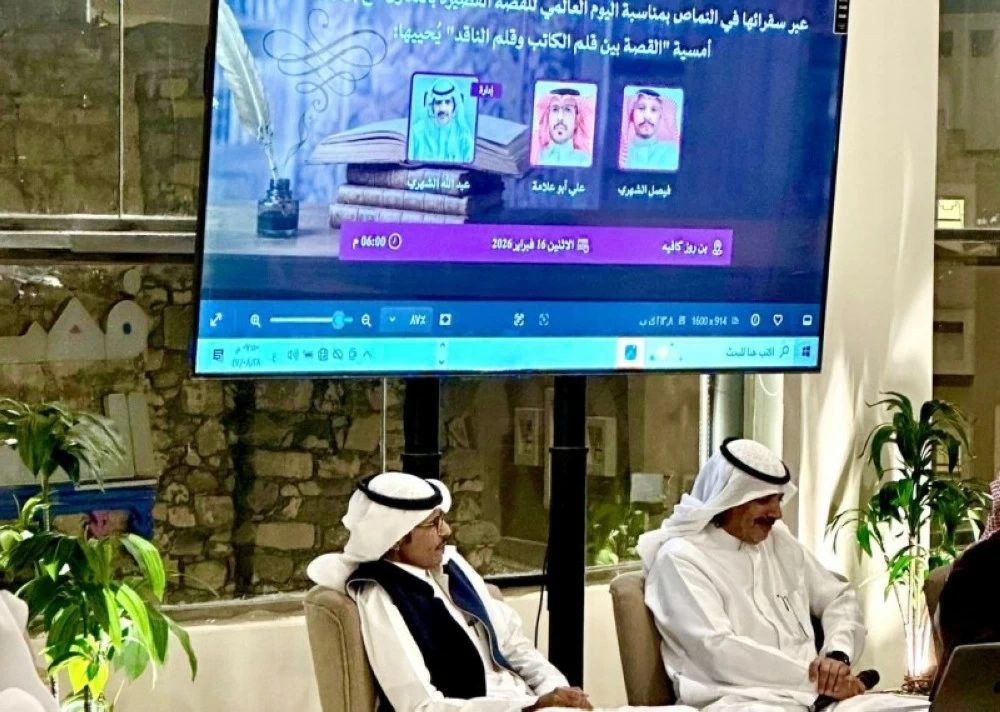
On an exceptional cultural evening shrouded in the mist of Al-Namas, the local branch of the Professional Literary Association organized a distinguished critical storytelling event titled "The Story Between the Writer's Pen and the Critic's Pen," in celebration of World Storytelling Day. Held in a local café, the event fostered a warm and intimate atmosphere, bringing together cultural figures and the general public, reflecting the vibrant cultural scene in the Kingdom.
This evening comes in the context of the growing interest in the art of the short story as one of the most important literary arts capable of condensing the human experience, as the celebration of World Story Day is an annual occasion that writers and intellectuals around the world are keen to revive in order to enhance the status of narrative in the collective memory, and to highlight the development of this art and its modern tools.
The evening, skillfully moderated by Professor Abdullah Fayez Al-Shehri, featured a rich and diverse range of presentations. Short story writer Faisal Hassan Al-Shehri opened the event with readings of selected stories from his literary works. He presented three of his most notable stories: "A Stray Cat," "The Cockroach," and "Living with a Monkey's Mood." The writer didn't limit himself to traditional reading; he employed modern techniques by presenting the texts both audibly and visually. This approach aimed to deepen the narrative experience and immerse the audience in the atmosphere of the text, reflecting the evolution of contemporary storytelling tools and their adaptation to technological advancements.
In the critical segment of the evening, critic Dr. Ali Abu Allama presented an in-depth deconstructive reading of the creative work of short story writer Faisal Al-Shehri, focusing particularly on his collection titled "Chaos of Attention." Abu Allama applied his critical eye to the texts, concentrating on deconstructing symbols and their semiotic meanings. He pointed to the symbolism of "feathers" in the texts as an indication of concealment and evasion, while he considered the use of "shoes" a symbolic reference to the power and oppression of reality. The critic praised the elements of strength and innovation that characterized the writer's language and artistic structure, emphasizing the importance of the synergy between creativity and criticism in elevating literary taste.
Organizing such events in public cafes reflects a positive shift in the Saudi cultural landscape, as culture moves beyond closed halls and integrates into people's daily lives, aligning with the goals of cultural authorities to enhance quality of life. This event also highlights the vital role played by literary branches and societies in provinces like Al-Namas in discovering talent and promoting cultural tourism.
At the conclusion of the storytelling evening, Mr. Dhafer Al-Jubairi, head of the Ambassadors Team in Al-Namas, expressed his delight at the success of the event, which achieved a delicate balance between creative storytelling and insightful critical discourse. Mr. Al-Jubairi honored the evening's distinguished participants (the writer, the critic, and the moderator), offering special praise for the community role of the host café, which contributed to supporting the cultural movement in Al-Namas. He emphasized that partnerships between the private sector and cultural institutions are a fundamental pillar for the sustainability of cultural activity.


Culture and Art
Sulaf Fawakherji responds to the hijab controversy and criticizes double standards
Sulaf Fawakherji clarifies the truth about her wearing the hijab in Iran, and criticizes the mockery of veiled women, stressing that freedom is indivisible and that respecting the cultures of peoples and the laws of countries is a duty.
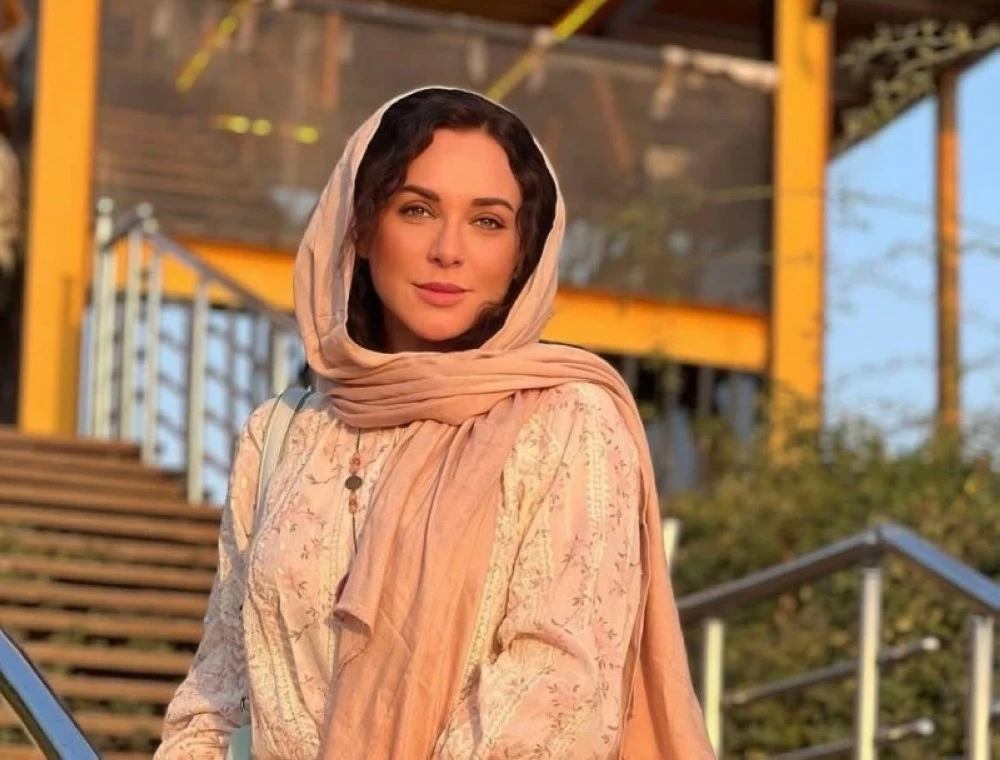
Syrian actress Sulaf Fawakherji reopened the debate on personal freedoms and respect for cultures in a detailed and decisive response to the controversy surrounding her appearance wearing a hijab at the Fajr International Film Festival in Tehran, Iran, during the screening of her film "Land of Angels." Fawakherji used this opportunity to clarify her deep-seated intellectual stance on the issue of the hijab, criticizing the double standards practiced by some under the banner of freedom.
A shocking situation reveals the contradiction
In a lengthy post on her official Facebook page, Fawakhri recounted an old incident that left a negative impression on her. She described how a director mocked the wife of a colleague simply for wearing a hijab, using offensive terms that implied "backwardness." The Syrian star expressed her profound shock at this blatant contradiction, questioning how someone who constantly advocates for personal freedom and openness could infringe upon others' right to choose their appearance and clothing. She pointed out that this behavior reflects a distorted understanding of the concept of freedom.
Context of participation in the Fajr Film Festival
Fawakhri's statement comes in the context of clarifying the circumstances surrounding her appearance wearing a headscarf in Iran, a requirement imposed by the laws and general protocols of the Islamic Republic of Iran on all women, including foreign guests, diplomats, and artists. The Fajr Film Festival is one of the oldest and most prestigious festivals in the Middle East and Asia, attracting delegations from around the world. Female artists from diverse cultures adhere to local dress codes as part of diplomatic protocol and respect for the laws of the host country, something Sulaf Fawakhri did consciously.
Freedom is indivisible and respect is a duty
In her remarks, Fawakhri emphasized the principle that "freedom is indivisible," stressing that defending freedoms must be comprehensive and inclusive, without exception. She clarified that differences in opinion or belief do not grant anyone the right to insult others or impose their intellectual guardianship upon them. In a notable statement regarding her relationship with the director, she affirmed that her appreciation for his artistic talent remained unaffected, but her respect for him as a person had significantly diminished. She explained her philosophy that "love may change, while respect is a more stable and enduring value," reflecting a mature understanding of the distinction between professionalism and human principles.
The veil: between religion, history, and anthropology
Fawakhri didn't stop at a personal response; she expanded on her cultural perspective on the hijab, noting that while she might disagree intellectually with its imposition, she sees it as an integral part of peoples' cultures and histories. She based her opinion on historical and anthropological facts indicating that head coverings existed in ancient civilizations predating monotheistic religions, initially linked to environmental factors, climate, and protection, before acquiring their diverse religious and social meanings over the ages. This approach reflects the artist's awareness of the importance of understanding social phenomena within their broader historical context, rather than confining them to a narrow perspective.
A message of respect for laws and customs
Sulaf Fawakherji concluded her explanation by emphasizing that her adherence to wearing the hijab while in Tehran stemmed from her respect for the laws and social customs of the host country. She stressed that this commitment is a personal choice born of strength and confidence, and does not diminish her freedom in any way. Rather, it reinforces her belief that genuine respect for others and their cultures does not conflict with personal freedom, but is its complementary counterpart, thus solidifying the role of the artist as an ambassador for their own culture and a respecter of other cultures.
Culture and Art
Filming has wrapped on the series "Darsh" starring Mustafa Shaaban, set to air in Ramadan 2026
Learn about the details of the completion of filming for the series "Darsh" starring Mustafa Shaaban before its broadcast in Ramadan 2026, the list of the cast, and behind-the-scenes details of the final moments.
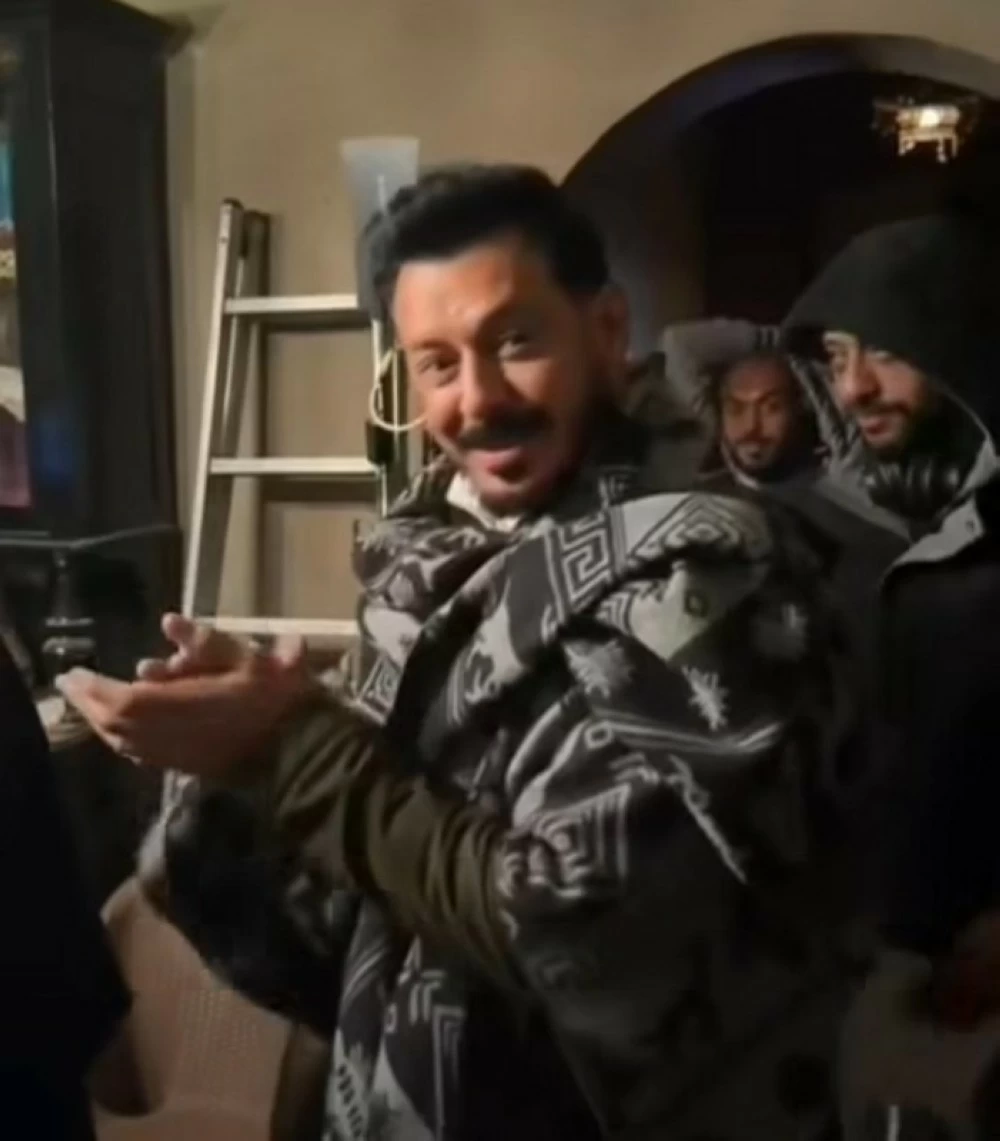
The curtain has finally fallen on the filming of the series “Darsh”, with which the Egyptian star Mustafa Shaaban is participating in the Ramadan race for the year 2026, as the creators of the work announced the final end of filming this Wednesday morning, just a few hours before the first broadcast of the episodes on screens within the fiercest drama marathon in the Arab world.
The final moments behind the scenes
The past few hours have witnessed a state of artistic mobilization within the filming location, as director Ahmed Khaled Moussa shared, through his official account on the “Instagram” platform, videos documenting the last moments and the end of filming, announcing the completion of the technical operations after a difficult period of preparations and continuous filming to ensure catching up with the Ramadan season.
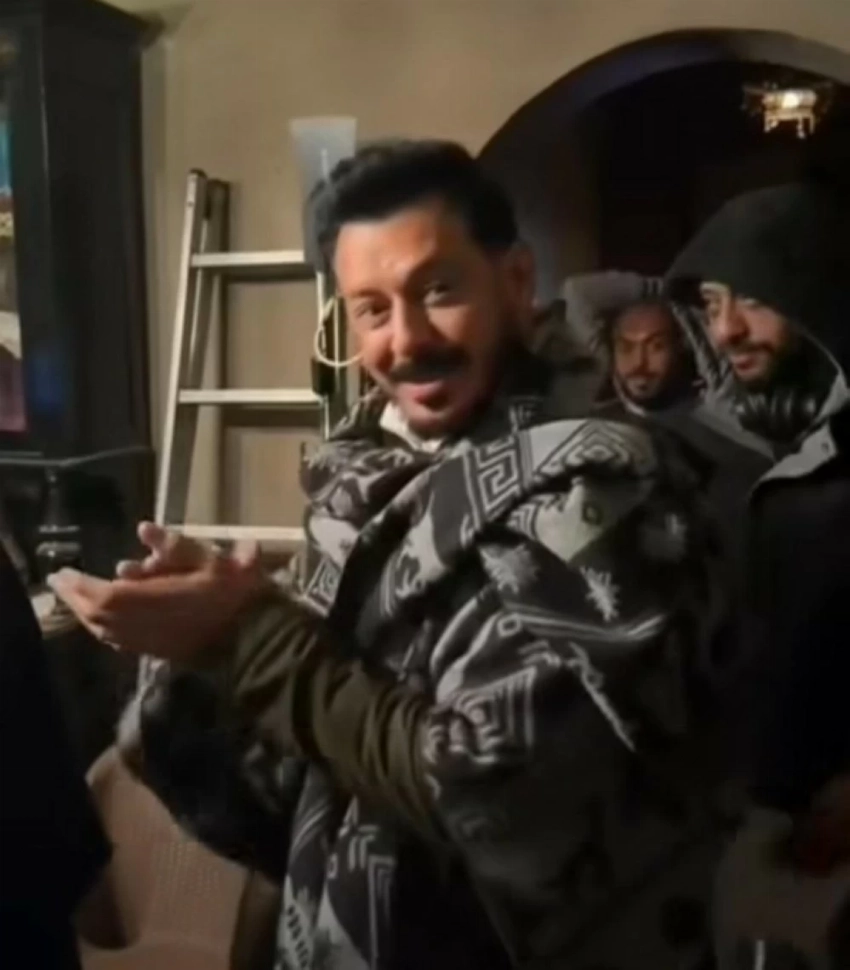
Thank you and gratitude messages
In a gesture of appreciation for their efforts, director Ahmed Khaled Amin addressed a heartfelt thank you message to the entire team, specifically mentioning star Mustafa Shaaban and producer Tamer Morsi, and praising the significant support provided by Amr Dariri throughout the various stages of production. The director emphasized that reaching the finish line came after long days of continuous work and intense pressure, expressing his hope that this effort would culminate in a popular success commensurate with the hard work invested when the series is broadcast to Arab audiences.
Mustafa Shaaban and popular drama
The series "Darsh" continues Mustafa Shaaban's tradition of presenting social dramas with a popular appeal, a genre he has excelled in over the past years, achieving great success and placing his works at the forefront of viewership ratings. In this work, Shaaban relies on a dramatic blend that combines suspense with human stories resonating with the Egyptian public, raising expectations for the series' success during Ramadan 2026, especially given his large fan base eagerly awaiting his annual appearance.
Successful duos and team
The series marks the return of several successful on-screen duos, with Mustafa Shaaban starring alongside Sohair El-Sayegh, with whom he formed a successful partnership in previous works. The cast also includes Mohamed Ali Rizk, veteran actress Aida Riyad, Lobna Wens, and Hanan Youssef. Written by Mahmoud Haggag and directed by Ahmed Khaled Amin, the series is expected to be a strong contender in this year's Ramadan television lineup.
Culture and Art
Mohamed Ramadan reveals behind-the-scenes details of his collaboration with Lara Trump in Miami
Learn about the behind-the-scenes details of Mohamed Ramadan and Lara Trump's new song, filmed in Miami, and the details of the blending of Egyptian and global identity in this unique artistic collaboration.

In a new artistic move that strengthens his presence on the international stage, Egyptian star Mohamed Ramadan revealed details and behind-the-scenes information about his highly anticipated musical collaboration with media personality and international star Lara Trump. Ramadan described this experience as a significant milestone in his career, expressing his immense happiness with this collaboration, which blends Eastern and Western cultures within an innovative musical framework.
Family atmosphere in Miami: Behind the scenes of the shoot
Speaking about the details of the project, Mohamed Ramadan explained in a television interview that the music video was filmed in an unconventional setting, with Lara Trump and her family hosting him at their home in Miami, Florida. Ramadan noted that the atmosphere was warm and familial, lending a spontaneous and genuine feel to the scenes, a departure from the artificiality of closed studios, something the audience will appreciate when the video is released.
Egyptian identity is strongly present
Despite the song's universal appeal and the romanticism inherent in its lyrics, "Number One" emphasized his strong desire to leave his own distinctly Egyptian mark. He explained that he insisted on incorporating touches of Egyptian dialect and Eastern spirit into the work, believing that global reach doesn't mean abandoning one's identity, but rather lies in the ability to export local culture abroad. This approach aligns with Ramadan's artistic vision, which relies on blending Western rhythms with Egyptian lyrics and spirit.
The context of cooperation and the importance of achieving global reach
This collaboration comes at a time when Mohamed Ramadan is seeking to expand his fan base beyond the Arab world, a strategy he has pursued in recent years through previous collaborations with international stars. Lara Trump's participation in this project is particularly significant given her media background and widespread fame, opening new horizons for Egyptian music in the American market. This type of artistic partnership serves as a cultural bridge connecting peoples, where language barriers dissolve before the universal language of music.
Pride in one's country is a fundamental pillar
In a related context, Mohamed Ramadan reiterated his deep pride in his homeland, Egypt, noting that his sense of Egyptian identity is the driving force behind all his artistic endeavors. He added that presenting works that represent Egypt honorably on the international stage is not merely a personal ambition, but a national responsibility and an integral part of his identity as an artist striving to elevate his country's name in global artistic forums.
Details of the artwork
Returning to the details of the song, the source indicated that Mohamed Ramadan had previously released the song "Sah Sah," and this collaboration with Lara Trump reinforces this trend of presenting a striking blend. The new song relies on a delicate balance between pride in Egyptian identity and direct flirtation within a romantic framework, promising the audience a unique audio-visual experience that combines modern musical arrangement with authentic lyrics.
-

 Culture and Art 7 days ago
The "Between and Between" exhibition in Jeddah: 5 artists reshape Saudi memory
-
Local News 5 days ago
Saudi Arabia's National Arabic Language Policy: 8 Principles to Promote Identity
-
Culture and Art, 1 week ago
Shakira's concert in Jeddah: Details of the international star's first concert in Saudi Arabia
-
Local News 4 days ago
Adopting the National Policy for the Arabic Language: Strengthening Identity and Vision 2030
-
Culture and Art, 1 week ago
The truth about Nancy Ajram's video and Epstein Island, and her legal response
-
Local News 5 days ago
The Riyadh-Rin-Bisha dual carriageway, spanning 559 km, has been completed
-
Local news one week ago
Launch of the new Dammam project with investments of 98 billion riyals
-
Culture and Art, 1 week ago
Ramez Level the Monster: Details of Ramez Galal's program in Ramadan 2026