
Culture and Art
The butterfly of the story... and the melodious songs of the Maryam plant
Whoever hasn't read the stories in "Mary's Plant" by the writer Nouf Al-Samarqandi has lost out, like someone who finds a treasure but doesn't take from it. If a passerby stops him, saying..

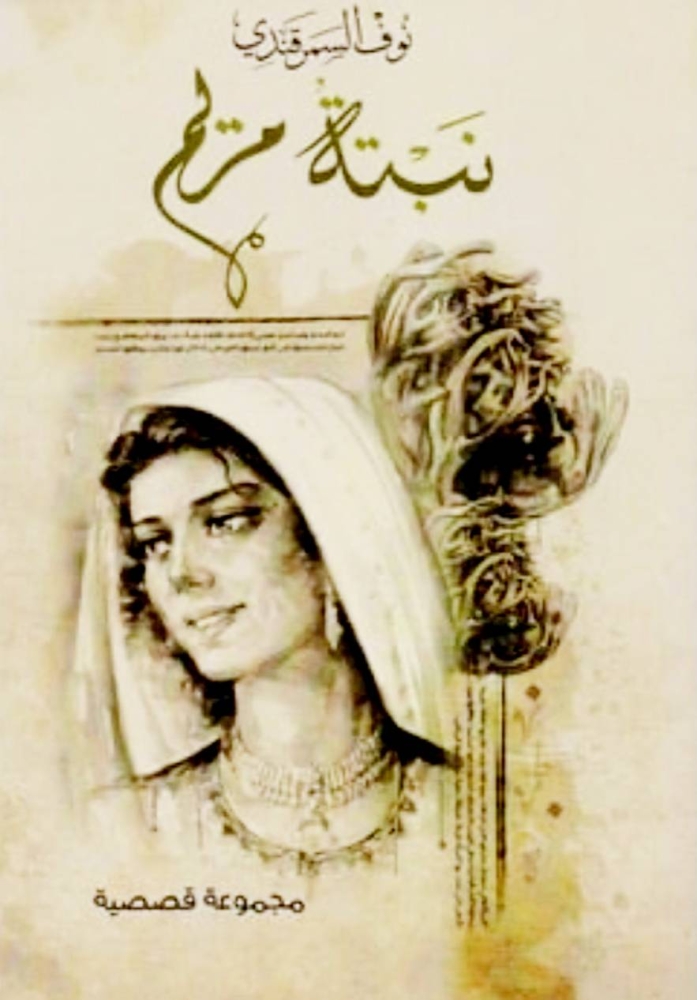
Whoever has not read the stories of (Mary's Plant) by the storyteller Nouf Al-Samarqandi has lost like someone who found a treasure but did not take any of it. If a passerby stopped him, saying to him: There was a treasure on your way, so where is your share of it?
Then he will bite his fingers in regret.
I found this regret within myself, and in order not to be alone with that state of regret, I distributed several copies to a group of friends, and set a date to discuss the stories, as we are a group of lovers of captivating texts.
During the discussion about the collection, words of admiration and praise were scattered, and our surprise was that the collection (Mary's Plant) was not widespread among those preoccupied with narratives.
Before this discussion, admiration, and surprise, we had regular sessions to determine a creative work that would be our main topic at the next meeting. One of the main members suggested reading a collection of short stories entitled (Mary's Plant) by a writer named Nouf Al-Samarqandi. His suggestion was more like flattery, endorsing the short story work by saying:
–
You will find stories
O you who are worthy of the concept of storytelling.
Ready to bet on the quality of the stories, we reluctantly accepted his suggestion, as we had three suggestions to read: Milan Condria's novel (The Joke), Isabel Allende's novel (The Fat Porcelain Lady), and Mahmoud Darwish's poetry collection (In Praise of the High Shadow). With the agreement to his suggestion, and so that no one would apologize for not having the collection, he promised to deliver the collection of stories to each one of us, in any way possible, whether by copies (he would buy them for us) or a PDF copy, and send it to each of our emails.
His insistence was coupled with that wager that we would find a wonderful work of fiction.
..
I returned to my library, remembering that I had acquired this collection from the Jeddah Book Fair but hadn't yet read it. To prove my memory was correct, I began rummaging through the bookcases in my library (the short story collections section). While examining them, I noticed our colleague's insistence on reading this collection. So, what did I find in it?
The stories, in order to insist with that gentle insistence, and because I trust his reading, and his inclination towards creative beauty, I excused his insistence, for we have become accustomed to exchanging the aesthetics of creativity that has not been revealed. There are dozens of short stories and novels that have been published and no attention has been paid to them, so they have been buried inside our offices until one of us reads a creative beauty and insists on exchanging it with us.
My desk is imposing, even though it occupies the middle wall of my office, where I like to spend long periods of time. My fingers fell on a book titled (Mary's Plant), its cover predominantly gray, adorned with a painting of a beautiful girl. The author's name and the book's classification (short story collection) were printed on it. Several lines from the collection's texts were taken and distributed across half of the cover, and on its right side... My mouth softened into a broad smile when I remembered my friend Shawq, who is fascinated by form. She is an obedient student of formalists, as her critical view begins from the very first pages of the book. She is keen to give the cover the highest priority of attention, to the point that once she read the novel (The Asylum) by Dr. Ghazi Al-Qusaibi, and the novel's cover was a picture of Dr. Ghazi wearing a blue suit, his mouth wide in a broad smile. That picture led her to a formalist critical reading of the novel, and I asked her: And you were one of those who laughed when you read it...
–
If the picture of Dr. Ghazi was wearing a thobe, ghutra and agal, would your criticism of the novel be more accurate?
She did not receive my question with open arms, but rather with a frown, and perhaps she cut off the word (stupid) before clarifying it with the explicit word.
I laughed now as I explained the cover of the novel (Mary's Plant).
Honestly, I found this wonderful collection capable of captivating you from the very first story, compelling you to continue reading. So what prompted me to write the introduction to the second edition of the collection "Mary's Plant"?
There are multiple reasons, perhaps the most important of which is the principle of spreading creative beauty, although I refuse to write introductions to books, as I believe that the introduction forcibly deprives the main author of his reader if the introduction begins to reveal the pleasures of the story by narrating details. The beauty of texts is based on the reader's pleasure, that pleasure that creates wonder, which the storyteller establishes without the reader's knowledge, to surprise him with the moment of confusion in his feelings, and leave him wondering: What did this storyteller do to take this gasp from me? And the storyteller Nouf Al-Samarqandi here takes the gasp from you in all the texts of the collection.. And I will promise the readers that I will not play the role of revealing what the storyteller does to weave a story in order to seep into your feelings until she plucks from you a gasp of admiration.
No matter how much the presenter claims to be preparing the reader, he will only be that pretender. A text that is unable to distinguish itself will not be distinguished by any introduction from any writer who begins the beginning of creativity with any introduction whatsoever.
I admit from the outset that the stories surpass any presentation, and therefore I ask the reader to overlook what I write here, and to pay attention to the beauty of the newly created stories in this collection.
The short story writer Nouf surprised me by creating fictional worlds unlike any I had previously encountered. Her narratives unfold in a labyrinth of twists and turns, each subverting the previous one, not to shatter it, but to establish a scene entirely different from what it began to build. The author did not follow the guidance of theorists of the short story, nor did she adhere to the dictates of those appointed to illuminate the paths of storytelling. She chose not to carry Maupassant's "Necklace," nor chase after Chekhov's "Bullet," nor slip from Gogol's "Overcoat."
To appear, having avoided the (splash) of Youssef Idris, and gotten rid of Borges' umbrella, she wanted to be herself without the narrative robes that haunt her with the accusation that you wanted a dress other than your own, she wanted to be herself, striving to have her own imprint.
She deliberately reduced the human narrative experience by perfecting its steps in every rough or smooth land, and because the artist does not need to shout when he opens the outlets of his narrative existence, I found that the storyteller Nouf Al-Samarqandi flows joyfully in harmonious turns without shouting, like a hippopotamus when it shines and turns to steal your eyes with the brilliance of its glow, so with every narrative gasp her lung expands to tire of the breezes of the human soul in the storytelling and narration in its lower and upper layers.
There are texts in which the writer deliberately reverses the text on itself, and this is a narrative behavior in which she excelled, so that the text turns into a successive dialectic (construction and negation, negation and construction) which is the dialectic of ideas in Hegel, and not the dialectic of matter in Marx…
This is how the story or its idea can work in a non-disruptive parallel (with and against), and the parallel is phased, as the events quickly become intertwined, forming a compound from which several elements are generated, each of which works to generate its events with a distinctive variety for each branch of those events, leading to the dialectic of the text with reality. This characteristic was formed in the stories: (Intentions that split the dry earth, Mary's plant, and Kohl), so the formation of the curves of the story did not lose the coherence of the event and its techniques, even if there is a reversal of the text on itself, not as disintegration, but rather as a dramatic escalation of the event and bringing it to a high climax, with care to unravel the conversations so that the moment of enlightenment has an illumination that leads to the creation of an accumulation of artistic wonder: (Do not forget the food of the pigeons, and small spites, a shelter in the heart of the water), even though wonder was established from the beginning in the texts of the collection.
The meaning of the text, according to the storyteller Nouf Al-Samarqandi, is distributed according to the reader’s taste. This happens without soliciting sympathy for the text or directly conveying the hidden meaning between the word and the waves of the story’s event, in linking the storyteller’s skill with the intelligence of the reader who appreciates what he reads.
This happens through the blending of reality with the idea of the story, so that the two elements move like oars working in harmony so that the event does not lag behind the idea.
In the dynamics of storytelling, the author maintains her right to steer the ship, even if it creates chaos. This is a deliberate chaos that does not take the reader off the ship, as the wide expanse of the river enables the author to open windows to enjoy that chaos.
This approach represents the chaos of life, where what happens are chaotic actions that are coordinated in a system that accepts chaos. Although that chaos and the imbalance of events with each other represent the rotation of events in every point on earth, events happen everywhere in the same form, with time and place being the only variables. The event that you read within the text in your hands has a similar occurrence in another place and at the same time. This does not mean dropping the temporality of the narrative, but rather confirming its blending with the reality of life, and the difference between the two realities
It is the spark of the reader's mind.
The story has gentle touches that attract from the first contact that occurs between the text and the reader’s eagerness to discover the nature of what he is reading, with an enticing beginning to ascend the degrees of the text until it reaches the wide corridors. The reader’s mind begins to wander among the curves of the storyteller, and if he relaxes, the storyteller is drawn to him, where she bends the narrative to spaces of escalating events unexpectedly, so you find in the reader’s imagination the insistence to differ from what he expected (a story if the picture could speak). Then, when the reader reaches the moments of enlightenment and reveals it, the storyteller stops at what satisfies him with additional eagerness, and this is a narrative intelligence in which the storyteller does not give up her narrative tricks coming in other texts of the short story collection.
Integrating dialogue into the narrative so that it becomes a narrative unit that can advance the text without any narration at all, or drying up the narration to assign the task to dialogue in establishing the pillar of the story. Then the dialogue becomes a narrative value (I adore Noon), even if the storyteller deceives the reader by finding a secret that resides in the dialogue, it is one of the narrative methods during the story.
When you delve into the psyches of (the story of Fanshesta), it confirms the absence of the self or its contamination by what it finds of false temptations. The texts of the collection go to the narrative self in most of the stories, starting with mobilizing the narrative scene with strangeness and stimulating the reader’s mentality (Shelter in the Heart of the Water), and (The Cemetery Hotel), and the experience of starting from the middle of the story, and from its end, and in this way it turns the story into a circular concept (Small Spiteful Things), and (Wounds are Retribution).
In the story “Mary’s Plant,” which the author chose as the title for her collection, she used a linguistic style and a gradual approach to storytelling without revealing the thoughts of the heroine or the supporting characters. Even the internal monologue kept concealing her thoughts until it reached its peak, so that the end would reveal everything that was in the corridors of the heroine’s psyche. This is a narrative style that intensifies the mystery to shine at the end of the story, although it is not a reprehensible mystery, but rather a beloved mystery that has keys to unraveling the symbols of the mystery that the story follows.
In some stories, the setting feels outside the city with its noise, branches, and discordant sounds, and leans towards the village or countryside, where the language is as clear as a note coming from a sweetly played stringed instrument.
In each story, you can arrive at several interpretations. For example, the story "N" immediately evokes the letter "N" in the reader's mind. Is it the Qurayshi deity, the letter "N" swallowed by the whale, or is it a reference to the author's name beginning with this letter? If your imagination continues, you will add "(and what they write)," which is a reference to all writers and chroniclers. Therefore, each narrative text has multiple impressions. The author may draw you into searching for the essence behind the words and letters, or she may intentionally rely on the reader's experiences, inviting them to contribute their own experiences to the story so that they become one with the written narrative. This is a narrative technique that involves the reader in adding their own creative touch, or perhaps it is simply one of the established narrative devices
Reading and writing are done in parallel.
Nouf, the storyteller, plays the game of hunting with the imagination of fantastical narration as a way to stimulate the reader's imagination.
–
She did not forget her grandmother's advice to her: When the sun rises, follow the seed of light to where it rises (Story: Intentions Split the Dry Earth). And because of the hunter's patience, she weaves with her linguistic patience the garment of the story between the sign of the rain falling and pouring down on the seeds of intentions. From there the narrative language spread out poetically, and events branched out that emerged from those planted intentions that turned into existence from the heroine's name when the voice of an old sheikh who was not present for her prostration rises up, throwing the name of Baraka upon her, meaning that all the scenes were generated from a being who has the blessing and the white intentions.
Nouf Al-Samarqandi's writing has traversed the authentic form of the short story. This is a collection that the reader can attest to upon finishing it. It is one of those short story collections that has been unjustly overlooked, as it was published during a period of rapid literary output, resulting in a deluge of stories that went unexamined by critics. But the critics' blindness, and the writer of such captivating narratives, will not despair. The narrative spirit is confident that the writer will achieve her artistic and creative goals and gain wider recognition. While this is a welcome sign for Nouf Al-Samarqandi and a sign of anticipation for her writing, our eagerness extends to her novel, "My Master Kamel," which is promised to be published soon.


Culture and Art
Rashed Al-Majed: A song by him, a concert at Riyadh Season, and sold-out tickets
Artist Rashed Al-Majed released his new song "Biz'amah" ahead of his highly anticipated concert at Riyadh Season, which sold out completely amidst record demand. Learn more about the song and the concert.
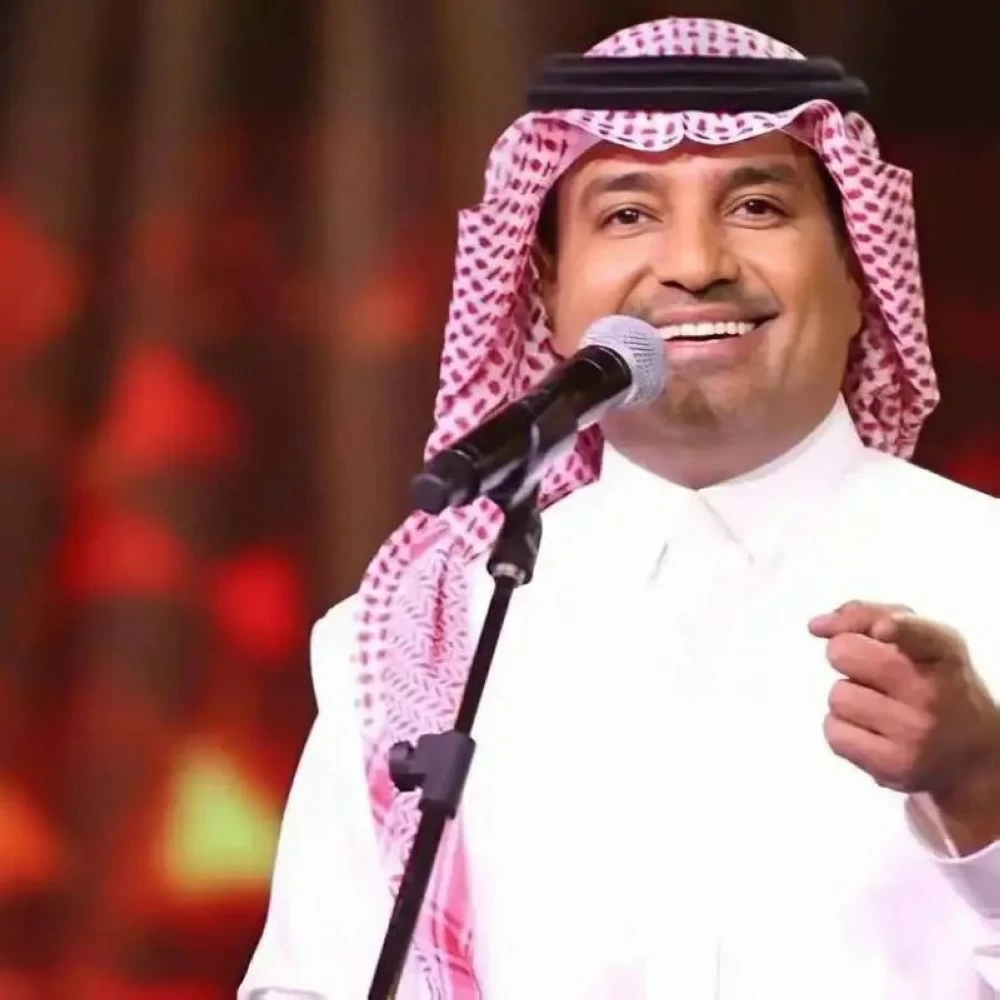
A strong comeback for the Sindbad of Gulf song
In a highly anticipated artistic move, renowned Saudi artist Rashed Al-Majed, nicknamed "The Sindbad of Gulf Song," released his latest single, "Biz'amah." This release marks a strong comeback for him on the music scene ahead of his highly anticipated concert as part of Riyadh Season. This event comes amidst the significant artistic and cultural movement currently underway in Saudi Arabia, where Rashed Al-Majed is a prominent figure with a distinguished career spanning over three decades. During this time, he has presented hundreds of works that have shaped the sensibilities of generations of listeners in the Gulf and the Arab world.
Details of the song "Bi-Za'ma" and a prominent artistic collaboration
The new song "Bi-Za'mahu" (By His Claim) is not just a fleeting artistic endeavor, but the fruit of a collaboration bringing together distinguished artistic figures. The lyrics were penned by His Excellency Turki Al-Sheikh, Chairman of the Board of Directors of the General Entertainment Authority, who boasts a distinguished poetic career. Al-Sheikh promoted the song through his official accounts, sharing a poignant excerpt from the lyrics that poignantly describe separation in a profound poetic style: "Love and paradise don't meet; there's a vast difference between us." The song was composed by Nawaf Abdullah, with musical arrangement by Cyrus, while Tamer Faydi's strings added a refined classical touch. Engineer Jassim Mohammed oversaw the mixing and mastering, completing a cohesive team that produced a high-caliber artistic work.
Tickets sold out and unprecedented public demand
The interest wasn't limited to the new song; it extended to the announced concert. As soon as tickets went on sale, the organizing company announced they sold out completely in record time, noting that demand exceeded one million requests—a record-breaking figure reflecting the artist's massive fan base and the public's eagerness to see him on stage after a long absence. This overwhelming response not only confirms Rashid Al-Majed's stardom but also demonstrates the success of Riyadh Season's strategy in attracting audiences and delivering world-class entertainment events that meet their expectations.
The event is part of the Riyadh Season cultural vision
The concert will take place on January 30th at the Mohammed Abdo Arena, one of the largest and most luxurious theaters in the region, as part of Riyadh Season, which has become a landmark event on the regional and international entertainment calendar. This concert is part of the Kingdom's Vision 2030, which aims to enhance the culture and entertainment sectors. Majed, accompanied by his orchestra under the direction of the renowned maestro Waleed Fayad, is expected to perform a diverse selection of his most beloved classic songs, as well as his new works, with promises of several surprises that will make this night an unforgettable event in the history of concerts in the region.
Culture and Art
Joud Al-Sufyani in her first Egyptian film, "Once Upon a Time," with Nour El Nabawy
Saudi artist Joud Al-Sufyani is embarking on her first experience in Egyptian cinema through the film "Once Upon a Time," in a move that reflects the growing Saudi artistic presence on the Arab scene.

A new step in a rising artistic career
Young Saudi artist Joud Al-Sufyani is preparing to embark on a new and important phase in her artistic career with her debut in Egyptian cinema, a medium long considered the gateway to stardom in the Arab world. This step comes with the highly anticipated film "Kan Yama Kan" (Once Upon a Time), which brings her together with a constellation of young stars, including Nour El Nabawy, Yasmina El Abd, and Marwan Moslemany, lending the experience a youthful and vibrant feel.
"Once upon a time"... a journey from the heart of Upper Egypt
Filming recently began in the historic city of Luxor in southern Egypt, lending the project a unique visual and cultural dimension. Scheduled for release in 2026, the film is expected to be a distinctive cinematic experience blending comedy and adventure. This marks not only Al-Sufyani's debut in Egyptian cinema but also her first foray into comedy, a new challenge added to her already diverse and complex dramatic roles.
Historical context: Egyptian cinema as an incubator for Arab talent
Joud Al-Sufyani's participation takes on particular significance when placed in its historical context. Egyptian cinema, known as the "Hollywood of the East," has for decades been the primary platform from which Arab artists have launched their careers toward regional fame. Egyptian screens have witnessed a remarkable presence of stars from various Arab countries, including Saudi Arabia. Al-Sufyani's move underscores the continuation of this artistic integration and simultaneously reflects the qualitative leap that Saudi art is experiencing, confidently exporting its talents to the largest art markets in the region.
A remarkable performance in Gulf drama
This opportunity didn't come out of nowhere; it's the culmination of a successful career achieved by Al-Sufyani in a short period. She shone in several dramas during Ramadan 2025, captivating audiences with her versatility in roles and characters. Her participation in Saudi, Gulf, and Jordanian dramas has broadened her experience. Her role in the series "Autumn of the Heart" is considered one of her highlights, where she starred alongside a group of prominent Saudi actors, and the series achieved great popular success. She also stood out in other works such as "Luna's Story" as Hana, "Born to Die" as Amal, and the series "Rare Cases," works that solidified her position as one of the most prominent rising talents on screen.
Importance and impact: Enhancing the Saudi artistic presence
Joud Al-Sufyani's participation in Egyptian cinema represents more than just a role in a film; it reflects the growing presence of Saudi artists on the regional stage and embodies the fruits of Vision 2030, which has placed great emphasis on supporting the culture and entertainment sector and empowering young talent. This experience is expected to pave the way for further artistic collaboration between Egypt and Saudi Arabia, enriching Arabic content, producing joint works that appeal to a wider audience, and strengthening cultural exchange between the two sister nations.
Culture and Art
Menna Fadali: The secret behind the abortion and the final break with her father
In a candid statement, actress Menna Fadali revealed that she had undergone an abortion in the past and announced that she had severed all ties with her father for personal reasons. Learn more.
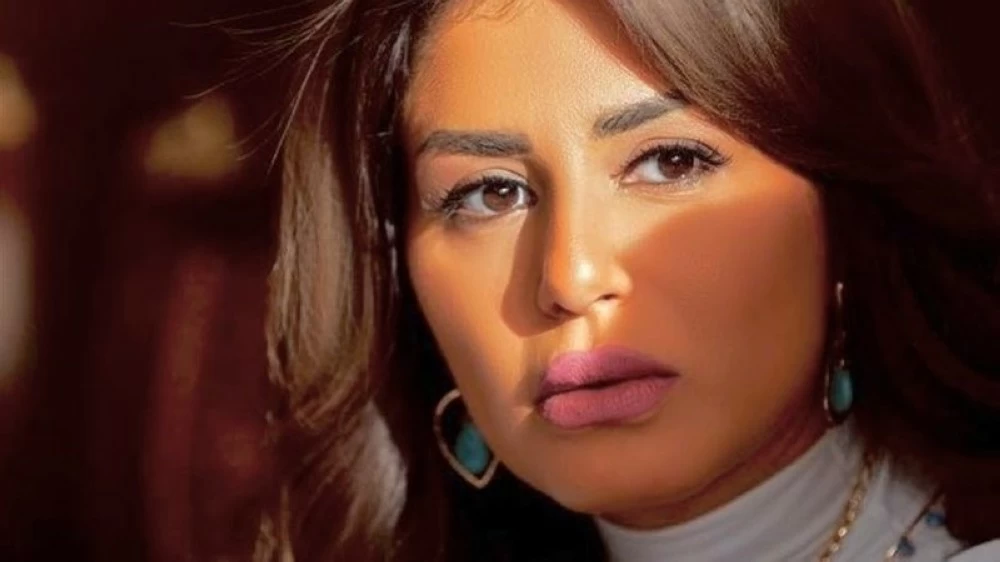
Egyptian actress Menna Fadali sparked widespread controversy after making bold statements revealing previously undisclosed aspects of her personal life during an appearance on the program "Mirror" with journalist Khaled Farag. Fadali discussed her past decision to undergo an abortion and announced that she had severed all ties with her father, leading to extensive discussions on social media platforms.
The decision to have an abortion and the regret that follows
Menna Fadali revealed that she had undergone an abortion earlier in her life. She explained that this difficult decision was not related to her ex-husband, but rather stemmed from her personal conviction that she was not ready to take on the responsibility of motherhood at that time. She justified her stance by saying, “Bringing a child into the world is a huge responsibility for which I wasn’t prepared, and I wasn’t psychologically or age-appropriately ready to shoulder the responsibility of motherhood at that stage.”.
Context and importance of the statement
Abortion is a sensitive and controversial issue in Arab societies, surrounded by complex religious and social considerations. Public figures rarely speak openly about such personal experiences. Therefore, Fadali's statement sparked public interest, reflecting courage in addressing a personal matter that could expose her to criticism, while simultaneously opening a discussion about the psychological and social pressures women face. Despite affirming that the decision was right at the time, Fadali admitted that she began to feel regret later in life. She attributed this to her maturation and changing outlook on life over the years, saying, "I can't say for sure what decision I would make if I could go back in time," thus illustrating the internal conflict she experienced.
Final break with the father
In another part of the interview, Fadali announced her firm decision to completely and permanently sever ties with her father. She explained that this decision stemmed from his complete absence from her life since her birth and his failure to fulfill any paternal role towards her throughout her life.
Background of the strained relationship
Fadali confirmed that she had given her father numerous opportunities to mend the relationship and start afresh, but all her attempts failed. She described her persistent feelings toward him as an “escape from responsibility,” noting a clear disparity in the way she was treated compared to her half-siblings. She said, “My father was never present in any significant event in my life, whether educational, health-related, or social, and I received no support from him.” In a culture that highly values family ties, Menna Fadali’s decision to sever her relationship with her father is a bold and unconventional step. This announcement sheds light on a reality experienced by some families, where the absence of a parent profoundly impacts the lives of their children. She emphasized that she would only fulfill her “social obligation” should anything happen to him, without any personal feelings, saying, “If something happens to him, I will do what is required of me, nothing more,” reflecting the depth of the rift in their relationship.
Menna Fadali's statements reveal a deep and candid human side of her personality, far removed from the spotlight and fame. By sharing these painful experiences, Fadali presents herself as someone unafraid to confront her past, which may inspire others going through similar circumstances and underscores that the lives of celebrities are not always as perfect as they seem.
-

 Local News 3 days ago
Landslide in Riyadh: Details of the incident in Al-Sahafa neighborhood and containment efforts
-
 Local News 4 days ago
The death penalty was carried out against a citizen who stabbed another to death in Tabuk
-

 Culture and Art, 1 week ago
Ramez Galal in Ramadan 2026: Details of the bloody prank show
-

 Local News 5 days ago
First birth on the Riyadh train: A heartwarming story at Andalus station
-

 Local News 3 days ago
Riyadh collapse: Emergency plans to secure water after a main pipeline burst
-
 Culture and Art 3 days ago
Haifa Wehbe's absence in Riyadh: A photo crisis or a strained relationship with the media?
-

 Culture and Art 3 days ago
City Kitchen series: A drama of conflict and the middle class during Ramadan
-

 Culture and Art 3 days ago
The series "Kasra": Dawood Hussein in a moving social drama this Ramadan