
Culture and Art
The death of artist Huda Shaarawi “Umm Zaki” and her funeral in Damascus
The Syrian Artists Syndicate mourned the passing of the esteemed actress Huda Shaarawi, famous for her role as "Umm Zaki" in Bab Al-Hara. Learn about her artistic career and the details of her death.

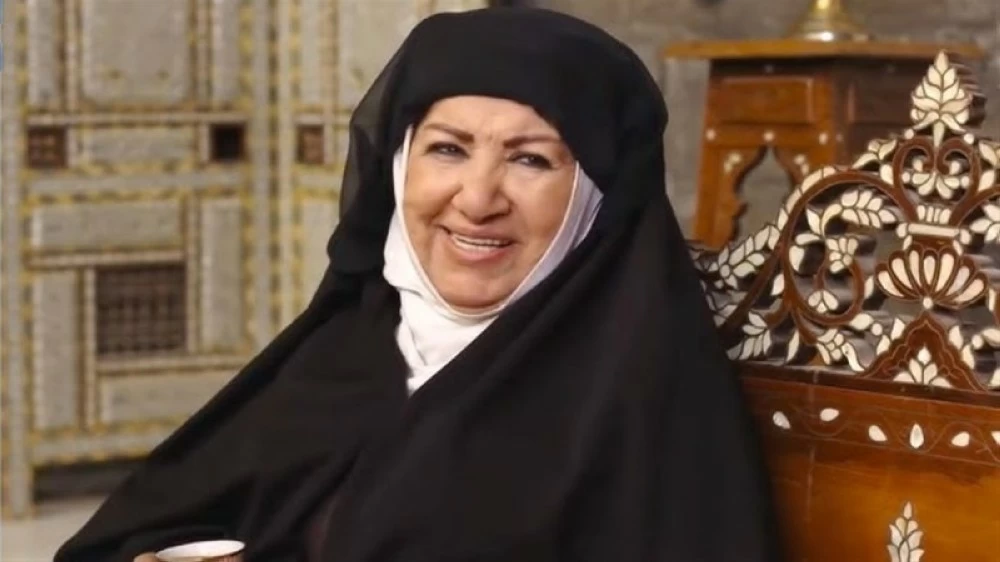
Funeral procession for the artist Huda Shaarawi in Damascus
The head of the Syrian Artists Syndicate, Mohsen Ghazi, announced the death of the esteemed Syrian actress Huda Shaarawi at the age of 85, after a long and distinguished career spanning decades, during which she left an indelible mark on the memory of the Arab public. He confirmed that the funeral procession for the late actress will depart after noon prayers from the Lala Pasha Mosque in Damascus, and she will be laid to rest in the family cemetery, thus concluding an important chapter in the history of Syrian art.
An artistic journey from radio to television
Huda Shaarawi was born in the historic Shaghour neighborhood of Damascus on October 28, 1938, and her passion for art began at a young age. Her true breakthrough came through the airwaves of Damascus Radio in the 1950s, where she participated in numerous radio programs that honed her talent and vocal expression. With the launch of Syrian Arab Television in 1960, Shaarawi was one of the founding names who transitioned to the small screen, becoming a familiar face to Syrian and Arab households. Her roles spanned both theater and television, and she performed in comedic and tragic works that demonstrated her exceptional artistic abilities.
“Umm Zaki”... the character who captured the hearts of millions
Despite her long and illustrious career, the character of "Umm Zaki" in the popular series "Bab Al-Hara" remains the iconic role synonymous with Huda Shaarawi. She portrayed the role of the "daya" (midwife) and traditional herbalist in the old Damascene quarter with unparalleled skill, transforming the character into a cultural symbol that transcended the series' boundaries. With her authentic Damascene accent, her folk wisdom, and her interventions in the affairs of the neighborhood's residents, "Umm Zaki" became an integral part of the collective memory of the Arab viewer. This role not only brought her widespread fame but also cemented her status as an artist capable of embodying the most subtle nuances of the traditional Damascene character.
Artistic legacy and lasting influence
Huda Shaarawi's career wasn't limited to "Bab Al-Hara"; it encompassed dozens of prominent television, theatrical, and cinematic works, including the series "Yawmiyat Mudir Aam" (General Manager's Diaries), "A'ilat Khams Nujoum" (Five-Star Family), and "Maraya" (Mirrors). Her death came as a shock to the artistic community in Syria and the Arab world, with her fellow artists and artistic institutions rushing to mourn her, praising her talent, character, and dedication to her work. Her passing is considered a great loss to Syrian drama, which has lost one of its cornerstones and a part of its living memory. Huda Shaarawi will remain in the hearts of her fans as a genuine artist who managed to enter every Arab home and leave an indelible mark.


Culture and Art
Huda Shaarawi: Farewell to “Umm Zaki,” the icon of Syrian drama
The tragic passing of Syrian actress Huda Shaarawi, "Umm Zaki" from Bab Al-Hara. We review her journey from a daring childhood to an indelible mark on the history of Arab art, and her tragic end.
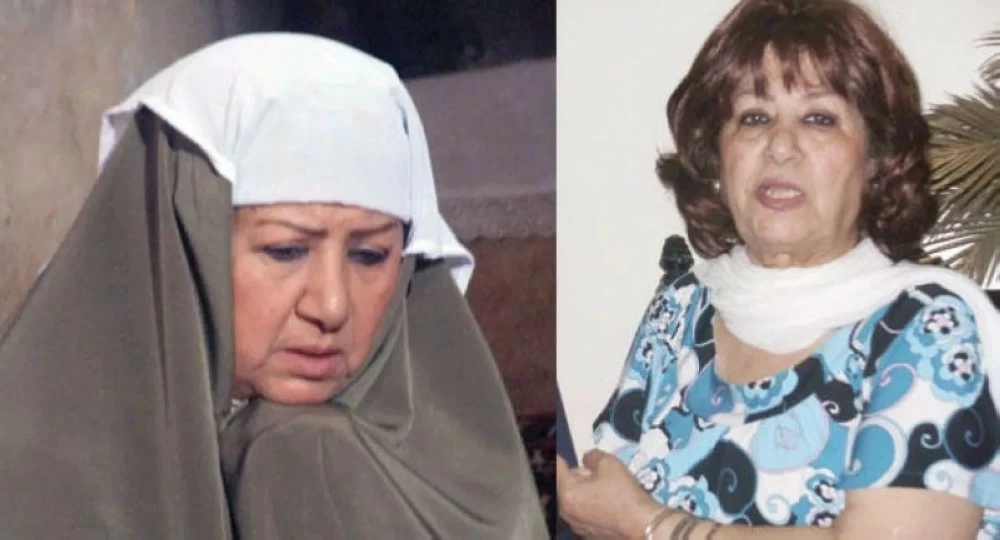
On a sorrowful Damascus morning, the curtain fell on the life of one of the most prominent icons of Syrian drama, actress Huda Shaarawi, who was found dead in her home, leaving behind a profound shock in the artistic community and across the Arab world. This tragic and solitary end stood in stark contrast to a career brimming with fame and success that spanned more than seven decades, during which she gifted art and audiences with unforgettable moments of life, laughter, and tears.
The passing of Huda Shaarawi was more than just the news of an artist's death; it marked the end of an era in the history of Syrian drama, a genre that shaped the consciousness of generations. Shaarawi grew up in a time when Syrian drama was building its glory, becoming a leading artistic force in the Arab world. She witnessed and participated in this golden age, as Syrian productions moved from local screens to every Arab home, carrying with them authentic stories and unforgettable faces, of which Huda Shaarawi was one of the most prominent. She lived through the transformation of art from black and white to the era of mass production, maintaining her presence as a constant artistic force representing authenticity and quality.
A rebellious childhood and a bold beginning
Huda Shaarawi was born in 1938 in the historic Shaghour neighborhood of Damascus, in a conservative environment that did not consider art a suitable profession for women. But her passion was stronger than any social convention. At the age of nine, she took her first step towards her dream by joining Damascus Radio, with a confident voice and rare determination. She faced strong family opposition that even amounted to a ban, but she did not give up. In an unprecedented move at the time, she submitted a formal request to appear on television, breaking down barriers and opening the doors to fame that remained open for 72 years of continuous contribution.
“Umm Zaki”: A character that transcended the screen
Although her artistic career includes more than 50 television works and significant theatrical and cinematic roles, such as her role as "Umm Taysir" in the popular comedy series "Five-Star Family," the character of "Umm Zaki" in the series "Bab Al-Hara" was the crowning achievement of her career. "Umm Zaki" was not merely the neighborhood midwife or the nosy woman; she became an Arab cultural icon. Huda Shaarawi was able to imbue the character with soul and authenticity, making her a mirror of the simple, strong, witty, and cherished Damascene woman, the keeper of her neighborhood's secrets. The character's influence transcended the borders of Syria, with the name "Umm Zaki" and her sayings becoming part of everyday speech in many Arab countries, demonstrating art's ability to cross borders and create universal symbols.
A lasting legacy and a painful end
The role of “Umm Zaki” was a testament to Huda Shaarawi’s ability to touch the hearts of the public. She transformed from a seasoned actress into a part of the collective Arab memory. For this reason, the news of her passing alone in her home was so painful and heartbreaking, a tragic end for an artist who lived her life among and for the people. Huda Shaarawi has departed physically, but she left behind a rich artistic legacy and the immortal character of “Umm Zaki,” which will remain alive in the memory of millions, a testament to a beautiful era of authentic art and to the story of an exceptional woman who defied the odds to create her own legend.
Culture and Art
Syrian artist Huda Shaarawi was killed in Damascus; investigations are underway
The Syrian Ministry of Interior announced the murder of renowned artist Huda Shaarawi at her home in Damascus. Details of the incident and the ongoing investigation into the crime, which has shocked the artistic community, are forthcoming.
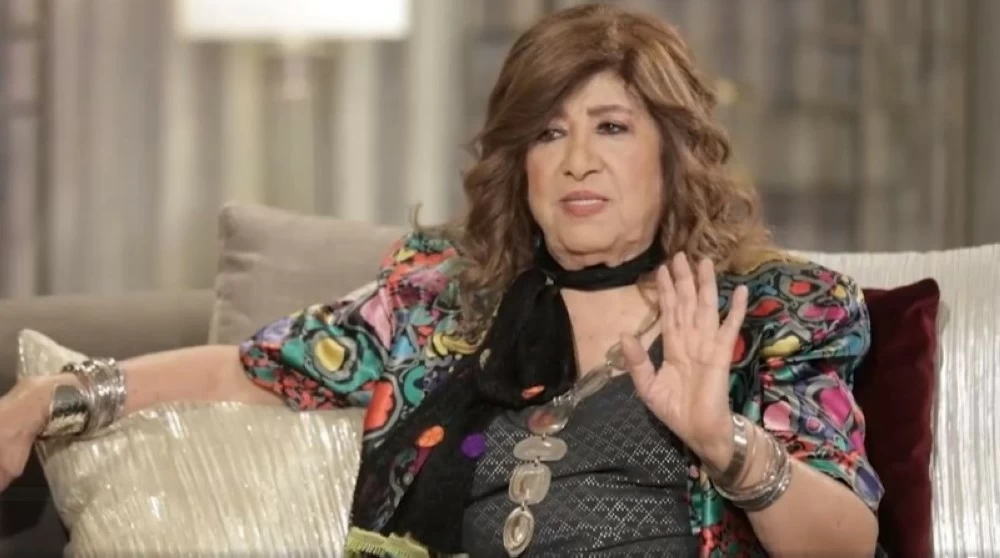
The Syrian Ministry of Interior announced the opening of a comprehensive investigation into the murder of renowned artist Huda Shaarawi, who was found dead in her home in the historic Bab Sreijeh neighborhood in the heart of Damascus. In an official statement, the Ministry confirmed that internal security units and criminal investigation teams immediately began the necessary procedures, cordoning off the crime scene and collecting forensic evidence to document all field findings. The aim is to uncover the circumstances surrounding this tragic crime, which has shocked the Syrian artistic community and society at large.
Background of the event and the importance of the late artist
The late Huda Shaarawi was one of the most prominent stars of Syrian drama, with a career spanning decades during which she delivered unforgettable performances. Her name and persona became synonymous with the Arab audience, particularly through her iconic role as "Umm Zaki" in the popular series "Bab Al-Hara," a character who embodied the quintessential Damascene woman with her wisdom and strength of character. Shaarawi began her artistic career in the 1960s, participating in dozens of television, radio, and theatrical productions, making her an integral part of Syrian and Arab artistic memory. Her tragic death is not only a loss to the arts but also raises deep concerns about the safety of public figures in the country.
Local and regional impact of crime
Locally, the incident sparked widespread shock, with social media flooded with expressions of grief and condemnation. Fellow artists and official artistic institutions mourned her passing, demanding the swift apprehension and prosecution of the perpetrators. This crime underscores the ongoing security challenges facing the Syrian capital, despite the relative stability achieved in recent years. Regionally, the Arab public reacted with sorrow to the news, given the high esteem in which Syrian drama and the late artist were held. The incident is seen as part of the tragedies that have befallen Syria, which have not spared its artistic and cultural icons.
Investigations continue and public anticipation
The Ministry of Interior clarified that the investigations are still in their initial stages, and that specialized teams are working around the clock to analyze evidence and question potential witnesses in order to determine the motives behind the crime and identify those involved. A sense of anticipation prevails among the Syrian public regarding the results of the investigations, with great hope that the authorities will be able to achieve justice for the family of the deceased artist and her fans, and put an end to such crimes targeting prominent figures in society.
Culture and Art
The murder of Huda Shaarawi, "Umm Zaki": Details of the crime and its impact
Full details have emerged regarding the murder of renowned Syrian actress Huda Shaarawi, known as "Umm Zaki," in her Damascus home. Initial investigations point to her maid as the prime suspect.
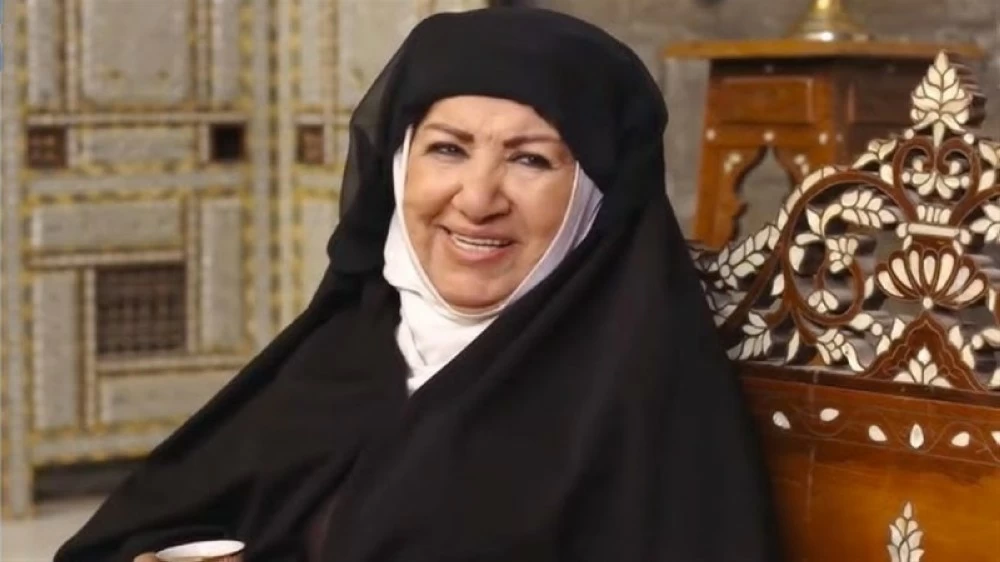
Shock in Damascus: Artist Huda Shaarawi found murdered
The Syrian and Arab public awoke to shocking news: the renowned actress Huda Shaarawi, famous for her role as the midwife "Umm Zaki" in the popular series "Bab Al-Hara," was found murdered in her Damascus home at the age of 87. The crime sparked a wave of grief and shock in artistic and public circles, especially as the deceased was considered an icon of Syrian drama who had been a part of generations of viewers' lives.
According to initial information revealed by the late artist's neighbors, suspicion has fallen on her Sudanese maid. One neighbor reported that the maid used a mortar and pestle as the murder weapon and then fled from a balcony, disappearing from sight. He explained that the artist's grandchildren visited her daily, suggesting that the crime occurred in the early hours of Thursday morning after they had left.
General context and historical background: Who is Huda Shaarawi?
Huda Shaarawi is considered one of the most prominent artists of Syria's golden generation, with a career spanning decades and dozens of works that have become etched in the memory of Arab viewers. Born in Damascus, she began her artistic journey at a young age, becoming an integral part of the Syrian drama renaissance. Despite her participation in numerous theatrical, radio, and television productions, her portrayal of "Umm Zaki" in the popular Syrian drama series "Bab Al-Hara" remains her most iconic role, making her a household name across the Arab world. She brilliantly embodied the role of the wise and strong traditional midwife who intervenes to resolve the problems of the neighborhood's residents, making her a beloved figure close to the hearts of millions.
The importance of the event and its expected impact
The murder of Huda Shaarawi transcended its status as a mere crime, becoming a public outcry that shook Syrian society. Locally, the crime raised questions about the safety and security of the elderly, especially public figures living alone. Regionally, the news ignited social media platforms, where thousands of users and Arab artists expressed their profound sorrow and shock, recalling her iconic roles and artistic stature. Her tragic passing represents a significant loss for Syrian and Arab drama, as the artistic scene has lost one of its pillars who contributed to shaping the consciousness of viewers for many years. The head of the Syrian Artists Syndicate, Mazen Al-Natour, confirmed the news, indicating that the forensic report determined the time of the crime to be between 5:00 and 6:00 AM, and that the investigation is ongoing to apprehend the suspect and bring her to justice.
-

 Local News 4 days ago
Landslide in Riyadh: Details of the incident in Al-Sahafa neighborhood and containment efforts
-
 Local News 5 days ago
The death penalty was carried out against a citizen who stabbed another to death in Tabuk
-
 Culture and Art, 1 week ago
Ramez Galal in Ramadan 2026: Details of the bloody prank show
-

 Local News 6 days ago
First birth on the Riyadh train: A heartwarming story at Andalus station
-
 Culture and Art 4 days ago
Haifa Wehbe's absence in Riyadh: A photo crisis or a strained relationship with the media?
-

 Local News 4 days ago
Riyadh collapse: Emergency plans to secure water after a main pipeline burst
-
 Culture and Art 4 days ago
City Kitchen series: A drama of conflict and the middle class during Ramadan
-

 Culture and Art 4 days ago
The series "Kasra": Dawood Hussein in a moving social drama this Ramadan