
Culture and Art
A review of Musa Al-Thunayan's collection "Dark Swabit": Magical Realism and Existential Crises
A critical reading of the short story collection "Dark Whirlpools" by Saudi writer Musa Al-Thunayan. An exploration of the existential crises of the characters and the use of heritage and magical realism in the narrative.

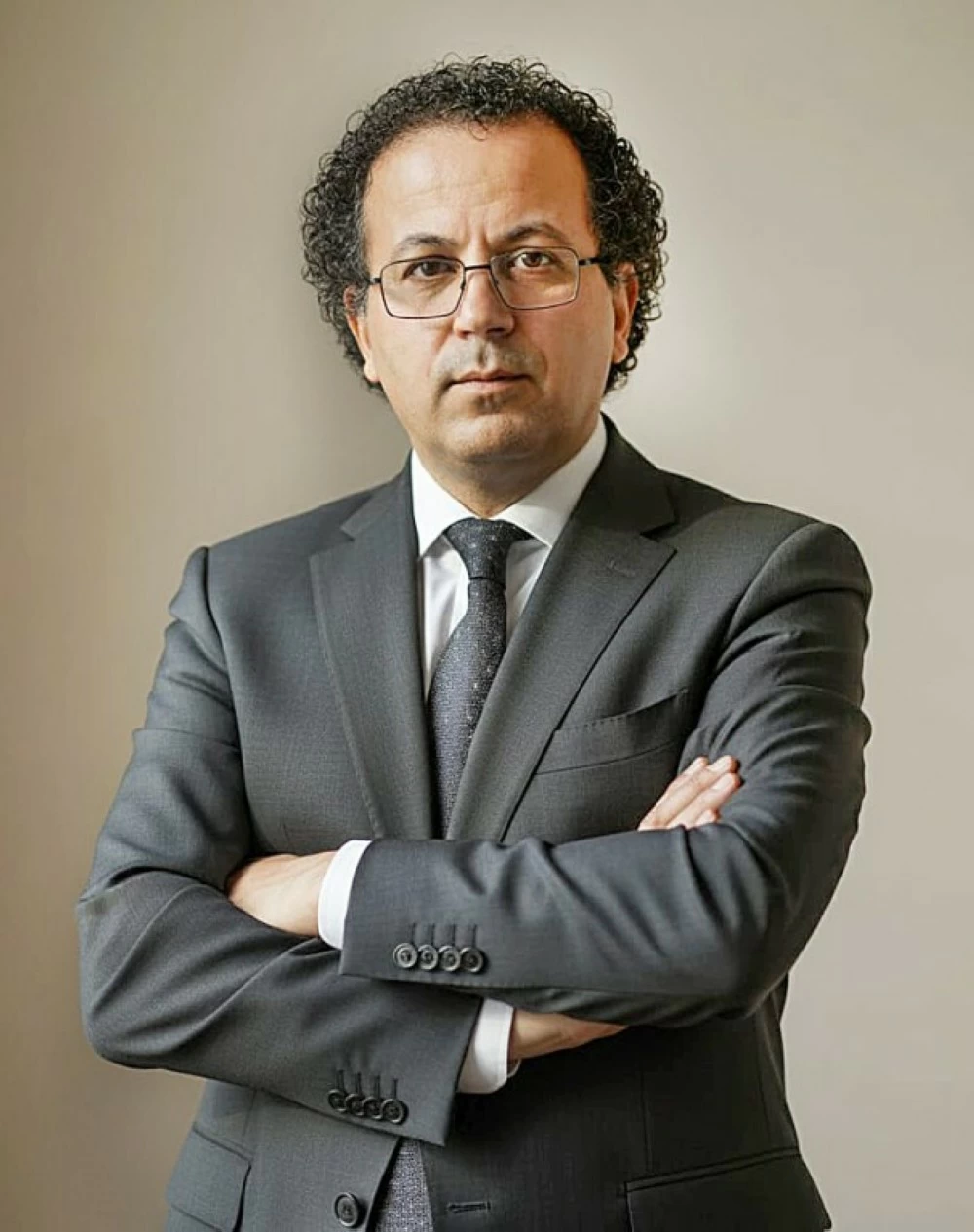
The short story collection "Dark Tent" by Saudi writer Musa Al-Thunayan, published by Dar Al-Intishar Al-Arabi in 2021, represents a significant addition to the Saudi narrative library, emerging within the context of a vibrant literary movement in the Kingdom's cultural landscape. The collection comprises 13 short stories that delve into the depths of the human psyche, addressing a fundamental issue: the characters' dissatisfaction with their reality and their constant feeling of being bound by invisible constraints that prevent them from liberation or change.
This collection gains its significance from not merely relying on traditional narrative, but rather offering a precise psychological dissection of the human condition of helplessness. The characters in "Dark Whirlpools" live in a bitter conflict between their hidden desires and the constraints of reality, whether these constraints originate from within them or are imposed upon them from the outside world. This conflict renders them incapable even of expressing their daydreams, leaving those desires imprisoned within, unable to transform into tangible action that would break the monotony of helplessness.
From a technical standpoint, Musa Al-Thunayan successfully expanded the narrative space of his stories through a remarkable diversity in character development. The writer did not limit himself to human characters, but also gave voice to other beings, assigning leading roles to animals, particularly birds, and even inanimate objects like the scarecrow and the clock bird, in addition to invoking the world of jinn. This diversity is not merely a flights of fancy, but rather a clever use of it to serve the central theme; all these beings share the predicament of existence and feel the weight of the constraints that limit their freedom, thus lending the collection a universal dimension that transcends individual concerns to encompass the broader existential anxieties.
The collection clearly exhibits elements of magical realism, with texts drawing on the worlds of folk tales and local heritage. The author uses villages as the setting for his events, inspired by the simplicity of life and the complexities of social relationships in traditional environments. This interplay between the real and the fantastical, the possible and the impossible, reflects the deep connection of modern Saudi literature to its heritage, while reinterpreting it in modern forms that appeal to contemporary readers and raise profound philosophical questions.
In conclusion, it can be said that "Dark Swabit" is not merely a collection of fleeting stories, but a literary document that chronicles the magnitude of shattered hopes and the formidable constraints faced by living beings. Despite the bleakness of the scene and the pervasive sense of helplessness, the writer leaves a small window of hope, embodied in the characters' awareness of their circumstances and their persistent attempts to seize stolen moments of joy. This underscores that the value of literature lies in its ability to expose reality and attempt to understand it, even if it cannot change it.


Culture and Art
Children's Haiku: A pioneering Saudi initiative to develop the imagination of young people
Learn about the Children’s Haiku Project launched by Dr. Ahmed Al-Qaisi to promote Arabic children’s literature through short texts that develop contemplation and aesthetic taste in young children.
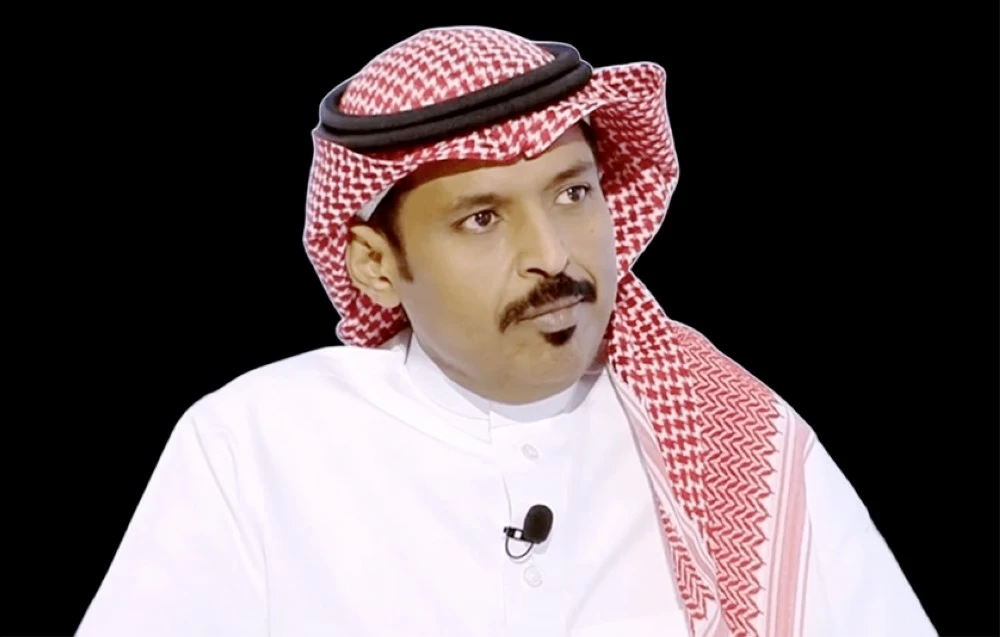
The children's literature scene in the Arab world is witnessing a qualitative shift aimed at transcending traditional narrative and instructional patterns, and seeking new creative forms that resonate with the consciousness of the contemporary child and stimulate their imagination. In this context, the art of haiku, specifically designed for young readers, stands out as a modern literary form in our region, which a select group of specialists are striving to employ as an educational and aesthetic tool. This art form, which relies on concision and capturing the moment, is an ideal entry point for developing a child's taste and enhancing their ability to reflect and discover the beauty inherent in the simple details of daily life.
Historically, haiku is known as an ancient Japanese poetic form that focuses on nature and direct sensory scenes. It has spread globally due to its remarkable ability to paint vivid pictures with words. Hence the importance of adapting this art form to Arabic children's literature. The first initiative of its kind in the Middle East was sparked by the individual efforts of Dr. Ahmed Al-Qaisi. The idea began with a series of tweets on the X platform, in which Al-Qaisi called upon cultural institutions and those interested in children's literature in Saudi Arabia to adopt this expressive form, which is lacking in Arabic literature. He also announced a specialized workshop that lasted several months to produce haiku texts specifically for children.
During four evenings as part of the "Literary Partner" events, Al-Qaisi reviewed the project's dimensions, highlighting the gap in Arabic children's literature regarding concise texts. He pointed out that most currently available texts tend toward length and extensive narration, while children—especially in the digital age—need short, concise texts that frame the simple scenes around them, whether from nature or everyday situations, thus stimulating reflection and questioning. He explained that the theme of "questioning" is a fundamental pillar of haiku, where the texts often evoke wonder and curiosity, contributing to the aesthetic and intellectual development of the child.
To ensure the quality and suitability of the output for the target audience, Al-Qaisi emphasized that the project's success depends on collaboration between haiku poets and experts in education and children's literature. To this end, he established a virtual workshop that included a select group of Saudi haiku writers: Mohammed Al-Fadhel, Abdullah Al-Anzi, Attaf Salem, Yousef Al-Anzi, Madawi Al-Qwaidhi, Sundus Al-Sharif, Nada Al-Omrani, Al-Anoud Yahya, and Afaf Ahmed. He also enlisted Dr. Wafaa Al-Sabil, an expert and researcher in children's literature, to oversee the educational and psychological aspects of the texts, ensuring that the language and vocabulary are appropriate for a child's vocabulary and understanding.
The initiative was widely welcomed by critics and academics. Dr. Zakia Al-Otaibi observed that haiku, with its elements of wonder and capturing the moment, perfectly aligns with a child's perception of the world, anticipating that this project will have a far-reaching impact on shaping the literary tastes of future generations. For her part, Dr. Wafaa Al-Sabil explained that the brevity of haiku texts and their focus on sensory imagery (such as the sound of rain or the colors of flowers) make them ideal for children's short attention spans, serving as linguistic works of art.
In a critical reading of the project's aesthetics, Dr. Hassan Al-Naami, head of the Literature Association, pointed out that haiku texts represent a "qualitative shift in the philosophy of reception" for children, liberating them from the constraints of excessive realism and opening the doors of imagination. Meanwhile, critic Dr. Saud Al-Saadi considered haiku a parallel path to painting, where children shape their world with language rather than colors, thus refining their sensibilities and reconnecting them with nature through contemplation.
In its final stages, the initiative aspires to publish a series of specialized books, starting with a book containing the workshop texts, designed according to the highest international standards for children’s books, to be the nucleus of an Arabic library rich in this art, and to open a new path for emerging readers that is characterized by universality and cultural particularity at the same time.
Culture and Art
Translation of Pablo Neruda's "The Art of Birds" into Arabic by Ghassan Al-Khunaizi
Ghassan Al-Khunaizi has published the Arabic translation of Pablo Neruda's "The Art of Birds" with Kalimat Publishing House. Discover the details of this literary work that blends nature and poetry.
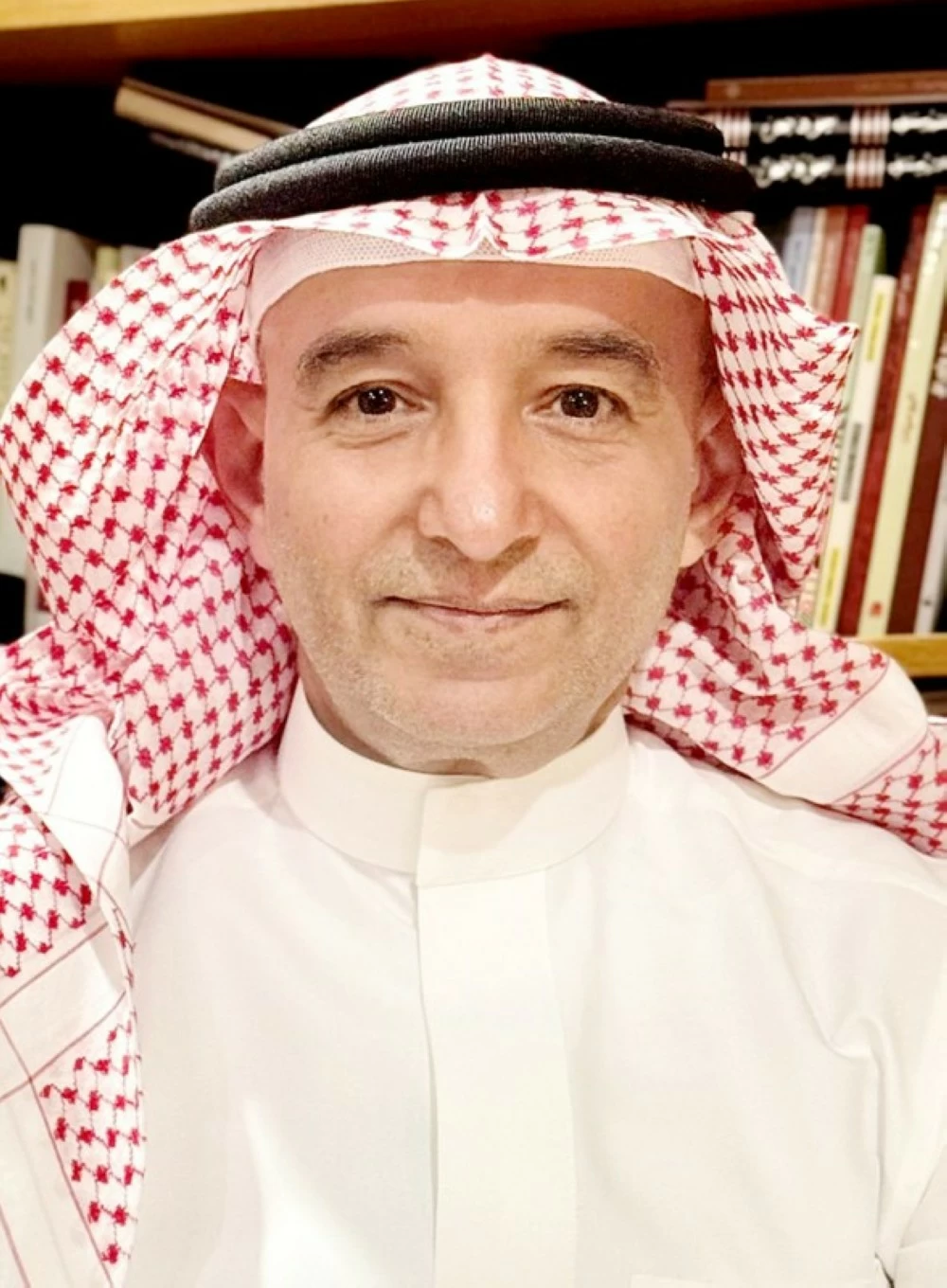
Saudi poet and translator Ghassan Al-Khunaizi has enriched the Arabic literary scene with a remarkable achievement: the publication of his translation of the Chilean poet Pablo Neruda's collection "The Art of Birds" (Arte de pájaros), by Kalimat Publishing House in Sharjah. This translation is a significant addition to the Arabic literature on Neruda, as this work is considered one of the most important artistic milestones in the career of the author of "I Bear Witness That I Have Lived.".
This edition is particularly significant given the global stature of Pablo Neruda, winner of the 1971 Nobel Prize in Literature, a unique poetic voice in Latin American literature. His collection "The Art of Birds," originally published in 1966, is not merely a collection of poems, but an aesthetic document that was first published in his native Chile, accompanied by illustrations by prominent artists, before becoming part of his complete works and being translated into many of the world's major languages.
Critically, this collection marks a significant stylistic turning point in Neruda's work. The direct political or emotional rhetoric that characterized some of his earlier works recedes, giving way to a more concise and attuned style that resonates deeply with the pulse of nature. In this work, Neruda does not treat birds as mere decorative subjects or rhetorical metaphors, but rather as living, linguistic, and sensory beings. This invites the reader to reconsider the complex relationship between humanity and nature, and between the concepts of language, movement, and time.
The collection comprises 53 poems, artfully divided into two main sections: the first is dedicated to real birds inspired by the rich Chilean environment, while the second veers into pure fantasy with imagined birds, crafted within a mysterious structure that makes the act of naming itself a truly poetic one. Interspersed throughout the collection are three longer poems that lend it structural cohesion, blending precise description with philosophical reflection.
The importance of this translation lies in the context of Arab-Latin American cultural exchange, as it offers the Arab reader an opportunity to explore the environmental and cosmic dimensions of Neruda's poetry. Al-Khunaizi ensured accuracy, relying on an intermediary English text while rigorously consulting the original Spanish. This effort was supervised by Dr. Khadija Qaddum, Professor of Romance Languages and Latin American Literature, who facilitated the editing process to guarantee the accuracy of the meaning and to respect environmental and cultural nuances, particularly regarding local names and the symbolic connotations of birds from Chile and Patagonia.
Neruda opens the collection with a majestic collective scene in which the migration of birds appears as a rigorous cosmic movement, driven by an instinct that knows no hesitation, as shown in the following excerpt:
A flock of birds,
facing
a line of latitude, made of iron and ice,
advances relentlessly
in its straight course:
a hungry straightness
like an arrow aimed,
for celestial multitudes making their way
to procreate, molded
by love and conquering geometry…
Neruda also creates imaginary birds fashioned from both feathers and language, such as the "hieroglyphic bird" which he describes as follows:
Its feathers intertwined, one beside the other,
it spreads its wings in the fields of work.
The bird of the labyrinth, the bird of land and sea,
and of riddles…
Culture and Art
Ahmed Al-Haqeel: The Reality of the Saudi Novel and the Short Story Crisis
An interview with writer Ahmed Al-Haqeel about his narrative experience, the reality of the Saudi novel, the marginalization of the short story, and the challenges of the publishing and literature industry in the Kingdom.

The cultural scene in Saudi Arabia has witnessed rapid growth and qualitative development in recent years, with the emergence of narrative voices that have documented societal transformations and offered a critical re-examination of reality. Among these voices stands out the writer Ahmed Al-Haqeel, who, through his literary output, has carved out a distinctive niche for himself thanks to his language, which blends philosophical depth with narrative simplicity, relying on deconstructing and reconstructing reality with a highly creative sensibility.
Identity and Roots: The Peasant's Son and the Magic of Memory
In a candid dialogue exploring the complexities of writing and the concerns of the intellectual, Al-Haqil redefines himself, setting aside official titles and remaining true to his roots as a "farmer's son" from the Sudair region. He sees writing not merely as a hobby, but as an "ingrained habit" and a tool for rediscovering the senses and resisting the relentless march of time. For him, writing is the mechanism that transforms daily chaos into order, restoring to the writer the wonder of childhood in perceiving ordinary details, from the movement of people to the sound of the tide, as if seeing them for the first time.
The Geography of Narrative: Place as a True Hero
Al-Haqil's narrative project is characterized by a powerful presence of place, a presence that doesn't arise from a vacuum, but rather from a firm conviction that literature must be a product of its environment. Despite being influenced in his early works by international writers like Samuel Beckett, who wrote outside of time and place, Al-Haqil returned to emphasize that true writing must spring from "the neighborhood and the community." The writer believes that realistic literature cannot exist without a tangible geography, citing the reader's ability to trace the locations of Al-Mutanabbi or the roads of America in Jack Kerouac's literature, thus lending the text credibility and timelessness.
The crisis of the short story and the reality of the Saudi novel
In discussing literary genres, Al-Haqil argues that the short story suffers from "critical and popular injustice" compared to the novel. He attributes this to the fact that the novel gives an impression of "completeness" and appeals to critics with its thematic unity, while short story collections appear as a mosaic requiring greater effort to understand.
As for his diagnosis of the current state of the Saudi novel, Al-Haqil offers a profound critical perspective that goes beyond the surface. He believes the novelistic movement is active but suffers from individualism and the absence of integrated institutional work. He clearly points out that the Saudi writer often works in a vacuum, lacking the comprehensive publishing industry system found in the West (literary agents, professional marketing, and up-to-date critical studies). He contrasts this with the success of popular poetry in the Gulf, which possesses historically and commercially established contexts, making it the most stable creative product.
Future challenges: between criticism and social media
Al-Haqil concludes his analysis by discussing the complex relationship between writer and critic, emphasizing the independence of each and rejecting the notion that a creative writer should write to satisfy a particular critical taste or to be universally understood. He cites examples of international and Arab literary works that have remained difficult to grasp directly yet have retained their artistic value. He also addresses the impact of social media, warning against its transformation from a medium for publication into an end in itself, imposing its own frameworks on content. This, he argues, could trivialize the creative experience if not approached with a holistic and conscious mindset.
-

 Local news one week ago
Launch of the city's shuttle bus service in Ramadan 1447 AH: Routes and stations
-
Culture and Art, 1 week ago
The series "Rouh OFF" was permanently canceled by a decision of the Actors' Syndicate
-
Culture and Art, 1 week ago
Yasser Galal and Radwa El Sherbiny: Details of a new artistic project that brings them together
-
Local news one week ago
The Ministry of Education revokes the licenses of 74 private schools due to safety and quality violations
-
Local news one week ago
Saudi Arabia weather: Rain in Riyadh, the Eastern Province, and Qassim, and dense fog
-
Local news one week ago
Mohammed Al-Rasasmeh appointed as official spokesperson for the Ministry of Municipalities and Housing
-
Culture and Art, 1 week ago
Poster for the series "Two Others": Asser Yassin and Dina El Sherbiny in Ramadan
-
Politics, one week ago
German Chancellor Friedrich Merz departs Riyadh after an official visit


