
Culture and Art
Adoption of the National Policy for the Arabic Language in Saudi Arabia: Objectives and Implications
Learn about the details of the National Arabic Language Policy adopted by the Saudi Cabinet, and its role in strengthening national identity and the Kingdom’s position as a global reference for the Arabic language.

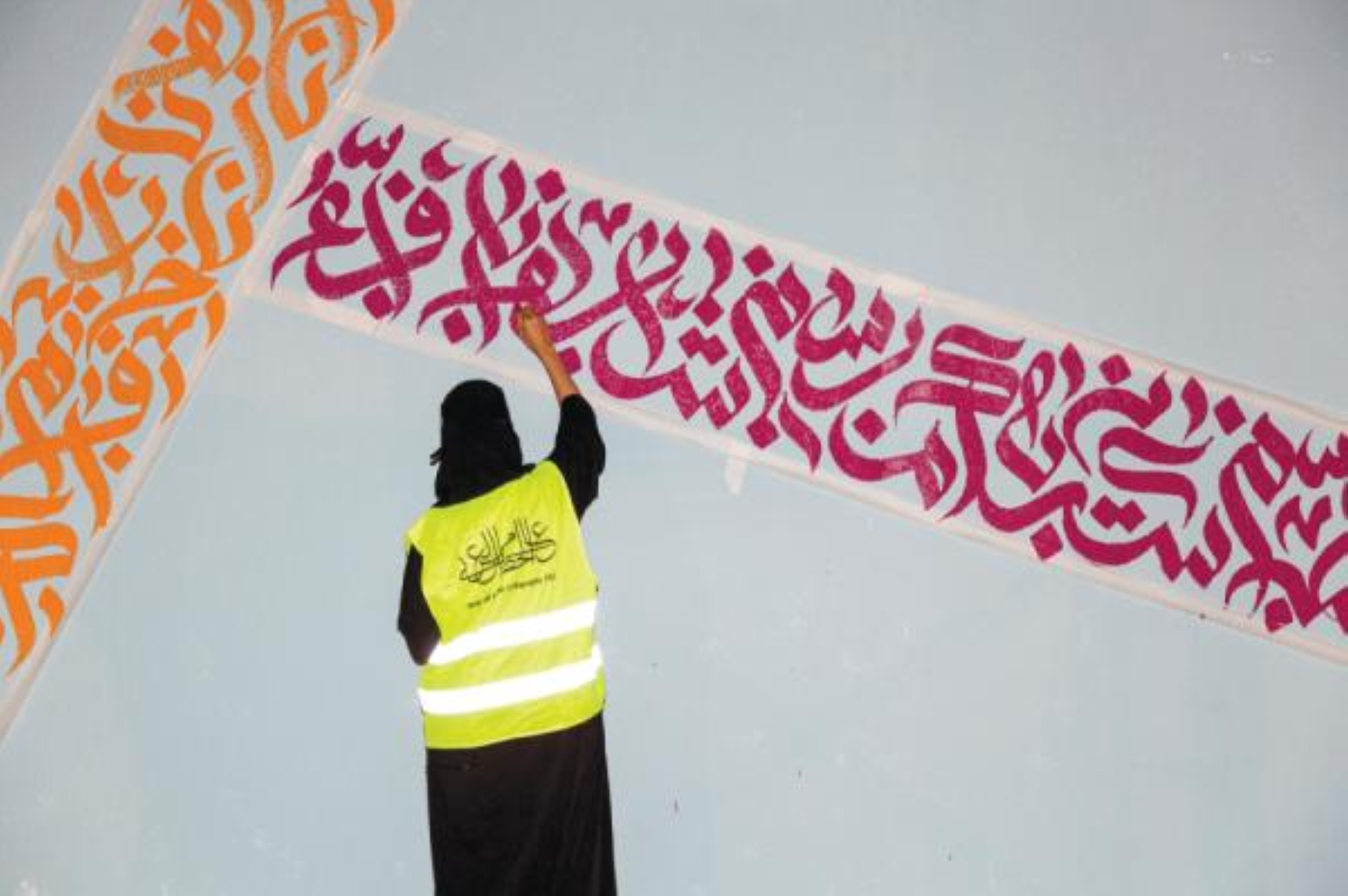
In a historic step reflecting the deep connection between the Kingdom of Saudi Arabia and its cultural identity, the Cabinet approved the “National Policy for the Arabic Language,” a decision that confirms the undeniable fact that the Kingdom is the original home of the Arabic language, the cradle of its culture, and the starting point of its eternal message.
Historical roots: The Kingdom is the cradle of the Arabic language
This decision cannot be separated from the historical and geographical context of the Kingdom; it was in this land that the Arabic language originated, and from here it spread to become a global language. Historically, the Arabian Peninsula was the stage for important literary markets such as the Souk Okaz, which served as a platform for linguistic and poetic competition among Arab tribes, contributing to the refinement and standardization of the language before Islam.
The Arabic language gained its sanctity and enduring significance with the revelation of the Holy Quran in clear Arabic in Mecca, transforming it from a tribal language into a language of civilization and religion. It spread with the Islamic conquests, becoming the language of science and knowledge for centuries. Today, the Kingdom is reviving this great legacy, not only as history, but as a lived reality and an ambitious future.
Pillars of the National Policy for the Arabic Language
The newly adopted national policy is based on an integrated system of principles aimed at empowering the Arabic language in all aspects of life, going beyond being merely an official language to become an engine for development. Among the most prominent features of this policy are:
- Education and Scientific Research: Enhancing the status of Arabic as a language of education and innovation, and encouraging universities and research centers to publish scientific research in Arabic, which contributes to the localization of knowledge.
- Public Scene and Business: Obliging governmental, private, and non-profit entities to use Arabic in their dealings, to ensure its visual and audible presence in the public space.
- Media and Technology: Supporting Arabic digital content and enriching media content with programs that enhance the integrity and aesthetics of the language.
- Cultural diplomacy: Activating the presence of Arabic in international forums and UN organizations as part of the Kingdom’s soft power.
Strategic importance and its alignment with Vision 2030
Adopting this policy carries profound strategic implications, aligning with the Kingdom's Vision 2030, which explicitly emphasizes pride in national identity and cultural heritage. Domestically, the decision strengthens national cohesion and protects future generations from the erosion of their identity in the face of globalization.
At the regional and international levels, this policy reinforces Saudi Arabia's leading role as a global authority on the Arabic language, particularly given the tireless efforts spearheaded by the King Salman Global Academy for the Arabic Language. This approach is expected to contribute to increased international interest in learning Arabic, boost cultural tourism, and open new avenues for investment in the creative and linguistic industries.
Statement by the Minister of Culture: A firm leadership commitment
Commenting on this event, His Highness Prince Badr bin Abdullah bin Farhan, Minister of Culture and Chairman of the Board of Trustees of the King Salman Global Academy for the Arabic Language, affirmed that the Cabinet’s approval reflects the unlimited support of the wise leadership for serving the language of the Qur’an.
His Highness pointed out that the Academy worked on formulating this policy to be a comprehensive regulatory framework that ensures coordination between all sectors, with the aim of consolidating the Kingdom’s position as a destination for the Arabic language, and increasing the attractiveness of the Saudi cultural environment for those wishing to explore the treasures of this ancient language.



Culture and Art
Boussy Shalaby and Nelly Karim in the series "Ala Ad El Hob" (As Much as Love) Ramadan 2026
Boussy Shalaby joins the cast of the series "Ala Ad El Hob" (As Much as Love) alongside Nelly Karim and Sherif Salama. Learn about her role and behind-the-scenes details of filming at the Prince Taz Palace in preparation for Ramadan 2026.
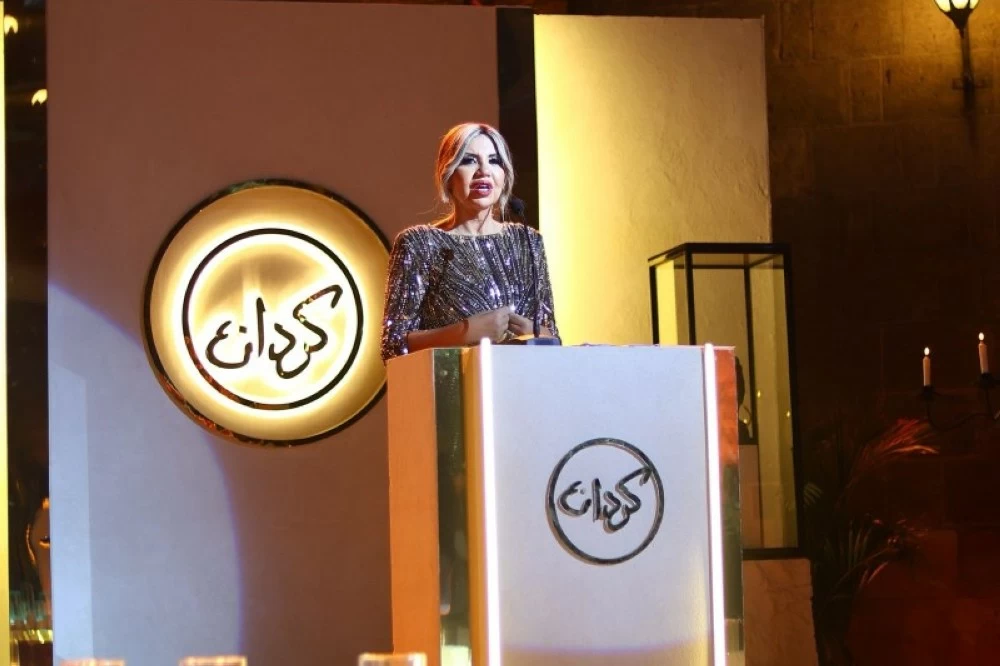
In a new move that reinforces the exciting overlap between the world of media and television drama, it was officially announced that the famous Egyptian media personality Boussy Shalaby the cast of the series “Ala Ad El Hob” (As Much as Love), which is scheduled to be shown during the Ramadan marathon of 2026. This work brings together a selection of top stars, most notably the star Nelly Karim and the artist Sherif Salama, making it one of the most anticipated works of the next season.
Details of Boussy Shalaby's participation and the anticipated role
Boussy Shalaby's participation in the series is not merely as a guest star, but as a pivotal figure in the plot, portraying a character closely resembling her own personality. According to initial leaks from behind the scenes, Shalaby will appear in scenes covering a major event: the launch of a jewelry brand owned by the character "Maryam," played by Nelly Karim. This dramatic use of Shalaby's persona lends significant realism to the scenes, given her extensive experience covering festivals, artistic events, and fashion shows.
Behind the scenes of filming at Prince Taz Palace
Boussy Shalaby recently wrapped up filming her scenes, which took two full days, at the historic Prince Taz Palace in Cairo. The atmosphere on set was electric with enthusiasm and artistic collaboration, as she was joined in the scenes by Sherif Salama, Mahmoud El-Leithy, Maha Nassar, and Safaa El-Toukhy. The choice of Prince Taz Palace as the filming location reflects the creators' commitment to showcasing the palace's architectural and historical beauty, adding a rich visual dimension to the drama.
Nelly Karim and Sherif Salama: A promising duo
The series "Ala Ad El Hob" (As Much as Love) is set to reshape the Ramadan 2026 television landscape, with audiences eagerly anticipating the on-screen chemistry between Nelly Karim and Sherif Salama. Nelly Karim is known for her exceptional ability to seamlessly transition between tragedy and social drama, boasting a rich history of successful works that have explored women's and societal issues with depth. Meanwhile, Sherif Salama is enjoying a surge in his career following his recent successes, making their collaboration in this project, written by Mustafa Gamal Hashem and directed by Khaled Saeed, a highly anticipated event for both critics and viewers.
List of creators and participating stars
The series, produced by Sally Wali, consists of 30 episodes and will air on several Egyptian and Arab channels. It features a large cast of stars to ensure a diverse range of storylines, including:
- Ahmed Saeed Abdel Ghani
- Ahmed Majed
- Maha Nassar
- Mahmoud El Leithy
- Muhammad Abu Dawood
- Mohamed Ali Rizk
- Safaa Al-Toukhy
- Randa Ibrahim
This work is an important addition to the Ramadan 2026 season, as it combines social suspense, stories of rise, and intertwined human relationships, with a realistic touch brought about by the participation of public figures such as Boussy Shalaby.
Culture and Art
Karim Kassem in the Ramadan 2026 series "Immunity": Details of the character Mounem
Learn about Karim Qassem's role in the Ramadan 2026 series "Manaa". He plays the rebellious character of Mun'im, the brother of Hend Sabri, in a drama directed by Hussein Al-Manbawi.
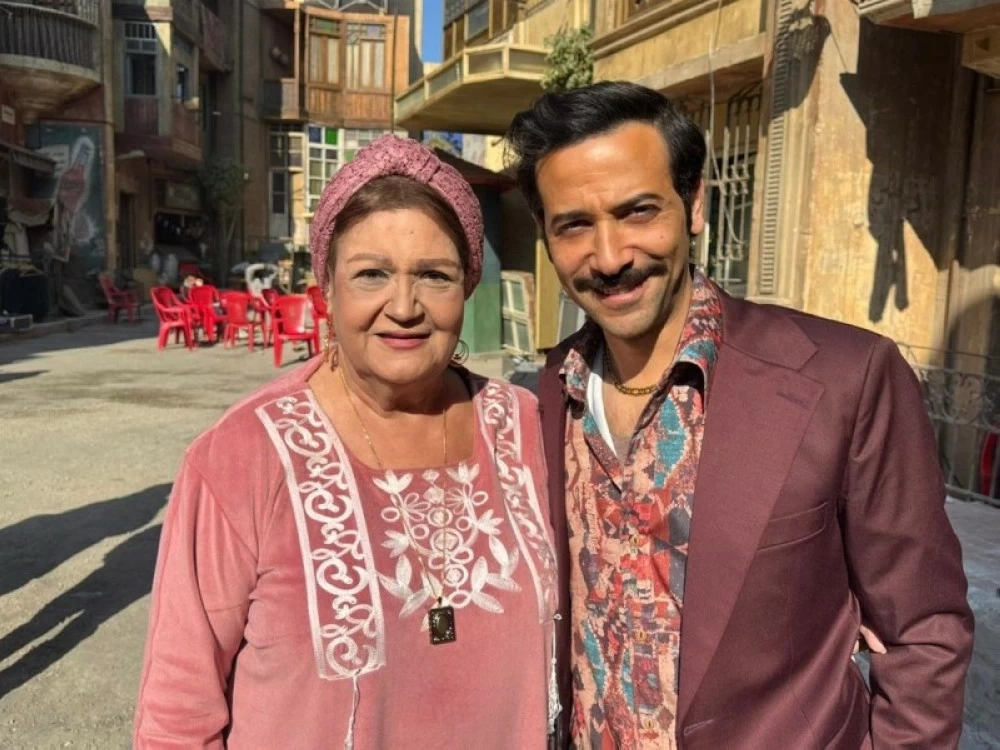
Young Egyptian actor Karim Kassem to enter the Ramadan drama competition in 2026 with his prominent role in the series "Mana'a" (Immunity). This project marks a new milestone in Kassem's career, as he takes on the unconventional character of "Moneim," a departure from the quiet or romantic roles audiences have come to expect from him in some of his previous work. This reflects his artistic maturity and his desire for continuous innovation.
Personal details of "Moneim": Rebellion and psychological complexes
Karim Kassem plays the role of "Moneim" in the series, the brother of the character portrayed by Tunisian star Hend Sabri . This character is extremely complex; he appears as a rebellious man whose behavior is often characterized by recklessness and impulsiveness. These actions not only reflect negatively on him but also affect those around him, particularly his sister, creating deep dramatic and psychological conflicts within the narrative structure of the work. Kassem explained that this role presents significant human and psychological challenges, requiring an exploration of the character's motivations to understand the reasons for his rebellion.
Formal and behavioral transformations to serve the role
In preparing for the role, Karim Kassem made significant changes to his appearance and body language to align with the rebellious nature of "Moneim." This commitment stems from an artistic school of thought Kassem believes in, one that emphasizes complete immersion in the role, a principle clearly evident in his previous work, which spans both independent and commercial cinema. The actor affirmed his consistent dedication to choosing roles that demand flexibility and adaptability, thus avoiding artistic stereotypes.
A strong team that enhances expectations
The series "Immunity" boasts a stellar cast, raising expectations for both critical and popular success. Based on a story by artist Abbas Abu El Hassan, with a screenplay and dialogue by the distinguished writer Amr El Daly, the series is directed by the creative Hussein El Manbawy , known for his stunning visuals and skillful direction of actors. Alongside Hend Sabry and Karim Kassem, the cast includes a constellation of stars such as Khaled Selim, Ahmed Khaled Saleh, the veteran Mimi Gamal, Huda El Etreby, and Maha Nassar. This artistic ensemble suggests a compelling social drama that could be the dark horse of the Ramadan 2026 season.
Parallel cinematic activity: Hepta 2
On the cinematic front, Karim Kassem is experiencing a period of artistic activity, having recently starred in the film "Hepta 2: The Final Debate." This film follows the resounding success of the first installment, adapted from the novel by Mohamed Sadek. The film boasts a large cast of A-list stars, including Menna Shalaby, Karim Fahmy, Mohamed Mamdouh, and Salma Abu Deif, and is directed by Hadi El Bagoury. This versatility in both television drama and film underscores Karim Kassem's commitment to maintaining a strong and influential presence in the Arab art scene.
Culture and Art
Liqaa El-Khamissi clarifies her stance on the hijab and retiring from art
Liqaa El-Khamissi reveals her opinion on the hijab and its relation to retiring from art, stressing that it is a behavior and not just an appearance, and she talks about the rules of acting and Hanan Turk’s experience in new statements.
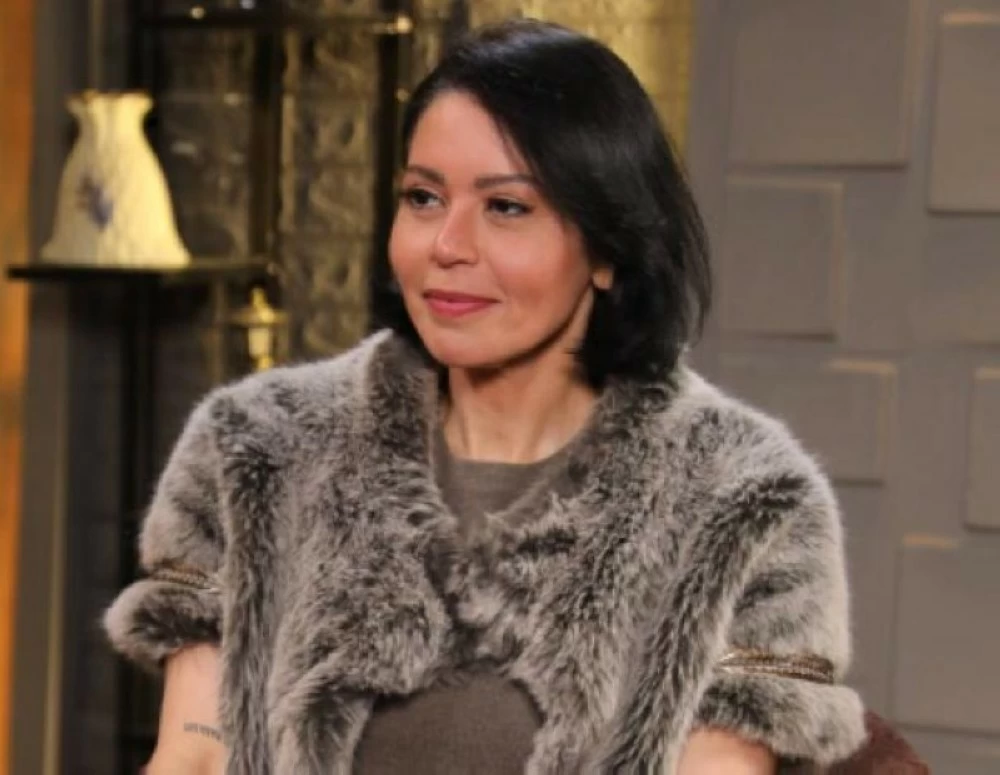
Egyptian artist Liqaa El-Khamissi sparked a wide debate in artistic and public circles after her recent statements in which she addressed the issue of the hijab and its relationship to artistic work, categorically denying that religious commitment or wearing the hijab is an inevitable reason for retiring from acting or staying away from the spotlight.
The concept of the hijab: between form and content
In a detailed television interview, Liqaa El-Khamissi presented her own perspective on the concept of hijab, emphasizing that its essence lies in "the veil of the mind and behavior" before it is merely a piece of cloth covering the hair. She explained that the primary purpose of hijab is modesty and covering the chest area, stressing that morals and human interactions are the true measure of piety, not just outward appearance. These statements come at a time when the debate surrounding the appearance of female artists and its relation to their level of religious commitment is constantly renewed.

The debate surrounding art and religious commitment
Al-Khamisi addressed a crucial point regarding the impact of the passing of colleagues in the artistic community on artists' decisions. She affirmed that death is inevitable, but it doesn't necessarily lead her to consider retiring from art, as she believes acting is an important and influential social message. She pointed out that Egyptian and Arab artistic history has witnessed numerous examples of actresses who were able to reconcile wearing the hijab with dramatic work by establishing specific guidelines for their performances, such as refraining from physical contact or scenes that might conflict with the nature of the hijab. This, she argued, proves that creativity can continue without compromising one's principles.
The historical context of the phenomenon of veiled female artists
Liqaa El-Khamissi's statements bring to mind an important era in the history of Egyptian cinema and drama. From the 1990s to the early 2000s, the artistic scene witnessed a wave of what became known as the "repentant actresses" or veiled actresses, some of whom retired permanently, while others returned to acting within the bounds of Islamic law. This context lends El-Khamissi's statements an added dimension, as she attempts to emphasize that art is not at odds with religion, and that talent can coexist with religious commitment.
Praising Hanan Turk's role model
In closing, Liqaa El-Khamissi made a point of mentioning the retired actress Hanan Turk as a respected and admired role model, noting that Turk's decision to wear the hijab and step away from the spotlight stemmed from a personal conviction worthy of respect. This stance underscores the importance of respecting the personal freedoms of artists, whether they choose to continue working in the arts within certain parameters or prefer to withdraw. She emphasized that an artist's true value lies in their creative contributions and the positive impact they have on the public.
-

 Culture and Art, 1 week ago
Yasser Galal and Radwa El Sherbiny: Details of a new artistic project that brings them together
-
Local news one week ago
Mohammed Al-Rasasmeh appointed as official spokesperson for the Ministry of Municipalities and Housing
-
Culture and Art, 1 week ago
Poster for the series "Two Others": Asser Yassin and Dina El Sherbiny in Ramadan
-
Politics, one week ago
German Chancellor Friedrich Merz departs Riyadh after an official visit
-
Local news one week ago
Saudi Arabia weather today: Thunderstorms and dust in 5 regions
-
Politics, one week ago
Faisal bin Farhan and Araqchi discuss regional security and developments
-
Politics, one week ago
The Crown Prince receives German Chancellor Friedrich Merz in Riyadh
-
Culture and Art, 1 week ago
Ask Your Soul series, Ramadan 2025: Story, cast, and broadcasting channels


