
Culture and Art
The passing of Saeed Al-Sarihi: A pioneer of Saudi criticism and godfather of visual arts
Farewell to Saeed Al-Sarihi, the great Saudi critic who combined literature and visual arts. This article reviews his cultural career and his impact on journalism, criticism, and guiding writers.

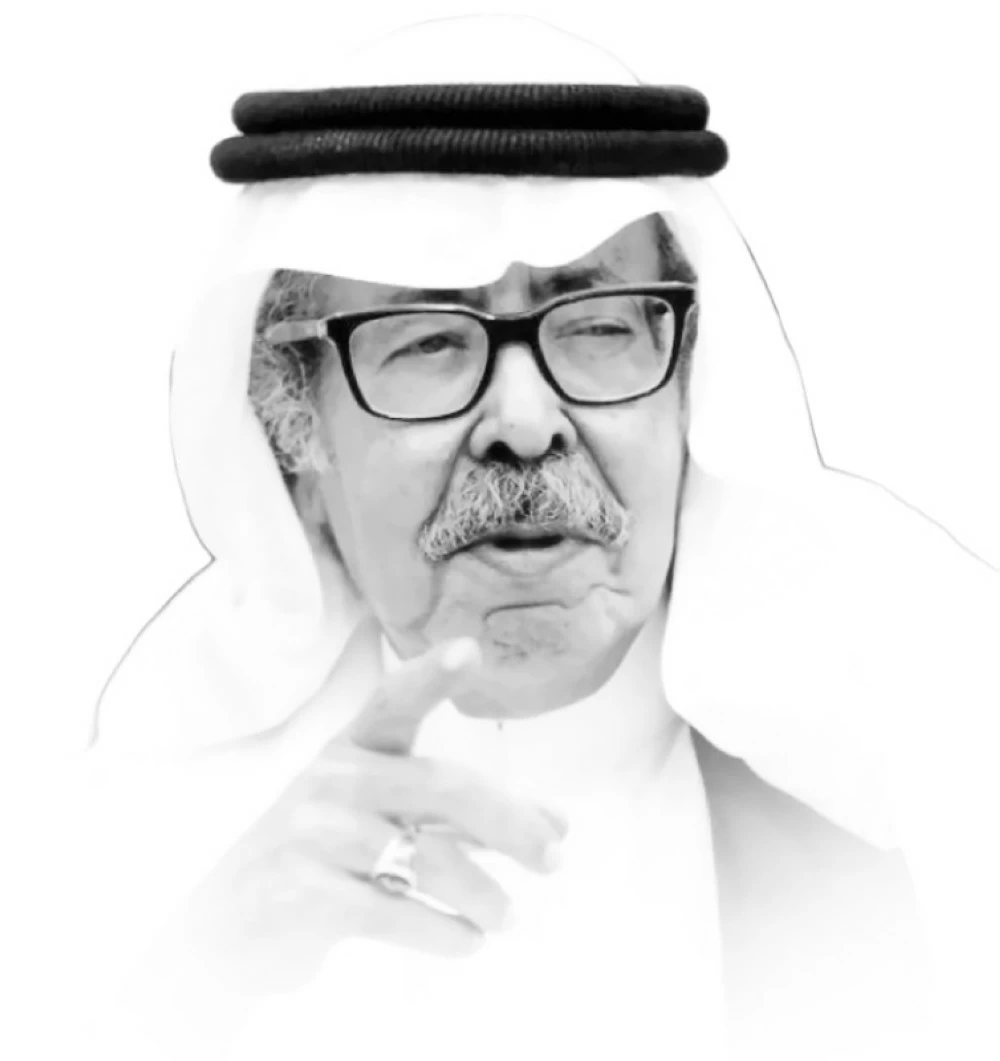
With the passing of Dr. Saeed Al-Suraihi, the Saudi and Arab cultural scene not only loses a great critic, but also bids farewell to a rare intellectual figure and encyclopedic scholar who was able to combine the depth of heritage knowledge, the nobility of morals, and the sensitivity of human feeling, thus forming a unique cultural phenomenon whose impact has extended for decades.
A symbol of modernity and cultural renewal
Al-Suraihi is considered one of the most prominent figures who shaped the cultural landscape in Saudi Arabia over the past four decades. He was not merely a passing critic, but a pioneer of renewal and modernity, engaging in serious intellectual debates to establish the concepts of modern criticism. His presence in literary clubs, particularly the Jeddah Literary Club, and in cultural journalism through the newspaper "Okaz," served as a compass guiding the younger generation towards broader horizons of writing and thought.
When Al-Suraihi spoke, he compelled you to listen, not through the force of his voice, but through the depth of his thought and the presence of a sage whose every word you immediately recognized as worthy of being heard and recorded. You wished he would never fall silent, that he would linger longer in the realm of words, for his speech was not fleeting but settled in the mind and heart. And though his voice has now faded, whether by choice or by force, his meaning remains, and will continue to resonate within the hearts of his admirers and students. His words will remain etched in our minds as a testament to a golden era in our cultural history.
The encyclopedic critic and visual arts
The deceased was unique in his distinction and encyclopedic in his knowledge; he was a profound scholar of religion and Islamic law, an expert in the intricacies of the Arabic language, and a discerning literary critic. However, what some may overlook is his exceptional appreciation of the visual arts. He possessed a remarkable and precise knowledge in this field, grounded in details, figures, and insightful readings that sometimes surpassed that of specialists who had practiced or studied the art academically. Listening to him, one sensed that he possessed the keys to this world with the awareness of a deep researcher, not the superficiality of a casual observer.
Perhaps his most notable achievement was dedicating a weekly page to the visual arts during his journalistic career. This page was not merely a fleeting space to fill airtime, but rather, thanks to his vision, it transformed into a vibrant cultural platform where he contributed his diverse ideas and perspectives, along with insightful headlines that resonated deeply and cultivated a genuine visual awareness among readers. He approached visual and plastic arts as a form of intellectual discourse no less significant than literature, granting artists their due share of in-depth reading and critical respect.
The noble teacher... a school of ethics
On a personal and professional level, Al-Suraihi was a noble mentor from whom an entire generation of journalists and writers benefited in the art of crafting headlines, writing introductions, and building journalistic and literary profiles. His editing was never dry or condescending, nor was his guidance harsh. Rather, he would smile and politely ask, "What do you think about writing it this way?" You would then realize that what he offered was guidance imbued with respect, not a correction that would wound the text or break its author. His language conveyed a deep appreciation for what had been written, and his suggestions opened new horizons without negating what had come before. He never criticized a text nor broke a writer's pen; instead, he corrected with the spirit of an expert, suggested with the mind of a partner, and left the final decision to the writer.
His body has departed, but his lessons remain, his impact endures, and his approach, tone, and ethics will forever be a guiding light. Saeed Al-Suraihi will remain a voice present in our cultural memory, a rare intellectual conscience who taught us that words carry great responsibility, and that criticism is ethics and conduct before it is merely tools and methodologies. May God have mercy on Dr. Saeed Al-Suraihi, grant him a spacious place in Paradise, and place his contributions to thought, culture, and literature on the scale of his good deeds.


Culture and Art
Huda Shaarawi's killer's confessions: Reenactment of the crime and shocking motives
The Syrian Ministry of Justice has released details of the murder of artist Huda Shaarawi. Watch the maid's confession regarding the motives for the poisoning, how the crime was carried out, and her subsequent suicide attempt.
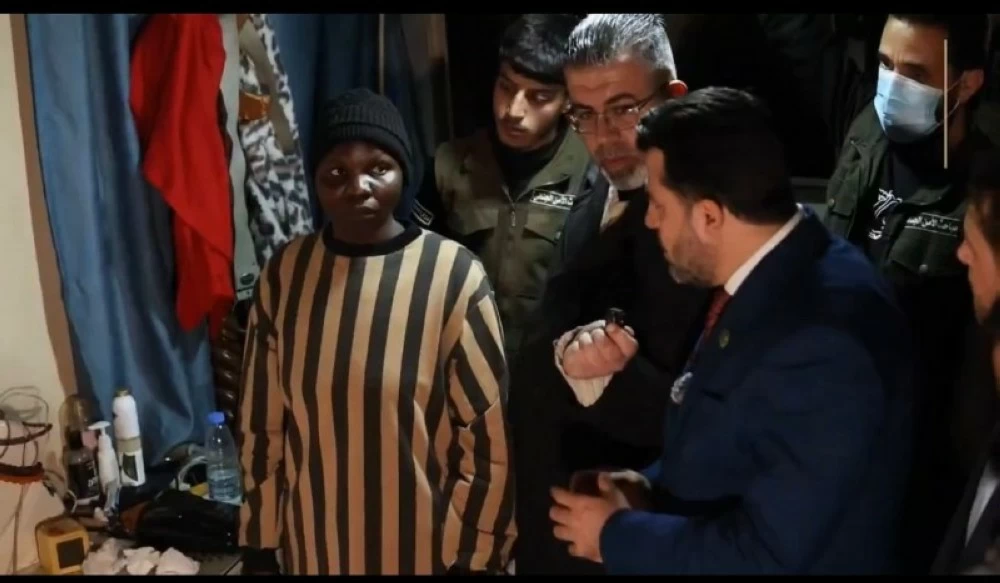
In a new development in a case that has shaken the Syrian public and the Arab artistic community, the Syrian Ministry of Justice revealed on Saturday gruesome details surrounding the murder of renowned artist Huda Shaarawi in her Damascus home. The ministry released footage of the crime reenactment, which was carried out by her Ugandan maid, and affirmed that the legal process is ongoing to ensure full justice in this tragic incident.
Documented confessions and crime scene reenactment
The ministry released a video on its official accounts showing the accused, Vicky Ajok, calmly reenacting the crime at the scene. The footage showed how the accused ambushed the late artist while she was in bed, inflicting fatal and repeated blows to her head with a hard metal object, which led to her death from severe injuries.
During the investigation, the accused offered a bizarre justification for her heinous act, claiming she suspected the artist intended to poison her. The accused recounted that the victim had asked her not to go near the refrigerator, claiming it contained poisonous substances. The maid interpreted this as a direct threat to her life, stating in her testimony: "I thought she had poisoned me, so I decided we should both die.".
A failed suicide attempt and a chaotic escape
Not content with committing the murder, the perpetrator then attempted to end her own life and cover up the crime. She confessed to taking a large quantity of medication and pouring fuel to set the room on fire before climbing to the roof of the building and jumping in a suicide attempt. Despite her fall, the accused survived and ran into the street in a state of hysteria and distress, pleading with passersby to take her to the hospital. However, the vigilance of citizens led to the authorities being alerted and her arrest in record time.
Background of the conflict and allegations of abuse
Regarding her relationship with the victim, the Ugandan worker claimed there had been prior disagreements dating back to last November, centered on the artist's refusal to give her her wages to send to her family. She also alleged mistreatment, food deprivation, and confinement—claims currently under judicial investigation to verify their accuracy. The accused maintains that she acted alone in planning and executing the crime without any external instigation.
The passing of the "Bab Al-Hara" icon and the shock it caused in the artistic community
This announcement sheds light on the tragic end of actress Huda Shaarawi, who passed away on January 29th. Shaarawi was a prominent figure in the history of Syrian drama, her name forever linked in the memory of the Arab audience with her portrayal of "Umm Zaki," the midwife in the popular series "Bab Al-Hara." Her death in such a violent manner came as a great shock to her fans and colleagues, highlighting the dangers of unregulated domestic workers and the urgent need to protect elderly people living alone.
The Syrian judicial authorities are continuing to complete the case file, in preparation for referring the accused to the competent court to receive her just punishment in accordance with the applicable laws, in a case that has become a matter of public opinion par excellence.
Culture and Art
Adoption of the National Policy for the Arabic Language in Saudi Arabia: Objectives and Implications
Learn about the details of the National Arabic Language Policy adopted by the Saudi Cabinet, and its role in strengthening national identity and the Kingdom’s position as a global reference for the Arabic language.
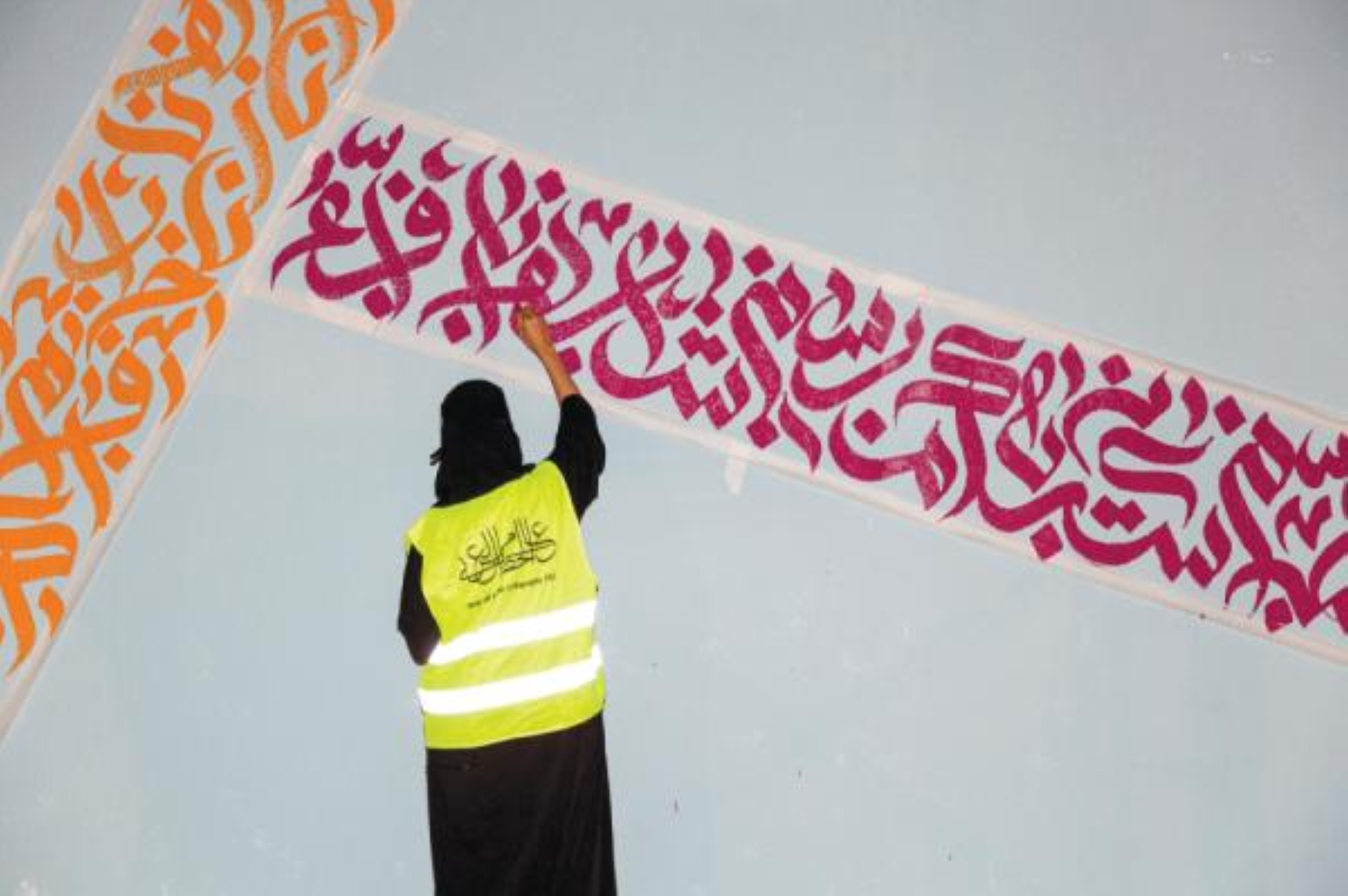
In a historic step reflecting the deep connection between the Kingdom of Saudi Arabia and its cultural identity, the Cabinet approved the “National Policy for the Arabic Language,” a decision that confirms the undeniable fact that the Kingdom is the original home of the Arabic language, the cradle of its culture, and the starting point of its eternal message.
Historical roots: The Kingdom is the cradle of the Arabic language
This decision cannot be separated from the historical and geographical context of the Kingdom; it was in this land that the Arabic language originated, and from here it spread to become a global language. Historically, the Arabian Peninsula was the stage for important literary markets such as the Souk Okaz, which served as a platform for linguistic and poetic competition among Arab tribes, contributing to the refinement and standardization of the language before Islam.
The Arabic language gained its sanctity and enduring significance with the revelation of the Holy Quran in clear Arabic in Mecca, transforming it from a tribal language into a language of civilization and religion. It spread with the Islamic conquests, becoming the language of science and knowledge for centuries. Today, the Kingdom is reviving this great legacy, not only as history, but as a lived reality and an ambitious future.
Pillars of the National Policy for the Arabic Language
The newly adopted national policy is based on an integrated system of principles aimed at empowering the Arabic language in all aspects of life, going beyond being merely an official language to become an engine for development. Among the most prominent features of this policy are:
- Education and Scientific Research: Enhancing the status of Arabic as a language of education and innovation, and encouraging universities and research centers to publish scientific research in Arabic, which contributes to the localization of knowledge.
- Public Scene and Business: Obliging governmental, private, and non-profit entities to use Arabic in their dealings, to ensure its visual and audible presence in the public space.
- Media and Technology: Supporting Arabic digital content and enriching media content with programs that enhance the integrity and aesthetics of the language.
- Cultural diplomacy: Activating the presence of Arabic in international forums and UN organizations as part of the Kingdom’s soft power.
Strategic importance and its alignment with Vision 2030
Adopting this policy carries profound strategic implications, aligning with the Kingdom's Vision 2030, which explicitly emphasizes pride in national identity and cultural heritage. Domestically, the decision strengthens national cohesion and protects future generations from the erosion of their identity in the face of globalization.
At the regional and international levels, this policy reinforces Saudi Arabia's leading role as a global authority on the Arabic language, particularly given the tireless efforts spearheaded by the King Salman Global Academy for the Arabic Language. This approach is expected to contribute to increased international interest in learning Arabic, boost cultural tourism, and open new avenues for investment in the creative and linguistic industries.
Statement by the Minister of Culture: A firm leadership commitment
Commenting on this event, His Highness Prince Badr bin Abdullah bin Farhan, Minister of Culture and Chairman of the Board of Trustees of the King Salman Global Academy for the Arabic Language, affirmed that the Cabinet’s approval reflects the unlimited support of the wise leadership for serving the language of the Qur’an.
His Highness pointed out that the Academy worked on formulating this policy to be a comprehensive regulatory framework that ensures coordination between all sectors, with the aim of consolidating the Kingdom’s position as a destination for the Arabic language, and increasing the attractiveness of the Saudi cultural environment for those wishing to explore the treasures of this ancient language.
Culture and Art
Boussy Shalaby and Nelly Karim in the series "Ala Ad El Hob" (As Much as Love) Ramadan 2026
Boussy Shalaby joins the cast of the series "Ala Ad El Hob" (As Much as Love) alongside Nelly Karim and Sherif Salama. Learn about her role and behind-the-scenes details of filming at the Prince Taz Palace in preparation for Ramadan 2026.
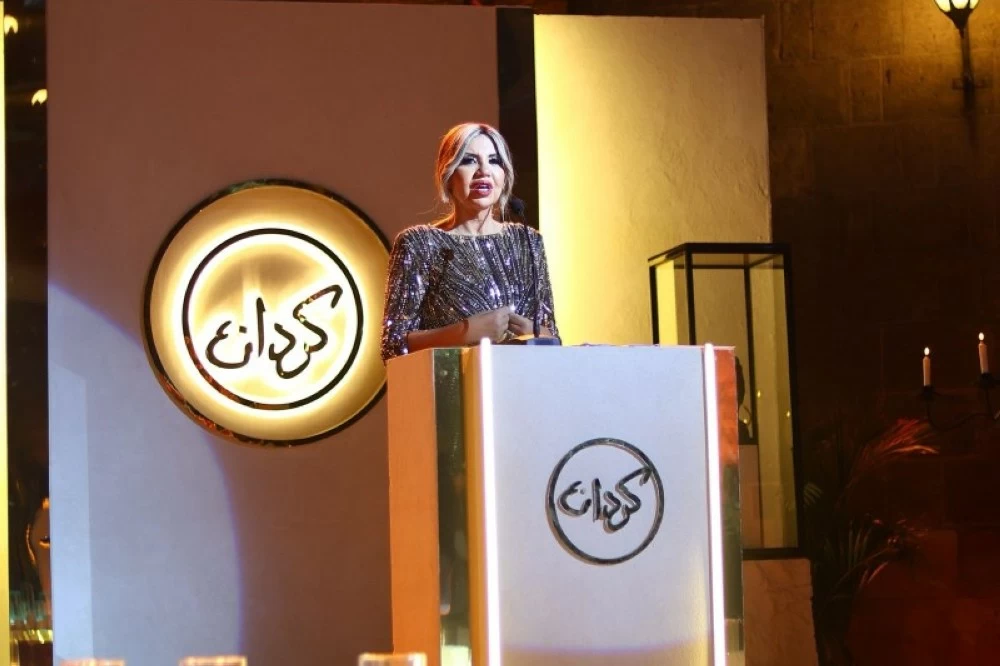
In a new move that reinforces the exciting overlap between the world of media and television drama, it was officially announced that the famous Egyptian media personality Boussy Shalaby the cast of the series “Ala Ad El Hob” (As Much as Love), which is scheduled to be shown during the Ramadan marathon of 2026. This work brings together a selection of top stars, most notably the star Nelly Karim and the artist Sherif Salama, making it one of the most anticipated works of the next season.
Details of Boussy Shalaby's participation and the anticipated role
Boussy Shalaby's participation in the series is not merely as a guest star, but as a pivotal figure in the plot, portraying a character closely resembling her own personality. According to initial leaks from behind the scenes, Shalaby will appear in scenes covering a major event: the launch of a jewelry brand owned by the character "Maryam," played by Nelly Karim. This dramatic use of Shalaby's persona lends significant realism to the scenes, given her extensive experience covering festivals, artistic events, and fashion shows.
Behind the scenes of filming at Prince Taz Palace
Boussy Shalaby recently wrapped up filming her scenes, which took two full days, at the historic Prince Taz Palace in Cairo. The atmosphere on set was electric with enthusiasm and artistic collaboration, as she was joined in the scenes by Sherif Salama, Mahmoud El-Leithy, Maha Nassar, and Safaa El-Toukhy. The choice of Prince Taz Palace as the filming location reflects the creators' commitment to showcasing the palace's architectural and historical beauty, adding a rich visual dimension to the drama.
Nelly Karim and Sherif Salama: A promising duo
The series "Ala Ad El Hob" (As Much as Love) is set to reshape the Ramadan 2026 television landscape, with audiences eagerly anticipating the on-screen chemistry between Nelly Karim and Sherif Salama. Nelly Karim is known for her exceptional ability to seamlessly transition between tragedy and social drama, boasting a rich history of successful works that have explored women's and societal issues with depth. Meanwhile, Sherif Salama is enjoying a surge in his career following his recent successes, making their collaboration in this project, written by Mustafa Gamal Hashem and directed by Khaled Saeed, a highly anticipated event for both critics and viewers.
List of creators and participating stars
The series, produced by Sally Wali, consists of 30 episodes and will air on several Egyptian and Arab channels. It features a large cast of stars to ensure a diverse range of storylines, including:
- Ahmed Saeed Abdel Ghani
- Ahmed Majed
- Maha Nassar
- Mahmoud El Leithy
- Muhammad Abu Dawood
- Mohamed Ali Rizk
- Safaa Al-Toukhy
- Randa Ibrahim
This work is an important addition to the Ramadan 2026 season, as it combines social suspense, stories of rise, and intertwined human relationships, with a realistic touch brought about by the participation of public figures such as Boussy Shalaby.
-

 Culture and Art, 1 week ago
Yasser Galal and Radwa El Sherbiny: Details of a new artistic project that brings them together
-
Local news one week ago
Mohammed Al-Rasasmeh appointed as official spokesperson for the Ministry of Municipalities and Housing
-
Culture and Art, 1 week ago
Poster for the series "Two Others": Asser Yassin and Dina El Sherbiny in Ramadan
-
Politics, one week ago
German Chancellor Friedrich Merz departs Riyadh after an official visit
-
Local news one week ago
Saudi Arabia weather today: Thunderstorms and dust in 5 regions
-
Culture and Art, 1 week ago
Ask Your Soul series, Ramadan 2025: Story, cast, and broadcasting channels
-
Local news one week ago
Agreement to regulate and empower street vendors in Jeddah: Details and objectives
-
Local news one week ago
The Spears of Victory 2026 military exercises concluded in Saudi Arabia with international participation


