
Culture and Art
Ragheb Alama: Is he keeping up with the trends or losing control?
Ragheb Alama: Will he remain a symbol of artistic elegance or lose control in the trend race? Discover how he balances creativity and popular appeal.


Ragheb Alama: Between artistic elegance and popular appeal
Since he appeared on our screens in the 1980s, Ragheb Alama has been able to prove himself as a symbol of artistic elegance, and has succeeded in being one of the most prominent Arab singing stars who combine a sweet voice, an overwhelming presence, and professional intelligence that always keeps him in the spotlight.
But as the years passed and experience accumulated, Ragheb began to maintain the image of a balanced artist, at peace with different generations, capable of combining popular acclaim with sobriety. However, recent years have witnessed a gradual shift in this image, particularly during his public concerts, which have become a source of endless controversy.
Theatre: From singing to thriller
Ragheb Alama's stage performances have transformed from musical venues into blazing arenas of glamour and spectacle. A long hug with a female fan on stage, a close dance, lingering glances, and provocative words into the microphone… these scenes have become all too common, raising a legitimate question: Has Ragheb lost his balance between art and stardom? Or has he decided to play the provocative card in a noisy era?
It's not unusual for celebrities to face embarrassing situations with the public. But what's striking here is that Ragheb doesn't shy away from them; instead, he sometimes embraces them and reposts them on his social media accounts as if to endorse them. With the repetition of these incidents, questions are mounting about whether Ragheb still has control over his public image or if he's reshaping it to suit a shifting public mood.
Cairo Party: The Turning Point
One of the most controversial incidents recently occurred at a concert by Ragheb Alama in Cairo. A female fan rushed onto the stage and hugged him in a remarkably intimate manner, while Ragheb responded with a smile and a warm welcome, interacting with her in a scene that went viral.
The snowball effect quickly began when the Egyptian Musicians Syndicate issued a statement expressing its displeasure with what had happened, stressing the need to respect public taste and set controls for musical performances, especially when they are broadcast via social media.
Is it a reinterpretation of the image or just a provocation?
The Egyptian statement opened the door to discussion not only about the limits of interaction between the artist and his audience, but also about how stars deal with fame and excitement in the age of social media where any moment can become the talk of the town.
Ultimately , whether it's a matter of image reshaping or just a temporary thrill, the question remains: how will Ragheb Alama handle this delicate balance between art and popularity? Will he continue to embrace sensational moments or return to his more reserved artistic roots? Only time will tell!


Culture and Art
Hend Sabry discusses addiction in her new series, "Immunity"
Hend Sabry is preparing to star in the series "Manna'a," which tackles issues of addiction and family protection. Learn more about the show, its social dimensions, and its anticipated impact on Arabic drama.
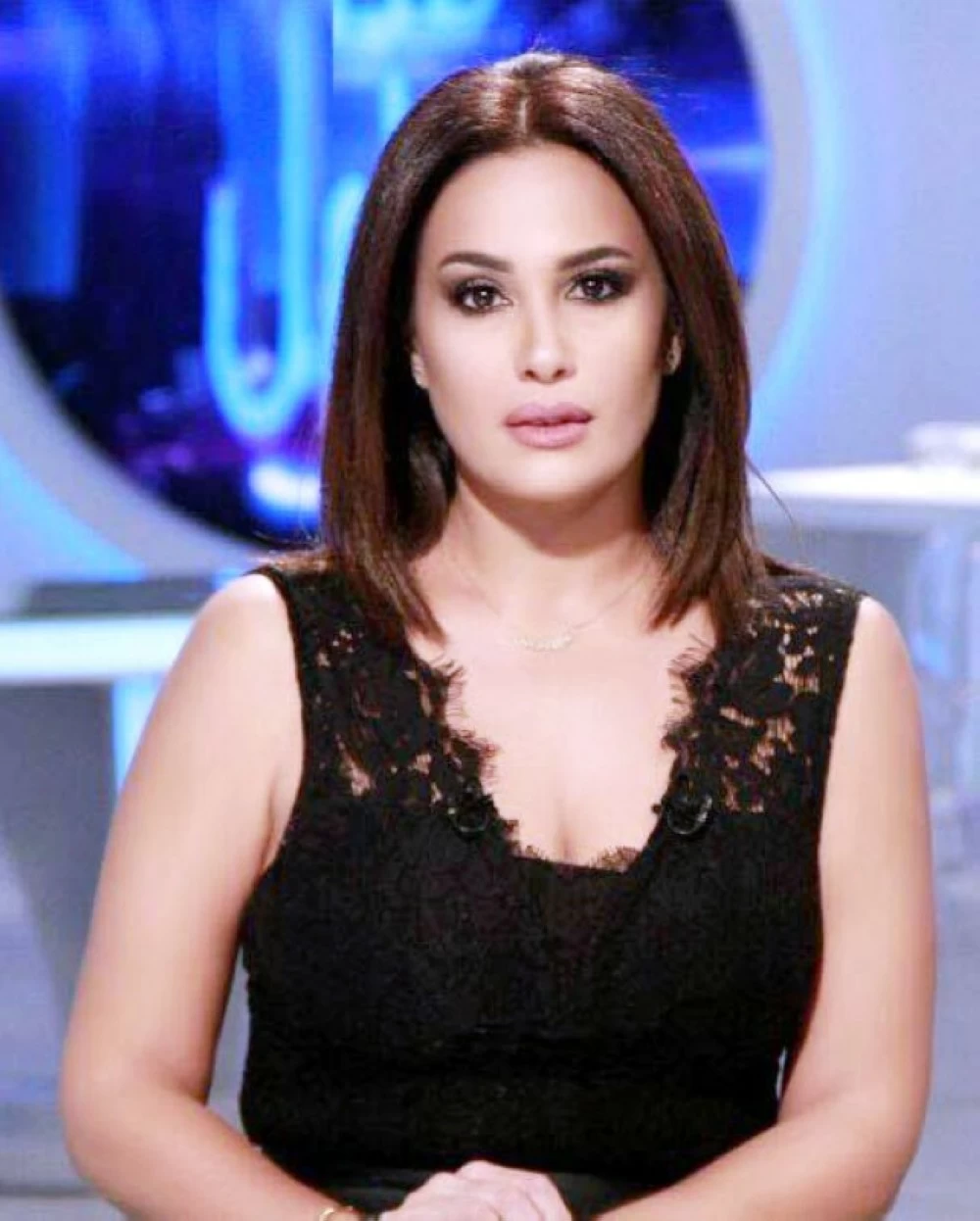
Tunisian star Hend Sabri to embark on a new and different dramatic experience through a series entitled “Immunity”, which is set to address highly sensitive and complex social issues, most notably the issue of addiction and ways to protect children and youth in light of the challenges of contemporary society, according to what was mentioned by the “24” platform.
A true story that touches the hearts of Arab families
The series "Immunity" comes within the context of a recent trend in Arab drama towards works that strive to combine compelling storytelling with a purposeful awareness message. The series focuses primarily on the story of a central character facing formidable challenges within a socially stressful environment, shedding light on the devastating effects of addiction, not only on the addict but also on the cohesion of family relationships and the future of children.
The series portrays the intense psychological struggle of a mother desperately trying to protect her family from disintegration and her tireless efforts to safeguard her children from the dangers surrounding them in this age of technology and openness. Initial production details indicate that the team was committed to delivering a balanced dramatic treatment, avoiding blatant directness and relying on impactful acting to convey the social message.
Hend Sabry... a career full of meaningful roles
Hend Sabry's choice of this type of role comes as no surprise to fans and critics alike; the star has always been known for her artistic acumen and her commitment to selecting works that resonate with reality and address women's and family issues. From her early career to her recent works such as "Ola Wants to Get Married" and its evolution into "Searching for Ola," Sabry has demonstrated her ability to discuss social changes in a way that combines seriousness with a connection to the audience.
This work adds a new dimension to her career, which is characterized by social responsibility, as she is expected to utilize her long experience and high acting abilities to embody the suffering of the Arab mother in the face of the “monster” of drugs, which gives the work great artistic and popular weight.
The importance of drama in raising community awareness
The series "Immunity" gains its significance from its timing and the nature of its subject matter. With the increasing rates of addiction and its diverse forms globally and regionally, drama plays a "soft power" role in shaping collective consciousness and sounding the alarm. Drama critics believe this trend strengthens the presence of Arab drama as a mirror reflecting phenomena that threaten the family unit, thus transcending its traditional entertainment role to become a partner in the process of social reform.
The series is expected to attract widespread attention from the Arab public, given the originality and vitality of the subject matter, and the presence of an artistic and production team that understands the importance of balancing elements of excitement and suspense with the depth of the human message that the work carries.
Culture and Art
Promo for the series "Al-A'sha Street 2": Conflicts and surprises in Ramadan
Watch the teaser trailer for the second season of "Al-A'sha Street" this Ramadan. A shocking twist turns the tables and escalates conflicts with a host of Saudi and Gulf drama stars.
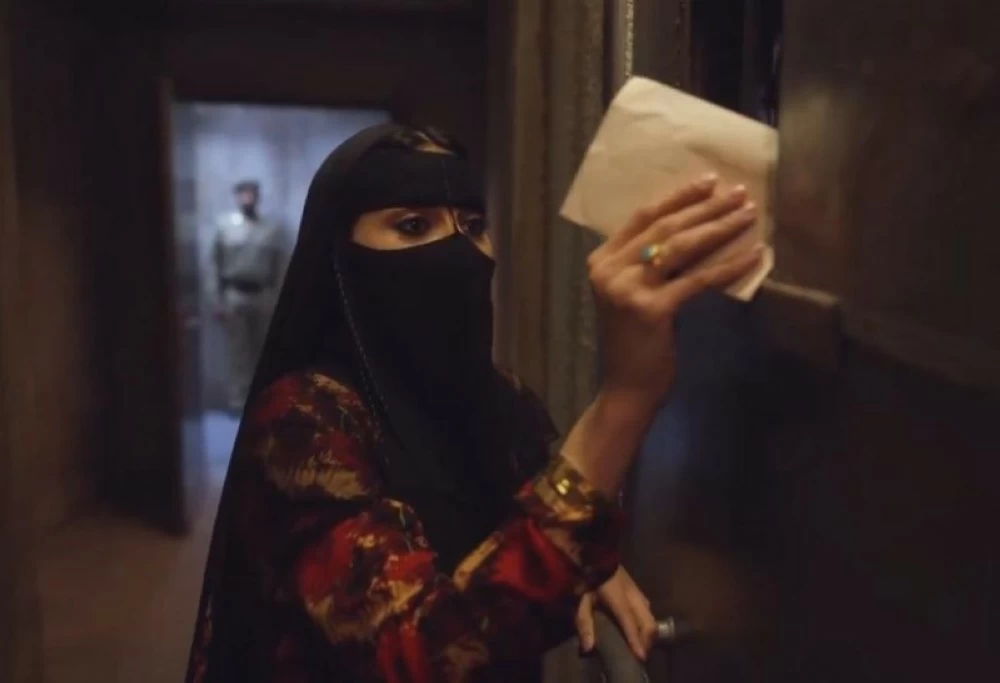
The production company behind the series "Al-A'sha Street" has released the official teaser trailer for its second season, officially announcing the show's participation in the highly anticipated Ramadan drama lineup. This release comes amidst widespread public anticipation, building on the immense popularity and positive feedback the series garnered in its first season, which topped viewership charts and trended on social media platforms.
The rise of Saudi drama
The continuation of "Al-A'sha Street" for a second season comes amidst an unprecedented artistic movement in Saudi Arabia, where local drama is experiencing a golden age, supported by massive productions and scripts that boldly and profoundly address social realities. These works are part of a cultural evolution focused on presenting Saudi and Gulf identity in modern dramatic formats that compete regionally, making the second season of this series a focal point for both critics and audiences, especially given the high expectations for its visual quality and dramatic plot.
Escalation of conflicts
The teaser trailer revealed radical shifts in the dramatic structure of the work, as conflicts escalate within the working-class neighborhood where the events unfold. The footage showed the main characters facing new existential crises that will completely alter the course of their lives, increasing tension in relationships and intertwining plot lines in an atmosphere charged with surprises and mystery, avoiding the monotony that can plague second seasons of dramas.
pivotal turning point
The trailer intensely highlighted a pivotal development in the character of "Aziza," portrayed by the brilliant actress Lama Abdel Wahab. The scenes suggest she experiences a profound shock that represents a major turning point, not only in her personal journey but also as a pivotal event whose impact reverberates through the other characters and overturns the balance of power and social equilibrium within the neighborhood, promising viewers a high dose of suspense and psychological drama.
The importance of the Ramadan season
The series' return during Ramadan is particularly significant, as the holy month is considered the peak of the television season in the Arab world and the fiercest arena for competition among production companies. The production company promoted the new season on social media platforms with firm promises of unexpected events and more complex conflicts compared to the first season, reflecting confidence in the content and its ability to attract Gulf and Arab viewers amidst the crowded field of shows.
A selection of Gulf stars
The producers are banking on a cast that includes some of the brightest stars of Gulf and Saudi drama, promising high-caliber performances. The cast for the second season includes Baraa Alam, Elham Ali, Khaled Saqr, Aisha Kay, Lama Abdulwahab, Nasser Al-Dosari, Alaa Salem, Muhannad Al-Hamdi, Amira Al-Sharif, Maha Al-Ghazal, Basel Al-Sali, and Tarfa Al-Sharif, in addition to several other prominent actors who will add significant depth to the storyline.
Culture and Art
An emergency meeting of artistic unions to resolve the Hani Mehanna crisis and prevent his appearance
Mustafa Kamel calls for an urgent meeting with the heads of artistic unions to discuss the crisis of Hani Mehanna’s statements, amid a decision to ban him from appearing in the media in order to preserve the symbols of Egyptian art and its history.
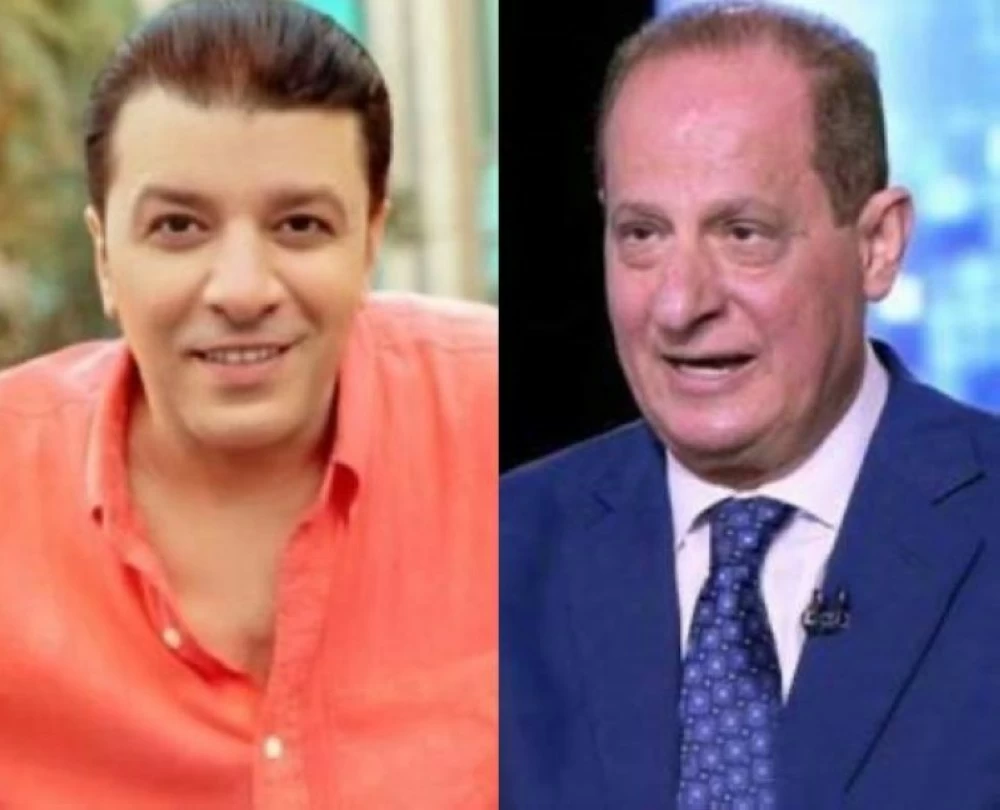
In a rapidly unfolding development within the Egyptian art scene, artist Mustafa Kamel, head of the Musicians Syndicate, has called for an urgent meeting tomorrow with leaders of the artistic unions in Egypt. This move comes in response to the ongoing fallout from the controversy surrounding renowned musician Hani Mehanna, following his recent statements that sparked widespread debate and resentment among both the artistic community and the public.
Unified union action to contain the situation
The meeting is expected to be attended by high-level representatives, including the heads of the three artistic unions affiliated with the Federation of Artistic Syndicates. Dr. Ashraf Zaki, head of the Actors' Syndicate, and director Mosaad Fouda, head of the Cinema Professions Syndicate, will participate, along with director Omar Abdel Aziz, president of the Federation of Artistic Syndicates. This gathering of union leaders aims to formulate a unified and institutional stance to contain the current crisis and ensure it does not escalate in a way that could harm the image of Egypt's rich artistic heritage.
Background to the crisis and the Supreme Media Council's decision
This call comes in the wake of a firm decision issued by the Supreme Council for Media Regulation, which referred musician Hani Mehanna to the Federation of Artistic Syndicates for investigation, accompanied by a decision to ban him from appearing in all visual, audio, and print media. This decision came in response to complaints that deemed Mehanna's statements offensive to a number of deceased and current Egyptian art figures, which necessitated swift regulatory and syndicate intervention to control the artistic media landscape.
Protecting soft power and art symbols
This meeting holds particular significance, transcending the mere resolution of a personal dispute, as it touches upon the very essence of preserving Egypt's "soft power." Egyptian art, with its long history and timeless icons, represents a fundamental pillar in shaping the Arab consciousness. Therefore, the attendees seek to emphasize that freedom of expression is guaranteed, but it is limited by the boundaries of infringing upon the reputations of artistic figures who have shaped Egypt's cultural history. Protecting the reputation of these icons is an integral part of the role of artistic unions in preserving the nation's cultural heritage.
Managing conflicts within the artistic community
In a related context, Mustafa Kamel emphasized in his official statement the important principle of "respecting elders and honoring icons," stressing the union's categorical rejection of any transgressions that might diminish the stature of artistic figures. The head of the Musicians Syndicate pointed out the necessity of addressing any differences of opinion within the legitimate union and legal frameworks, away from media mudslinging that could transform professional disagreements into personal conflicts damaging everyone's reputation.
Expected decisions and recommendations
The meeting is expected to produce a set of recommendations and decisions aimed at establishing a code of ethics to regulate media statements related to the history of art and its symbols, in addition to determining the legal and union position regarding the musician Hani Mehanna based on the results of the investigations, and in a way that ensures the preservation of the prestige of artistic institutions and the image of Egyptian art before the world.
-

 Local news one week ago
Landslide in Riyadh: Details of the incident in Al-Sahafa neighborhood and containment efforts
-
 Local news one week ago
The death penalty was carried out against a citizen who stabbed another to death in Tabuk
-
 Culture and Art, 1 week ago
Haifa Wehbe's absence in Riyadh: A photo crisis or a strained relationship with the media?
-

 Local news one week ago
Riyadh collapse: Emergency plans to secure water after a main pipeline burst
-
 Culture and Art, 1 week ago
City Kitchen series: A drama of conflict and the middle class during Ramadan
-

 Culture and Art, 1 week ago
The series "Kasra": Dawood Hussein in a moving social drama this Ramadan
-

 Local news one week ago
Applying for the 1447 Opportunities Program for Teachers via the Fares System
-
 Local News 6 days ago
Ramadan 2026 discounts in Saudi Arabia: Offers valid for 54 days