Culture and Art
The poem "Flight": A reading of the symbolism of the butterfly and the literature of freedom and constraints
A literary analysis of the poem "Flight," in which the woman's desire for liberation is manifested through the symbolism of the butterfly and its comparison with the constraints of reality, in a text that embodies the conflict between the freedom of the spirit and the prohibitions of society.

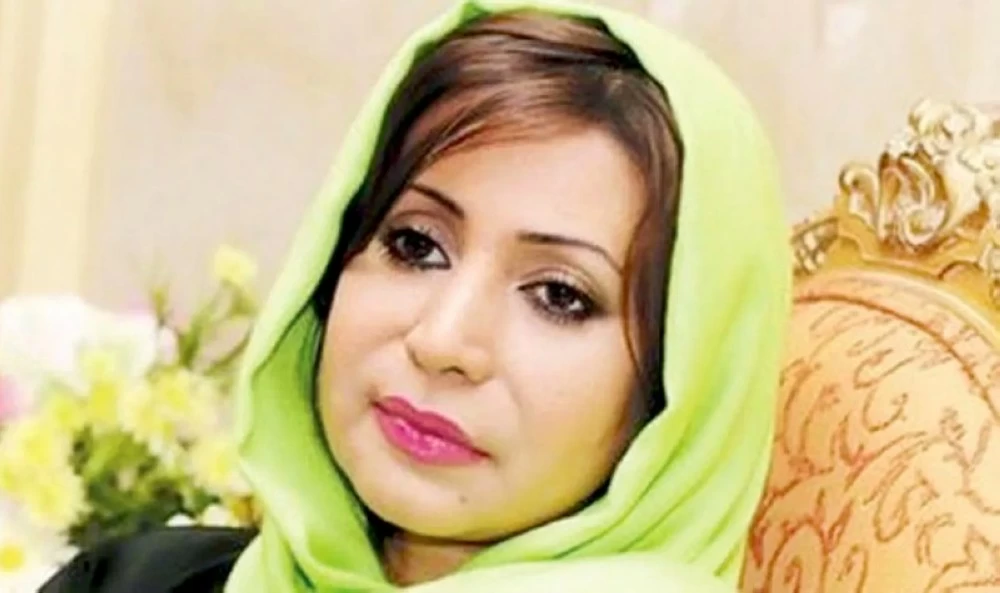
Contemporary Arabic poetry is a mirror reflecting the human soul and its constant yearning for liberation. In the poem "Soaring," we find ourselves before a magnificent literary text that weaves wings from pain and a language from constraints, striving to break through the barriers of silence. This poem is not merely a collection of verses; it is an existential cry expressing a profound longing for freedom and a poignant comparison between the lightness of the free being and the weight of social and psychological constraints.
The text of the poem
The words of the poem flow as follows:
Witches have their spells,
and I have mine like them.
Women
have their stories
and I have mine like them.
Evenings have their pains
I have mine like them
colorful,
and I have none like them;
transparent,
and I have none like them
. The butterfly;
its people have accustomed it to flight; so
it flew upon the awakening of saffron,
and landed upon the slumber of roses.
And they did not accustom me to crawling
except upon the suspicion of the guards standing
upon the snow of my chains
. The butterfly weaves the warmth of its relationships with flowers,
and I weave the coldness
of relationships. I hung them - in secret -
upon the fear of the night of suspicions;
so I wounded my cheek.
The butterfly did not hide its secret
butterfly has its companions, and
I have none like them,
and it has a pair of wings.
I wish I had none like them.
I wish, O butterfly
I were the butterfly.
So that I may soar above the wounds of women,
and their tears
. Women have their own concerns,
and I have the same concerns.
Symbolism and connotations of freedom in the text
The poem relies primarily on contrast as an artistic device to highlight meaning. While the butterfly possesses colorful, transparent wings and flits freely between the "awakening of saffron" and the "slumber of roses," the poetic self stands shackled under the weight of the "suspiciousness of the guards" and the "ice of confinement." This stark contrast between the warmth of the relationships woven by the butterfly and the cold isolation experienced by the poet reflects the profound human tragedy of being denied the right to expression and movement.
The use of the butterfly as a symbol is not new in world literature; it has always represented transformation, fragile beauty, and absolute freedom. But in this text, the butterfly becomes a mirror reflecting what women lack in societies that impose restrictions. The butterfly here is not merely a beautiful insect, but a creature that "did not hide its secret," a powerful reference to transparency and the ability to live without masks or fear of "the night of suspicion.".
Social and literary context
This poem falls within the framework of feminist confessional literature, which seeks to dismantle societal constraints through language. Historically, female poets have turned to nature (butterflies, flowers, evenings) to express repressed feelings that cannot be directly voiced in the presence of "guardians," whether real or metaphorical, representing social censorship.
The significance of this text lies in its ability to transform individual pain into a collective experience. At the end of the poem, the poet doesn't simply wish for wings to escape, but rather to "fly above the wounds and tears of women." This shift from the individual "I" to the collective "we" imbues the poem with a broad human dimension, making it a message of solidarity with every woman suffering from the "restrictions" that shackle her spirit and prevent her from soaring in the realms of creativity and life.


Culture and Art
Trial of those accused in the dog attack on Zeina and Ahmed Ezz's children
Details of the referral of actress Zeina's neighbor to criminal trial after a dog attacked her children with Ahmed Ezz. The prosecution acquits Zeina and reveals the defendants' negligence in controlling the animal.
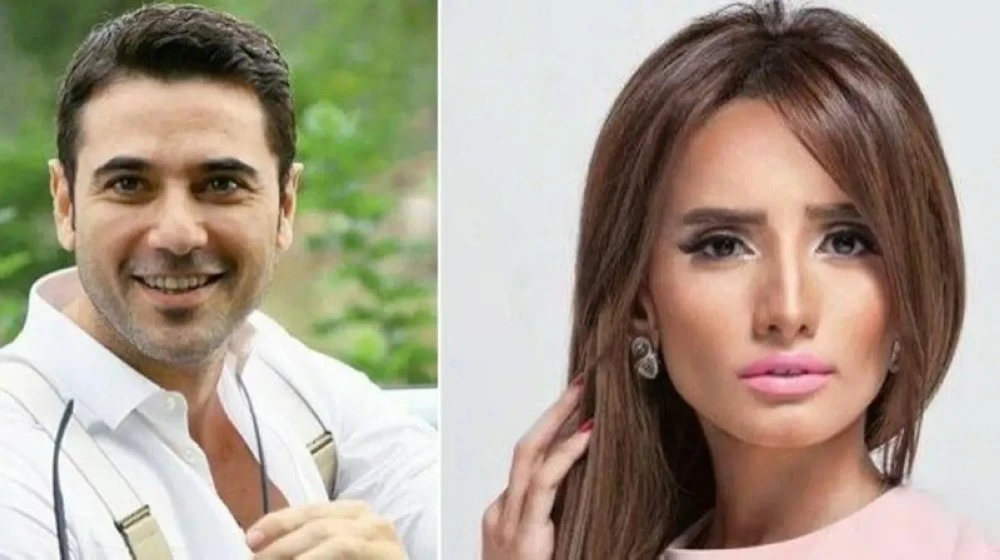
The Egyptian courts have witnessed a significant development in the case that recently captured public attention, concerning the attack on the children of actress Zeina and actor Ahmed Ezz by a vicious dog inside a high-end residential compound. The Public Prosecution issued a decisive decision to refer the actress's neighbor and relative (the actual owner of the dog) to urgent criminal trial, charging them with negligence and failure to take precautions in supervising a dangerous animal, thus endangering the lives of the children.
Details of the horrifying incident
The incident unfolded on a quiet day that suddenly turned into chaos and panic inside a five-a-side football pitch for children. While twins Ezz El-Din and Zein El-Din were playing football, a large, unmuzzled dog, unleashed, charged at them and began a vicious chase. The attack resulted in one of the boys falling to the ground and sustaining bruises from the impact as he tried to escape, while the other suffered minor scratches and cuts. The onlookers, stunned and screaming, rushed to the scene to intervene.
Prosecution investigations and conclusive evidence
Investigations conducted by the Public Prosecution, supported by reviewing CCTV footage from the area surrounding the playground and eyewitness testimonies, revealed that the dog was with the neighbor's son and that control over it was completely lost at the critical moment. The investigations also established that the accused failed to take the necessary precautions to control the animal in a public space designated for children's play. Surprisingly, the investigations revealed that the second party initially attempted to deny ownership of the dog, but the security investigations resolved the matter and identified the actual owner, thus placing full legal responsibility on him and the father of the child who was with the dog.
Zeina's innocence and the background of the conflict
In a related development, the prosecution decided to dismiss the complaint filed by the other party against the artist Zeina, in which he accused her of slander, defamation, and assault. The investigation revealed that the artist's reaction stemmed from a natural maternal instinct and a legitimate act of self-defense for her young children immediately following the incident, thus invalidating the charges against her.
Context of the crisis and its societal significance
This incident takes on special significance beyond being merely a quarrel between neighbors, for several reasons. First, it brings renewed attention to the twins of Zeina and Ahmed Ezz, whose lives have long been the subject of media scrutiny due to their protracted legal battle over paternity, making any harm they face a major topic of public discussion. Second, this incident comes at a time of escalating debate in Egypt regarding the "law on the possession of dangerous animals and dogs," particularly after repeated dog attacks in upscale residential compounds. This has recently prompted the Egyptian legislature to increase penalties for owners of aggressive animals that cause harm to others.
The referral of the accused to trial in this case is a deterrent judicial message confirming that living in upscale areas does not grant immunity from the law, and that the safety of children in common spaces is a red line that cannot be compromised, thus turning an incomplete children's game into a judicial precedent awaiting the court's final word.
Culture and Art
Hussam Junaid retires from performing concerts during Ramadan: Details
Syrian artist Hussam Junaid has announced his retirement from performing live concerts due to the decline of the music scene, while confirming he will continue releasing recorded songs. Learn more about the details and reasons behind his decision.
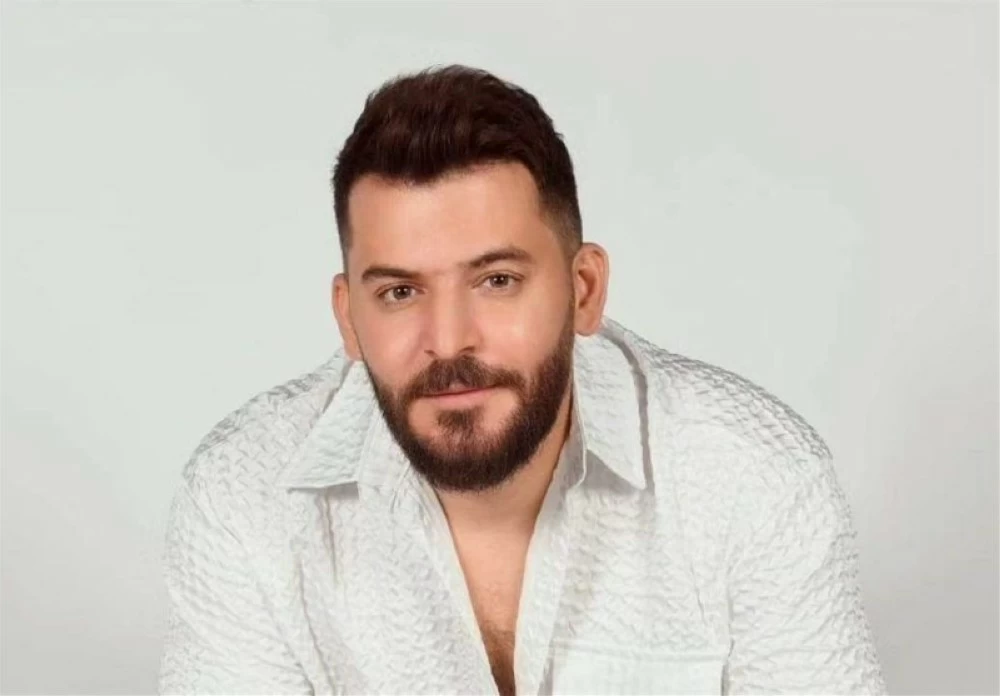
In a surprising move that sparked widespread controversy in Syrian and Arab artistic circles, the famous Syrian artist Hussam Junaid his retirement from performing at concerts and public and private events, attributing his decision to what he described as the negative changes taking place in the artistic scene, coinciding with the arrival of the holy month of Ramadan.
Details of the sudden retirement decision
Junaid announced his retirement from performing live concerts via his official social media accounts, where he addressed a heartfelt message to his fans and followers. The Syrian artist wrote, "To everyone who supported Hussam Junaid from 2009 to 2026, may God never deprive me of you. Today was my last day performing live. Thank God, I have decided to retire from live concerts." Junaid clarified that this decision does not mean his complete disappearance, but rather a shift in his career path, emphasizing, "I will definitely continue to release songs on my YouTube channel and across all platforms, as I am committed to a production company, poets, and composers.".
Reasons for the decision: Preserving the artistic heritage
Junaid's decision wasn't impulsive; it seems to be the culmination of accumulated concerns about the current artistic environment. He justified his move by expressing a desire to preserve his image and artistic standards, saying, "Those who love Hussam Junaid certainly wouldn't accept a decline in his artistic level. My voice and artistry are far superior to what's currently available, and it won't last because there are discerning listeners." This statement reflects a sense of dissatisfaction among a segment of professional artists regarding the recent decline in concert organization standards, audience quality, and the overall atmosphere surrounding commercial events. They prefer to withdraw while at the peak of their careers rather than participate in artistic trends that don't align with their legacy.
Artistic context and career of Hossam Junaid
Hussam Junaid is one of the most prominent voices in the Syrian popular and classical music scene. Over the past decade, he has secured a leading position in concerts and festivals in Syria, Lebanon, and the Arab world. This decision comes at a time when the artistic landscape is undergoing radical transformations, with many artists beginning to rely more heavily on digital platforms and revenue from live streaming and YouTube, rather than depending entirely on demanding concerts that may sometimes fall short of an artist's legacy.
The shift towards digital production
Junaid's confirmation that he will continue releasing songs on YouTube indicates an awareness of the demands of the digital age. This approach allows the artist complete control over the quality of his artistic output, free from the pressures of promoters and the potentially unsuitable conditions of live performances. Junaid apologized to concert promoters, saying, "I love you all from the bottom of my heart, and I apologize to all the promoters I made promises to. I hope you will accept my decision positively." He concluded his message by wishing his fans a blessed Ramadan: "I love you all. You are my family, the ones I grew up with, and you are the ones who raised me. Ramadan Kareem to you all.".
Reactions and timing of Ramadan
The public reacted strongly to this decision, with many linking the timing of the announcement to the start of Ramadan, considering it a positive step towards devoting oneself to worship and self-reflection—a practice followed by some Arab artists during the holy month. Reactions ranged from shock and sadness at his absence from the stage to full support for his decision, which aims to protect his artistic legacy from the vulgarity prevalent in some aspects of the current art scene.
Culture and Art
Austrian girl accuses Mahmoud Hegazi of harassment: details and breakdown
In her first media appearance, the Austrian woman accuses artist Mahmoud Hegazi of harassment and threatening her with his influence, breaking down in tears alongside Tamer Abdel Moneim. Learn the full details of the incident.
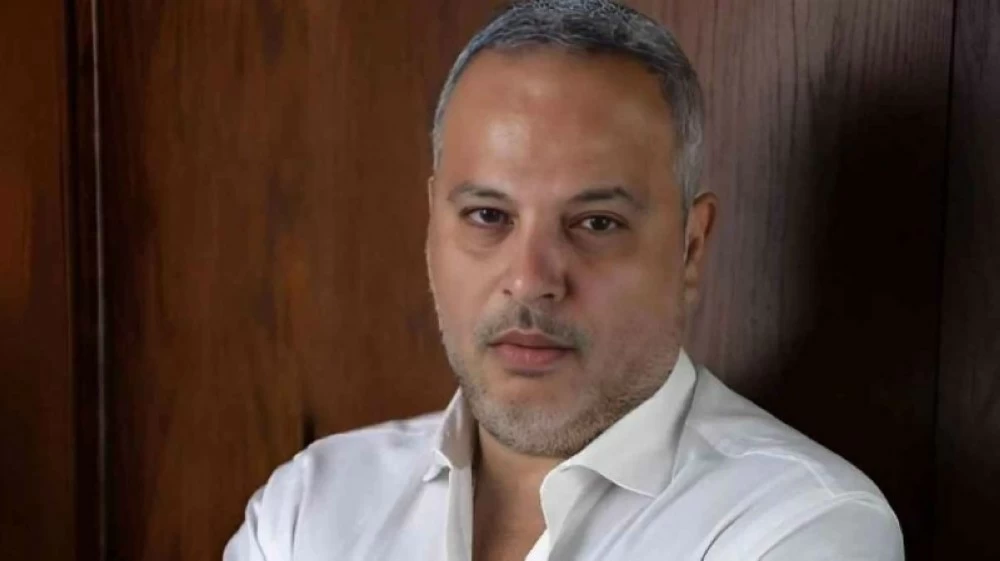
In a significant development in a case that sparked widespread controversy on social media and within the artistic community, the Austrian woman accusing Egyptian actor Mahmoud Hegazi of harassment broke her silence in her first media appearance, revealing shocking details about the incident and its subsequent psychological repercussions. This came during a phone interview with the program "Al-Basma" (The Fingerprint), hosted by actor Tamer Abdel Moneim on the "Al-Shams 2" channel.
Details of the threat of influence and fame
The young woman recounted the details of her relationship with the artist Mahmoud Hegazi, explaining that it began as a normal friendship before turning into what she described as a "shocking and painful" experience. She asserted that the artist exploited his position, saying, "Hegazi threatened me with his influence and fame, constantly repeating the phrase 'I'm an artist and I'm famous,' in a blatant attempt to pressure and intimidate me into silence.".
The girl also made sure to deny the rumors circulating about her relationship with the artist’s wife, stressing categorically that she does not know her and has never spoken to her, and that the whole matter was related to her personal acquaintance with Hegazi only.
Breakdown, tears, and confidence in the Egyptian judiciary
The phone interview was deeply emotional, with the young woman breaking down in tears live on air, expressing the immense psychological pressure she was under. Despite her distress, she affirmed her complete faith in the integrity of the Egyptian judiciary to restore her rights, saying, "I believe the truth will prevail." She added that her shock was compounded because she had considered Hegazi a trusted friend before the incident.
In a related context, the girl expressed her deep love for Egypt and its people, noting her great admiration for the leader Adel Imam, and revealed her wish to obtain Egyptian citizenship, reflecting her emotional connection to the country despite the crisis it is going through.
The psychiatric perspective and the repercussions of the crisis
The meeting wasn't limited to the girl's account; it also included input from her treating physician, who revealed the girl's deteriorating psychological state following the incident. The doctor explained that the patient seemed "detached from reality," suffering from severe bouts of sadness and difficulty expressing what she had experienced. She emphasized that the journey to psychological recovery would require time and specialized support to overcome the trauma.
Celebrity issues and their societal impact
This incident has once again brought to the forefront cases involving celebrities, which typically garner widespread media and public attention. Such accusations spark societal debates about the importance of separating artistic life from personal conduct, and the necessity of transparent investigations to uncover the truth. These cases represent a true test of how media and legal mechanisms handle ethical crises, as the public and the artistic community await the outcome of the official investigations in the coming days, amidst continued assurances that the rule of law applies to everyone.
-

 Culture and Art, 1 week ago
The "Between and Between" exhibition in Jeddah: 5 artists reshape Saudi memory
-
Local News 5 days ago
Saudi Arabia's National Arabic Language Policy: 8 Principles to Promote Identity
-
Culture and Art, 1 week ago
Shakira's concert in Jeddah: Details of the international star's first concert in Saudi Arabia
-
Local News 4 days ago
Adopting the National Policy for the Arabic Language: Strengthening Identity and Vision 2030
-
Local News 5 days ago
The Riyadh-Rin-Bisha dual carriageway, spanning 559 km, has been completed
-
Culture and Art, 1 week ago
Ramez Level the Monster: Details of Ramez Galal's program in Ramadan 2026
-
Local news one week ago
Launch of the new Dammam project with investments of 98 billion riyals
-
Local News 4 days ago
The Supreme Court calls for the sighting of the crescent moon of Ramadan 1447 on Tuesday evening