
Culture and Art
Picasso: A biography of the genius who changed the history of modern art
Discover the life of Pablo Picasso, the Spanish artist who revolutionized modern art. Learn about his artistic phases, from Cubism to Guernica, and his turbulent life in Paris.

Pablo Picasso, the Spanish artist who made Paris the stage for his creativity, remains one of the most influential and controversial figures in the history of modern art. He was not merely a painter, but a revolutionary force who transformed concepts of beauty and artistic expression, moving masterfully between painting, sculpture, and poetry, leaving an indelible mark on the map of world culture.
From Spain to Paris: The birth of an artistic legend
Picasso was born in Malaga, Spain in 1881, and grew up in an artistic environment thanks to his father, who was a painting teacher. But his ambitions extended beyond the borders of his homeland, so at the beginning of the 20th century, he moved to Paris, which was then the world's art capital and a meeting place for creative minds. Despite immersing himself in the vibrant Parisian life and befriending artists from all corners of the globe, Picasso retained his Spanish spirit, which was clearly reflected in his works. He saw in the circus performances of Montmartre an echo of bullfighting in Spain, and he found in the clown a symbol of tragic human comedy.
The Cubist Revolution and the Redefinition of Art
Paris at that time was a cauldron of new art movements that rebelled against academic traditions. In this context, Picasso, in collaboration with Georges Braque, spearheaded an artistic revolution known as Cubism . His famous painting "Les Demoiselles d'Avignon" (1907) heralded the birth of this new movement, which shattered the rules of traditional perspective, presenting forms from multiple angles simultaneously. This was not merely a new style, but a different way of seeing the world, and this shift profoundly influenced the course of art throughout the 20th century and beyond.
Friendships and rivalries: Picasso and Matisse
A constellation of avant-garde artists gathered around Picasso, but his relationship with Henri Matisse was the most distinguished. They were both friends and rivals, each representing a pole in the world of modern art. While Matisse sought harmony and chromatic purity, Picasso delved into the depths of the human psyche and its contradictions. Despite their differing approaches, they maintained a profound mutual respect and admiration that lasted until Matisse's death, with Picasso frequently visiting his friend in the coastal city of Nice.
Art as a Mirror of Life: Artistic Phases and Women
Picasso's personal life, particularly his relationships with women, is key to understanding his artistic transformations. The colors in his paintings chronicle his different phases, from his "Blue Period," reflecting his sadness and poverty, to his "Rose Period," coinciding with his emotional stability. The women in his life, such as Fernand Olivier, Olga Koklova, and Maria Theresa Walter, were not merely lovers, but essential muses for his work, embodying his passion, anger, and love in his paintings and sculptures. He rejected the constraints of marriage and stability, seeking inspiration in the free-spirited romantic relationships that fueled his creative chaos.
Art and Politics: “Guernica” as a Cry Against War
Picasso's art was not detached from the political events that swept through Europe. His monumental mural "Guernica" (1937) the most powerful political statement in the history of art. Picasso painted it as a reaction to the Nazi bombing of the Basque village of Guernica during the Spanish Civil War. With its somber, monochromatic colors and its depiction of civilian suffering, this painting has become an enduring global symbol of the tragedies of war and a resounding cry against violence and brutality.
Khaled's legacy: Between poetry and madness
Picasso didn't confine himself to the brush and chisel; his creativity extended to the world of words, as he wrote poetry, which he saw as an extension of his painting. He used to say, "I compose the image, and I paint the poem." This intermingling of the arts reflects a comprehensive genius that refused to conform to any mold. As his friend Fernand described him, Picasso was "a flame that burned through his blood and attracted, like a magnet, everyone who knew him." His legacy is not merely a collection of paintings and sculptures, but a constant call to rebel against the familiar, and an affirmation that art, as he himself said, is "a lie that helps us discover the truth.".


Culture and Art
Sameh El-Sereity reassures the public after suffering a stroke
Egyptian actor Sameh El-Sereity has been discharged from the hospital after suffering a stroke and has sent a message of thanks to his fans. Learn more about his health condition and his illustrious career.
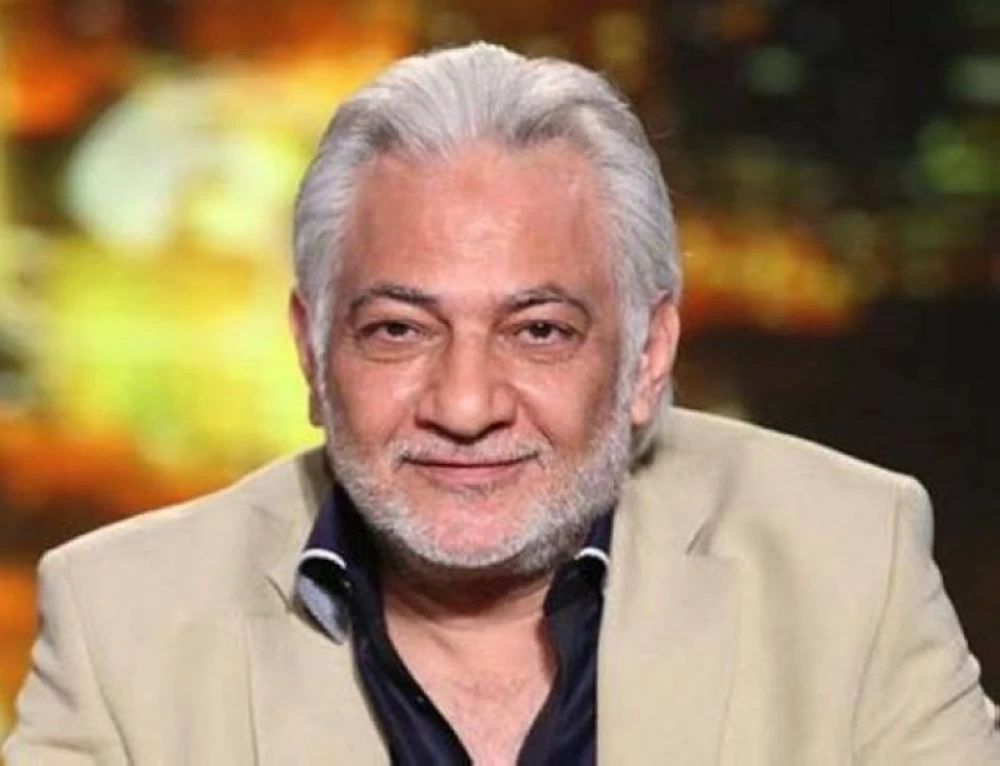
Sameh El-Sereity reassures his fans
In his first statement following a health crisis that worried his fans, the renowned Egyptian actor Sameh El-Sereity reassured his audience in Egypt and the Arab world that his health condition is stable. In an exclusive statement to the newspaper Okaz, El-Sereity confirmed that he left the hospital today and returned home after spending several days in intensive care following a sudden stroke.
The artist explained that he will continue medical follow-up in the coming period to ensure a full recovery, expressing his deep gratitude to everyone who inquired about him. He said, "It was a great ordeal, but thank God I got through it," directing a special message of thanks to his fans who showered him with prayers and concern throughout his illness.
Background of the health crisis and the reaction of the artistic community
The artistic community and the public were deeply concerned by the news that artist Sameh El-Sereity had been rushed to a major Cairo hospital last Tuesday after experiencing sudden and severe pain. He was quickly diagnosed with a stroke, necessitating his immediate admission to the intensive care unit. The news sparked a wave of sympathy and prayers on social media, with fellow artists and fans alike expressing their wishes for his speedy recovery, reflecting his esteemed position in everyone's hearts.
A prolific artistic career
Sameh El-Sereity is considered one of the most prominent stars of his generation, with an artistic career spanning more than four decades, during which he presented hundreds of distinguished works in cinema, theater, and television. El-Sereity began his career in the 1970s and was distinguished by his ability to brilliantly portray diverse roles, from complex dramatic characters to light comedic ones. Among his most prominent works that remain etched in the minds of the public are the television series "Layali El-Helmiya," "Bawabet El-Halawani," and "Ya Regal El-Alam Etahadou," in addition to his significant film roles.
Al-Seraity’s contributions were not limited to acting; he also played a prominent role in union work, serving as the deputy head of the Actors Syndicate for years, defending the rights of his colleagues and contributing to the development of the artistic industry in Egypt.
His latest artwork
On the artistic front, actor Sameh El-Sereity continues his active and strong presence in the industry. Among his most recent works are the series "Jamila," which aired during Ramadan 2023, and the series "Batn El-Hout," which achieved great success when it was released on a digital platform. His continued artistic output underscores his deep passion for his profession and his constant desire to present works of both artistic and popular value.
Culture and Art
Iraqi artist Maksad Al-Hilli dies at the age of 71
The Iraqi Artists Syndicate mourned the passing of the great artist Maqsoud Al-Hilli, who died after a battle with illness. Al-Hilli was one of the most prominent Iraqi folk singers and left behind a timeless artistic legacy.

The Iraqi Artists Syndicate announced on Wednesday the death of the great Iraqi artist, Maqsoud Al-Hilli, at the age of 71, after a long struggle with a terminal throat disease, bringing to a close an artistic career full of contributions that enriched the Iraqi conscience for decades.
In a moving official statement published on its Facebook page, the Iraqi Artists Syndicate mourned the late artist with profound words: “With deep sorrow and grief, the Iraqi Artists Syndicate mourns the passing of the artist Maqsoud Al-Hilli.” The Syndicate prayed for God’s mercy and forgiveness for the deceased, and that He grant his family, loved ones, and colleagues patience and solace in this great loss that has befallen the Iraqi artistic community.
The health condition of the late artist had deteriorated significantly in his last days, which necessitated his urgent transfer to Baghdad Medical City Hospital, where he was admitted to the intensive care unit to receive the necessary treatment, but God’s will prevailed.
Context and History: A Voice from the Land of Babylon
The singer Maqsoud Al-Hilli was born in the village of Anana in the province of Hilla (Babylon), a city steeped in history and civilization, and known as a wellspring of poets, intellectuals, and artists. Al-Hilli grew up in a traditional rural environment, immersing himself from a young age in its rich musical heritage, which later shaped his artistic identity. He rose to prominence in the 1970s, considered the golden age of Iraqi song, appearing alongside giants of rural music such as Yass Khader, Hussein Neama, and Saadoun Jaber, and carving out a unique niche for himself thanks to his powerful voice and distinctive performance style.
Artistic significance and cultural impact
Maksad al-Hilli is considered one of the pillars of Iraqi rural singing, an art form characterized by its profound emotion and close connection to the land, its people, and the southern and Euphrates environment. Al-Hilli was renowned for his powerful and unique voice, which enabled him to perform the most challenging rural singing styles and authentic Iraqi mawwals such as the "Abudhiya." He was not merely a singer, but a faithful custodian of the heritage, contributing significantly to documenting this musical genre and protecting it from extinction in the face of modern musical trends.
The passing of Maqsoud Al-Hilli is not only a loss for his family and fans, but a profound loss for Iraqi culture as a whole. With his departure, Iraq loses a truly authentic national voice that served as a living memory of a significant part of its artistic and popular history. Al-Hilli left behind a rich artistic legacy of songs that will remain etched in the hearts of Iraqis, and he established an artistic school that inspired many young artists who sought to follow in his footsteps in preserving authentic Iraqi musical identity.
Culture and Art
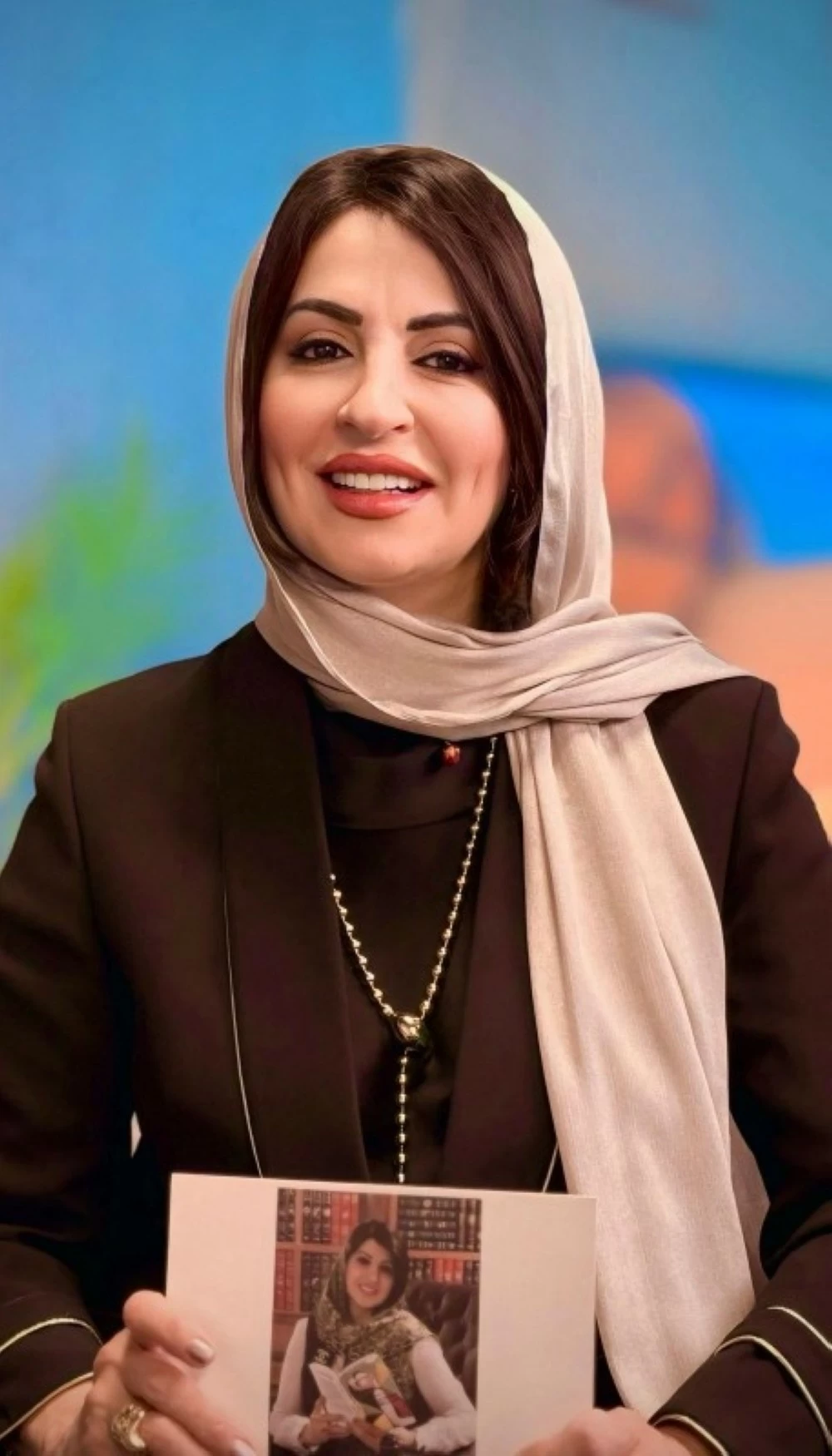
Menna Fadali: Details of the attempt to kidnap me and my stance on the nursing home
Egyptian artist Menna Fadali reveals for the first time that she was subjected to an armed kidnapping attempt, and how the experience prompted her to learn kickboxing, and explains her opinion on aging.

Menna Fadali reveals a shock that changed her life
In a poignant statement, prominent Egyptian actress Menna Fadali revealed details of a shocking incident she experienced years ago, when she narrowly escaped a kidnapping attempt by armed men. Fadali, known for her diverse roles in Egyptian cinema and television, confirmed that the incident left a profound psychological impact that continues to haunt her, noting that it radically altered her perspective on life and safety.
During a television interview, she explained that she was surprised to find armed individuals attempting to overpower her, which terrified her and caused her immense psychological distress. She described the details of that night as still haunting her whenever she recalls them, reflecting the profound trauma she experienced. This incident highlights the security challenges faced by celebrities and public figures, whose increased public profile makes them more vulnerable to such risks, thus sparking a broader discussion about privacy and personal safety in the age of fame.
From fear to strength: Kickboxing as a means of self-defense
Menna Fadali didn't let the fear instilled in her by the experience stop her; instead, she decided to transform this negative feeling into a positive motivator. She indicated that this incident was the direct reason behind her decision to learn kickboxing. She emphasized that mastering self-defense wasn't just a hobby, but a means to enhance her sense of security and self-confidence, and to empower her to protect herself in difficult situations. This transformation reflects a powerful message about women's empowerment and the importance of possessing the necessary tools for self-defense, a topic that resonates widely both locally and regionally, as calls increase to raise women's awareness of their rights and their ability to confront violence.
A philosophical view of aging and the concept of nursing homes
In another part of her interview, Menna Fadali addressed her perspective on aging, emphasizing that she does not fear this natural stage of life. She believes that changes in appearance and the appearance of wrinkles are signs that reflect a person's journey and experiences. Regarding the idea of living in a nursing home in the future, she explained that she is not considering this option, justifying this by saying that she is accustomed to solitude and feels self-sufficient and emotionally fulfilled. This opinion touches on an important social and cultural issue in the Arab world, where the idea of nursing homes is still associated negatively in the minds of many, while others see it as a choice for independence in old age. Fadali's remarks open the door to a societal discussion about the changing family and social values with the evolution of lifestyles.
She concluded her speech with a calm, philosophical view of life and death, stressing that the idea of death does not frighten her, and that what concerns her most is achieving inner peace, living with purity and a clear heart, and being careful not to harm others, which reflects a depth in her personality that transcends the spotlight and fame.
-

 Local News 4 days ago
Landslide in Riyadh: Details of the incident in Al-Sahafa neighborhood and containment efforts
-
 Local News 5 days ago
The death penalty was carried out against a citizen who stabbed another to death in Tabuk
-
 Culture and Art, 1 week ago
Ramez Galal in Ramadan 2026: Details of the bloody prank show
-

 Local News 6 days ago
First birth on the Riyadh train: A heartwarming story at Andalus station
-

 Local News 4 days ago
Riyadh collapse: Emergency plans to secure water after a main pipeline burst
-

 Culture and Art 4 days ago
Haifa Wehbe's absence in Riyadh: A photo crisis or a strained relationship with the media?
-
 Culture and Art 4 days ago
City Kitchen series: A drama of conflict and the middle class during Ramadan
-

 Culture and Art 4 days ago
The series "Kasra": Dawood Hussein in a moving social drama this Ramadan