
Culture and Art
Mohamed Fadl Shaker reveals details of his dispute with Ragheb Alama
Artistic feuds reignite between the families of Ragheb Alama and Fadl Shaker, with Mohamed Fadl Shaker igniting tensions with a strongly worded message. Discover the intriguing details in our article.


The feud between the families of Ragheb Alama and Fadl Shaker reignites: a never-ending story
In the world of art, where the spotlight shines and cameras are ever-watchful, feuds between artistic families resurface like endless episodes of a drama series. This time, the spotlight is back on an old feud between the families of renowned Lebanese artist Ragheb Alama and the controversial artist Fadel Shaker .
A strongly worded message from Fadel Shaker's son
In a bold move, Mohammed Fadl Shaker, son of the artist Fadl Shaker, posted a video on his personal Instagram account, in which he delivered a public and sharp message directed at Ragheb Alama. The video was not merely a defense of his father, but a cry of resentment against the ongoing attacks Fadl has faced for years.
Mohammad clearly expressed his frustration with Ragheb's recent statements regarding the infamous arms case in which his father was implicated. He emphasized that his family was ready to move on from the dispute, but these new statements have reignited the conflict.
A systematic campaign or a misunderstanding?
Mohammad points to what he describes as a "systematic campaign" against his father, led by some Lebanese artists and media figures. Despite this, he affirms that his father is open to reconciliation with Ragheb Alama, despite the ongoing attacks against him over the past 13 years.
“I contacted close associates to resolve the dispute,” Mohammed says in the video, adding, “Despite your defamation of my father, we agreed to move on.” But it seems that new statements regarding the gun issue have brought things back to square one.
Audio recording: reigniting controversy
Among the controversial issues Mohammed addressed in the video was an audio recording that recently resurfaced on social media. He explained that it was seven years old and that its republication was solely intended to reignite the controversy.
Focus on art and family
Mohammed concluded by noting that his father is currently focused on his art and family, believing that the truth will one day come to light and his innocence will be proven to all those who wronged him over the years. He eagerly awaits the moment he can return to his audience with confidence and strength.
“Ultimately,” says Mohammad, “we are here to live our lives and create in our art .” And as this new chapter of Lebanese family drama continues to unfold, the audience remains eagerly following every development.


Culture and Art
Boussy Shalaby and Nelly Karim in the series "Ala Ad El Hob" (As Much as Love) Ramadan 2026
Boussy Shalaby joins the cast of the series "Ala Ad El Hob" (As Much as Love) alongside Nelly Karim and Sherif Salama. Learn about her role and behind-the-scenes details of filming at the Prince Taz Palace in preparation for Ramadan 2026.
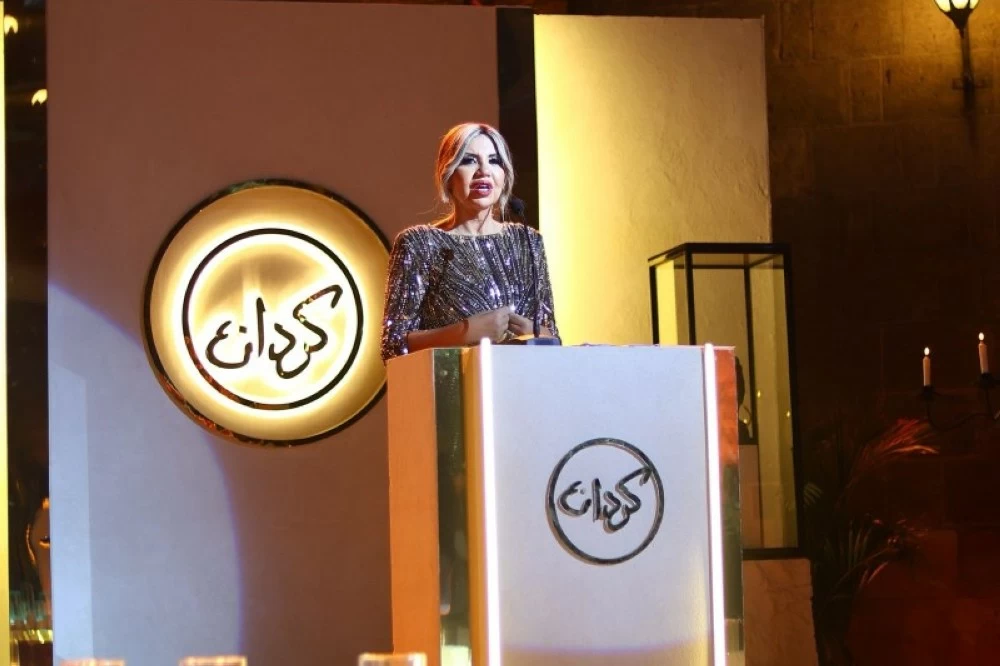
In a new move that reinforces the exciting overlap between the world of media and television drama, it was officially announced that the famous Egyptian media personality Boussy Shalaby the cast of the series “Ala Ad El Hob” (As Much as Love), which is scheduled to be shown during the Ramadan marathon of 2026. This work brings together a selection of top stars, most notably the star Nelly Karim and the artist Sherif Salama, making it one of the most anticipated works of the next season.
Details of Boussy Shalaby's participation and the anticipated role
Boussy Shalaby's participation in the series is not merely as a guest star, but as a pivotal figure in the plot, portraying a character closely resembling her own personality. According to initial leaks from behind the scenes, Shalaby will appear in scenes covering a major event: the launch of a jewelry brand owned by the character "Maryam," played by Nelly Karim. This dramatic use of Shalaby's persona lends significant realism to the scenes, given her extensive experience covering festivals, artistic events, and fashion shows.
Behind the scenes of filming at Prince Taz Palace
Boussy Shalaby recently wrapped up filming her scenes, which took two full days, at the historic Prince Taz Palace in Cairo. The atmosphere on set was electric with enthusiasm and artistic collaboration, as she was joined in the scenes by Sherif Salama, Mahmoud El-Leithy, Maha Nassar, and Safaa El-Toukhy. The choice of Prince Taz Palace as the filming location reflects the creators' commitment to showcasing the palace's architectural and historical beauty, adding a rich visual dimension to the drama.
Nelly Karim and Sherif Salama: A promising duo
The series "Ala Ad El Hob" (As Much as Love) is set to reshape the Ramadan 2026 television landscape, with audiences eagerly anticipating the on-screen chemistry between Nelly Karim and Sherif Salama. Nelly Karim is known for her exceptional ability to seamlessly transition between tragedy and social drama, boasting a rich history of successful works that have explored women's and societal issues with depth. Meanwhile, Sherif Salama is enjoying a surge in his career following his recent successes, making their collaboration in this project, written by Mustafa Gamal Hashem and directed by Khaled Saeed, a highly anticipated event for both critics and viewers.
List of creators and participating stars
The series, produced by Sally Wali, consists of 30 episodes and will air on several Egyptian and Arab channels. It features a large cast of stars to ensure a diverse range of storylines, including:
- Ahmed Saeed Abdel Ghani
- Ahmed Majed
- Maha Nassar
- Mahmoud El Leithy
- Muhammad Abu Dawood
- Mohamed Ali Rizk
- Safaa Al-Toukhy
- Randa Ibrahim
This work is an important addition to the Ramadan 2026 season, as it combines social suspense, stories of rise, and intertwined human relationships, with a realistic touch brought about by the participation of public figures such as Boussy Shalaby.
Culture and Art
Karim Kassem in the Ramadan 2026 series "Immunity": Details of the character Mounem
Learn about Karim Qassem's role in the Ramadan 2026 series "Manaa". He plays the rebellious character of Mun'im, the brother of Hend Sabri, in a drama directed by Hussein Al-Manbawi.
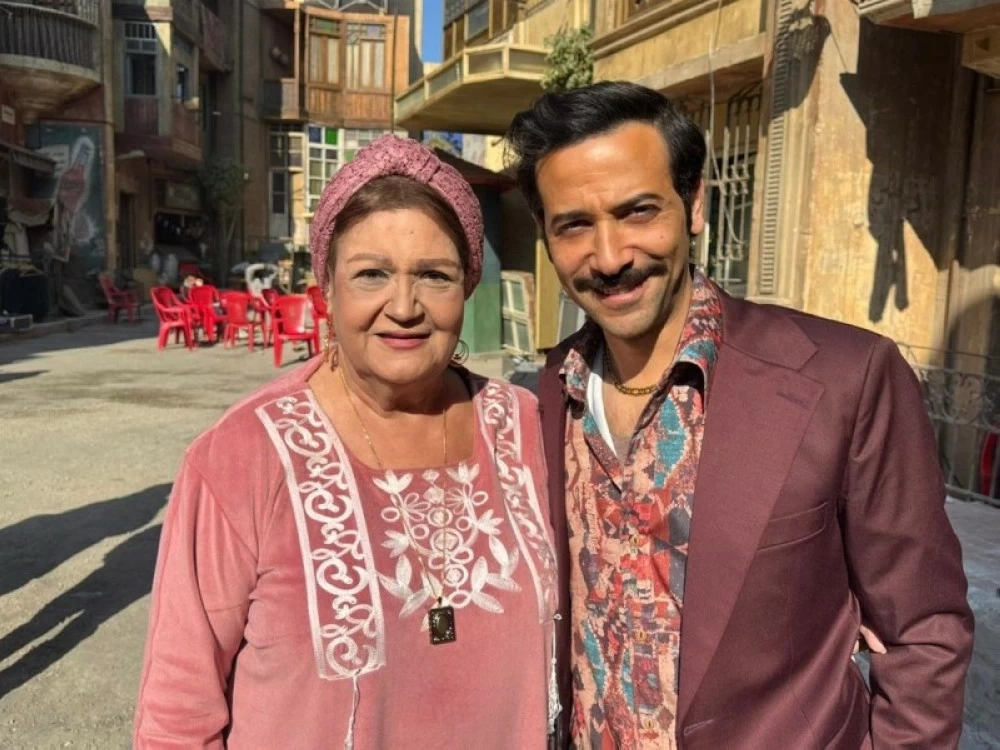
Young Egyptian actor Karim Kassem to enter the Ramadan drama competition in 2026 with his prominent role in the series "Mana'a" (Immunity). This project marks a new milestone in Kassem's career, as he takes on the unconventional character of "Moneim," a departure from the quiet or romantic roles audiences have come to expect from him in some of his previous work. This reflects his artistic maturity and his desire for continuous innovation.
Personal details of "Moneim": Rebellion and psychological complexes
Karim Kassem plays the role of "Moneim" in the series, the brother of the character portrayed by Tunisian star Hend Sabri . This character is extremely complex; he appears as a rebellious man whose behavior is often characterized by recklessness and impulsiveness. These actions not only reflect negatively on him but also affect those around him, particularly his sister, creating deep dramatic and psychological conflicts within the narrative structure of the work. Kassem explained that this role presents significant human and psychological challenges, requiring an exploration of the character's motivations to understand the reasons for his rebellion.
Formal and behavioral transformations to serve the role
In preparing for the role, Karim Kassem made significant changes to his appearance and body language to align with the rebellious nature of "Moneim." This commitment stems from an artistic school of thought Kassem believes in, one that emphasizes complete immersion in the role, a principle clearly evident in his previous work, which spans both independent and commercial cinema. The actor affirmed his consistent dedication to choosing roles that demand flexibility and adaptability, thus avoiding artistic stereotypes.
A strong team that enhances expectations
The series "Immunity" boasts a stellar cast, raising expectations for both critical and popular success. Based on a story by artist Abbas Abu El Hassan, with a screenplay and dialogue by the distinguished writer Amr El Daly, the series is directed by the creative Hussein El Manbawy , known for his stunning visuals and skillful direction of actors. Alongside Hend Sabry and Karim Kassem, the cast includes a constellation of stars such as Khaled Selim, Ahmed Khaled Saleh, the veteran Mimi Gamal, Huda El Etreby, and Maha Nassar. This artistic ensemble suggests a compelling social drama that could be the dark horse of the Ramadan 2026 season.
Parallel cinematic activity: Hepta 2
On the cinematic front, Karim Kassem is experiencing a period of artistic activity, having recently starred in the film "Hepta 2: The Final Debate." This film follows the resounding success of the first installment, adapted from the novel by Mohamed Sadek. The film boasts a large cast of A-list stars, including Menna Shalaby, Karim Fahmy, Mohamed Mamdouh, and Salma Abu Deif, and is directed by Hadi El Bagoury. This versatility in both television drama and film underscores Karim Kassem's commitment to maintaining a strong and influential presence in the Arab art scene.
Culture and Art
Liqaa El-Khamissi clarifies her stance on the hijab and retiring from art
Liqaa El-Khamissi reveals her opinion on the hijab and its relation to retiring from art, stressing that it is a behavior and not just an appearance, and she talks about the rules of acting and Hanan Turk’s experience in new statements.
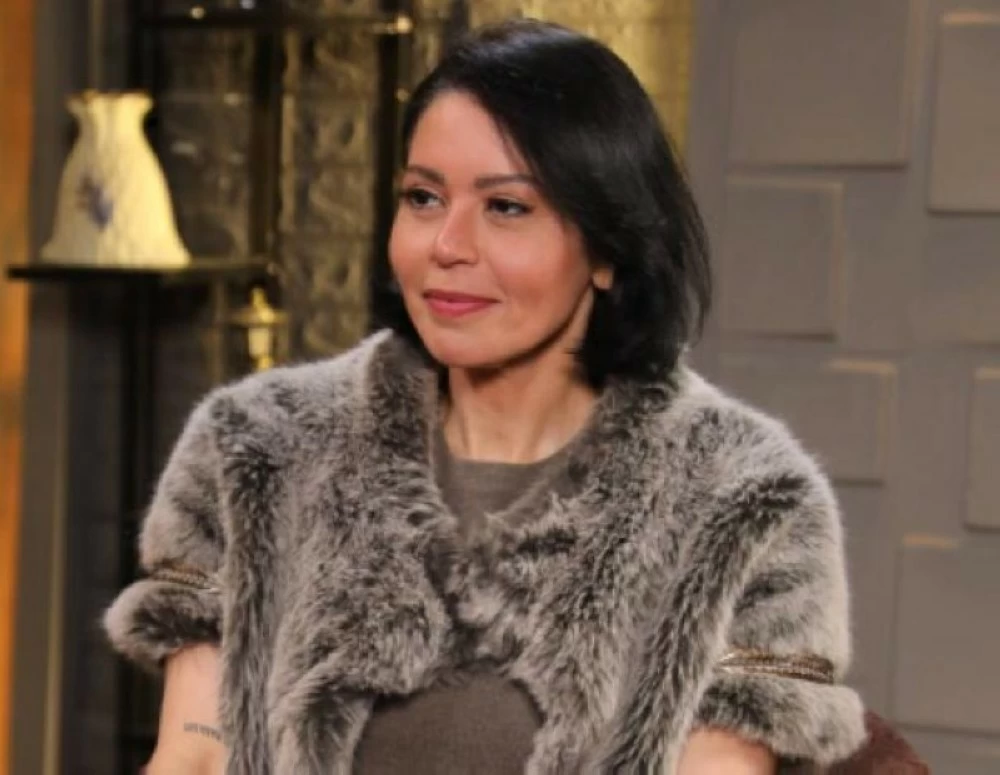
Egyptian artist Liqaa El-Khamissi sparked a wide debate in artistic and public circles after her recent statements in which she addressed the issue of the hijab and its relationship to artistic work, categorically denying that religious commitment or wearing the hijab is an inevitable reason for retiring from acting or staying away from the spotlight.
The concept of the hijab: between form and content
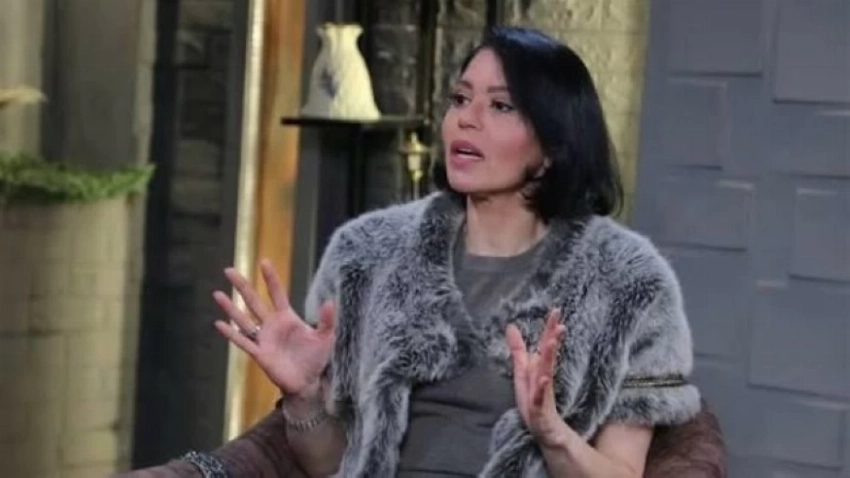
In a detailed television interview, Liqaa El-Khamissi presented her own perspective on the concept of hijab, emphasizing that its essence lies in "the veil of the mind and behavior" before it is merely a piece of cloth covering the hair. She explained that the primary purpose of hijab is modesty and covering the chest area, stressing that morals and human interactions are the true measure of piety, not just outward appearance. These statements come at a time when the debate surrounding the appearance of female artists and its relation to their level of religious commitment is constantly renewed.
The debate surrounding art and religious commitment
Al-Khamisi addressed a crucial point regarding the impact of the passing of colleagues in the artistic community on artists' decisions. She affirmed that death is inevitable, but it doesn't necessarily lead her to consider retiring from art, as she believes acting is an important and influential social message. She pointed out that Egyptian and Arab artistic history has witnessed numerous examples of actresses who were able to reconcile wearing the hijab with dramatic work by establishing specific guidelines for their performances, such as refraining from physical contact or scenes that might conflict with the nature of the hijab. This, she argued, proves that creativity can continue without compromising one's principles.
The historical context of the phenomenon of veiled female artists
Liqaa El-Khamissi's statements bring to mind an important era in the history of Egyptian cinema and drama. From the 1990s to the early 2000s, the artistic scene witnessed a wave of what became known as the "repentant actresses" or veiled actresses, some of whom retired permanently, while others returned to acting within the bounds of Islamic law. This context lends El-Khamissi's statements an added dimension, as she attempts to emphasize that art is not at odds with religion, and that talent can coexist with religious commitment.
Praising Hanan Turk's role model
In closing, Liqaa El-Khamissi made a point of mentioning the retired actress Hanan Turk as a respected and admired role model, noting that Turk's decision to wear the hijab and step away from the spotlight stemmed from a personal conviction worthy of respect. This stance underscores the importance of respecting the personal freedoms of artists, whether they choose to continue working in the arts within certain parameters or prefer to withdraw. She emphasized that an artist's true value lies in their creative contributions and the positive impact they have on the public.
-

 Culture and Art, 1 week ago
Yasser Galal and Radwa El Sherbiny: Details of a new artistic project that brings them together
-
Local news one week ago
Mohammed Al-Rasasmeh appointed as official spokesperson for the Ministry of Municipalities and Housing
-
Culture and Art, 1 week ago
Poster for the series "Two Others": Asser Yassin and Dina El Sherbiny in Ramadan
-
Politics, one week ago
German Chancellor Friedrich Merz departs Riyadh after an official visit
-
Local news one week ago
Saudi Arabia weather today: Thunderstorms and dust in 5 regions
-
Politics, one week ago
Faisal bin Farhan and Araqchi discuss regional security and developments
-
Politics, one week ago
The Crown Prince receives German Chancellor Friedrich Merz in Riyadh
-
Culture and Art, 1 week ago
Ask Your Soul series, Ramadan 2025: Story, cast, and broadcasting channels


