Culture and Art
Mohamed Ramadan invites a young Saudi man with disabilities to his concert in New York
Mohamed Ramadan adds a human touch to his New York concert by inviting a young Saudi man with disabilities. Discover the details of the touching encounter and its impact on hearts.

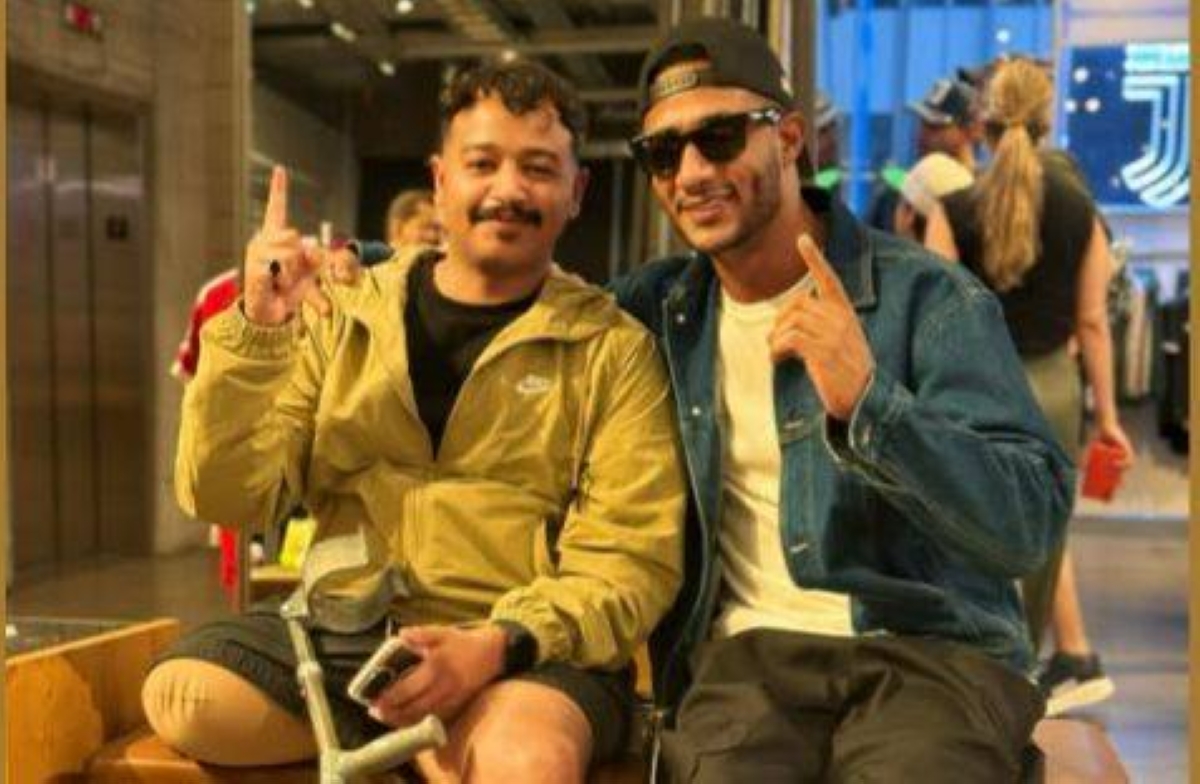
Mohamed Ramadan: A humanitarian gesture in the heart of New York
In a heartwarming and compassionate gesture, Egyptian star Mohamed Ramadan decided to add a special touch to his highly anticipated concert at Madison Square Garden in New York. How? By inviting a young Saudi man with disabilities to be a special guest at this historic event.
A humanitarian appeal for a young man with disabilities
Mohamed Ramadan shared details of his spontaneous encounter with the young Saudi man on his official Facebook page, describing him as an inspiring example of strength and resilience. It was as if fate had brought them together to reveal an inspiring story demonstrating how determination can overcome any obstacle.
Ramadan said with a broad smile, "I decided that my gift to him would be to share this historic moment as the first Egyptian artist to sing on the most famous stage in the United States. What a moment that will remain etched in the young man's memory forever!"
Mohamed Ramadan: My audience is the secret to my success
With humility and gratitude, Ramadan affirmed that his success and reaching this stage were thanks first and foremost to God, and then to the support of his loyal fans. He considers this participation an honor for all his Arab fans who always support him and stand by him every step of the way.
It's as if he's saying to his audience: "You are the real heroes who stand behind the curtain.".
Event details and ticket prices
Now let's talk about the big event! Mohamed Ramadan is the first Egyptian artist to perform at the iconic Madison Square Garden. Organizers have previously announced ticket prices ranging from $99.70 to $324, depending on the seating category.
If you plan to attend this unique event, be sure to book your seat early to be part of this historic moment!
In conclusion:
As we eagerly await this wonderful concert, we can't help but feel immense pride in this artist who never forgets his fans and never hesitates to offer support and inspiration to those around him. He truly is a role model!


Culture and Art
Fares Al-Bahri reveals the truth about the third part of Al-A'sha Street
Artist Fares Al-Bahri reveals the truth about the production of a third part of the series "Al-A'sha Street", and talks about the development of Riyad's character in the second season, behind-the-scenes of filming, and the challenges of the dialect.

Artist Fares Al-Bahri settled the controversy surrounding the existence of a third part of the famous Saudi series “Al-A’sha Street”, while revealing detailed information about the development of the character “Riyadh”, which he portrayed in the second season, and which left a clear mark on the audience and critics alike.
Dramatic development and depth of performance
In an exclusive interview with Okaz, Al-Bahri explained that the second season of the series marked a turning point in the character of Riyad. His appearances were no longer limited to fleeting moments; the script delved into the depths of his psyche, exploring the internal conflicts he faced. He noted that the audience reacted strongly to the scenes that reflected the tension and conflicting emotions, particularly Riyad's desperate attempts to balance his love for Muzna with his life responsibilities and frequent travel, adding a realistic dimension that resonated deeply with viewers.
The artistic context and development of Saudi drama
The success of the series "Al-A'sha Street" comes at a time when Saudi drama is experiencing an unprecedented renaissance, with artistic works increasingly focused on documenting different historical periods of Saudi society in a style that blends nostalgia for the past with high-quality modern productions. This series serves as a model for works that pay close attention to the intricate details of social life during those eras, making it an important visual document for new generations and a significant milestone in the regional competition among Gulf productions, which have come to dominate the Arab artistic scene.
Special touches and dialect challenges
Regarding the technical aspects, Fares Al-Bahri revealed that he made some minor adjustments to the script for the second season in agreement with the director, to ensure the performances were more spontaneous and believable without compromising the dramatic structure of the story. Al-Bahri also touched on a crucial point concerning dialect, noting that the character of "Riyad" maintained a unique blend of the original Palestinian dialect with touches of the Saudi dialect, reflecting the cultural and social diversity of that era. This blend has generated positive discussion and acclaim since the first season.
Behind the scenes of filming and the fate of season three
Regarding the work environment, Al-Bahri described the atmosphere behind the scenes as one of camaraderie, where professional relationships blossomed into strong friendships, which was reflected positively on screen. He noted that the biggest challenge lay in the final ten episodes, which required deep psychological and mental preparation for the characters just 24 hours before filming, placing the actors under immense pressure to deliver their best performances.
Regarding the rumors circulating about the production of a third part, Al-Bahri confirmed that there is no official confirmation at this moment, stressing that the criterion for participation for him and his colleagues remains dependent on the quality of the script and the direction of character development, to ensure the continuation of the success achieved in the previous two seasons.
Culture and Art
Tariq Al-Desouki returns to drama with the Ali Clay series after a 14-year absence
After an absence of 14 years, artist Tariq Al-Desouki returns to Ramadan drama through the series Ali Clay, revealing the reasons for his long absence, his rejection of vulgarity, and details of his new character.
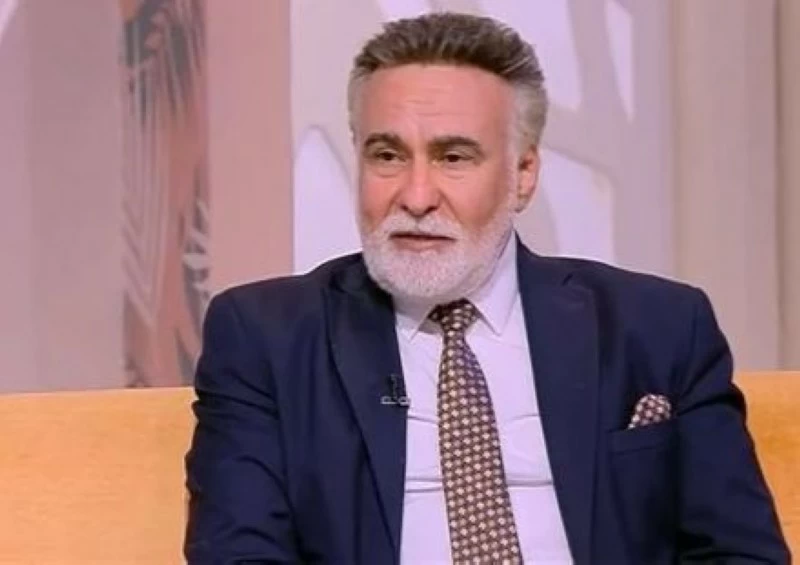
In a move long awaited by Egyptian and Arab audiences, veteran actor Tarek El-Desouky announced his strong return to television drama this Ramadan season, through his participation in the series "Ali Clay." El-Desouky described this return as a "new artistic birth" in his illustrious career, emphasizing that the project rekindled his passion for acting after years of self-imposed absence.
Hesitation before making a decision... and the bet is on the text
In an exclusive interview with Okaz newspaper, Al-Desouki revealed the behind-the-scenes details of his joining the project, explaining that he initially felt considerable hesitation. His concern stemmed from the series' popular appeal, as he feared it might fall into the category of works relying on cheap sensationalism. To resolve his hesitation, Al-Desouki stipulated that he read 15 complete episodes before giving his final approval. The outcome was reassuring; he found a well-rounded script that presented a dignified, socially relevant, and popular drama, one that respected the viewer's intelligence and lived reality, and completely avoided the vulgarity he has always opposed.
Mansour Al-Gohary: The Challenge of a Complex Personality
Regarding the nature of his role, El-Desouky explained that he portrays the character of "Mansour El-Gohary," describing it as one of the most challenging characters he has ever played due to its psychological and dramatic complexities. To ensure the character's optimal portrayal, the actor held intensive and lengthy workshops with director Mohamed Abdel Salam, during which all details concerning the character's external appearance and internal dimensions were finalized. This reflects the production team's commitment to delivering a work of art worthy of the history of Egyptian drama.
The context of absence: Preserving identity and values
Tarek El-Desouky's absence, which lasted for more than 14 years, specifically since 2011, was not a coincidence or due to a lack of offers, but rather a firm, principled stance. That period witnessed radical shifts in the drama industry, with a surge of works focusing on excessive violence, thuggery, and vulgar language. El-Desouky saw this as a departure from authentic Egyptian identity and deeply rooted societal values. The artist preferred to remain in the shadows rather than participate in works that lacked a meaningful message or contributed to building awareness, holding fast to his legacy, rich with social, historical, and religious works that shaped the conscience of an entire generation.
The importance of the comeback and its impact on the art scene
The return of an artist of Tarek El-Desouky's stature is particularly significant at this time, as it signals the beginning of a recovery for television drama and its return to a path that balances entertainment with a meaningful message. The presence of such prominent figures in modern dramas lends them artistic weight and credibility with the audience, and also contributes to the transfer of experience to new generations of actors. The series "Ali Clay" represents a meeting point between the pioneering generation and the younger generation, promising a rich drama season that will restore Egyptian drama to its former glory.
Culture and Art
Bassem Samra: Mohamed Ramadan's songs don't impress me, and Wegz is the best
Bassem Samra sparks controversy with his opinion on Mohamed Ramadan’s songs and the title of Number One, and declares his bias towards Wegz’s music, clarifying the truth about his attack on the children of artists in bold statements.
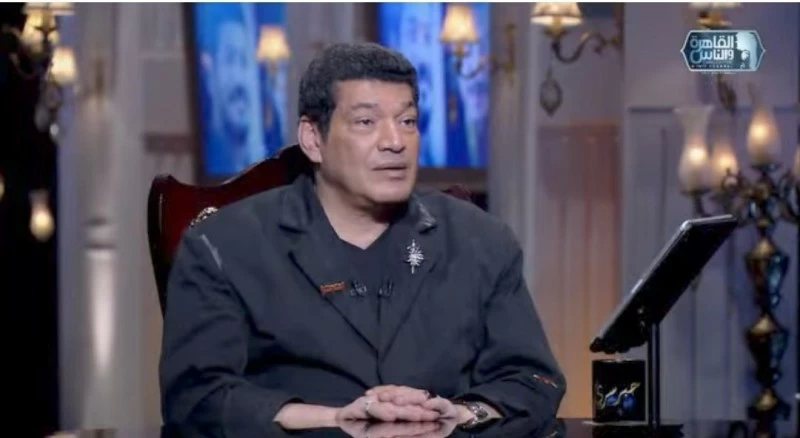
Egyptian artist Bassem Samra a positive debate in artistic circles and on social media, following his recent statements, which were characterized by his usual frankness, as he addressed the phenomenon of artist Mohamed Ramadan , his stance on rap music, and specifically his experience with the young singer Wegz .
A clear stance on "Number One"
In recent television interviews, Bassem Samra affirmed that Mohamed Ramadan possesses undeniable acting talent, highlighting his ability to diversify between acting, producing, and directing. However, Samra drew a clear distinction between his admiration for Ramadan the actor and his opinion of Ramadan the singer. Samra stated unequivocally, "I'm not convinced by his songs, and I don't follow them. The 'number one' concept and all that doesn't appeal to me, and I don't enjoy listening to them.".
This statement comes in the context of the ongoing controversy in the Egyptian street regarding the type of songs presented by Mohamed Ramadan, which often rely on showmanship and talking about oneself, a style that has achieved great popular success but faces criticism from some artists and critics who see it as a departure from traditional music.
Bias towards rap music and Wegz's experience
In contrast to his stance on Ramadan songs, Bassem Samra expressed great admiration for the work of Egyptian rapper Wegz . Samra explained that what attracts him to Wegz is the "honesty" in the lyrics and themes he addresses, noting that his songs carry national and social messages that resonate with reality.
This opinion reflects a remarkable shift in the taste of a large segment of the public and established artists towards rap music, which has become the leading music scene in Egypt and the Arab region, where Wegz has succeeded in imposing his musical style to be a voice expressing the new generation, which Bassem Samra has picked up with his artistic sense, confirming his respect for this bold experience.
The truth about the attack on the children of artists
In another context, Bassem Samra clarified his stance on the issue of "inheriting art" or the entry of artists' children into the field. Samra denied any intention of attacking them, explaining that his previous remarks had been misinterpreted. He pointed out that artists' children may indeed have easier access to opportunities due to their family connections, which is a reality, but he doesn't see this as a problem as long as the talent is there.
He added that he deals with them very professionally, putting the interest of the artwork above all considerations, and stressing that “honesty with oneself” is the true standard for success and continuity, and that the public is the final judge in accepting or rejecting the artist, regardless of his family background.
Samra concluded his remarks by emphasizing his great confidence in himself and his talent, noting that he does not seek to claim perfection, but rather focuses on presenting roles that leave a mark on the viewer, considering the audience's love for his work to be the greatest reward he seeks.
-

 Local News 3 days ago
Saudi Arabia approves regulations for the continued presence of Gulf vehicles: duration and penalties
-
Local News 6 days ago
The Ministry of Interior begins procedures for a royal pardon for common law prisoners
-
Local news one day ago
Jeddah Airport alerts for travelers due to airspace closure and flight disruptions
-
Politics, one week ago
Trump plans to create a $2 billion alternative to the World Health Organization
-
Culture and Art, 1 week ago
Amr Diab appears with his four sons and a highly anticipated concert in Türkiye
-
 Local news one week ago
Three billion riyals deposited as Ramadan aid for social security beneficiaries
-
Local News 5 days ago
The deadline for property registration in Hail and Riyadh is Thursday
-
Local News 5 days ago
Under the patronage of the Minister of Information, an agreement was signed between the Ministry of Information and Waves Marketing Company