
Culture and Art
Mohamed Imam and the series "The King": Details of the biggest production in Ramadan 2026
Actor Mohamed Emam revealed details of his new series, "The King," for Ramadan 2026, describing it as the biggest Arab production. Learn about the cast and international filming locations.

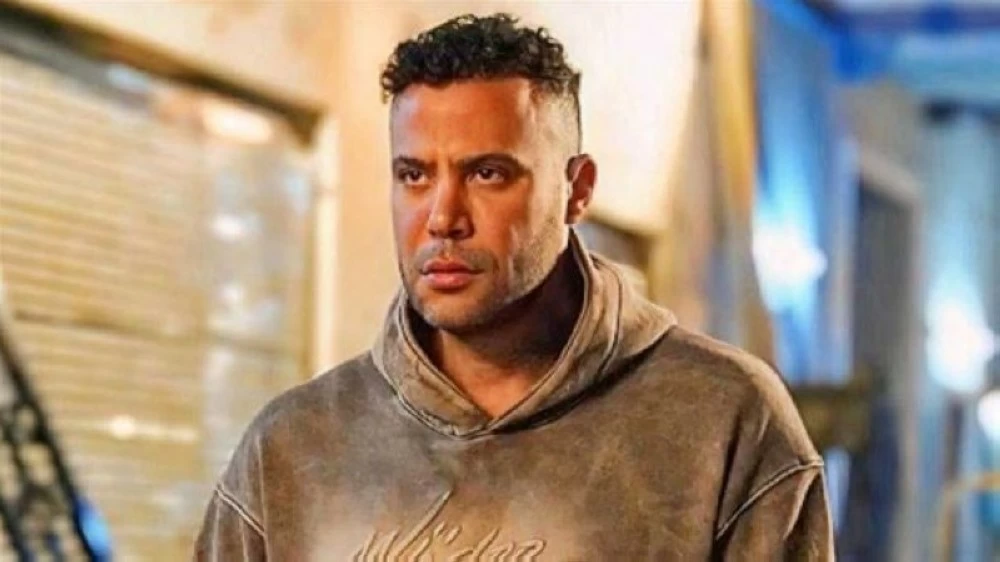
Mohamed Imam raises expectations with his new series "The King"
Egyptian actor Mohamed Imam announced details of his upcoming drama series, "The King," which is expected to be one of the most prominent works competing in the Ramadan 2026 season. In a post on his official Instagram account, Imam described the series as "one of the biggest Arab productions," which excited his followers and the Arab drama audience who eagerly await his work.
Background and context of the Ramadan competition
The Ramadan drama season is the most prominent artistic event in the Arab world, where major production companies and the brightest stars compete to capture viewers' attention. In this context, Mohamed Imam's announcement reinforces his position as one of the key stars in this annual competition. Over the past few years, Imam has successfully built a broad fan base through highly successful series such as "Al-Nimr" and "Cobra," which were distinguished by their blend of action, comedy, and social drama—a mix preferred by a wide segment of the audience.
A huge production and a distinguished crew
Imam's statements about the scale of the production weren't mere words; they were backed by the fact that the series was filmed in diverse international locations. The crew completed shooting exterior scenes in Malaysia before moving to Dubai to finish the remaining scenes. This geographical diversity suggests an ambitious visual vision and a substantial production budget, aiming to deliver a work of art that meets international standards. Imam expressed his gratitude to the cast and crew, thanking producer Abdullah Abu Al-Futouh for providing all the resources necessary to produce the series with the highest possible quality.
A team that combines experience and talent
The series stars Mohamed Imam alongside a host of other prominent actors, most notably Hanan Motawie, known for her complex and powerful roles, and Mirna Gamil, who has proven her talent in both comedy and drama. The cast also includes veteran actors Kamal Abu Raya and Hagag Abdel Azim. The series is written by Mohamed Salah El-Azab, who boasts a proven track record of successful works, while Sherine Adel, renowned for her ability to direct actors and deliver impactful social dramas, is behind the camera. This combination of talent raises expectations and promises a well-rounded production.
Importance and expected impact
The series "The King," a 30-episode social drama, is expected to achieve great success both locally and regionally. The presence of a star of Mohamed Imam's caliber, coupled with a large-scale production and a socially relevant storyline that resonates with audiences, makes it a strong contender for the top viewership ratings. Furthermore, its release on digital platforms in addition to television channels will contribute to reaching a wider audience worldwide, further strengthening the presence and reach of Egyptian drama on the international stage.


Culture and Art
City Kitchen series: A drama of conflict and the middle class during Ramadan
The audience is eagerly awaiting the series “City Kitchen” during Ramadan, a Syrian drama that brings together big stars to highlight the challenges of the middle class and deep human conflicts.
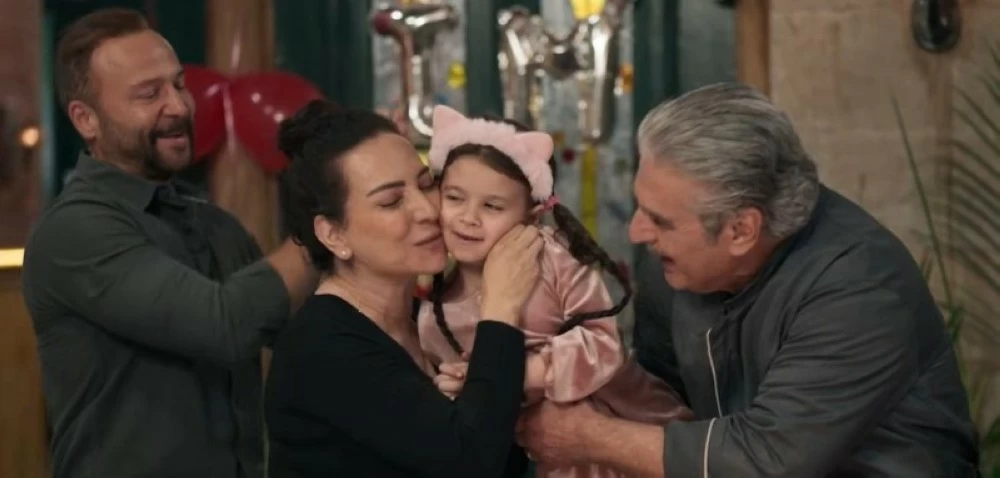
High anticipation for Ramadan's social dramas
As the Ramadan drama season approaches, attention turns to Syrian productions, which have long been distinguished by their social depth and ability to reflect reality. In this context, the series "Matbakh Al Madina" (City Kitchen) stands out as one of the most anticipated works, following a two-year preparation process that promises a well-rounded production capable of strongly competing in the Ramadan race.
Background and importance of Syrian drama
Historically, Syrian drama has held a prominent position in the Arab world, known for its boldness in addressing sensitive issues and tackling the challenges facing society. Works such as "Four Seasons" and "Birth from the Flank" cemented the image of Syrian drama as a mirror reflecting the concerns of the Arab citizen. "City Kitchen" comes to complete this legacy, focusing on the middle class, considered the backbone of any society, which has suffered harsh economic and social transformations in recent years, not only in Syria but also in many countries in the region.
Glimpses of the story and characters
The first promotional trailer for the series revealed glimpses of a dramatic story rich with intense human conflicts. The trailer presents complex and multifaceted characters, featuring veteran actor Abbas Al-Nouri as a chef who seems to harbor many secrets behind the walls of his kitchen. Meanwhile, Maxim Khalil portrays a character with harsh features, suggesting he will be at the center of violent conflicts. Actress Amal Arafa adds a poignant human dimension as a woman forced to send her children to beg, in a scene that encapsulates the harsh living conditions depicted in the series.
Importance and expected impact
The significance of "City Kitchen" lies in its ability to spark a broad societal dialogue on pressing issues. By highlighting the existential and ethical challenges faced by the middle class, the series offers material for reflection on concepts of resilience, sacrifice, and succumbing to pressure. It is expected to resonate widely with Arab audiences facing similar challenges, thus enhancing the series' regional impact and transforming it from mere entertainment into a dramatic document reflecting a harsh reality.
A constellation of stars behind and in front of the camera
The success of this project hinges on an exceptional team that combines experience and talent. The directorial reins are spearheaded by the innovative Rasha Sharbatji, known for her realistic style and her ability to guide actors, delivering impactful performances. The script is a collaborative effort between Ali Wajih and Saif Reda Hamed, two renowned names in screenwriting. This cohesive team is complemented by a constellation of Syria's brightest stars, including Abbas Al-Nouri, Maxim Khalil, and Amal Arafa, alongside Abdel Moneim Amayri, Fadi Sbeih, Khaled Al-Qish, and Mohammad Haddaqi, as well as promising young talents, guaranteeing a high-caliber performance.
Culture and Art
The series "Kasra": Dawood Hussein in a moving social drama this Ramadan
The audience is eagerly awaiting the series “Kasra” during Ramadan, in which Dawood Hussein plays a tragic role as a father suffering from the greed of his sons, in a work that sheds light on the conflicts of money and family.
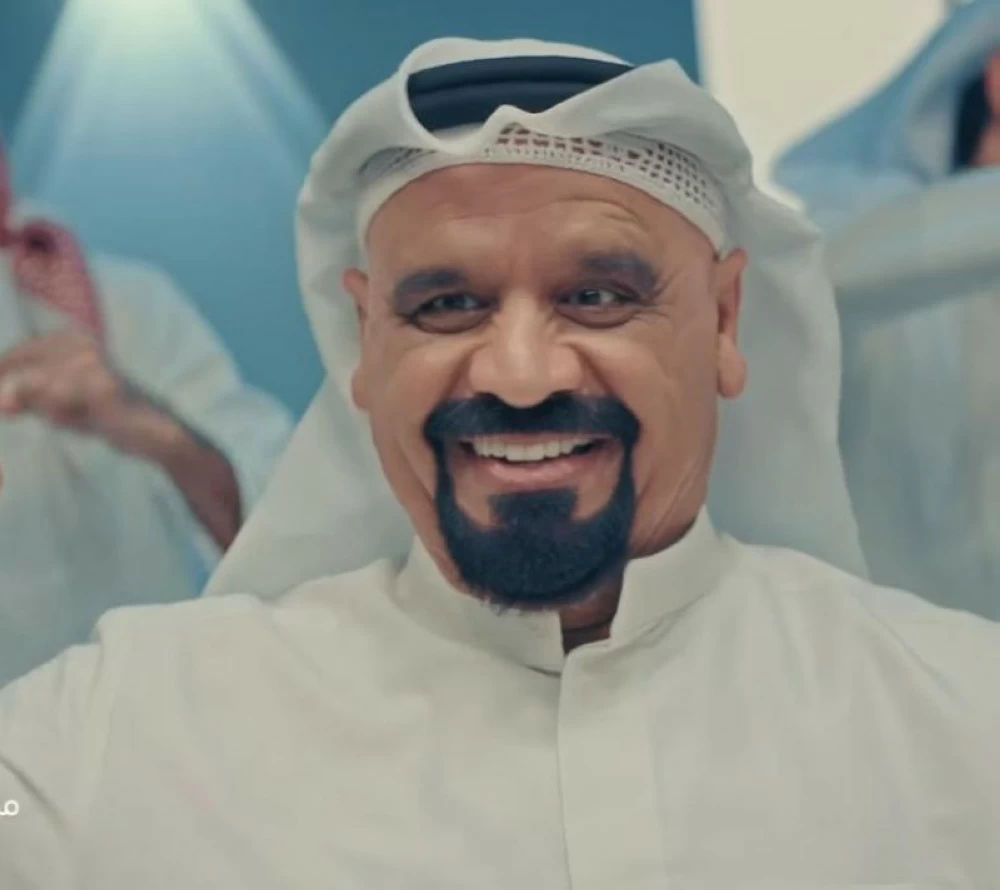
The teaser trailer for the series "Kasra" is generating anticipation
The production company behind the series "Kasra" has released the first teaser trailer for the show, which is scheduled to premiere exclusively during the upcoming Ramadan drama season. The trailer offers a first glimpse into a deeply human social drama centered on complex conflicts within a single family, where money becomes the primary driver of disputes and the source of fractured relationships, setting the stage for a story charged with emotion and poignant developments.
Dawood Hussein in a new tragic role
The series stars the esteemed Kuwaiti actor Dawood Hussein, who portrays a father suffering from the ingratitude and greed of his children. This role marks a continuation of Hussein's artistic transformation in recent years, as he has skillfully transitioned from the comedic roles for which he was known for decades to complex and multifaceted dramatic characters. This shift has garnered significant acclaim from critics and audiences alike, raising expectations for his performance in "Kasra," where he is anticipated to deliver a realistic portrayal of a grieving father that will resonate deeply with viewers.
Background and context of Gulf family dramas
The series "Kasra" falls within the context of Gulf drama, which often addresses family and social issues as the backbone of its works, especially during Ramadan. Themes such as generational conflict, the impact of sudden wealth on values, parental disrespect, and family disintegration have long been fertile ground for writers and directors in the Gulf. These works highlight the rapid social changes the region has witnessed and their impact on the fundamental unit of society: the family. "Kasra" is expected to add a new dimension to this theme through a realistic and distinct dramatic treatment, as described by the production company.
The importance and expected impact of the series
The series' significance lies in its exploration of a sensitive issue prevalent in many societies: the financial exploitation of parents by their children. This could spark a broader social debate about the values of filial piety and family responsibility. From an artistic perspective, the series presents a new challenge for its creators: to deliver a familiar story within a fresh and impactful framework, capable of competing strongly in the crowded Ramadan drama season. Furthermore, the presence of a stellar cast alongside Dawood Hussein, including Taif, Shawq Al-Hadi, Fahad Basem, Iman Faisal, and Nasser Abbas, guarantees strong performances and enhances the series' appeal to Gulf and Arab audiences.
Integrated team
Behind this work stands a cohesive team blending experience and youth. The story is written by Mohammed Al-Nashmi, and directed by Issa Diab. This creative duo, in collaboration with a distinguished cast, promises a rich dramatic experience that tackles a harsh social reality with impactful artistry, making it one of the most anticipated series of Ramadan.
Culture and Art
Haifa Wehbe's absence in Riyadh: A photo crisis or a strained relationship with the media?
The absence of artist Haifa Wehbe from the media at her concert in Riyadh has sparked widespread questions. Is it fear of the cameras or a problem in managing her relationship with the press?
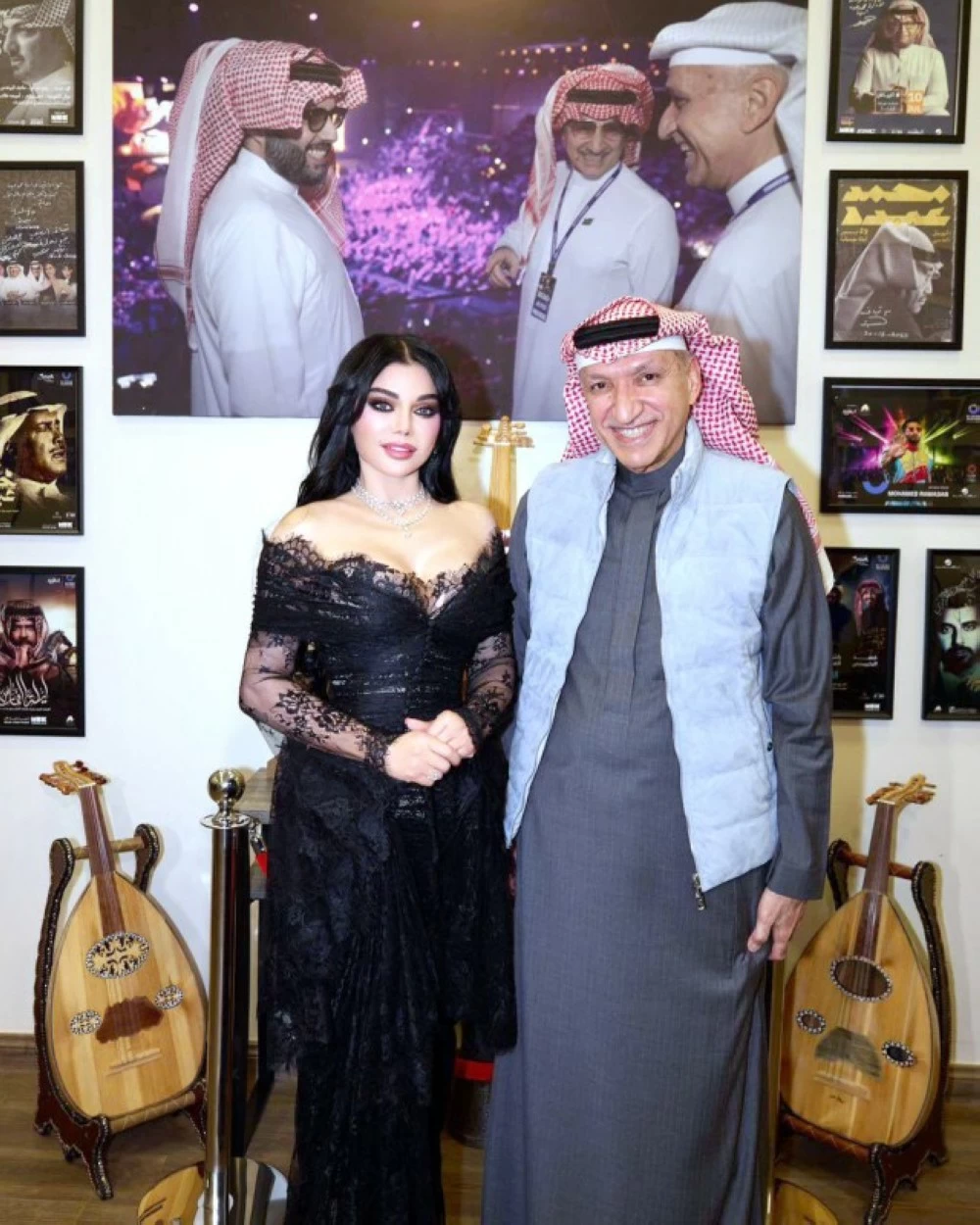
On a night meant to celebrate art and entertainment in the Saudi capital, Riyadh, the absence of artist Haifa Wehbe from her scheduled media appearance became an event in itself, sparking a storm of questions and criticism. It wasn't simply a cancellation of a routine interview; it became a symbol of the complex and ambiguous relationship between celebrities and media outlets, at a time when transparency and direct communication have become integral to the stardom industry.
This stance comes amidst a major cultural and artistic transformation underway in Saudi Arabia, as part of Vision 2030, which has positioned Riyadh as a premier destination for leading Arab and international artists. These massive events, such as the Riyadh Season concerts, are built not only on artistic performance but also on a comprehensive media system that ensures coverage, promotion, and a deeper connection with the audience. Therefore, the withdrawal of an artist of Haifa Wehbe's stature from a fundamental part of this system is not merely a personal decision, but rather a stance that reflects a disregard for established professional practices.
The controversy didn't stop at the issue of her absence; it deepened to include two main hypotheses. The first revolves around "avoiding confrontation," meaning avoiding potentially embarrassing questions or preempting any possible controversy. The second, and seemingly more prevalent, hypothesis is "fear of image," as high-resolution cameras and smartphones have become constant monitors of artists' appearances, and any less-than-perfect image could become fodder for bullying or ridicule on social media platforms. Haifa Wehbe's informal photos have previously been a subject of discussion, reinforcing this hypothesis for many.
What exacerbated the situation was the contrasting performance of artist Ahmed Saad that same night. Saad appeared before the journalists, answered questions confidently and calmly, and handled the cameras professionally. This stark contrast dispelled any doubts about organizational pressures or time constraints, confirming that the issue stemmed from each artist's personal approach to managing their image and relationship with the media. While Saad chose confrontation and asserted his presence, Wahbi's withdrawal seemed to leave a void that was filled with negative speculation.
The repercussions of this stance extend far beyond the night of the concert, impacting the artist's public image in Saudi Arabia and the wider Arab world. Despite the challenges of the digital age, the media remains a crucial partner in an artist's career, contributing to shaping the narrative surrounding them, documenting their successes, and providing a platform to connect with a broader audience. When a star chooses to turn their back on this partner, they risk losing control of their own narrative, leaving it vulnerable to interpretations that may ultimately prove detrimental.
-

 Local news one day ago
Landslide in Riyadh: Details of the incident in Al-Sahafa neighborhood and containment efforts
-
 Local news two days ago
The death penalty was carried out against a citizen who stabbed another to death in Tabuk
-
 Local News 21 hours ago
Riyadh collapse: Emergency plans to secure water after a main pipeline burst
-
Sports 17 hours ago
Controversy surrounds Al-Hilal's goal against Al-Riyadh: A refereeing expert reveals a major error
-
 Culture and Art 6 days ago
Ramez Galal in Ramadan 2026: Details of the bloody prank show
-
 Local News 3 days ago
First birth on the Riyadh train: A heartwarming story at Andalus station
-
Sports 20 hours ago
Al-Nassr's absences against Al-Taawon in the Roshan League and their impact on the team
-
 Culture and Art 15 hours ago
Haifa Wehbe's absence in Riyadh: A photo crisis or a strained relationship with the media?