Culture and Art
Mohamed Henedy: The truth about the death rumors and his stance on dubbing in Classical Arabic
Mohamed Henedy responds to rumors of his death that worried his family, reveals the reason for his refusal to dub cartoons in classical Arabic, adhering to the Egyptian dialect, and recounts the story of his rejection from the Police Academy.

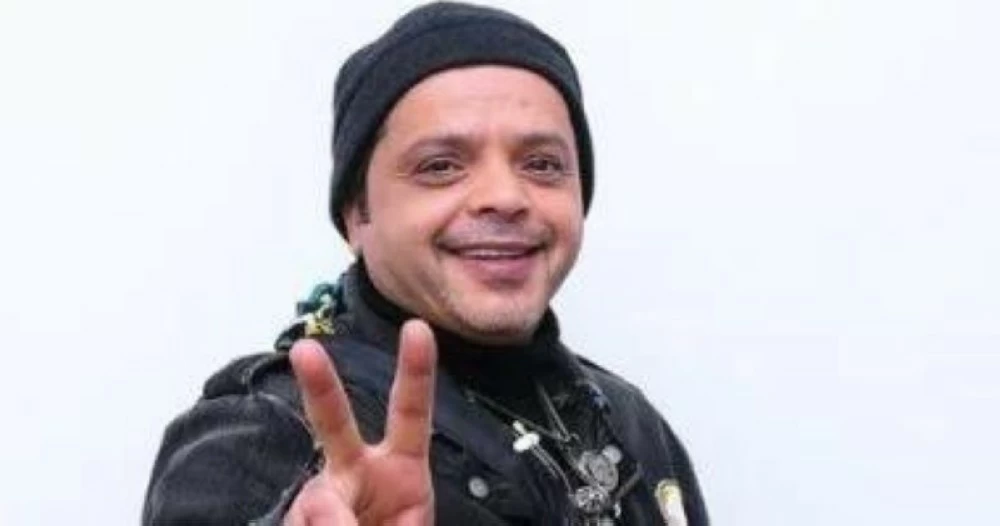
In a remarkable media appearance, Egyptian star Mohamed Henedy broke his silence to strongly respond to the series of rumors that have recently plagued him, addressing important artistic and cultural issues related to the identity of Arabic dubbing, in addition to revealing human aspects and funny situations from his eventful career.
The family's suffering with recurring death rumors
Actor Mohamed Henedy expressed his deep displeasure with the phenomenon of spreading death hoaxes that have become a systematic targeting of celebrities on social media platforms (trending). In his recent statements, Henedy explained that the matter has gone beyond mere amusement for him personally, becoming a source of psychological distress for his family. He pointed out that these false reports cause panic and terror for his daughters, wife, and close friends as soon as they circulate. He directed a harsh message of reproach to those who fabricate these lies, urging them to respect the sanctity of private life and the feelings of families negatively affected by these irresponsible actions.
The battle of identity: Egyptian dialect or Classical Arabic?
In a controversial artistic context that has sparked considerable debate in recent years, Mohamed Henedy has definitively settled the issue of dubbing animated films. The comedy star announced his complete refusal to participate in any dubbing projects that use Modern Standard Arabic instead of the Egyptian colloquial dialect. Henedy bases his opinion on a vast cultural heritage, emphasizing that Egyptian cinema, with its history spanning over 120 years, has made the Egyptian dialect understandable and beloved by all Arab peoples from the Atlantic to the Gulf.
Henedy's opinion carries particular weight given his long history with Disney, where his voice has shaped the consciousness of an entire generation of Arab children through iconic characters like Timon in "The Lion King" and Mike Wazowski in "Monsters, Inc." Observers and critics believe that Henedy's insistence on using colloquial Arabic reflects an awareness of the importance of Egyptian soft power, especially after the persistent public demands in recent years for Disney to return to dubbing in Egyptian Arabic, which is characterized by its humor and accessibility to Arab viewers, unlike the rigidity that can accompany Modern Standard Arabic in comedies.
Nostalgia for the nineties and memories of Alaa Wali El-Din
Leaving aside the controversial issues, Henedy reminisced about the good old days with his late friend and colleague, Alaa Wali El-Din, with whom he formed an unforgettable artistic duo at the beginning of the "New Comedians" era. Henedy recounted a humorous incident that occurred backstage when an angry man approached him, blaming him for the problems he faced due to their striking resemblance. It turned out that this was nothing more than a staged prank, revealing the spirit of humor and camaraderie that united his generation of artists.
The story of being rejected from the police academy: Every cloud has a silver lining
In a candid remark, Henedy spoke about his short stature, emphasizing that it never posed any psychological obstacle for him. On the contrary, he used it to his advantage, becoming a trademark in the world of comedy and breaking the traditional mold of the "heartthrob" in Egyptian cinema. He revealed the only time he wished he were taller: during his youthful application to the police academy. He recounted the details of his rejection due to his height, with the officer in charge telling him bluntly that his acceptance would require a "miracle." This rejection proved to be a turning point, leading him to pursue his studies at the Higher Institute of Theatrical Arts. The police force lost an officer, but the Arab world gained one of its most important comedy stars in modern history.


Culture and Art
Mohammed Omar: My voice is better than Mohammed Abdo's, and the story behind the song "Tadallal"
Artist Mohammed Omar revealed the details of his dispute with Mohammed Abdo over the song "Tadallal," asserting that his voice is stronger than that of the "Artist of the Arabs," who responded sarcastically to the comparison. Details of the heated exchange are available here.
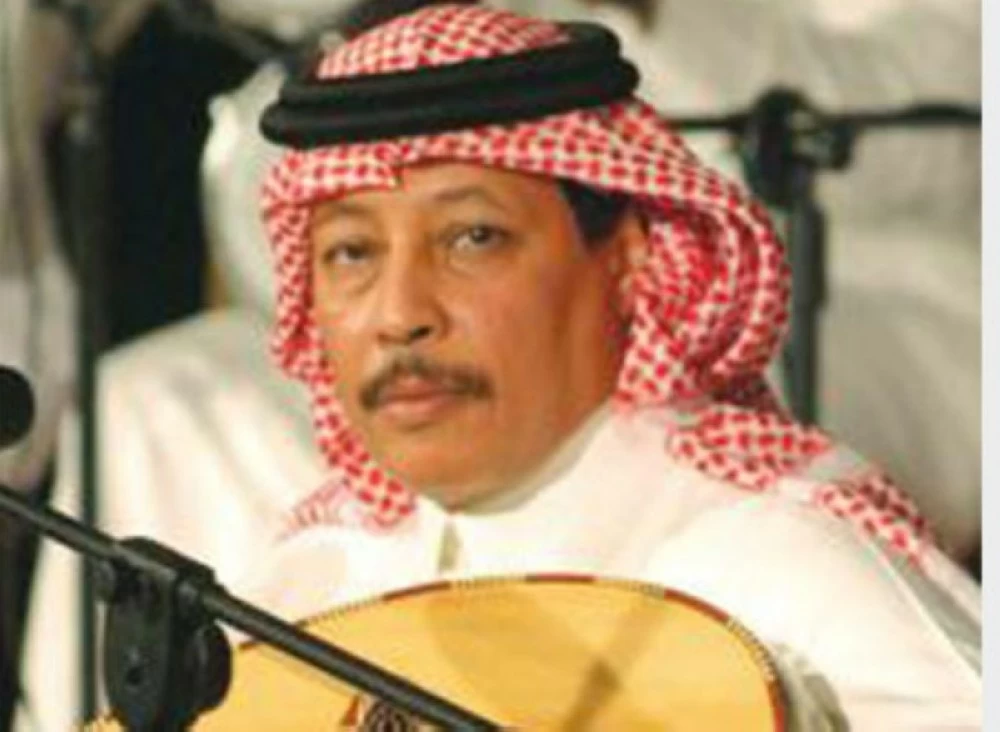
Mohammed Omar sparked widespread controversy in artistic and public circles following his recent fiery statements, revealing historical behind-the-scenes details about his collaboration with the Arab artist Mohammed Abdo , and pointing to details concerning his literary rights in one of the most famous Saudi songs.
The story behind the song “Tadallal” and the old dispute
During his appearance on the program "Where Are You?" on the "Cultural" channel, which focuses on highlighting artists who have withdrawn from the spotlight, Mohammed Omar made a startling revelation. He explained that he had memorized and recorded the famous song "Tadallal ," only to be surprised later to find it released on an official album by the artist Mohammed Abdu without any mention of his name or acknowledgment.
Omar expressed his strong displeasure with the Arab artist, saying: “I did not expect that Mohammed Abdo would release the song in the album without mentioning my name. It was a moral and artistic obligation for him to include my name, especially since the quality of the voice was so similar that the audience thought at the time that the voice belonged to Abu Noura himself.”.
“My voice is better”... a sarcastic response from Mohammed Abdo
The statements didn't stop at merely complaining about intellectual property rights; they went further, extending to artistic comparisons. Mohammed Omar confidently asserted that his voice was better and stronger than Mohammed Abdu's. He cited a past incident where some musicians and attendees conveyed to the "Artist of the Arabs" their opinion that Mohammed Omar's voice was superior in power.
According to Muhammad Omar’s account, this opinion caused Muhammad Abdo to be upset, and he responded at the time with a sarcastic and mocking phrase, saying: “How many tons?”, in an indication of his downplaying the standard of “voice power” as a measure of artistic superiority.
Mohammed Omar... one of the pillars of Saudi song
To understand the context of this controversy, one must revisit the history of the artist Mohammed Omar, considered one of the most prominent voices of the golden generation of Saudi song. Omar rose to prominence in the 1980s and 90s, presenting a collection of timeless works that shaped the consciousness of the Gulf listener, such as "I Loved the Letter 'Ain'" and "I Am the Promised One." Mohammed Omar was not merely a performer; he was a true rival to the giants of art during that era, distinguished by his melodious voice and exceptional ability to perform challenging musical scales, making comparisons between him and the pinnacles of Saudi art a legitimate point of reference in artistic criticism.
Competition in the Golden Age of Art
These statements open the door wide to recalling the vibrant artistic scene and the fierce competition that characterized the Saudi music scene. While Talal Maddah and Mohammed Abdu reigned supreme, other powerful voices like Mohammed Omar, Abdul Majeed Abdullah, and Rashed Al-Majed (in his early days) were striving to carve out their own niche. These forgotten stories, now coming to light through documentaries, reshape the public's understanding of the history of Saudi song, revealing a world full of details and situations previously unknown to the public. This lends significant historical and documentary value to such television interviews.
Culture and Art
Mohammed Omar: My voice is better than Mohammed Abdo's, and the story behind the song "Tadallal"
Artist Mohammed Omar reveals the behind-the-scenes story of the song "Tadallal" which Mohammed Abdo released in his album without mentioning his name, and confirms that his voice is stronger than that of the Artist of the Arabs, recounting the details of the artistic dispute.
The renowned Saudi artist Mohammed Omar a surprising revelation during his recent media appearance, disclosing behind-the-scenes stories and artistic secrets dating back many years, shared with his colleague, the legendary Mohammed Abdu . This came during his guest appearance on the program "Where Are You?" which airs on the "Cultural" channel, where the conversation touched on memories of a golden era and previously untold anecdotes from the Saudi art scene.
The story behind the song "Tadallal" and the controversy surrounding copyright
In detailing the incident, Mohammed Omar explained that the renowned Arab artist Mohammed Abdu used his voice in recording the famous song "Tadallal" and released it on one of his official albums without acknowledging Omar's name or respecting his intellectual property rights. Omar stated, "I memorized the song 'Tadallal,' then we recorded it, and it was indeed included on Mohammed Abdu's album. I never expected him to release the song on the album without mentioning my name.".
The veteran artist added, expressing his displeasure: “It was only right and fair to put my name on the work, especially since the audience at that time was confused and thought that the voice performing the song belonged to Abu Noura (Mohammed Abdo), while the performance was mine.”.
"My voice is better"... a sarcastic response from the Arab artist
The controversy didn't stop at the song's story; it extended to a comparison of the two stars' vocal abilities. Mohammed Omar recounted an incident that upset Mohammed Abdo, when some musicians and members of the audience frankly told him that "Mohammed Omar's voice is stronger than his." According to Omar's account, the "Artist of the Arabs" responded sarcastically, asking, "How many tons?"—a clear attempt to downplay the importance of vocal power.
Despite this, Mohammed Omar confidently affirmed during the meeting his adherence to his opinion, saying: "Yes, my voice is better than the voice of the Artist of the Arabs," a statement that reopened old artistic rivalry files between Saudi singing stars.
Historical context: The generation of giants and Saudi song
These statements shed light on a golden era in the history of Saudi art, a period that witnessed a rich and honorable competition among a number of prominent artists during the 1980s and 1990s. Mohammed Omar is considered one of the most prominent voices of that era, having collaborated with renowned composers such as Sami Ihsan and Siraj Omar, and producing masterpieces that remain etched in memory, such as "Ashaqt Harf Al-Ain" and "Ana Al-Maw'ud.".
In contrast, Mohammed Abdu reigns supreme in the world of Arabic song, holding the title "Artist of the Arabs," having enjoyed an exceptional artistic career spanning over five decades. Such stories are part of the oral history of the artistic movement in the Kingdom, revealing the nature of the relationships, collaborations, and sometimes silent disagreements that accompanied the rise of Saudi song and its spread throughout the Arab world.
The "Where Are You?" program is an important window to document the journey of pioneers who have moved away a little from the limelight, giving the public an opportunity to understand the historical contexts of timeless works, and to restore the reputation of names that contributed greatly to shaping the musical identity of the Kingdom of Saudi Arabia.
Culture and Art
Reem Mustafa's mother's funeral: The actress breaks down and stars attend
Details of Reem Mustafa's mother's funeral, attended by Ashraf Zaki and Youssef El Sherif. The actress broke down at the moment of farewell, and shared her moving message after her mother's passing following a battle with illness.
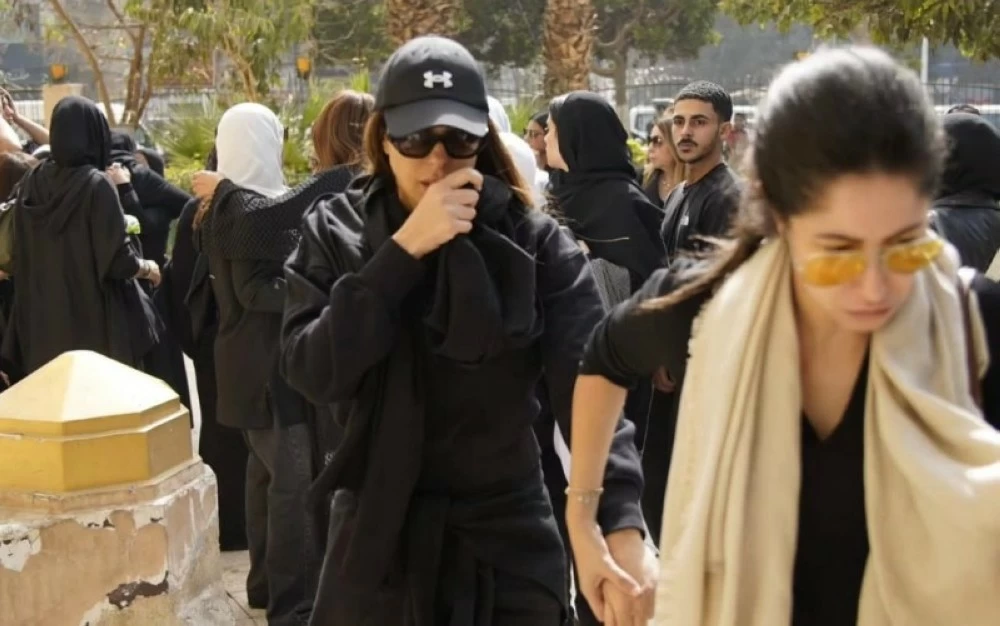
In an atmosphere of profound grief, Egyptian actress Reem Mustafa her mother, Mrs. Maysa Mahmoud Aziz Bahiri , to rest after funeral prayers at a mosque in the Giza district. The funeral procession was marked by poignant moments that reflected the deep bond between the actress and her late mother. Reem appeared completely distraught and wept uncontrollably, unable to contain her emotions as she accompanied the body.
The artistic community showed solidarity and support for colleagues
Reem Mustafa was not alone in her profound grief. A large number of Egyptian film and television stars made sure to attend to offer their condolences and support during this difficult time. This overwhelming turnout reflects the strong sense of unity and solidarity that characterizes the Egyptian artistic community during challenging times. Among those present was Dr. Ashraf Zaki , who consistently makes a point of being there for artists at their social events and offering them moral support.
Also present were star Youssef El Sherif , artist Ahmed Dawood , and a number of other colleagues and close friends, who surrounded Reem Mustafa in an attempt to alleviate the shock on her, stressing that they stood by her side in these difficult moments.
A struggle with illness and the end of a painful journey
The passing of Reem Mustafa's mother came after a long and arduous battle with illness, during which her health deteriorated significantly in recent times, requiring intensive medical care. She passed away last night, leaving behind a legacy of kindness and unforgettable memories for her family and fans. This is one of the most difficult periods the actress has faced, especially as she frequently spoke of her mother's influence and pivotal role in her personal and professional life.
A touching farewell message via Facebook
In her first statement following her mother's death, Reem Mustafa mourned her with heartbreaking words on her official Facebook page. She described her mother as her "support, strength, and safety," expressing the profound and devastating void she felt after her passing. Thousands of her followers and fans interacted with the post, offering prayers for the deceased and for the family's patience and solace.
Artistic activity and upcoming projects
On a professional level, despite this difficult personal situation, Reem Mustafa's name is linked to several major artistic projects. She is scheduled to participate in the 2026 Ramadan television season with the series "The Art of War ." This highly anticipated production will feature a stellar cast including Youssef El Sherif , Shery Adel, Islam Ibrahim, Dina Sami, Mohamed Gomaa, and Walid Fawaz. The series is written by Amr Samir Atef and directed by Mahmoud Abdel-Tawab. Audiences eagerly await Reem's performance in this new project, which is expected to be a significant addition to her artistic career.
-

 Local news one week ago
The Spears of Victory 2026 military exercises concluded in Saudi Arabia with international participation
-
Culture and Art 5 days ago
The "Between and Between" exhibition in Jeddah: 5 artists reshape Saudi memory
-
Culture and Art 6 days ago
Shakira's concert in Jeddah: Details of the international star's first concert in Saudi Arabia
-
Local News 3 days ago
Saudi Arabia's National Arabic Language Policy: 8 Principles to Promote Identity
-
Culture and Art, 1 week ago
The truth about Nancy Ajram's video and Epstein Island, and her legal response
-
Local news two days ago
Adopting the National Policy for the Arabic Language: Strengthening Identity and Vision 2030
-
Culture and Art, 1 week ago
Rawan Bin Hussain's first appearance after her imprisonment and deportation from Dubai
-
Local News 3 days ago
The Riyadh-Rin-Bisha dual carriageway, spanning 559 km, has been completed