Culture and Art
Mashael Abdullah: I write my poem to find balance and transcend absurdity
"It is truly amazing and different," I said when I read the first text by the poet Mashael Abdullah, through which I became acquainted with her poetic talent

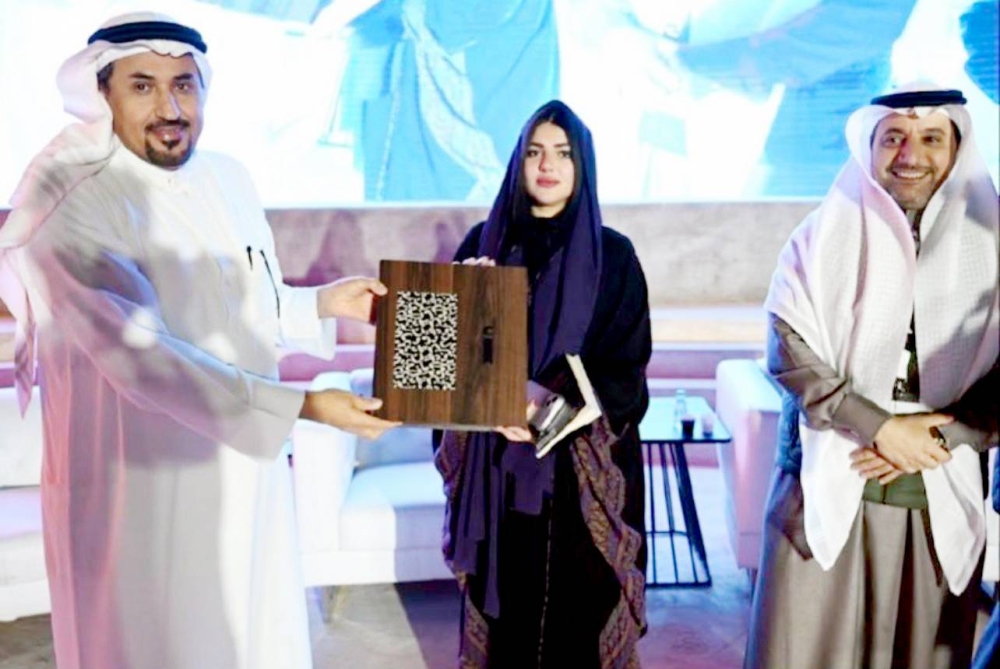
"Truly, she is amazing and different," I said when I read the first text by the poet Mashael Abdullah, through which I became acquainted with her poetic talent. With all the elements of captivating language, she is preoccupied only with her text, even if the space for the usual public appearances has diminished. Through this dialogue, the reader will discover how much culture, knowledge, broad horizons, and literary skill lie behind these responses. So, here is the text of the dialogue:
• The question that often comes to the forefront is: Where did the poet Mashael come from to poetry, and where did poetry come from to her?
One does not choose to be a poet, but one does choose to be a good poet or not. Poetry requires work, grasping meaning, paying attention to depth, and mastering language. “I write to live, to breathe, to save my life from futility,” says Aisha Al-Hajj, and I write to find balance, to escape the confines of time and swim in eternity. I write to reconnect with myself and to translate my soul.
I write to understand, to learn, to cancel the absurdity of life by documenting the moment and singing its praises. The essence of the poem is wonder.
• Who influenced you, especially since your poetry directs the pulse and awareness of taste towards it?
•• There are many influences that create the spirit of writing and poetry in a person.. starting from childhood to the surrounding environment, the first readings, and the first surgeries. Likewise, a person’s knowledge and awareness are nothing but the product of accumulated knowledge and feelings that leave their mark on him to make him what he is in the future or present; therefore, I cannot limit a specific influence that was the only one behind my literary production.
• What about the environment and its poetic qualities?
•• My early childhood in Mecca certainly played a major role. The geographical formation of Mecca and its mountains brought different families closer together. The cultural and social diversity that Mecca abounds in, being a religious city, and the interest in history, poetry, and literature in my home were all present. All of this formed part of my love for poetry and my interests.
My mother is a history teacher who loves poetry and sings it even in her reproaches, affection, and calling out to me.
My father, a mathematics teacher, was a true inspiration for me to write poetry; I wanted to impress him and draw his attention to his refined literary taste and discerning taste. All these factors contributed to shaping my soul as a poet.
• What challenges did you face on your journey? And how did you overcome the barrier of hesitation and doubt?
•• The first and constant challenge was facing my fears of writing... of being exposed... What if I were freed from the guilt complex, from the idea of perfection... from the anxiety of making mistakes... I remembered a quote by Nikita Gill in which she says:
“Before you ask her why she stayed, look at the way a caged bird sometimes refuses to leave, even if the cage door is wide open, and you call to it gently, trying to get it out of its prison to set it free. Perhaps then you will understand.”.
The artist is in a constant battle with anxiety and the desire to be seen and to disappear completely at the same time. This sensitivity is what connects you to the world of fragility that creates art.
• To whom do you owe your poetic talent?
Life, with all its ups and downs and experiences, is a product of our own experiences and accumulated wisdom. We divide our living selves into the texts we write, and we diminish accordingly. However, not everything we write is a product of real events that affect us personally, as much as we see and experience them in the lives of others. The poet is connected to feeling; therefore, he must capture details, immerse himself in attention, and embrace freedom, and be embraced by it. A poet who aspires to greatness cannot confine his imagination, nor can an imagination that aspires to greatness reject freedom.
• Between classical, free verse, and prose poetry, where do you find yourself?
•• As I write classical, prose, and free verse, and I consider them all to be poetry, I do not adhere to a specific style and defend it, but rather I enjoy what other poets write in prose poems and other forms, as Yves Bonnefoy says: “Poetry is not the use of language, but perhaps madness in the heart of language.”.
This requires the writer to be flexible, and I love this freedom; therefore, I find myself in the moment when the poem writes me in whatever form it wants.
When do you write the text? And do you write it all at once?
•• My texts often choose their time. I cannot force a text to come out because it will not be as I wanted it to be. The distance between what we want to say and what we truly want widens with such coercion. Therefore, texts choose their time according to feeling, experience, and the desire to say something. As for working on the text and reviewing it, this naturally comes after it has been written and its boundaries drawn, as is the nature of writing in every matter.
Who are Mashael Abdullah's competitors? And who are her rivals?
•• I have no desire to compete with anyone, and I do not see poetry as a field for competition and racing. Rather, it is your inner voice, your visions, and your desire to pursue the light. The poet searches for himself in his battle with existence, wanting for himself a position within himself and within the world.
Why is your attendance so limited?
There is negligence on my part and on the part of the literary authorities. As for me, I am perhaps the one who most avoids such events and participations, even though I know their importance and impact on others. However, the idea of reading my poems aloud is very sensitive, and I feel uneasy trying to share what I write aloud with others. I am still trying to step outside my comfort zone and connect with readers with a more confident approach. We can all agree that recitation and the poet's immersion in the text imbue it with a spirit that allows the listener to grasp the emotion and connect with the idea more quickly and perhaps more deeply than through reading it. However, this doesn't make it a standard for determining the aesthetic value of poetry, critically speaking. Furthermore, I believe that the traditional method of reciting and conveying poetry no longer attracts an audience thirsty for creativity and wonder in today's fast-paced world.
•Have you planned a poetry project that will span decades?
Poetry is a spirit that clothes its owner, and his identity from which he derives his steadfastness. It accompanies me in my work in the film industry as a screenwriter, in my hobby as a visual artist, and in my personal life as a teacher, friend, and sister. Therefore, it is said that a poet stops writing when reality triumphs over the magic in his soul.
The poet Mallarmé says: This is the obsession of all poets... Perhaps some poets see stopping the writing of poetry as a predicament or a crisis, and perhaps others see it as part of the writing itself.
Just like Paul Valéry, who remained silent for about 15 years and then returned to write his wonderful long poem (The Young Park).
• How many releases have you made?
•• I have a collection of poems entitled “Out of Time”, and another one that I am about to publish soon.
• Did any of them receive any recognition or awards?
•• My first collection of poems won the Abu al-Qasim al-Shabbi Prize in Tunisia.
What are you worried about, both artistically and emotionally?
We can say that anxiety is the offering of poetry. Anxiety is the primary driver of creativity. The complacent do not write. Art in general, including poetry, imitates the sensory world. I cannot recall a single day when poetry did not affect my soul, shape my day, and help me achieve inner balance. As an art form, it will continue to serve humanity's constant need for self-expression, attempts to change reality, and the promotion of causes and principles. Poetry will not lose its importance as long as humanity's natural need for expression persists. However, as I see it, it may take on other forms depending on the nature of life and the general atmosphere surrounding the poem. Poetry has come to revolve often around the self, philosophy, and the attempt to deconstruct, analyze, and construct ideas. It seeks to read the world through a multi-dimensional lens and explore how humanity can overcome its inner alienation and find meaning that does not destroy its being. Humanity cannot live without being moved by emotion and without poetry touching its soul.
• What is the effect of the poet's sensual beauty on her text, her audience, and her critics?
•• I believe that beauty is power in all its forms, but when we talk about writing, it is the idea that will remain immortal, and how it was formulated.
Which poem is your favorite and most cherished?
•• Every text has its own spirit, stance, and desire to be beloved; therefore, I cannot give preference, and some texts by poet friends touch me perhaps more than what I have written.
• If you weren't a poet, what would you be? And why?
•• A poet; because poets rewrite history.. and because poetry has the power to depict reality, analyze it, redraw events, and document them..
Poetry is nothing but a reflection of the poet's soul, thoughts, and culture—the lens through which he interprets life and attempts to translate what he can understand. And because the poet lives with an open heart, yearning for freedom..
This is what I always want to be... to live with a beating heart and an alert mind.
What about childhood, home, studies and specialization?
Childhood is the first home of feelings... and what small situations created in my perceptions of life, my soul, my tranquility, and my rebellion alike... Childhood has the effect of a scalpel on our souls... making it impossible to return to what was before that event that brought us to where we are now...
Music, games, and even those lullabies before sleep were all woven into the fabric of our souls.
• What poem do you dream of writing?
•• The poem that resembles me; because the poet is ultimately concerned with himself; therefore, I still dream of writing something that resembles me exactly, with all the women who live inside me... and that is what makes it a dream.
What is it that you keep looking for and wish you wouldn't find?
•• The pursuit of perfection... perfection of vision... perfection of understanding... perfection of the image reflected from ourselves and about us,
And I believe that what I truly believe is that beauty is us, with our inner turmoil, our clutter, our mistakes, our humanity... there is no absolute perfection, nor absolute depth.


Culture and Art
Yasmine Abdel Aziz and the series "Elli Maloush Kebeer" | A Ramadan drama success story
An analysis of the success of the series 'Elly Maloush Kbeer' starring Yasmine Abdel Aziz and Ahmed El Awady, and how the promo and famous phrases such as 'No one has hurt me as much as you' sparked widespread controversy.
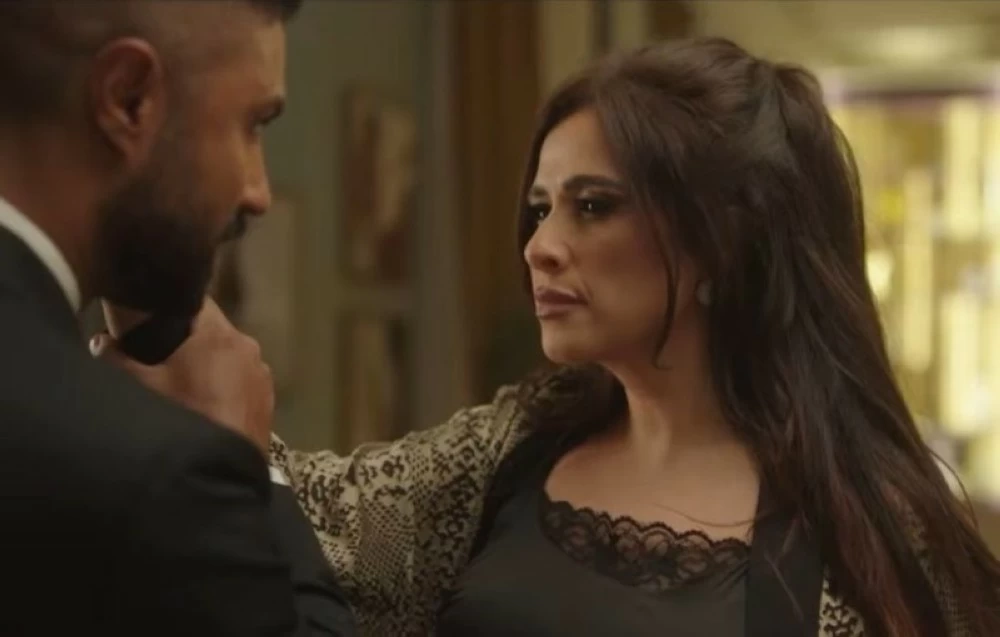
The “He who has no elder” controversy: How did Yasmine Abdel Aziz’s phrase become a trend?
The teaser trailer for the series "Elli Maloush Kbeer" (He Who Has No Big Shot) caused a sensation before its premiere during Ramadan 2021, captivating audiences with scenes that blended action, drama, and romance. However, a single line uttered by star Yasmine Abdel Aziz in one of the most poignant scenes—"No one has hurt me as much as you"—was enough to ignite social media platforms, becoming a memorable line that continues to resonate today and encapsulates the profound psychological struggle experienced by her character, Ghazal, throughout the series.
Background to Yasmine Abdel Aziz's dramatic transformation
The series “Elli Maloush Kbeer” (He Who Has No Big Shot) marked a significant turning point in Yasmine Abdel Aziz's artistic career. After years of dominating the box office in cinema with light comedic roles, she began in recent years to shift towards more complex and profound dramatic roles on television. While she successfully portrayed a romantic and social character in the 2020 series “We Nehabb Tani Leh” (Why Do We Fall in Love Again?), earning critical and popular acclaim, “Elli Maloush Kbeer” showcased her ability to powerfully embody action and suspense roles, portraying a strong female character who defies the difficult circumstances imposed upon her.
The importance of the series and its regional impact
The series' success wasn't limited to being a local hit; its impact extended to becoming a pan-Arab phenomenon during Ramadan. The on-screen chemistry between Yasmine Abdel Aziz and her then-husband, actor Ahmed El Awady, who portrayed "Saif El Khedive," created a unique level of audience engagement in Egypt and the Gulf region. Phrases like "Ala Allah Hekaytak" (God knows your story) and "Wahsh El Kon" (The Beast of the Universe) became part of everyday slang, reflecting the show's deep resonance with Arab viewers. The series tackled sensitive social issues such as domestic violence, forced marriage, and class conflict, all within a compelling and engaging framework that captivated a wide audience.
A story of struggle and power
The series revolves around Ghazal (Yasmine Abdel Aziz), who is forced by her father to marry a wealthy and cruel businessman (Khaled El Sawy) many years her senior. She endures a life filled with oppression and both physical and emotional humiliation. The phrase "No one has ever hurt me as much as you have" is uttered during her confrontation with him, expressing the depth of her suffering. Her life takes a dramatic turn when she meets Saif El Khedewy (Ahmed El Awady), a strong young man with whom she embarks on a love story fraught with challenges and dangers. In him, she finds the protection and support she has always lacked.
Integrated team
The success of "Elli Maloush Kbeer" (He Who Has No Master) is due to the combined efforts of a distinguished team. The series was written by Amr Mahmoud Yassin, who excelled in crafting complex characters and a cohesive plot, and directed by Mustafa Fikry, who delivered a modern visual style and masterful action sequences. The cast included a constellation of stars alongside Yasmine Abdel Aziz and Ahmed El Awady, including Khaled El Sawy, Dina Fouad, Iman El Sayed, and Badria Tolba, each of whom delivered a remarkable performance that contributed to the series' strength and resounding success.
Culture and Art
The Release Series: Amr Saad's Story in Ramadan Drama | Details and Cast
Discover all the details of the series "Efrag," the latest Ramadan project starring Amr Saad. A gripping revenge story, a talented cast, and a major transformation for actor Hatem Salah. Will it be a hit in the competition?
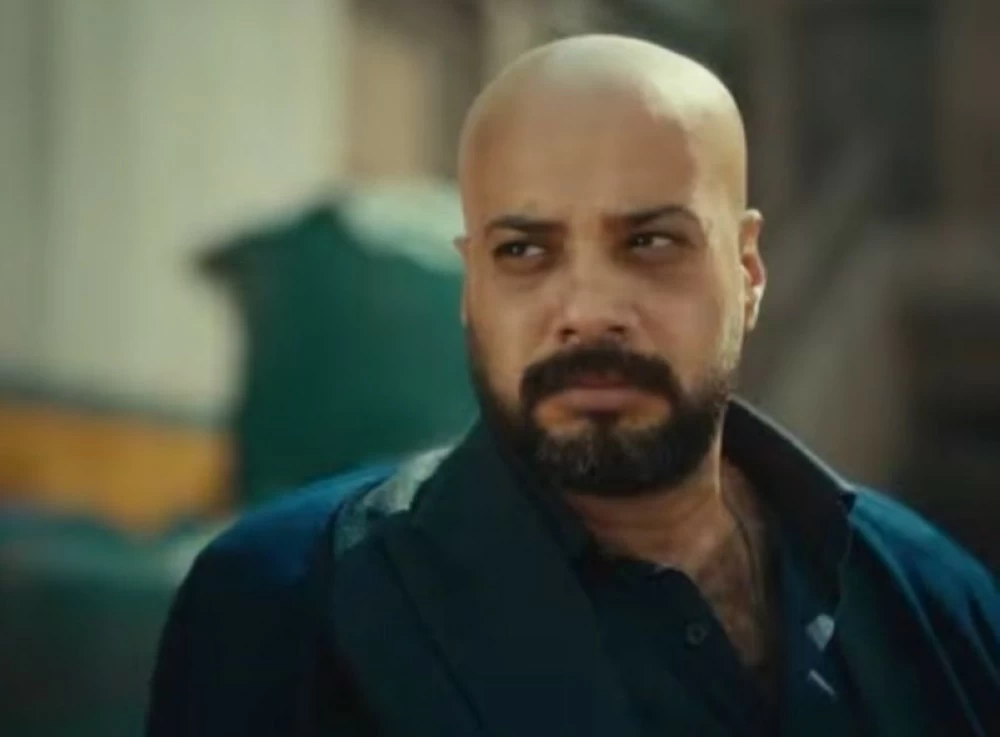
“Efraj” series: Amr Saad returns with a revenge epic in the Ramadan drama race
With the most important drama season in the Arab world approaching, the production company behind the series "Efraj" has released the first teaser trailer, marking the return of Egyptian star Amr Saad to the forefront of the Ramadan competition. The trailer offers a glimpse into a major drama centered on a revenge story filled with challenges and difficult situations, placing the series among the most anticipated shows by audiences.
General context: The fierce Ramadan competition
The Ramadan drama season is the most prominent arena for television productions in Egypt and the Arab world, with major production companies vying to present works that attract millions of viewers. In this context, Amr Saad stands out as one of the stars who has achieved consecutive successes this season, relying on his unique charisma and ability to portray complex characters from the working class, which resonate widely with audiences. His return with the series "Efrag" confirms his continued commitment to this genre of drama in which he has excelled.
A journey of revenge and suspense in “Release”
The teaser trailer reveals that the 30-episode series revolves around the protagonist, played by Amr Saad, as he embarks on a grueling journey of revenge. The story appears steeped in suspense and action, as the hero faces escalating challenges and conflicts with powerful figures. This genre, blending popular social drama with action, has proven highly successful in recent years, and "Efrag" seems poised to follow in the footsteps of such hits, adding a unique touch through the vision of the "Molouk" writing workshop, which is handling the script.
The main characters and dramatic twists
The series doesn't just star Amr Saad; it also features a stellar cast that adds significant weight to the production. One of the biggest surprises revealed in the trailer is the participation of Hatem Salah, known for his comedic roles, in a serious role completely removed from comedy. This presents a major challenge for him, and the audience eagerly anticipates it. The cast also includes Tara Emad, the veteran actor Abdel Aziz Makhyoun, Sama Ibrahim, Safwat, Ahmed Abdel Hamid, Mohsen Mansour, Alaa Morsi, and Sarah Baraka, promising artistic harmony and high-caliber acting.
Importance and expected impact
The series “Efraj” is expected to have a significant impact both locally and regionally. Its airing on MBC Egypt, one of the largest television platforms in the region, guarantees it a wide viewership. Furthermore, the show's success will solidify Amr Saad's position as one of the leading stars of Ramadan dramas. On a social level, series about revenge and personal justice often spark extensive discussions about injustice and the law, which could make “Efraj” a hot topic of discussion on social media throughout Ramadan.
Amr Saad's journey with popular drama
The series “Efrag” comes as a continuation of Amr Saad’s illustrious career, filled with works that have left a lasting impression on Arab viewers. His most recent notable work during Ramadan was the series “Al-Ajhar,” which achieved great success, preceded by series such as “Tawbah” and “Muluk Al-Gada’ana.” Saad’s works are distinguished by their ability to touch upon the social realities of working-class neighborhoods, presenting a popular hero who confronts injustice and strives to achieve justice in his own way, creating a strong sense of empathy and connection between the character and the audience.
Culture and Art
Ramez Galal in Ramadan 2026: Details of the bloody prank show
Artist Ramez Galal revealed his new program for Ramadan 2026, "The Bloody Prank," which relies on visual deception and psychological tension, with the participation of prominent Arab stars.
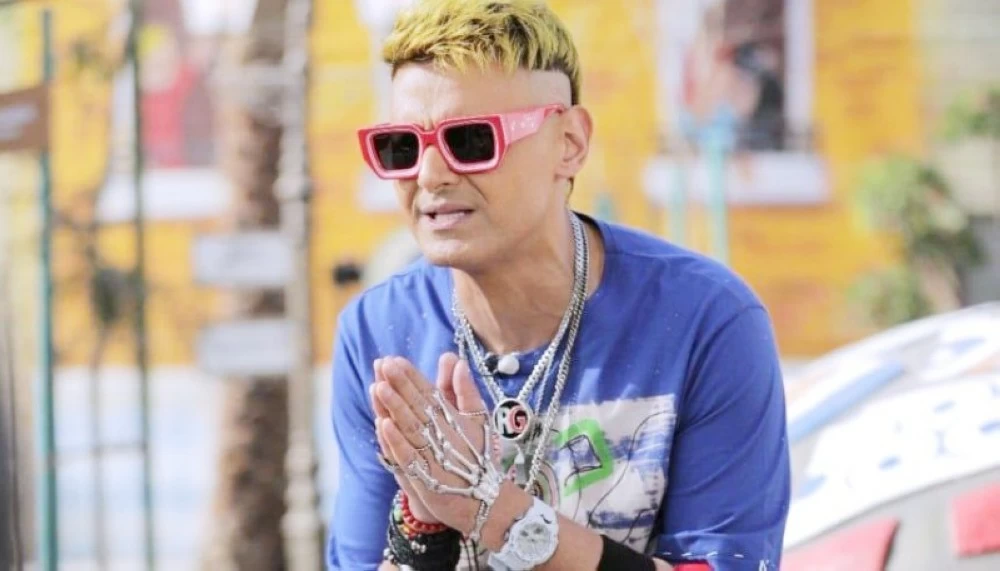
Ramez Galal returns to stir controversy and anticipation this Ramadan season with his new show, aptly titled "The Bloody Prank." The program promises a unique experience that transcends traditional pranks, relying heavily on visual surprises and sophisticated cinematic trickery to place his celebrity guests from the worlds of art and sports in situations that combine intense psychological stress and utter astonishment.
Background of Ramez Galal's programs: A history of excitement and controversy
Ramez Galal is a Ramadan phenomenon par excellence, having successfully presented a series of prank shows for over a decade that have become an integral part of the entertainment rituals of Arab viewers. His career began with programs like "Ramez the Lionheart" and "Ramez the Desert Fox," and his ideas evolved to become more complex and elaborate in later shows such as "Ramez the Airhead" and "Ramez Underground," which always relied on fear and difficult situations. With each season, he raised the bar in terms of challenge and production, making him synonymous with high-budget and controversial pranks.
Details of the "bloody prank": advanced techniques and a psychological scenario
In "The Bloody Prank," Ramez Galal takes this concept to a new level. According to the production company, the new season relies on the design of massive sets that simulate dangerous and unexpected environments, using advanced visual effects and 3D filming techniques to maximize realism. The team indicated that the idea is not limited to the immediate shock, but rather is based on building a gradual psychological scenario designed to progressively increase the guest's stress level, making them experience a complex psychological ordeal before the final revelation of the prank.
Production and Safety: Top Stars and Tightened Measures
As usual, the program will feature a selection of the most prominent Arab stars from various fields, whose presence is a major draw for the audience. In light of criticism leveled at previous programs regarding guest safety, the production company has emphasized unprecedentedly enhanced safety measures. This has been achieved in collaboration with specialized medical and technical teams present on set to ensure that none of the participants suffer any actual physical harm, and to provide immediate intervention in case of any emergency.
Expected impact: Ramadan competition and public engagement
As is typical of Ramez Galal's shows, the "bloody prank" is expected to spark a storm of reactions across social media platforms and top the viewership charts during the fiercely competitive Ramadan season. His programs not only achieve millions of viewers but also become fodder for public debate, with audiences divided between those who see them as entertaining and exciting, and those who criticize the show's approach of terrifying guests. This annual controversy has become part of the program's success, as the production network relies on the element of rapid suspense and widespread public engagement to ensure its dominance of the media landscape.
In conclusion, the production management confirms that the new season not only aims to present more daring pranks, but also seeks to redefine this type of entertainment program and present it in a more professional and productive format, to establish Ramez Galal’s position as one of the most prominent creators of entertainment content in the Arab world during the month of Ramadan.
-

 Reports 6 days ago
Achievements of Saudi government sectors in 2025
-
Local news two weeks ago
FDA warns of contaminated Nestle infant formula | Recall details
-
Technology 4 weeks ago
Artificial intelligence regulations in Saudi education and student data protection
-
Technology 4 weeks ago
US ban on drones: reasons and consequences
-
Technology 4 weeks ago
SRMG and Snapchat partnership: The future of digital media in the Middle East
-
Technology 4 weeks ago
Saudi Arabia's Ministry of Islamic Affairs is employing artificial intelligence in public speaking
-
Sports 4 weeks ago
Salah leads Egypt to a thrilling comeback against Zimbabwe in the Africa Cup of Nations
-
Sports 4 weeks ago
Napoli win the Italian Super Cup in Riyadh for the third time (2025)