
Culture and Art
Majid Al-Muhandis reveals details of his new Iraqi album 2024
Discover the details of Iraqi singer Majid Al-Muhandis's new album and the surprise of its first single. A powerful return for the Prince of Arabic Song to his artistic roots amidst widespread public anticipation.

The "Prince of Arab Song," artist Majid Al-Muhandis, ignited the enthusiasm of his vast audience across the Arab world after revealing details of his new artistic project: a full album of songs in the Iraqi dialect. This announcement represents a strong and much-anticipated return for lovers of authentic Arabic music to the artistic roots from which Al-Muhandis launched his career. He promised his fans a rich offering of the soulful melodies and traditional Iraqi songs that have characterized his artistic journey since its beginnings.
Returning to Iraqi authenticity
Majid Al-Muhandis revealed details of his new album, which will be released as a mini-album, emphasizing that the work will be purely Iraqi in terms of lyrics, melodies, and arrangements. Speaking about the highly anticipated album, Al-Muhandis indicated that the first single will hold a special surprise for the audience, as it was crafted to blend modern musical style with the spirit of Iraqi heritage, which is beloved by millions. Al-Muhandis always strives to select lyrics that resonate deeply with listeners, collaborating with a select group of the most prominent poets and composers in the Iraqi and Gulf music scenes to ensure the album is produced in the best possible way, befitting his artistic legacy.
Historical context and the Prince's journey
It's impossible to discuss this album without taking a step back and recalling Majid Al-Muhandis's illustrious career. He began his artistic journey relying on a unique vocal quality and profound sensitivity that enabled him to masterfully perform challenging Iraqi mawwals (traditional vocal improvisations). Songs like "Waheshni Mout" (I Miss You So Much) and "Uthkurini" (Remember Me) were not merely fleeting releases, but rather milestones that cemented his name as one of the most important voices in modern Arabic music. Despite his overwhelming success in performing various musical styles, particularly Gulf and Saudi songs in which he excelled, his audience still holds a special affection for his Iraqi works, which express a poignant and heartfelt longing.
Artistic significance and anticipated album impact
This album holds particular significance at present, given the remarkable resurgence of Iraqi music and its widespread popularity throughout the Arab world and the Gulf region. The return of a name as prominent as Majid Al-Muhandis with a full Iraqi album will undoubtedly give this genre an extra boost, and the album's songs are expected to top the charts on digital platforms immediately upon release. Critics believe that Al-Muhandis possesses an artistic acumen that allows him to choose the perfect timing for releasing his work, and that this album will remind audiences of his exceptional ability to perform authentic Iraqi maqams.
Public anticipation and widespread engagement
As soon as news of the album and the anticipated surprise in its first single broke, social media platforms were abuzz with comments from fans expressing their eagerness to hear "The Prince's" new release. This reaction reflects the immense popularity of Al-Muhandis and his consistent ability to reinvent himself artistically while preserving his authentic identity. Expectations suggest that this release will not just be another digital addition to his repertoire, but a landmark in the 2024 releases, reaffirming Majid Al-Muhandis's enduring status as a pillar of contemporary Arabic music.


Culture and Art
Taysir Fahmy: Conditions for returning to art after a 13-year absence
Artist Taysir Fahmy settles the controversy surrounding her absence from the art scene, revealing the reasons for her long absence and its connection to community work, as well as her conditions for returning to acting.

The esteemed Egyptian artist, Taysir Fahmy, has put an end to the controversy surrounding the possibility of her return to the art scene after an absence of nearly 13 years, confirming that the decision to step away was personal and stemmed from her convictions, and that her return is contingent upon the availability of an artistic work that carries real value and respects the viewer's intellect.
A prolific artistic career and the context of distancing
Taysir Fahmy is considered one of the most prominent stars of her generation. Throughout her artistic career, which began in the 1970s, she presented diverse roles that left a clear mark on the history of Egyptian drama and cinema. She became famous for her roles in important works such as the series "Sons, But..." and "Layali El Helmeya," and the film "Ascent to the Abyss." Her withdrawal in 2012 was not merely an artistic decision, but coincided with a period of major political and social transformations in Egypt. The actress was known for her political stances and her active participation in the January 25 Revolution, which added another dimension to her decision to step away from the limelight and focus on other aspects of her life.
Transitioning to community work
In recent television interviews, Taysir Fahmy clarified that she did not isolate herself during her absence, but rather dedicated her time and effort to community work and charitable activities. She considered this period a significant turning point that profoundly impacted her personal experience and gave her the opportunity to connect with society from a different perspective, away from the cameras. She emphasized that this transition was not a break from life, but rather a move into a different realm of giving back and serving the community, reflecting her personal convictions that have always been evident in her artistic choices.
Return with conditions: Searching for content
Fahmy confirmed that she doesn't categorically reject the idea of returning to acting, but she has set clear conditions for doing so. She is waiting for the right role and an artistic work that has genuine substance and aligns with her principles and convictions. She pointed out that the artistic landscape has changed significantly, and that she is looking for a good script and a meaningful screenplay that will enhance her career rather than detract from it. This stance raises questions about the nature of the works currently being offered and reflects the desire of a generation of veteran artists to maintain a certain level of artistic quality in the content presented to the public.
Latest works and potential impact of a return
It's worth noting that Taysir Fahmy's last dramatic role was in the series "Befel Fa'el" (By an Unknown Perpetrator), which aired in 2012. She co-starred with a number of prominent actors, including Tamer Hagras, Tarek Lotfy, Mirna Walid, and Raja El Gedawy. Should she return, it is expected to generate significant interest among both the artistic community and the public, as her fans eagerly anticipate seeing her back on screen in a project worthy of her illustrious career.
Culture and Art
Cedar Night: Lebanese stars gather for Riyadh Season 2026
Get ready for an exceptional Lebanese night at Riyadh Season 2026! Carole Samaha, Assi El Hallani, and Ragheb Alama will come together for the "Night of the Cedars" concert. Find out the date and location.

The Saudi capital, Riyadh, is preparing to host a truly Lebanese artistic evening, as the General Entertainment Authority announced the organization of a huge concert called "Laylat Al-Arz" (Night of the Cedars) as part of the Riyadh Season 2026 events. This highly anticipated event brings together three of the most prominent stars of Lebanese and Arab music: the renowned singer Assi El Hallani, the superstar Ragheb Alama, and the star Carole Samaha, in an evening that promises to be one of the highlights of the season.
Background of the event and its cultural context
The organization of "Night of the Cedars" is part of the Riyadh Season strategy, which has become one of the world's leading entertainment festivals, to present diverse cultural experiences from around the globe. The season, which falls under Saudi Vision 2030, aims to enhance Riyadh's position as a global tourist and entertainment destination. Arab artistic evenings like "Night of the Cedars" serve as a bridge for cultural exchange, celebrating authentic Arab art and presenting it to a wide audience of citizens, residents, and tourists. The name of the event carries profound symbolic meaning, as the cedar tree is the national emblem of Lebanon, symbolizing resilience, pride, and heritage, thus lending the evening a special national and cultural dimension.
The importance of the ceremony and its expected impact
The concert is expected to be a resounding success, given the widespread popularity of the three stars in Saudi Arabia and the Gulf region. This event presents a unique opportunity for the Saudi public and the large Lebanese community residing in Riyadh to enjoy the masterpieces of authentic Lebanese music. Regionally, the concert reinforces Riyadh's position as a capital of Arab art and a premier platform for leading artists to showcase their talents. It also contributes to boosting tourism and the economy, underscoring the vital role of entertainment as a key sector in the national economy.
Event details and ticket release date
According to the organizing company, the "Night of the Rice" concert will take place on Thursday, February 5th, at the Abu Bakr Salem Theater in the Boulevard Riyadh City area, one of the largest and most luxurious theaters in the capital. Tickets will go on sale on Wednesday, January 28th, through authorized platforms, with high demand expected from fans of the three stars eager to secure their seats for this exceptional evening.
Latest works of the participating stars
This concert comes at a time when the stars are continuing their artistic activities; recently, Carole Samaha released her new song "Ma Betenterak Wahdak" (You Won't Be Left Alone), with lyrics, music, and arrangement by the late artist Ziad Rahbani. The song has received widespread positive feedback on social media platforms. Assi El Hallani and Ragheb Alama also continue to release successful artistic works and perform concerts for large audiences throughout the Arab world.
Culture and Art
Abdel Halim Hafez's family denies Israelis visited his home | Protecting the Nightingale's legacy
The family of the late artist Abdel Halim Hafez categorically denied rumors of Israelis visiting his home, stressing that this matter is offensive to his national history and his firm principles.
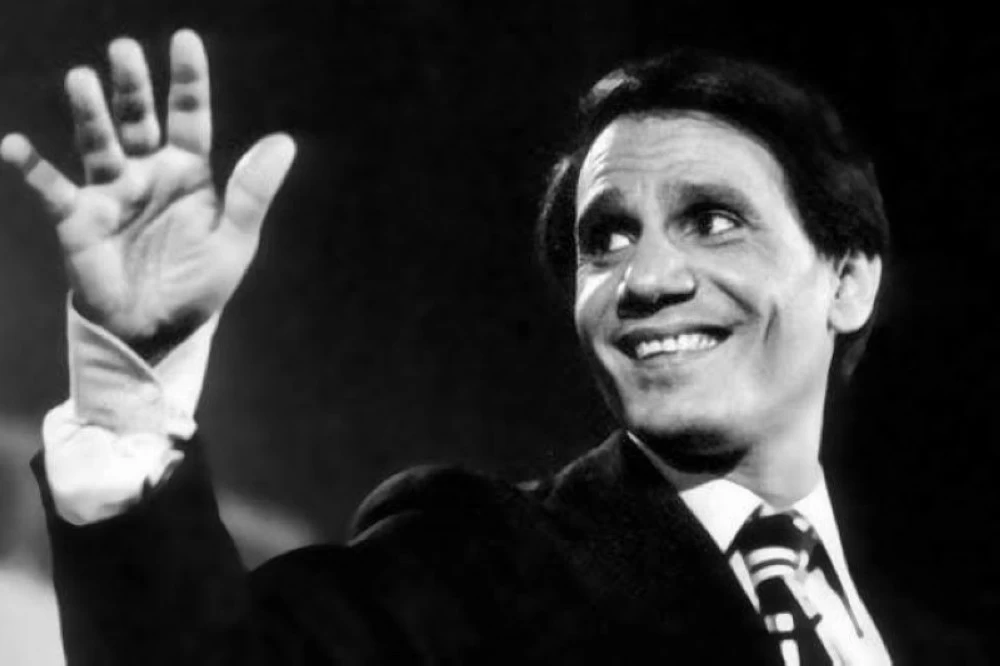
A firm denial and reaffirmation of principles
In a decisive statement, the family of the late artist Abdel Halim Hafez refuted recent rumors circulating on social media platforms, which claimed that an Israeli delegation had visited the home of the "Dark-Skinned Nightingale." The family described these reports as "completely baseless," emphasizing that they constitute a grave insult to the legacy and stature of an artist considered one of the most important symbols of Arab artistic and cultural identity.
The statement, published on Abdel Halim Hafez's official Facebook page, emphasized that the late artist's home is not open to the public and that any attempts at contact from any Israeli entity in this regard were met with immediate and categorical rejection. The family affirmed that this stance is not a spur-of-the-moment decision, but rather a natural extension of Abdel Halim Hafez's principles, which he never deviated from throughout his illustrious artistic career.
Historical background: The Nightingale and the Voice of the Nation
To understand the dimensions of this stance, it is essential to return to the historical context that shaped Abdel Halim Hafez's consciousness. The Nightingale was not merely a sentimental singer; he was a voice that expressed the dreams and aspirations of the Arab nation during a pivotal period in its history. His name was inextricably linked to the late leader Gamal Abdel Nasser and the July 1952 Revolution, as his patriotic songs, such as "Sora" (Image), "Ehna El Shaab" (We Are the People), and "Adda El Nahar" (The Day Has Passed), became anthems that ignited the passions of the masses from the Atlantic to the Gulf. His songs were an integral part of the Arab nationalist narrative, and his positions clearly reflected his complete commitment to national causes, foremost among them the Palestinian cause.
The importance of the event and its expected impact
The significance of this denial lies in the fact that it transcends being merely a family clarification; it represents a protection of a significant cultural and national legacy. In light of the political shifts the region is witnessing and the normalization efforts underway, figures of Abdel Halim Hafez's stature are viewed as impregnable cultural bulwarks. Linking his name to any form of contact with Israel is considered by his admirers and those familiar with his history to be a direct attack on his image as an artist committed to the causes of his nation. Therefore, the family's response was swift and decisive, emphasizing that the Nightingale's humanitarian and national legacy is no less important than his artistic one, and that preserving both is a responsibility that cannot be compromised.
Protecting heritage from distortion
The family added in their statement that Abdel Halim Hafez was a man of unwavering principles who never compromised his national convictions. They emphasized that their commitment to protecting his legacy is a duty to his history and to the millions of his fans in the Arab world who were deeply connected to his art and his stances. They asserted that spreading such malicious rumors aims only to drag his name into a political and media controversy that is completely at odds with the truth and constitutes a grave insult to the stature he has cultivated in the public consciousness for decades.
-

 Local news two days ago
Landslide in Riyadh: Details of the incident in Al-Sahafa neighborhood and containment efforts
-
 Local News 3 days ago
The death penalty was carried out against a citizen who stabbed another to death in Tabuk
-

 Local News 4 days ago
First birth on the Riyadh train: A heartwarming story at Andalus station
-
 Culture and Art 7 days ago
Ramez Galal in Ramadan 2026: Details of the bloody prank show
-

 Local news two days ago
Riyadh collapse: Emergency plans to secure water after a main pipeline burst
-
 Culture and Art 2 days ago
Haifa Wehbe's absence in Riyadh: A photo crisis or a strained relationship with the media?
-
 Culture and Art 2 days ago
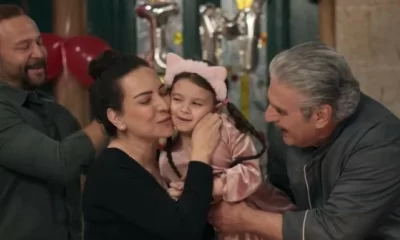
City Kitchen series: A drama of conflict and the middle class during Ramadan
-

 Culture and Art 2 days ago
The series "Kasra": Dawood Hussein in a moving social drama this Ramadan