
Culture and Art
Mahmoud Hegazi released on bail of 50,000 Egyptian pounds in an assault case
The investigating authorities decided to release artist Mahmoud Hegazi on bail of 50,000 Egyptian pounds in the case of the assault on a foreign woman. Learn about the details of the investigation and the victim's statement.

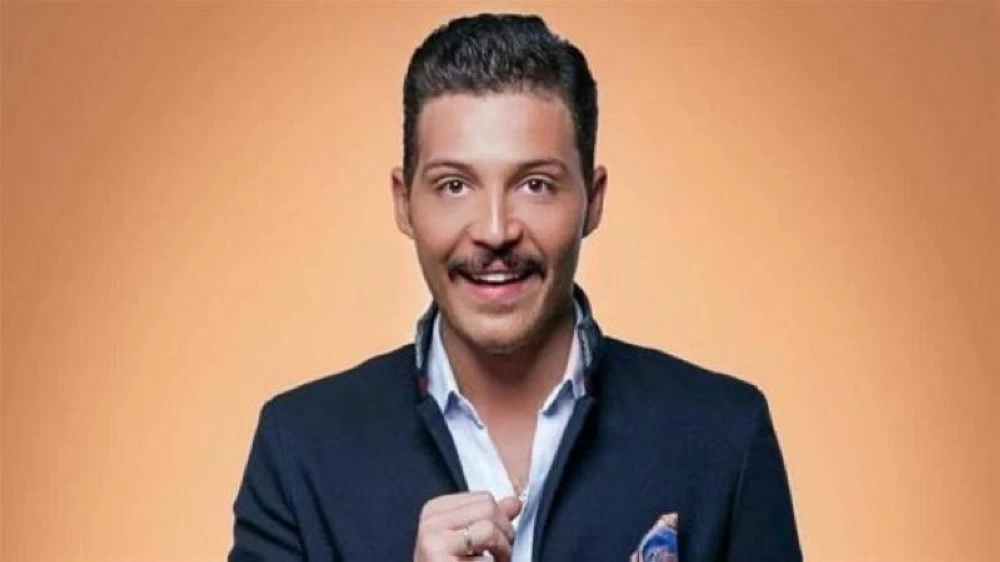
The Egyptian art and legal scene witnessed rapid developments in the past few hours regarding the case of Egyptian actor Mahmoud Hegazi , which sparked widespread controversy on social media. The relevant investigative authorities issued a decision to release the actor on bail of 50,000 Egyptian pounds, pending investigations into the accusation that he assaulted a foreign national inside a well-known hotel in the Boulaq Abu El-Ela district of Cairo.
Details of investigations and judicial decisions
In its commitment to uncovering the full truth, the Public Prosecution issued a series of decisions to ensure the integrity and transparency of the investigations. These decisions included the immediate seizure of the mobile phone belonging to the artist Mahmoud Hegazi and its transfer to the relevant technical authorities for analysis and examination of its contents, in search of any digital evidence that might be relevant to the case.
In parallel, the prosecution ordered that both the accused artist and the victim be examined by the Forensic Medicine Authority. This procedure aims to conduct a thorough medical examination to determine the presence of any injuries consistent with the alleged assault, as well as to perform drug tests on both parties to ascertain their mental state at the time of the incident—a crucial routine procedure in such criminal cases.
The victim's account and the behind-the-scenes details of the incident
Initial investigations revealed details of the report filed by the victim, identified only by her initials, "J. Gh." According to her statement to the prosecution, she suffered severe psychological trauma following the incident, which forced her to temporarily leave Egypt and travel to Austria to receive psychological support and recover, before deciding to return to file the official report and demand her legal rights.
The victim confirmed in her testimony that the assault occurred inside her hotel room, stating that the accused broke into the room while under the influence of alcohol and forcibly assaulted her. The victim formally requested that the investigating authorities review the hotel's security camera footage to document the times of entry and exit, which constitutes crucial physical evidence in the case.
The artistic context and the impact of the incident
Mahmoud Hegazi is considered one of the most prominent young faces in Egyptian drama. A graduate of the Higher Institute of Theatrical Arts, he gained widespread fame through his participation in successful dramas such as the series "Abu El Arousa," which achieved high viewership ratings and resonated with audiences across families. This incident casts a shadow over his artistic career at a critical time, as celebrity news is closely followed by the public.
The importance of this case lies in highlighting the strict legal procedures taken by the Egyptian authorities in cases of infringement, regardless of the fame of the accused, as the report was dealt with seriously and immediately, starting with the arrest of the artist as soon as the report was received, and the necessary report was filed, leading up to referring him to the Public Prosecution, which initiated extensive investigations.
The public and the artistic community are awaiting the results of the forensic report and the examination of digital evidence, which will be the deciding factor in determining the artist's final legal position, whether by referring the case to court or closing the investigations based on the evidence received.


Culture and Art
Suad Abdullah cries over Hayat Al-Fahad's situation: I visited her and she didn't even notice me
Suad Abdullah reveals touching details about her visit to artist Hayat Al-Fahad in the intensive care unit, emphasizing the depth of their friendship and their shared artistic history in Kuwaiti drama.
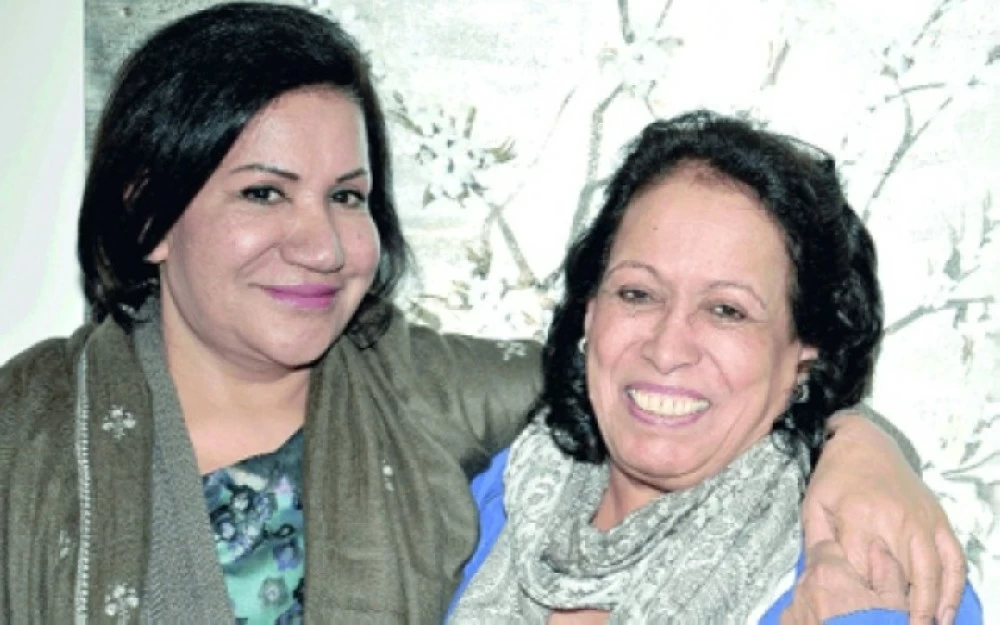
In a touching and humane moment that captivated the Gulf and Arab audience, the iconic Kuwaiti actress Suad Abdullah her silence to reveal the details of her painful visit to her longtime friend, the esteemed actress Hayat Al-Fahad , who is currently in intensive care at a Kuwaiti hospital, amidst prayers from her fans for her speedy recovery.
Details of the touching visit: “One of my family”
During a phone interview on Marina FM radio, Souad Abdullah spoke with deep sadness and sorrow about her colleague's health, describing her as "one of the family." Abdullah said, "Hayat Al-Fahad is not just a colleague; she is like a sister to me, a member of the family. Our relationship goes back to the 1960s. We appeared together and were associated with the black and white works that shaped the memory of Gulf drama.".
With words choked with emotion, Suad recounted the details of her visit to the hospital, saying: “It is never easy for me. I went to her in the hospital and sat talking with her, but she did not feel my presence. The image of her on the recovery bed is linked to my mind and it pains me.”.
A history of loyalty and deep friendship
These words were not merely an expression of a fleeting sentiment, but a reflection of decades of camaraderie and friendship between the two leading ladies of Gulf television. Souad Abdullah highlighted the loyalty they shared, recalling Hayat Al-Fahad's support during her previous health crisis in London. She added, "She always inquired about me and was a trusted confidante, keeping my secrets from anyone. This is true loyalty. We are from the same generation, and a deep spiritual and artistic bond exists between us that cannot be erased by minor disagreements that might occur in any family.".
Pillars of Gulf drama and their artistic influence
This news has sparked concern among the Kuwaiti and Gulf public, given the immense popularity of these two stars among Arab viewers. Souad Abdullah and Hayat Al-Fahad formed a golden duo, enriching the Arab cultural landscape with timeless works that boldly addressed societal issues with dark humor and sophisticated drama. Hayat Al-Fahad's illness today is not merely entertainment news; it is an event that touches the memories of generations raised on the creativity of these pioneers who established the artistic movement in the Gulf region, prompting an outpouring of prayers for the recovery of "Umm Suzan" (a nickname for Hayat Al-Fahad).
Developments in Hayat Al-Fahad's health condition
On the medical front, the Al-Fahad Foundation issued an official statement clarifying the latest developments, confirming that the esteemed artist is under close medical observation in the intensive care unit in Kuwait. This decision followed her return from a treatment trip to London that did not achieve the desired results due to the severity of her stroke.
The statement explained that the supervising medical team decided to complete the treatment within the country, while preventing visits at the present time in order to preserve her safety and provide the utmost comfort, amid the public’s anticipation of any promising news that will bring back the smile to lovers of authentic Gulf art.
Culture and Art
Hend Sabry clarifies the truth about the similarity between the series "Mana'a" and the film "Al-Batiniya"
Hend Sabry settles the controversy surrounding the similarity between her Ramadan series "Manaa" and the film "Al-Batiniya," and reveals details of her role as a drug dealer and her return to drama after a 4-year absence in Ramadan 2026.
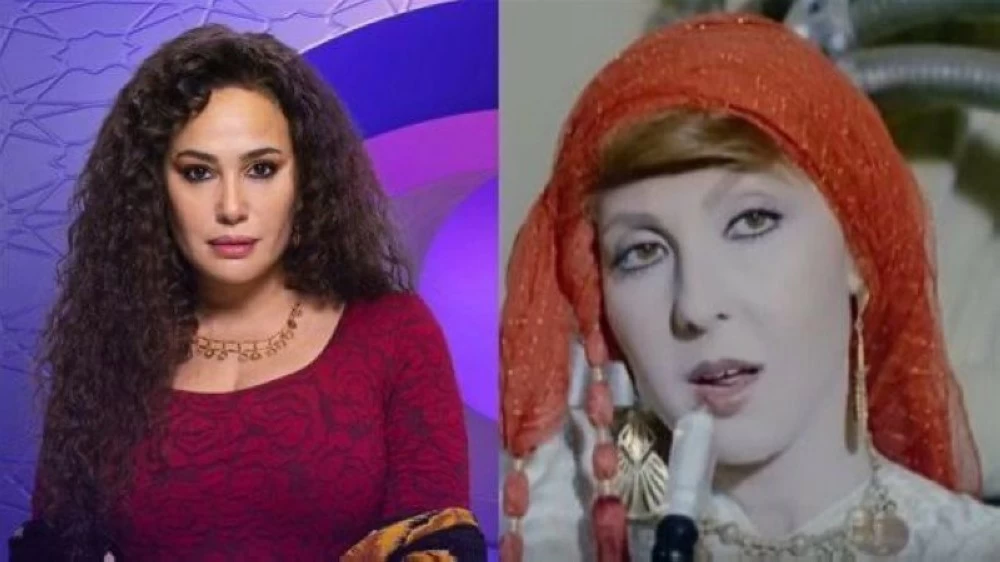
Tunisian star Hend Sabri to the widespread controversy that has recently spread across social media platforms and artistic circles, regarding the similarity between the story of her new series “Immunity”, scheduled to compete in the Ramadan marathon of 2026, and the iconic film “Al-Batiniya” by the star of the masses, Nadia El Gendy.
The truth about the similarity with "esotericism"
In recent television interviews, Hend Sabry categorically denied that her series is a remake or adaptation of the 1980 film "El Batneya," a landmark in Egyptian cinema. Sabry emphasized that "Manaa" presents a completely different dramatic story in terms of its approach and treatment, noting that the only common element between the two works might be the time period or the general atmosphere of the crime world, but there is no basis for a direct comparison with a work of the scale and historical significance of Nadia El Gendy's film.
This clarification comes in an important context, as the film “Al-Batiniya” is considered a fundamental cinematic reference when talking about the drama of drug trafficking in popular Egyptian neighborhoods, which makes any work that approaches this area subject to immediate comparison by the public and critics.
Role details and dramatic challenges
Regarding the nature of her role, which has sparked much curiosity, Hend Sabry revealed that she portrays a drug dealer, describing the role as full of psychological and physical challenges. She explained that the series, through its escalating events, explores the dire consequences awaiting those involved in this dark world. The Tunisian star pointed out that while the work is inspired by real stories reflecting aspects of society, it does not document any specific real case. Rather, its primary aim is to offer a rich dramatic experience that combines entertainment, excitement, and suspense for the Arab audience.
The production team and the 15-episode phenomenon
The series "Immunity" belongs to the genre of 15-episode dramas, a format that has become favored by both drama producers and audiences in recent Ramadan seasons due to its ability to condense events and avoid drawn-out storylines. The series is based on a story and screenplay by Abbas Abu Al-Hassan , known for his realistic and bold writing in the world of crime, and directed by the talented Hussein Al-Manbawi .
The work includes a selection of stars, as the cast, alongside Hend Sabry, includes: Riad El-Khouly, Maha Nassar, Khaled Selim, Ahmed Khaled Saleh, Mohamed Anwar, Karim Kassem, Ahmed El-Shami, Huda El-Etreby, and Ahmed Habashi, in addition to a number of guest stars who will enrich the events.
A strong return to Ramadan competition
This project holds particular significance as it marks Hend Sabry's return to Ramadan dramas after a four-year hiatus. Her last Ramadan appearance was in the 2021 series "Counterattack" alongside Ahmed Ezz, a drama that tackled Egyptian intelligence files and achieved considerable popular success. In "Immunity," Sabry is banking on delivering a new dramatic style to add to her diverse artistic repertoire, raising expectations for the 2026 Ramadan season.
Culture and Art
The death of the poet Thuraya Qabil, "the voice of Jeddah" and the Khansa of the twentieth century
The pioneering Saudi poet Thuraya Qabil, author of the first collection of poetry by a woman and composer of masterpieces of Hijazi song, has passed away. Learn about the life and cultural impact of this 20th-century Khansa.
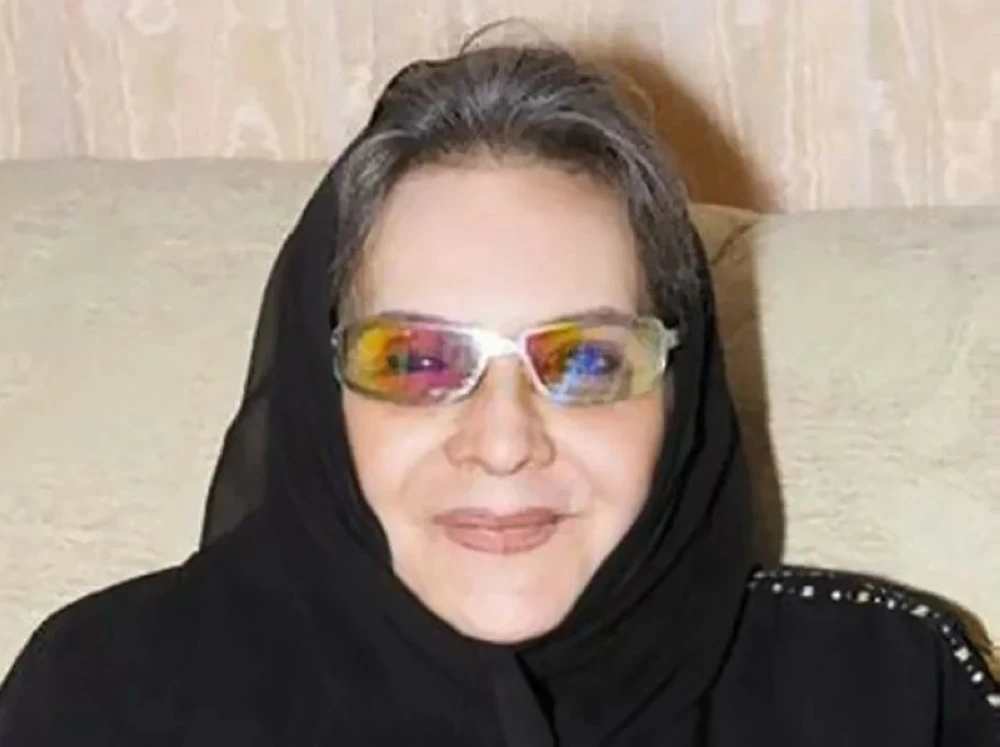
Thuraya Qabil passed away today after battling health problems in recent years. With her passing, the Arab cultural scene loses a pioneering female voice, whom the late writer Mohammed Hassan Awad described as "the Khansa of the twentieth century" due to the depth of her poetry and her literary boldness that was ahead of her time.
Born in the heart of historic Jeddah
The deceased was born in the prestigious Qabil family home in the Al-Mazloum neighborhood in the heart of Jeddah. She hailed from a long-established merchant family whose name is synonymous with the city's most famous commercial street, Qabil Street. Thuraya Qabil lost her father at a young age, and the responsibility of raising her fell to her aunt, Adila Qabil, who had a profound influence on shaping her strong character. She did not limit herself to traditional education but traveled to Beirut to pursue further studies, earning a degree from a private college. This contributed to her cultural broaden her horizons and nurtured her literary talent at an early age.
Literary leadership and social boldness
Thuraya Qabil is a true pioneer of the women's literary movement in the Kingdom. She inscribed her name in history as the first Saudi poet to publish a printed collection of classical Arabic poetry, "The Weeping Meters," which was published in Beirut in 1963. Her career was characterized by boldness and confidence, as she was the first to publish her literary work under her own name in newspapers and magazines, bypassing the pseudonyms that were prevalent at the time, thus paving the way for many female writers after her.
A distinguished journalistic career
Besides poetry, the late writer had a long and distinguished career in journalism. She moved between the corridors of the press as an editor and opinion writer for major Saudi newspapers such as Okaz and Al-Riyadh. She also served as editor-in-chief of Zeina magazine between 1986 and 1987, and wrote influential articles in the Meccan newspaper Quraish and the Saudi newspaper Al-Bilad, as well as the Lebanese newspaper Al-Anwar during the 1960s, expressing societal concerns and women's issues.
Icon of Hijazi song
Thuraya Qabil shaped the hearts of Arab and Saudi listeners through her colloquial poems, which became timeless musical masterpieces. She formed an exceptional artistic duo with the late Fawzi Mahsoum , enriching the musical repertoire with unforgettable works such as "Min Ba'd Mazh wa La'b" (After Joking and Playing), "Jani Al Asmar" (The Dark-Skinned One Came to Me), and "Ya Man Bi Qalbi Ghala" (O You Who Are Dear to My Heart). Her lyrics were also sung by the Talal Maddah in masterpieces like "Adini Ahd Al Hawa" (Give Me a Promise of Love) and "Tamanait Min Allah" (I Wished from God). Her lyrical poetry was distinguished by its genuine emotion and use of authentic Hijazi vocabulary, rightfully earning her the title "Voice of Jeddah."
-
 Culture and Art, 1 week ago
Haifa Wehbe's absence in Riyadh: A photo crisis or a strained relationship with the media?
-

 Local news one week ago
Riyadh collapse: Emergency plans to secure water after a main pipeline burst
-
 Culture and Art, 1 week ago
City Kitchen series: A drama of conflict and the middle class during Ramadan
-

 Culture and Art, 1 week ago
The series "Kasra": Dawood Hussein in a moving social drama this Ramadan
-

 Local news one week ago
Applying for the 1447 Opportunities Program for Teachers via the Fares System
-
 Local news one week ago
Ramadan 2026 discounts in Saudi Arabia: Offers valid for 54 days
-
 Culture and Art 6 days ago
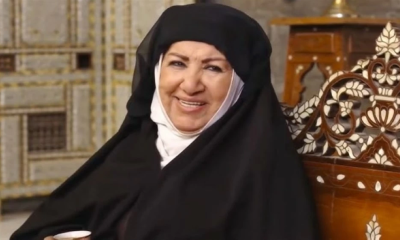
The death of artist Huda Shaarawi “Umm Zaki” and her funeral in Damascus
-

 Technology 6 days ago
ICAN 2026 Conference Conclusion: Initiatives to Enhance Saudi Arabia's Leadership in Artificial Intelligence