
Culture and Art
Loss of street identity: The impact of names on local culture
Discover how Arabic street names influence local cultural identity, and the interplay between rich history and commercial transformations in cities like Cairo and Damascus.

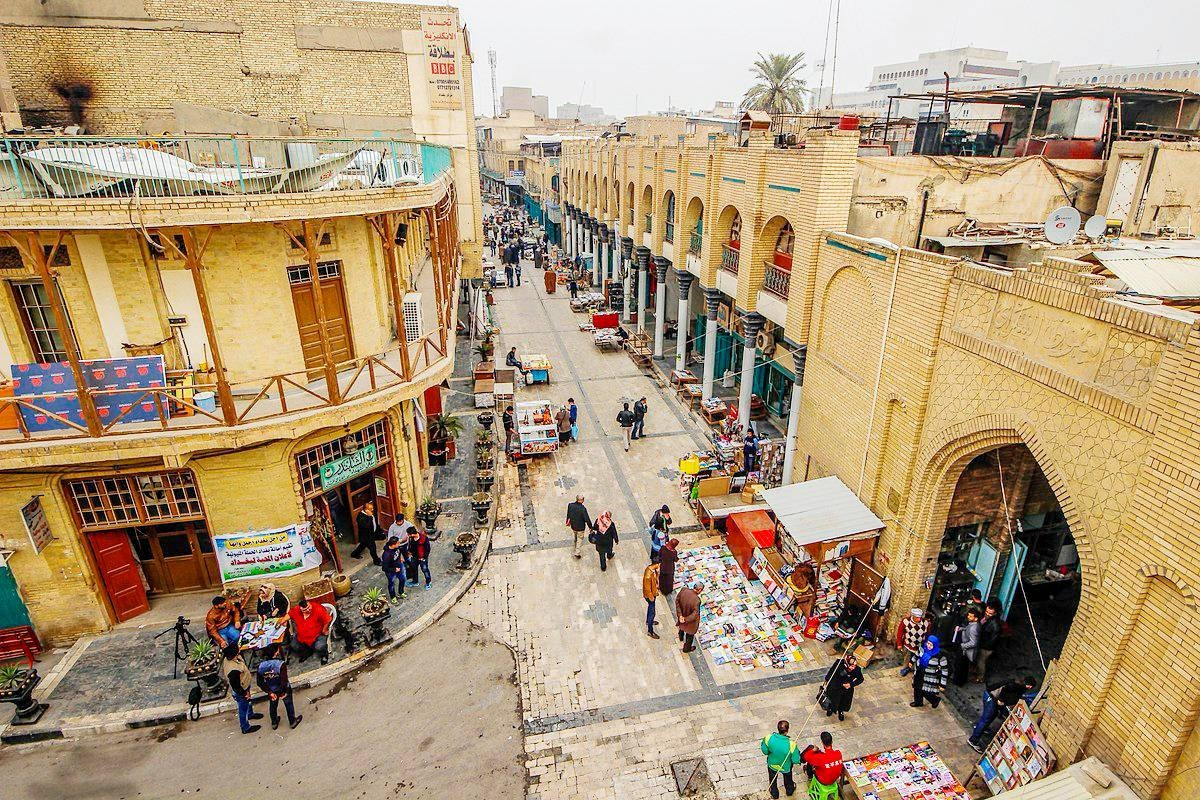
The literary identity of Arab streets: between names and reality
In many Arab cities, such as Riyadh, Jeddah, Cairo, Baghdad, Damascus, Beirut, and Amman, streets bear the names of prominent writers, authors, and intellectuals. These names reflect a rich cultural history, but often lack a genuine connection to the cultural or literary activities taking place on those streets.
Cairo: Between Cultural History and Commercial Transformation
In Cairo, the Egyptian capital steeped in cultural history, streets bear the names of prominent literary figures such as Naguib Mahfouz, Abbas al-Aqqad, and Taha Hussein. However, the current state of these streets reflects a shift towards commercial and consumer activities.
Naguib Mahfouz Street: The hero's absence from the story
Located in Nasr City, Naguib Mahfouz Street is meant to be a tribute to the Nobel Prize-winning Egyptian writer. However, the reality is quite different; shops, fast-food restaurants, and car dealerships abound, offering no visual or commemorative trace of the street's connection to the author of the Cairo Trilogy. This absence reflects a loss of cultural identity for the street and raises questions about how to effectively honor literary figures.
Abbas El Akkad Street: From Thought to Consumption
Abbas El Akkad Street is one of the longest and busiest streets in Nasr City. Although it bears the name of the renowned thinker and writer Abbas Mahmoud El Akkad, the overall atmosphere is dominated by consumerism, with cafes, restaurants, and clothing and perfume shops. This shift reflects changing economic and social priorities in the area and their impact on the street's cultural identity.
Taha Hussein Street: No place for days
In the upscale Zamalek district lies Taha Hussein Street, named after the dean of Arabic literature. While the area has a more tranquil atmosphere compared to other streets, the activities taking place there are not much different; the scene is dominated by tourism companies, car dealerships, and diplomatic buildings. This situation highlights the challenges of preserving cultural heritage in the face of economic and commercial pressures.
The economic and social impact of urban transformations
The transformations taking place in these streets are not merely changes in land use; they reflect deeper shifts in the local and global economy. Commercial and consumer expansion reflects increased demand for consumer goods and services resulting from rising income levels and relatively improved living standards.
However, these transformations could lead to the loss of a part of the cultural identity and intangible heritage represented by these great literary figures. The absence of commemorative and cultural elements could negatively impact cultural tourism and diminish the appeal of cities as cultural and tourist destinations.
Future projections and possible solutions
In the long run, this trend could widen the gap between younger generations and their cultural and literary heritage. Therefore, innovative solutions must be considered to preserve the cultural identity of these streets and strengthen their connection to the writers after whom they are named.
This can be achieved by establishing public libraries or cultural centers named after these writers, providing information about their lives and works. Regular cultural events can also be organized to revive literary heritage and encourage residents and visitors to engage with the city's cultural history.


Culture and Art
The return of Saudi television theater: reviving the memory of art in Riyadh
The Saudi Broadcasting Authority, in cooperation with the Music Authority, is relaunching the Saudi Television Theater in Riyadh. This is a historic step towards reviving the glory of the arts and discovering young talent.
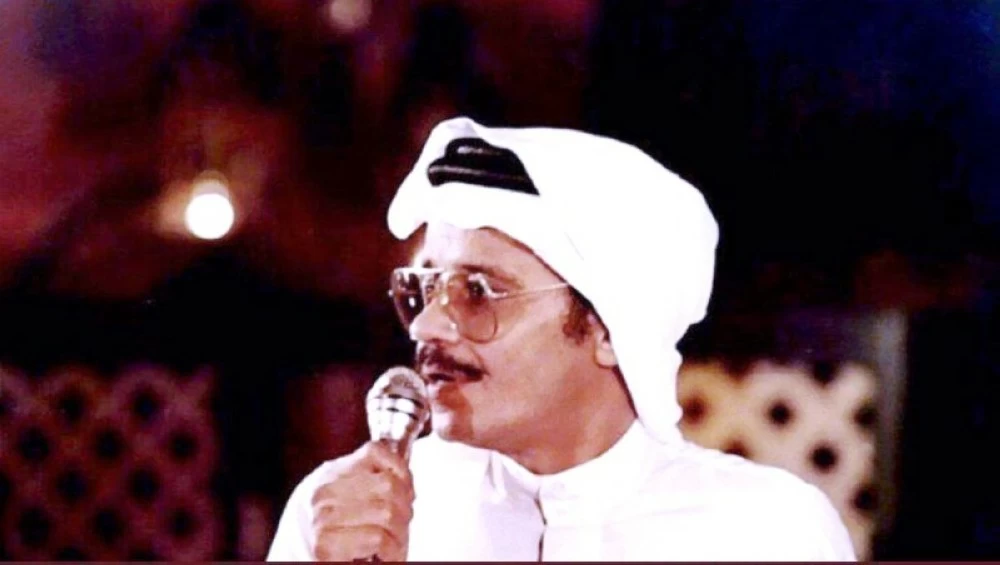
In a historic move that is reshaping the cultural landscape of the Kingdom, the capital, Riyadh, witnessed an exceptional moment: a strategic collaboration between the Saudi Broadcasting Authority and the Saudi Music Authority to relaunch the "Saudi Television Theater." This initiative is not merely a fleeting event, but a massive cultural project aimed at connecting the flourishing present with a rich artistic heritage that has shaped the Saudi consciousness for decades and contributed directly to forging the national musical identity we know today.
The roots of this venerable artistic institution go back to the 1960s, a pivotal period in the history of Saudi media. It evolved from "Radio Theater," launched in 1961, to "Television Theater" in 1966. Since then, it has become the premier platform for musical evenings, theatrical performances, and monologues, contributing to the dissemination of Saudi art and enhancing its presence not only locally, but also at the Gulf and Arab levels, as Saudi television at that time served as the Arab world's window to art in the Arabian Peninsula.
On this stage, the birth certificates of Saudi Arabia's artistic giants were written; prominent names emerged who shaped the features of modern Saudi song, most notably "The Voice of the Earth," Talal Maddah, and "The Artist of the Arabs," Mohammed Abdu. The public became acquainted with these giants early on through the musical programs hosted by this theater, before they became icons of authentic Arabic music, making this place a living testament to the evolution of Eastern music.
The role of theater didn't end with the pioneering generation; it continued to nurture subsequent generations, presenting concerts by voices that represented an extension of Saudi creativity, such as Abadi Al-Johar, Abdul Majeed Abdullah, and Ali Abdul Karim. Theater solidified its role as a true platform for discovering talent and creating stars, as appearing on Saudi television was the "passport" to the hearts of audiences during that golden era.
The relaunch of the theater today is of paramount importance in light of the accelerating cultural movement that the Kingdom of Saudi Arabia is witnessing within Vision 2030. This step comes in conjunction with huge educational and artistic projects in the fields of music, theater and performing arts, reflecting a strategic direction to enhance the cultural sector and diversify its community presence, and to make Riyadh a leading artistic destination in the region.
The anticipated impact of this theater's return extends beyond mere entertainment; it represents a revival of Saudi Arabia's soft power, a documentation of its musical heritage, and an inspiring platform for emerging young talents. Between the memory of the past and the aspirations of the future, the return of "Saudi Television Theater" appears to be a gateway for the emergence of new voices who will write their future chapters on the same stage where the giants once stood, ensuring the continuation of artistic creativity in the Kingdom.
Culture and Art
Tim Hassan celebrates Mona Wassef's birthday on the set of the series "Mawlana"
Watch the video of Tim Hassan and the cast of the series "Mawlana" celebrating the birthday of the esteemed Mona Wassef. Details about the highly anticipated series, its plot, and the stars participating in this latest Syrian drama production.

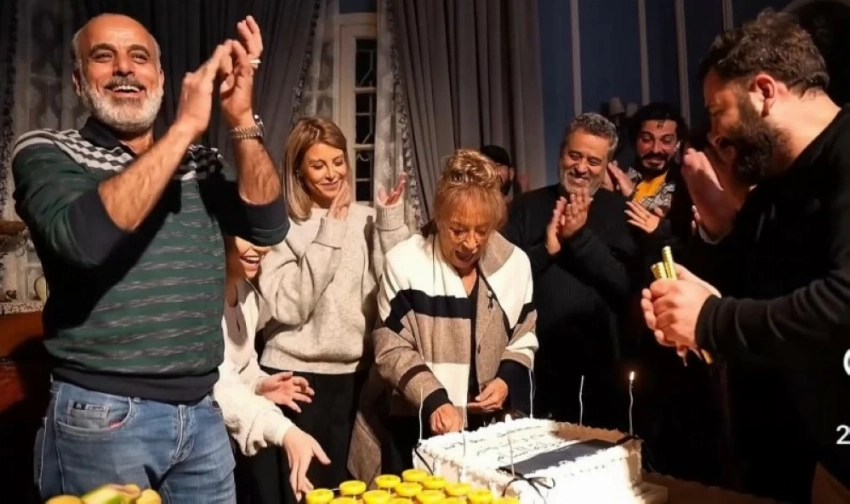
In an atmosphere filled with family and deep appreciation, the set of the highly anticipated series "Mawlana" witnessed an exceptional celebration of the birthday of the iconic Syrian and Arab actress, Mona Wassef. The cast and crew, including star Taim Hassan, participated in the celebration, transforming the set into a space of love and loyalty for one of the most important figures in Arab art.
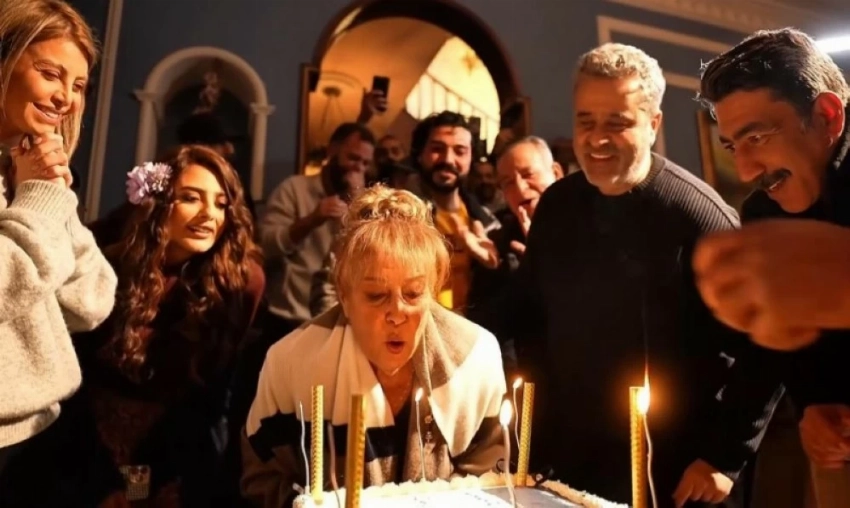
The stars of the series expressed their deep appreciation for the long and inspiring artistic career of the star Mona Wassef, considering that her presence in any artistic work gives it weight and added value, describing her as an example to be followed in commitment and artistic creativity.
Documenting emotional moments and audience reactions
The production company documented these joyous moments in a video posted on its official Instagram account. The video was accompanied by a touching message praising the stature of "Umm Joseph" in Syrian drama, describing her as a cornerstone of Arab art and a figure with an unforgettable, timeless presence—a testament to the deep respect the drama industry holds for this great icon.
The video clip received a wide and immediate reaction from the Arab public and a large number of artists, who rushed to express their great love for the Syrian star, confirming her established artistic and human value through comments full of love and prayers for a long life.
Mona Wassef... a pillar of drama and a history of giving
This celebration reaffirms the undeniable stature of Mona Wassef, dubbed the "Oak of Syrian Drama." She is not merely an actress, but a living artistic legacy spanning decades, from her timeless roles in international cinema, such as Hind bint Utbah in the film "The Message," to her portrayals of strong and wise mothers in modern television dramas. Her participation in the series "Mawlana" is considered a significant addition to the production, especially after the resounding success of her on-screen partnership with star Taim Hassan in the series "Al-Hayba," where they created a unique artistic harmony between mother and son, raising expectations for the new project.
A renewed artistic partnership in "Mawlana"
The series "Mawlana" reunites a select group of artists under the direction of the creative director Samer Barqawi, who formed a successful duo with Taim Hassan over the years, producing works that dominated the Arab drama scene. The presence of Mona Wassef in this equation enhances the chances of the work's success and lends it a touch of authenticity.
The series “Mawlana” presents a human drama that carries deep symbolic messages, in which Taim Hassan embodies a complex pivotal character who tries to escape the consequences of his past, to enter a journey of transformation that makes him an influential and decisive factor in shaping the fate of an entire village, in a dramatic plot that promises a lot of suspense and social implications.
The cast and crew of the TV series "Mawlana"
The series boasts a stellar cast of Syrian drama stars who come together to deliver this epic production. Alongside the esteemed Mona Wassef and the renowned Taim Hassan, the cast includes Nour Ali, Fares Al-Helou, Nancy Khoury, Alaa Al-Zoubi, Hima Ismail, Ghaith Ramadan, and others. Written by Lubna Mashlah and directed by Samer Al-Barqawi, the series is expected to be one of the most prominent drama productions of the upcoming season.
Culture and Art
Majed El Masry joins the cast of the film Weekend with Ahmed Dawood and Huda El Mufti
Officially, Maged El Masry joins the cast of the film "Weekend." Learn about the details of the project, the filming locations in El Gouna and Soma Bay, and behind-the-scenes information about his new Ramadan series, "Awlad El Ra'i" (The Shepherd's Sons).
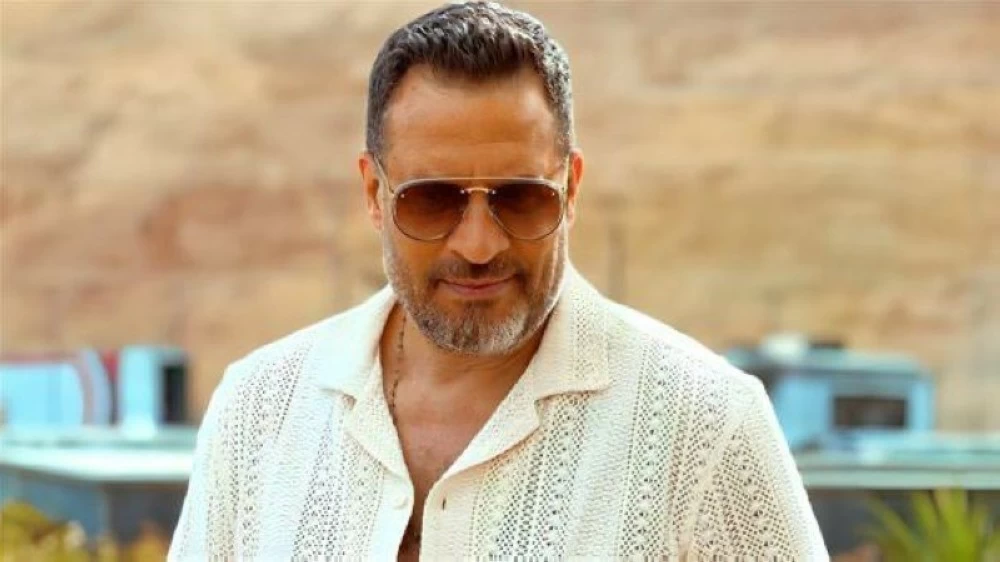
In a new artistic move that strengthens the anticipated cinematic competition, it was officially announced that Egyptian star Maged El Masry the cast of the film "Weekend." He will star alongside a group of prominent young actors, including Ahmed Dawood , Huda El Mufti , and Abdel Rahman Mohamed. This signing comes as the production company finalizes the casting of the remaining actors for the film, which is expected to garner widespread public attention due to its star-studded lineup.
Extensive preparations and enchanting filming locations
The film's production company is currently finalizing logistical preparations, conducting meticulous location scouting for carefully selected filming sites that serve the film's dramatic context. A number of Egypt's most prominent tourist and coastal landmarks have been chosen, including Cairo, El Gouna, Soma Bay, and the stunning beaches of the Red Sea. These locations are chosen to showcase the beauty of Egypt's natural landscape and incorporate it into the cinematic visuals, in preparation for filming to begin immediately after the Eid al-Fitr holiday.
The artistic context and the creators of the work
The film "Weekend" belongs to the genre of suspenseful social dramas, unfolding within a framework brimming with mystery, surprises, and thrills—a cinematic style that has recently enjoyed considerable popularity at the Egyptian and Arab box office. Written by Hussein Niazi and directed by Sarah Karim, the film aims to present a fresh visual and narrative vision that aligns with the evolution of modern Egyptian cinema.
Majed El Masry... Intense artistic activity during Ramadan
On another front, and in parallel with his film preparations, actor Maged El Masry is experiencing a surge in dramatic activity, as he will be participating in the upcoming Ramadan season with the series "Awlad El Ra'i" (The Shepherd's Sons). This production is considered a major production, bringing together a constellation of stars, including Khaled El Sawy, Ahmed Eid (who has recently achieved remarkable success), Amal Bouchoucha, Nermin El Feky, and Ehab Fahmy.
The series, directed by Mahmoud Kamel, consists of 30 episodes and falls under the action thriller genre. Sources have revealed that the work will include challenging and complex action scenes, requiring physical fitness and special preparation from the actors—an arena in which Maged El Masry excels, drawing on his long history of portraying complex roles and powerful characters that leave a lasting impression on Arab audiences.
This diversity in Majed Al-Masri’s choices between cinema and drama confirms his keenness to have a strong and influential presence in the artistic scene, offering his audience a rich feast of high-quality art, whether through the big screen or through seasonal television drama.
-

 Local News 6 days ago
Launch of the city's shuttle bus service in Ramadan 1447 AH: Routes and stations
-
Local news one week ago
Rabigh inaugurates the world's largest water innovation oasis and enters the Guinness World Records
-
Culture and Art, 1 week ago
The series "Rouh OFF" was permanently canceled by a decision of the Actors' Syndicate
-
Culture and Art 6 days ago
Yasser Galal and Radwa El Sherbiny: Details of a new artistic project that brings them together
-
Local news one week ago
Schedule of Taraweeh and Tahajjud prayers at the Two Holy Mosques for Ramadan 1447 AH
-
Local News 6 days ago
The Ministry of Education revokes the licenses of 74 private schools due to safety and quality violations
-
Local news one week ago
Saudi Arabia weather: Rain in Riyadh, the Eastern Province, and Qassim, and dense fog
-
Local News 6 days ago
Mohammed Al-Rasasmeh appointed as official spokesperson for the Ministry of Municipalities and Housing


