
Culture and Art
Liqaa El-Khamissi clarifies her stance on the hijab and retiring from art
Liqaa El-Khamissi reveals her opinion on the hijab and its relation to retiring from art, stressing that it is a behavior and not just an appearance, and she talks about the rules of acting and Hanan Turk’s experience in new statements.

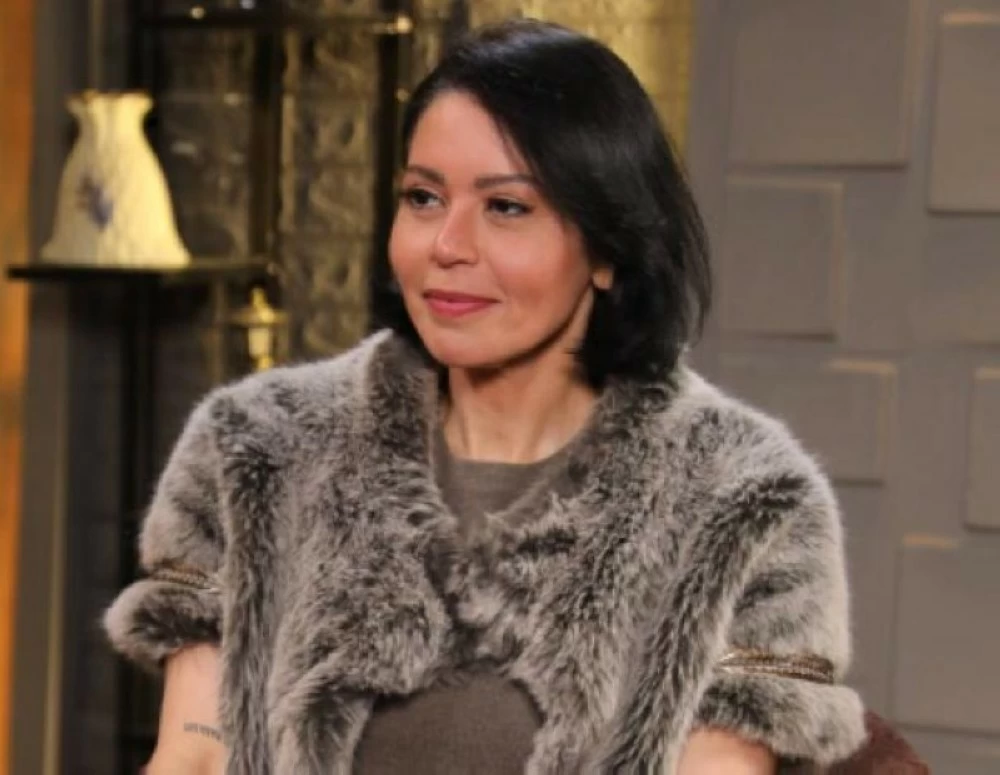
Egyptian artist Liqaa El-Khamissi sparked a wide debate in artistic and public circles after her recent statements in which she addressed the issue of the hijab and its relationship to artistic work, categorically denying that religious commitment or wearing the hijab is an inevitable reason for retiring from acting or staying away from the spotlight.
The concept of the hijab: between form and content
In a detailed television interview, Liqaa El-Khamissi presented her own perspective on the concept of hijab, emphasizing that its essence lies in "the veil of the mind and behavior" before it is merely a piece of cloth covering the hair. She explained that the primary purpose of hijab is modesty and covering the chest area, stressing that morals and human interactions are the true measure of piety, not just outward appearance. These statements come at a time when the debate surrounding the appearance of female artists and its relation to their level of religious commitment is constantly renewed.

The debate surrounding art and religious commitment
Al-Khamisi addressed a crucial point regarding the impact of the passing of colleagues in the artistic community on artists' decisions. She affirmed that death is inevitable, but it doesn't necessarily lead her to consider retiring from art, as she believes acting is an important and influential social message. She pointed out that Egyptian and Arab artistic history has witnessed numerous examples of actresses who were able to reconcile wearing the hijab with dramatic work by establishing specific guidelines for their performances, such as refraining from physical contact or scenes that might conflict with the nature of the hijab. This, she argued, proves that creativity can continue without compromising one's principles.
The historical context of the phenomenon of veiled female artists
Liqaa El-Khamissi's statements bring to mind an important era in the history of Egyptian cinema and drama. From the 1990s to the early 2000s, the artistic scene witnessed a wave of what became known as the "repentant actresses" or veiled actresses, some of whom retired permanently, while others returned to acting within the bounds of Islamic law. This context lends El-Khamissi's statements an added dimension, as she attempts to emphasize that art is not at odds with religion, and that talent can coexist with religious commitment.
Praising Hanan Turk's role model
In closing, Liqaa El-Khamissi made a point of mentioning the retired actress Hanan Turk as a respected and admired role model, noting that Turk's decision to wear the hijab and step away from the spotlight stemmed from a personal conviction worthy of respect. This stance underscores the importance of respecting the personal freedoms of artists, whether they choose to continue working in the arts within certain parameters or prefer to withdraw. She emphasized that an artist's true value lies in their creative contributions and the positive impact they have on the public.


Culture and Art
Jack Lang's successor at the Arab World Institute: Who is the most likely candidate?
The search is on for a successor to Jack Lang as president of the Arab World Institute in Paris, following his resignation over the Epstein scandal. Learn about the leading candidates and the future of Franco-Arab cultural relations.
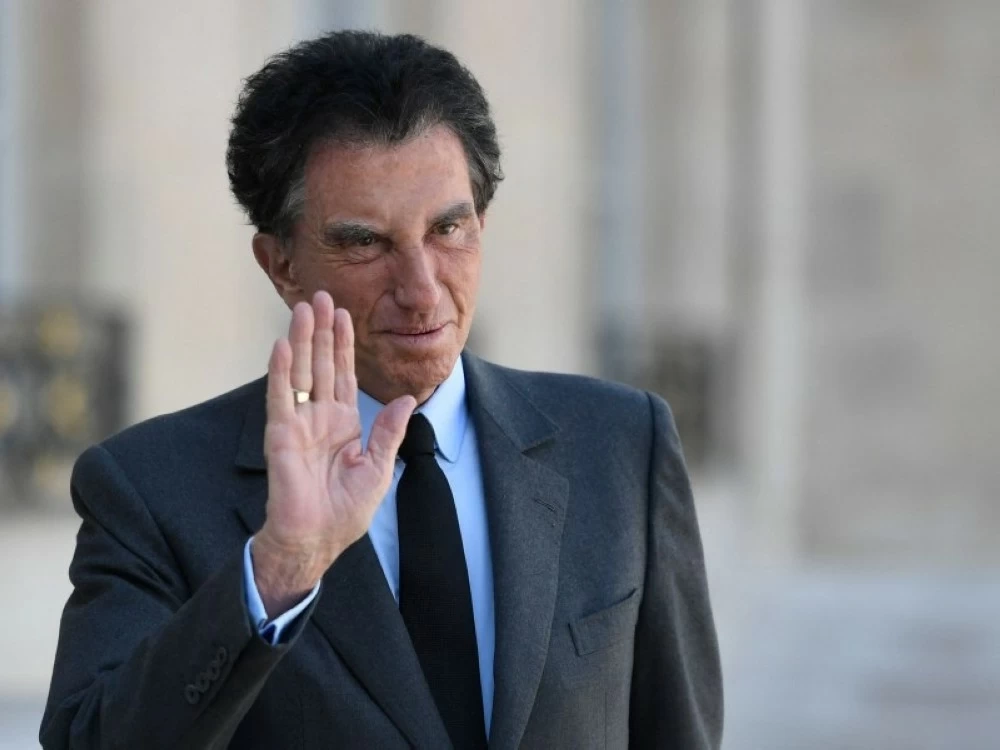
All eyes will be on Paris on the 17th of this month, where the identity of the new president of the Arab World Institute is expected to be decided, succeeding the veteran politician and former Minister of Culture, Jack Lang. This decision comes at a pivotal moment, not only concerning an administrative change, but also shaping the future of cultural and diplomatic relations between France and the Arab world, amidst a storm of controversy that ousted one of the most prominent cultural figures of the Fifth Republic.
The end of the Lang era: resignation under pressure from scandals
Jack Lang's departure from the scene was anything but ordinary; the crisis erupted in late January following leaks of emails and photos linking Lang and his daughter Caroline to convicted sex offender Jeffrey Epstein. The situation worsened on February 6th when the National Financial Bureau opened a preliminary investigation into suspected "money laundering resulting from aggravated tax fraud.".
Faced with mounting pressure, and anticipating an imminent dismissal after being summoned by the French Foreign Ministry, Lang announced his resignation, bringing to a close 13 years as president of the institute, leaving behind a cultural legacy now surrounded by major question marks.
Arab World Institute: The symbolism of the place and its historical role
To understand the importance of this position, one must consider the historical context of the Arab World Institute. This prestigious institution was founded in 1980 through a partnership between France and 18 Arab states, serving as a cultural bridge connecting the two shores of the Mediterranean. The Institute is distinguished by its iconic building, designed by the renowned architect Jean Nouvel, which blends modern architecture with traditional Arab decorative elements (mechanical mashrabiya screens).
For decades, the institute has been more than just an exhibition center; it has been a key instrument of French "soft power," a platform for cultural diplomacy that allows Paris to maintain its influence and presence in the Middle East and North Africa. Therefore, the choice of the new president transcends the cultural dimension, touching upon the very core of the Élysée Palace's geopolitical objectives.
Candidates' Stock Exchange: A Struggle for Influence and Experience
As President Emmanuel Macron and the Foreign Ministry seek to break with the "Lang years," several prominent names emerge as potential successors:
- Audrey Azoulay: The Director-General of UNESCO and former Minister of Culture, she is considered the frontrunner. Despite attempts to link her name to the Epstein case, French press reports have refuted these claims, asserting that her name was only mentioned in the context of her appointment to UNESCO in 2017, without any legal implications.
- Jean-Yves Le Drian: The former Minister of Foreign Affairs and Defense, who has considerable political weight and extensive connections in the Gulf, and currently heads the French Agency for the Development of Al-Ula in Saudi Arabia, making him a strategic choice for strengthening economic and cultural partnerships.
- Other diplomatic names being mentioned include Anne-Claire Legendre, Macron's Middle East advisor, and former ambassador Francois Gouyette, while reports indicate that former Culture Minister Rima Abdel Malek has declined the position.
The repercussions of the crisis on cultural heritage
The scandal cast a shadow over Jack Lang's intellectual projects; Gallimard announced the postponement of the release of his book "My Life with Mitterrand" to the second half of 2026. The book was expected to document a golden era of French culture, as Lang, during the era of President François Mitterrand, contributed to the enactment of the uniform price law for books, the launch of the World Music Festival, and the supervision of major projects such as the Louvre Pyramid.
Today, the Arab World Institute stands at a crossroads; will the Élysée Palace choose a technocratic figure to calm the storm, or will it push forward a heavyweight political figure who will redefine the French role in the Arab region? The anticipated answer will determine the course of French cultural diplomacy for years to come.
Culture and Art
Mai Farouk: The "Masterpieces of El-Mogi" concert was a turning point, and these are the behind-the-scenes details of my wedding
Artist Mai Farouk revealed behind-the-scenes details of her artistic career and the impact of the Rawai’ Al-Mogi concert in Riyadh. She also responded to the criticisms leveled against her second marriage and attempts to harm her.

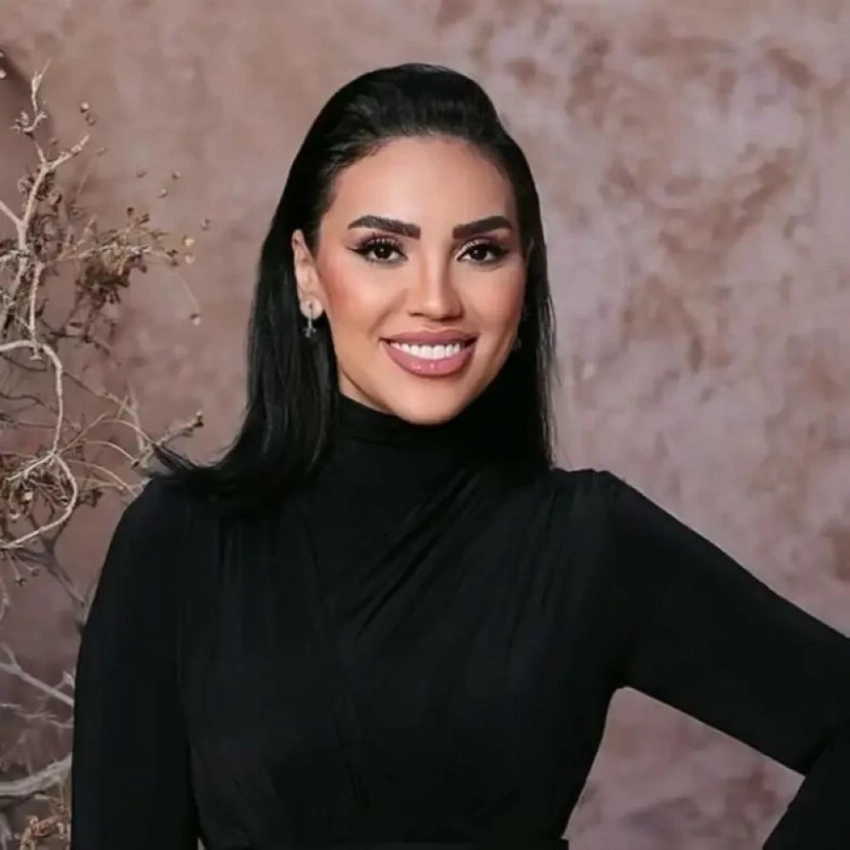
In candid statements that revealed many hidden aspects of her professional and personal life, Egyptian singer Mai Farouk that her exceptional participation in the “Masterpieces of Al-Mogi” concert as part of the Riyadh Season events in the Kingdom of Saudi Arabia, specifically her performance of the song “Ask Your Soul” by the legendary Umm Kulthum, represented a radical turning point in her artistic career, ending years of continuous attempts to reach the position she deserves.
From opera to international acclaim: a long artistic journey
Mai Farouk's statements bring renewed attention to the long journey of this artist, a graduate of the Egyptian Opera House, who was known from the beginning for her commitment to performing authentic Tarab music. Despite the undeniable quality of her voice, Mai Farouk faced significant challenges for years in a music market that often favored fast-paced, rhythmic songs, which slowed her progress towards widespread popularity compared to her considerable talent.
The “Masterpieces of Al-Mogi” concert, organized by the General Entertainment Authority in Saudi Arabia in honor of the late musician Mohamed Al-Mogi, is a pivotal event that restored the prestige of Arab music stars, as it provided Mai Farouk with a wide creative space in front of a discerning audience, which contributed to her rediscovery in the Arab world in a manner befitting her history.
The weight of talent and the challenges of lean years
In her television interview, Mai Farouk explained that she had faced rejection and criticism in the past for her insistence on singing in the old and classical style. She noted that this insistence, despite its difficulty, later turned into a positive force.
The Egyptian artist admitted that she sometimes felt that "her talent was a burden on her," especially during her first marriage, which lasted 12 years, as she made strenuous attempts to appear at concerts and festivals without finding sufficient appreciation that matched her vocal abilities, before the major breakthrough came through the Riyadh Season.
Controversy surrounding second marriages and bullying
Mai Farouk's statements weren't limited to the artistic aspect; she also addressed the widespread controversy surrounding the announcement of her second marriage. She expressed her surprise at the contrasting reactions, which ranged from overwhelming support to unwarranted attacks.
She noted that the criticism did not stop at expressing an opinion, but went so far as to interfere in her personal life and criticize her appearance and clothes, which negatively affected her psychological state at times, before she decided to ignore these voices and focus on her art and private life.
Betrayals by those close to you and the price of success
In a related development, Mai Farouk revealed that some attempts to sabotage her career came from close associates, including friends and relatives. She confirmed that these actions caused her significant psychological distress and led to deep self-doubt about her abilities and skills. However, she was able to overcome these crises thanks to her belief in her talent and the unwavering support of her fans.
Mai Farouk’s current success reflects a strong return of Arab artistic taste that seeks authenticity, and confirms that true art is capable of asserting itself no matter how long periods of marginalization last or how much market standards change.
Culture and Art
The secrets to the slim figures of Turkish stars: Real diets, far from myths
Discover the true secrets to the slim figures of Turkish stars. From Sinem Ünsal's intermittent fasting to Fahriye Evcen's traditional recipes, learn about the stars' healthy diets.
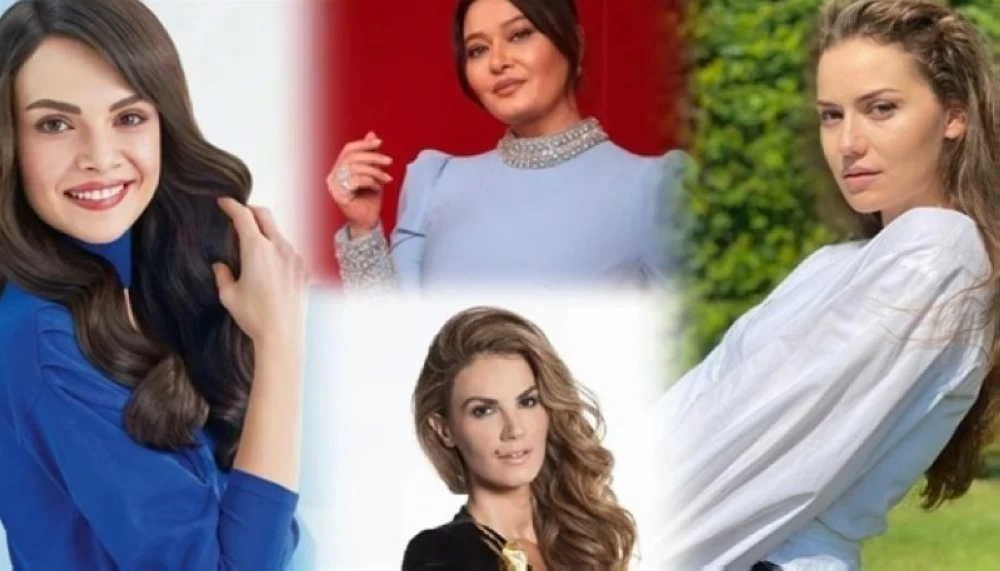
Turkish dramas are no longer just a form of entertainment in the Arab world and the Middle East; they have transformed into a powerful cultural and social phenomenon, with the actresses in these series becoming icons of beauty, fashion, and fitness. With this significant influence, the public is increasingly interested in discovering the real secrets behind the slender figures of Turkey's top stars, especially after pregnancy and childbirth, moving beyond rumors of cosmetic surgery or miraculous slimming pills.
The truth behind fitness: commitment, not magic
Amidst the proliferation of misleading advertisements exploiting celebrity images to promote weight-loss products of dubious origin, several Turkish actresses have broken their silence to clarify the facts. Their unified message was clear: there is no magic wand, only dietary discipline and inherited healthy habits.
Fahriye Evcen: Returning to nature and traditions
Actress Fahriye Evcen faced campaigns that exploited her name to promote turmeric-based products after the birth of her son, Karan. However, the truth she revealed was simpler and healthier: Fahriye relied on traditional Turkish healthy foods, consuming dried fruits, dates, bulgur, and the traditional drink "khoshaf." Her primary focus was on her child's health and breastfeeding, refusing to introduce any chemicals into her body.
Sinem Ünsal: Strict Intermittent Fasting
In contrast, Sinem Ünsal, star of the series "The Faraway City," follows a more modern and rigorous approach known as "time and food economy." Ünsal relies on a very narrow eating window of no more than four hours a day, compared to 20 hours of fasting. This advanced form of intermittent fasting explains her remarkable slimness and ability to maintain a stable weight despite the pressures of filming.
Tulin Shahin and Shenay Akai: The Multi-Meal Strategy
Unlike prolonged fasting, model Tulin Shahin and her colleague Shenay Akai rely on speeding up their metabolism through frequent meals:
- Tulin Shahin: She divides her day into 6 small meals, starting with a royal breakfast rich in whole grains and protein, with a focus on nuts to promote skin freshness.
- Shenay Akai: She focuses on preventing low blood sugar through frequent meals, walks for an hour daily, and occasionally allows herself to eat Turkish manti in moderation.
Nurgül Yeşilçay and Berna Laçin: Psychological Balance and Non-Deprivation
Actress Nurgül Yeşilçay proves that being slim doesn't mean complete deprivation. She successfully regained her figure by reducing portion sizes and avoiding fried foods, while still enjoying a daily piece of chocolate. Berna Laçin agrees, having lost 10 kilograms in a year by adopting a "half-measures" approach and avoiding the obsession with numbers that hinders both mental and physical progress. She prefers home-cooked meals prepared with olive oil.
Seda Sayan and Sibel Jan: Specific Dietary Systems
TV presenter Seda Sayan follows a food and water separation system, starting her day with dried apricots and warm water, and separating carbohydrates and proteins in her meals. Meanwhile, singer Sibel Can relies on a comprehensive system that begins with fruit salad and water, along with regular exercise twice a week to maintain a toned physique.
Medical warning: Nutrition experts emphasize that these diets, despite their success with celebrities, may not be suitable for everyone. They strongly caution against following strict diets or taking weight-loss pills without medical consultation, noting that some commercial products have caused serious health problems in the past.
-

 Local news one week ago
Launch of the city's shuttle bus service in Ramadan 1447 AH: Routes and stations
-
Culture and Art, 1 week ago
Yasser Galal and Radwa El Sherbiny: Details of a new artistic project that brings them together
-
Local news one week ago
The Ministry of Education revokes the licenses of 74 private schools due to safety and quality violations
-
Local news one week ago
Mohammed Al-Rasasmeh appointed as official spokesperson for the Ministry of Municipalities and Housing
-
Culture and Art, 1 week ago
Poster for the series "Two Others": Asser Yassin and Dina El Sherbiny in Ramadan
-
Politics, one week ago
German Chancellor Friedrich Merz departs Riyadh after an official visit
-
Local news one week ago
Saudi Arabia weather today: Thunderstorms and dust in 5 regions
-
Culture and Art, 1 week ago
Suad Abdullah cries over Hayat Al-Fahad's situation: I visited her and she didn't even notice me


