
Culture and Art
Jassim Safar Al-Haidous: A Biography of a Pioneer of Creativity and Qatari Song
Learn about the life of Jassim Safar Al-Haydos, a pioneer of media and poetry in Qatar. A creative journey that immortalized the most beautiful national songs and radio programs that shaped the Gulf consciousness.

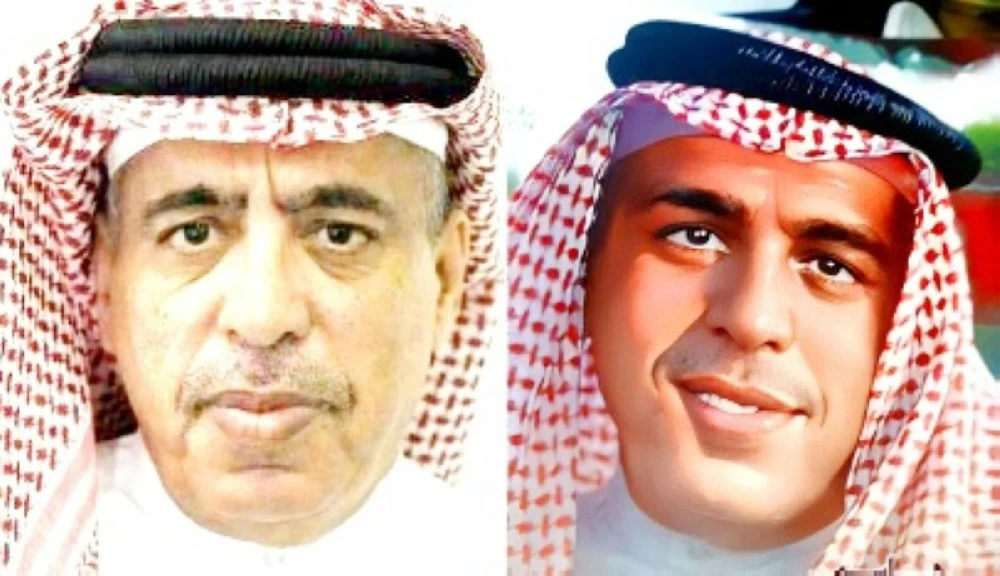
The late Jassim Safar Al-Haidous was one of the most prominent figures who contributed to shaping the cultural and media landscape in Qatar. His career was not merely a fleeting presence in radio and journalism, but a foundational journey that left a profound mark on the collective memory. Al-Haidous combined a gift for sincere expression with a keen sense of patriotism, making him a voice that resonated with Qatari identity throughout its various stages of development, leaving behind an artistic and literary legacy for generations to come.
Historical context: The pioneering generation and the good old days
Jassim Safar emerged during a pivotal era in the history of Qatari and Gulf media, a period that witnessed the launch of national media institutions and the beginnings of the modern art movement in the 1970s and 80s. He was part of the "golden generation" that shouldered the responsibility of transmitting Qatari heritage from oral tradition to artistic documentation through radio and television. His rise coincided with a comprehensive renaissance in the Gulf states, where he played a central role in shaping the modern Qatari song, which blended tradition and modernity, thus contributing to the strengthening of national identity through the arts.
An inspiring beginning between the sea and the word
Jassim bin Ali bin Safar Al-Haidous was born in 1951 in the coastal city of Al-Khor, and grew up in a distinguished family. The sea had a profound influence on his character, providing him with refuge and tranquility, which is reflected in his writings, characterized by depth and clarity. His grandmother, Sheikha, also played a significant role in nurturing his literary talent, instilling in him a love of poetry and storytelling from a young age. He received his education in schools in Al-Khor and Doha, and began his career at Qatar Radio during the 1980s, where he presented successful programs such as "Taqasim wa Awraq Sha'biya" and "Sada Al-Wajdan," before moving into journalism, where he became editor-in-chief of the newspaper "Shabab Al-Youm" and wrote his renowned articles for the newspapers Al-Sharq, Al-Raya, and Al-Watan.
Artistic impact and regional dimension
Jassim Safar's influence wasn't limited to the local level; his creativity extended throughout the Arabian Gulf. He wrote the lyrics for the timeless sports anthem "Ya Muntakhabna Al-Ghali" (Oh, Our Beloved National Team), which became an iconic sports song in the region and continues to be sung in stadiums today, reflecting his remarkable ability to connect with the emotions of the fans. He also collaborated with prominent artists such as Ali Abdul Sattar and the late Faraj Abdul Karim on patriotic and romantic works like "Aini Qatar" (My Eyes Are on Qatar) and "Ana Aqoul Ah" (I Say Ah). This diverse range of productions, from television dramas to children's theater and poetry, made him a significant cultural figure, and his works contributed to documenting and disseminating the Qatari dialect and vocabulary regionally.
Human qualities and a painful departure
The late artist was known for his dignity and composure, and he was a pioneer in keeping up with technological advancements, being among the first to bring the internet into their homes in Qatar. Despite his usual quiet demeanor, he possessed a heart full of love for his country, his family, and his friends. His health suffered significantly after his retirement and the passing of his close friend, the artist Faraj Abdulkarim. In his later years, he endured health crises that culminated in his death on January 16, 2023, at Hamad General Hospital, following treatment abroad. "Abu Ali" has departed physically, but he remains alive in the hearts of all who sang his songs or read his lyrics, a testament to an era of authentic Qatari creativity.


Culture and Art
Tarek Lotfy and Hend Sabry in the film Hamlet: Full details
Tarek Lotfy reveals behind-the-scenes details of the film Hamlet with Hend Sabry and Ahmed Dash. Learn about his new role, his recent film projects, and his Ramadan 2026 surprise with Mahmoud Hamida.
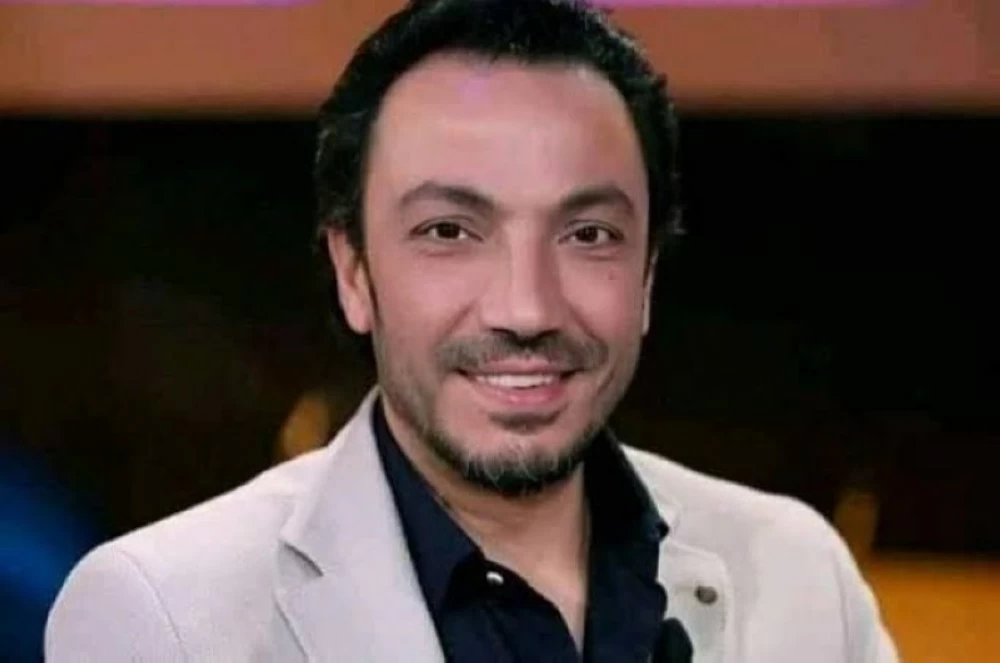
In a highly anticipated artistic move that is set to reshape the cinematic landscape for the upcoming season, Egyptian actor Tarek Lotfy details of his new film project, titled "Hamlet," in an exclusive interview with the newspaper Okaz. This ambitious project brings Lotfy together with Tunisian star Hend Sabri and young actor Ahmed Dash , in an experiment that its creators are betting will offer a distinct cinematic language to Arab audiences.
Behind the scenes of filming and dramatic treatment
Tarek Lotfy explained that he is currently filming scenes for the movie, expressing his great enthusiasm for the idea that captivated him from the moment he read the script. He pointed out that the work is distinguished by its unconventional dramatic treatment, departing from the norm, and affirmed that "Hamlet" will offer a unique artistic experience and many surprises for viewers when it is released in theaters. This step further strengthens Lotfy's presence in cinema with complex roles that demand exceptional acting abilities.
A meeting of minds between Lotfi and Hend Sabry
Speaking about the cast, Lotfy described his collaboration with star Hend Sabry as an extremely enjoyable experience, noting that this film marks first on-screen collaboration . This encounter is a significant artistic event in itself, given the illustrious careers of both stars. Hend Sabry boasts an impressive filmography and a wide fan base across the Arab world, while Tarek Lotfy is known for his mastery of portraying complex psychological roles. Lotfy revealed that he plays a character who undergoes intertwined conflicts and confrontations, which form the driving force behind the story's development—a type of profound role he prefers.
Artistic dimensions and connotations of the name
The choice of the title "Hamlet" for the film carries profound artistic and cultural significance, as it automatically evokes William Shakespeare's timeless masterpiece, one of the most influential plays in history. Adapting or drawing inspiration from such universal themes in Egyptian cinema reflects a trend toward producing content of artistic weight, blending age-old human conflicts with a contemporary approach, thus adding a philosophical dimension to the anticipated work.
Previous cinematic milestones: The film "The System"
The film "Hamlet" comes after Tarek Lotfy's last cinematic appearance in the film "The System," which marked his return to the big screen after an absence of nearly four years. In that film, Lotfy portrayed the character "Waheed," a young man who suffers from repeated romantic failures and struggles to interact with the opposite sex. "The System" featured a stellar cast including Ahmed El-Fishawy, Nesreen Tafesh, Mais Hamdan, Mohamed Ali Rizk, Basant Shawky, Noha Abdeen, and Rania Mansour. It was written by Ahmed Mostafa and directed by Ahmed El-Bendary.
Future plans: Ramadan drama 2026
Away from cinema, Tarek Lotfy has begun early planning for a strong return to television drama, as he prepares to participate in the Ramadan marathon of 2026. He revealed that he has signed a contract for a new series entitled “Last Chance”, a work belonging to the suspense drama category, and he will co-star with the great star Mahmoud Hamida , which promises a strong acting contest that drama lovers are waiting for.
Culture and Art
The truth about Nancy Ajram's video and Epstein Island, and her legal response
The truth behind the Nancy Ajram video on Epstein Island has been revealed. The artist responded firmly, vowing to pursue legal action against those spreading the rumors, and confirming that the video is from a surreal dinner in Monte Carlo.
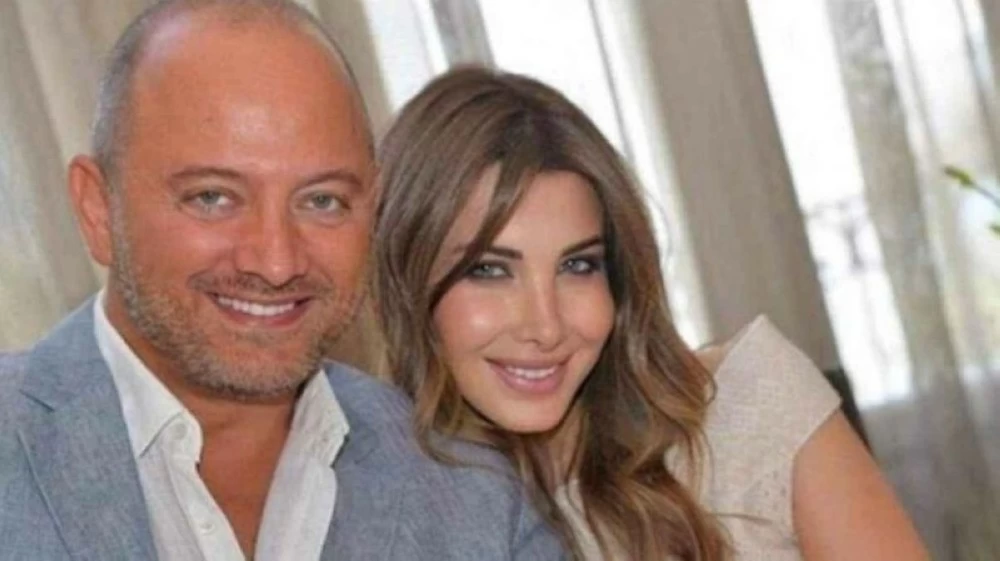
Lebanese singer Nancy Ajram has been trending on social media and search engines in recent hours following a systematic campaign of rumors attempting to link her and her husband, Dr. Fadi Al-Hashem, to the globally controversial "Epstein Island" case. This false connection was based on an old video clip circulated out of its original context, prompting a firm response from the artist and her media office to put an end to these fabrications.
The truth behind the viral video and the surreal dinner
Rumor mongers exploited a video showing Nancy Ajram and her husband at a dinner party with unusual rituals and masks, claiming it was filmed on the infamous island. However, a closer look reveals these claims to be entirely false. The video dates back to 2017 and documents Nancy and her husband attending a "surreal dinner" event in Monte Carlo, France, and has no connection whatsoever to the United States or the Epstein case.
The concept of the "Surrealist Dinner" is based globally on the inspiration of the works of the artist Salvador Dalí, where food is presented in unfamiliar artistic ways that break traditional expectations. It is an artistic and cultural ritual known in high European circles, and it does not carry any suspicious connotations as some have tried to promote.
Hazem's response and resorting to the judiciary
Faced with this wave of misinformation, Nancy Ajram broke her silence, emphasizing that her previous silence did not signify acceptance of the rumors. In her statement, she stressed that "the law and the judiciary will be the final arbiters," expressing her complete confidence in the justice system to deter those spreading false news.
The artist's media office issued a strongly worded statement describing the circulating rumors as "deliberate slander and defamation," emphasizing that linking Nancy Ajram's name to international corruption cases is completely unfounded. The office vowed to take all necessary legal measures, without any leniency, against anyone proven to be involved in publishing or promoting these rumors through any media outlet or online platform, urging everyone to verify information and exercise ethical responsibility before sharing it.
Context of the event and the impact of rumors
These rumors coincide with a global uproar sparked by the recent release of new US court documents related to the late businessman Jeffrey Epstein, which included the names of public figures, politicians, and international artists. This revelation has led to a global digital frenzy, with conspiracy theories flourishing and social media users digging through archives and linking old videos and photos of celebrities to the case without any concrete evidence.
This incident highlights the dark side of social media platforms, where false news can spread like wildfire, causing significant emotional harm to those targeted. Legal and media experts emphasize the importance of relying on official sources and verified documents, rather than being swayed by superficial analyses of edited video clips, to avoid becoming involved in online smear campaigns.
Culture and Art
Hayat Al-Fahad's daughter: My mother lost her speech after the stroke (details)
The daughter of artist Hayat Al-Fahad revealed that her mother has lost the ability to speak and her eyesight has been damaged after a stroke, confirming her return to Kuwait after an unsuccessful treatment trip to London.
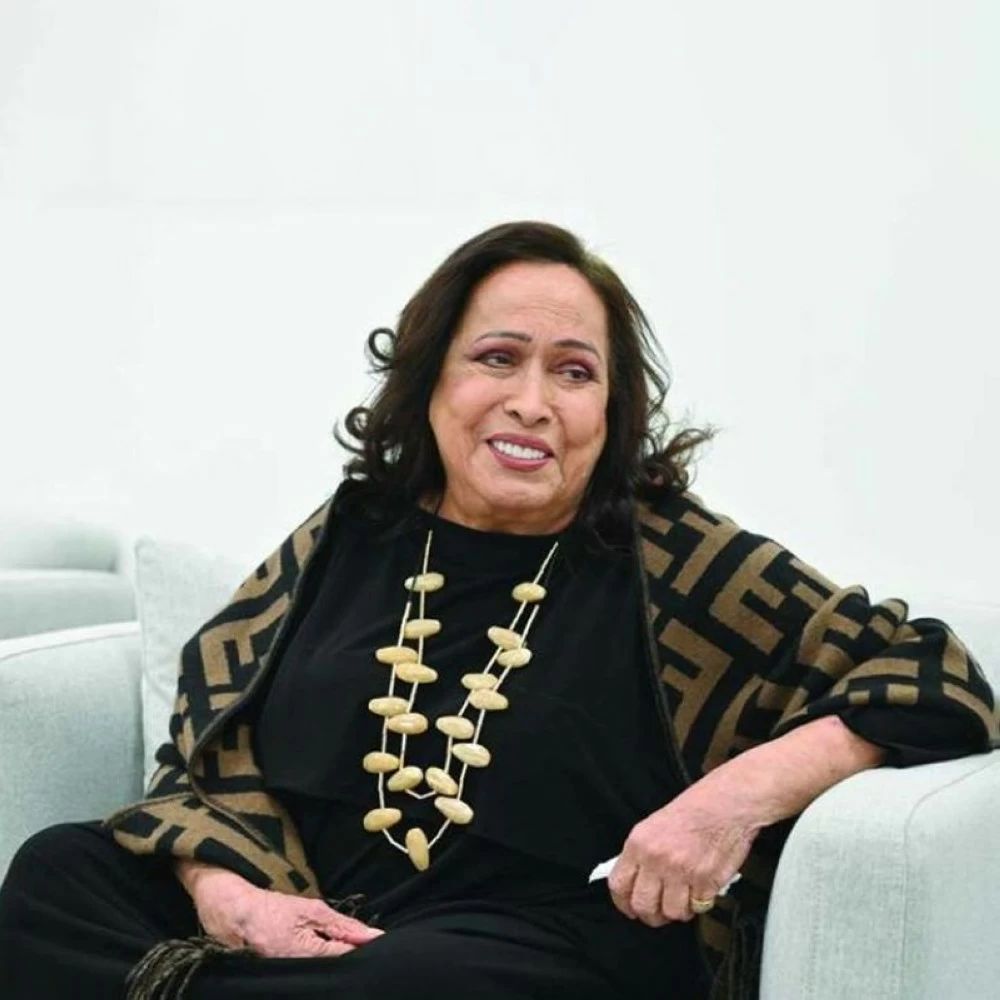
In news that saddened the artistic community and the Gulf and Arab public, Suzan, the daughter of the Kuwaiti drama icon and Gulf screen icon Hayat Al-Fahad, revealed critical health developments that her mother is going through, confirming that the stroke she recently suffered has left severe effects on her general health, the most severe of which and the most psychologically impactful on the family was her loss of the ability to speak.
Details of the health condition and psychological state
In press and television statements, Suzanne explained that the family's current situation is difficult and saddening, given the immense value Hayat Al-Fahad holds not only as a mother but also as a towering artistic icon. She noted that the loss of speech was a profound shock, but expressed her deep gratitude and joy at the outpouring of love, messages of support, and heartfelt prayers that poured in from fans and colleagues in the artistic community. She affirmed that these sentiments gave them positive energy and renewed hope in God's mercy and His power to heal.
London trip and back to Kuwait
In a related development concerning her treatment, the renowned artist's daughter explained that her mother's five-month treatment in London, unfortunately, did not achieve the desired results or the tangible improvement that doctors and the family had hoped for. Consequently, the family decided to return to their homeland, Kuwait, so that the esteemed artist could be among her family and fans. She is currently receiving the necessary medical care under the close supervision of her family and manager, with unwavering hope for her recovery in the near future.
Speech and vision were impaired, and a visitation ban was imposed
For his part, Youssef Al-Ghaith, the manager of artist Hayat Al-Fahad, confirmed the news, explaining in previous statements that the stroke not only affected her speech but also caused damage to her eyesight. Given the sensitivity of her health condition and her urgent need for complete rest and quiet, Al-Ghaith indicated that the medical team treating her has decided to restrict visits at this time to maintain her stability and avoid any stress that could worsen her condition.
Hayat Al-Fahad: A rich artistic history and an indelible mark
This news has come as a shock to cultural and artistic circles, given Hayat Al-Fahad's exceptional stature in the history of Arab drama. She is not merely an actress, but also a writer, producer, and one of the pillars upon which Kuwaiti and Gulf art has been built since the 1960s. Throughout her long career, Al-Fahad presented timeless works that shaped the consciousness of Arab viewers, such as "My Aunt Qumasha," "Ruqaya and Sabiqa," and "The Wound of Time," addressing profound social and human issues through her writing and performances.
The health condition of the Gulf screen icon is not just a family matter, but an event that concerns millions of fans of her refined art, as the entire Arab public awaits any glimmer of hope that heralds her return or an improvement in her condition, praying to God to grant her a speedy recovery so that the smile may return to her face and to the hearts of her fans.
-

 Technology one week ago
ICAN 2026 Conference Conclusion: Initiatives to Enhance Saudi Arabia's Leadership in Artificial Intelligence
-
Local News 4 days ago
Launch of the city's shuttle bus service in Ramadan 1447 AH: Routes and stations
-
Local News 6 days ago
Rabigh inaugurates the world's largest water innovation oasis and enters the Guinness World Records
-
Culture and Art 5 days ago
The series "Rouh OFF" was permanently canceled by a decision of the Actors' Syndicate
-
Culture and Art, 1 week ago
The death of Huda Shaarawi: Damascus bids farewell to Umm Zaki of Bab Al-Hara with a solemn funeral
-
Culture and Art 4 days ago
Yasser Galal and Radwa El Sherbiny: Details of a new artistic project that brings them together
-
Local News 6 days ago
Schedule of Taraweeh and Tahajjud prayers at the Two Holy Mosques for Ramadan 1447 AH
-
Local News 4 days ago
The Ministry of Education revokes the licenses of 74 private schools due to safety and quality violations


