Culture and Art
Impersonating the artist Talaat El-Sherif to solicit financial aid
Impersonating the artist Talaat El-Sherif is causing a stir in the art scene after his name was exploited to solicit financial assistance. Discover the details and reactions in our article.

Impersonating artists: A strange story in the art world
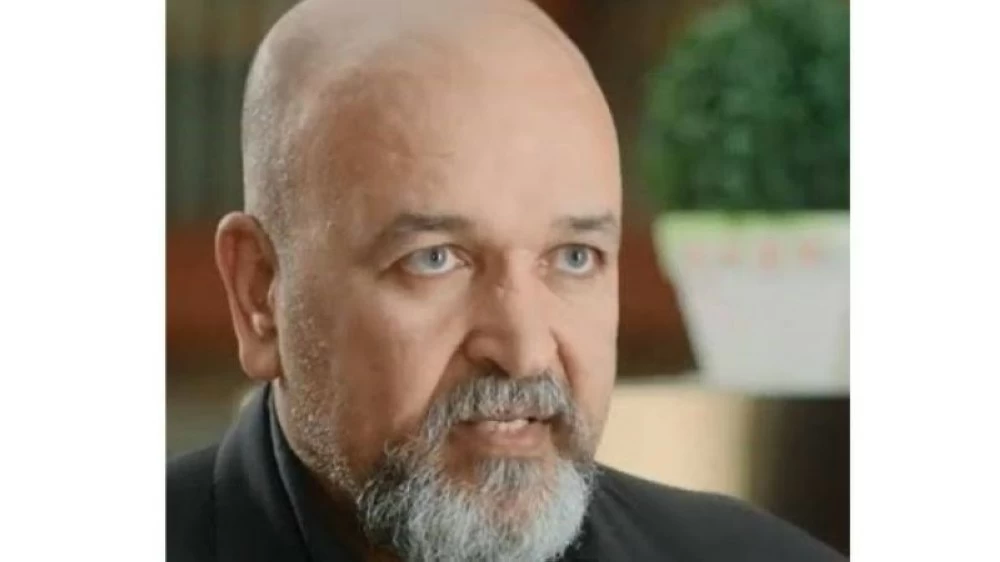
In a scene reminiscent of a gripping drama, Egyptian actor Talaat El-Sherif was the victim of an identity theft attempt by an unknown individual. This person not only impersonated El-Sherif but also contacted his colleagues in the entertainment industry, soliciting financial assistance through his online wallet, claiming to be facing dire financial circumstances.
A swift and decisive response
Sharif's reaction was no less dramatic than the incident itself. He quickly confirmed that what had happened was a clear case of impersonation and a crime punishable by law. He began taking all necessary legal measures against this unknown individual who had attempted to exploit his name and reputation for personal gain.
In a supportive and honorable stance, the Actors' Syndicate affirmed its support for Sharif and its close monitoring of developments in this case. It also stated that it is in constant contact with him to ensure that all necessary legal steps are taken to protect his rights and reputation.
Union warnings to artists
The union not only supported Sharif, but also issued a warning to all its members and artists to be cautious and not to deal with any unknown person claiming to represent other artists and requesting financial assistance. This phenomenon, it seems, is not entirely new to the Egyptian art scene.
A recurring phenomenon in the artistic community
In early May, the head of the Actors' Syndicate, Dr. Ashraf Zaki, warned of similar cases of impersonation targeting artists who have been absent from the artistic scene for years, such as Shawqi Al-Maghazi and Qais Abdel-Fattah. These fraudsters exploited the artists' absence to solicit money from their colleagues in the artistic community.
Among the victims was artist Magid El Masry, who also announced he was taking legal action against an unknown man who contacted him in the same manner. This prompted the syndicate to investigate the matter and clarify the facts for its members and those working in the arts to prevent them from falling victim to scams under the guise of difficult financial circumstances.
Is this the end of the story, or the beginning of a new chapter?
While the investigation continues and the necessary legal procedures are being taken, the question remains: will this be the end of the story or the beginning of a new chapter of fraud attempts? What is certain is that the artistic community will remain more vigilant and cautious than ever before regarding such strange and astonishing attempts!


Culture and Art
Updates on Fifi Abdou's health condition and her new Ramadan program
Details of the health crisis that confined artist Fifi Abdo to bed, and the unveiling of her new program, "A Thousand Nights with Fifi," scheduled to be shown on MBC Egypt in Ramadan 2026.
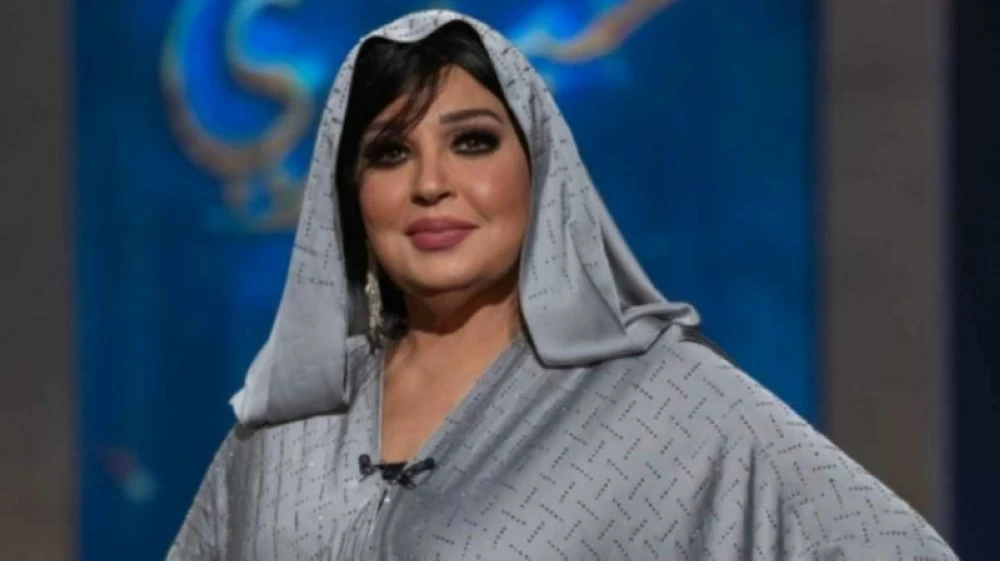
Egyptian star and renowned belly dancer Fifi Abdou a severe health setback in recent days, confining her to bed and temporarily preventing her from interacting with her large fan base. This news has sparked concern among her fans and followers on social media, who are accustomed to her positive energy and constant presence.
In brief media statements, Fifi Abdou revealed details of her health condition, indicating that she had contracted a severe cold. She explained, "I caught a bad cold, and I'm resting completely, avoiding any movement or exertion until I fully recover." She also expressed her deep gratitude to everyone who inquired about her well-being, apologizing for not being able to speak at length due to her current health condition, which requires rest and quiet.
A strong comeback in Ramadan with the program "One Thousand and One Nights with Fifi"
Despite her recent health scare, Fifi Abdou delivered good news to her fans regarding her upcoming programming schedule. The renowned artist confirmed that she has finished filming her new show, "A Thousand Nights with Fifi ," which is set to air during Ramadan. This program further solidifies Fifi Abdou's presence during Ramadan seasons, where she has always been known for her remarkable performances in both dramas and entertainment programs.
Fifi officially unveiled the promotional poster for the program on her official Instagram account, well before the start of Ramadan 2026, indicating an early marketing strategy for the show. She captioned the poster: "Pray for my success and good fortune. Stay tuned for me this Ramadan, God willing, on MBC Egypt in the program 'Alf Leila Ma'a Fifi' (One Thousand and One Nights with Fifi). Happy Ramadan!".
A prolific artistic career and a distinguished media presence
Fifi Abdou is considered one of the most prominent art icons in Egypt and the Arab world, boasting a long and distinguished career spanning decades in belly dancing and acting. Not content with being a top-tier dancer, Fifi has also carved a name for herself in the world of television and film drama through unforgettable roles that showcased her portrayal of the strong, down-to-earth Egyptian woman.
Her return to television presenting on MBC Egypt reflects her enduring appeal and ability to reinvent herself. Fifi Abdou's programs are typically characterized by spontaneity and humor, and they consistently attract a wide audience, not only in Egypt but also in the Gulf region and the Middle East, thanks to her unique charisma and endearing wit.
The impact of social media and public engagement
In recent years, Fifi Abdou has become a digital phenomenon on social media platforms, successfully building a strong connection with younger generations. Her famous phrases and spontaneous videos have become part of digital pop culture in the Arab world. Her show, "A Thousand Nights with Fifi," is expected to garner widespread attention and significant social media engagement, given her massive fan base who eagerly await her return and wish her a speedy recovery so she can once again delight them with her art and unique presence.
Culture and Art
Mohammed Omar: My voice is better than Mohammed Abdo's, and the story behind the song "Tadallal"
Artist Mohammed Omar revealed the details of his dispute with Mohammed Abdo over the song "Tadallal," asserting that his voice is stronger than that of the "Artist of the Arabs," who responded sarcastically to the comparison. Details of the heated exchange are available here.
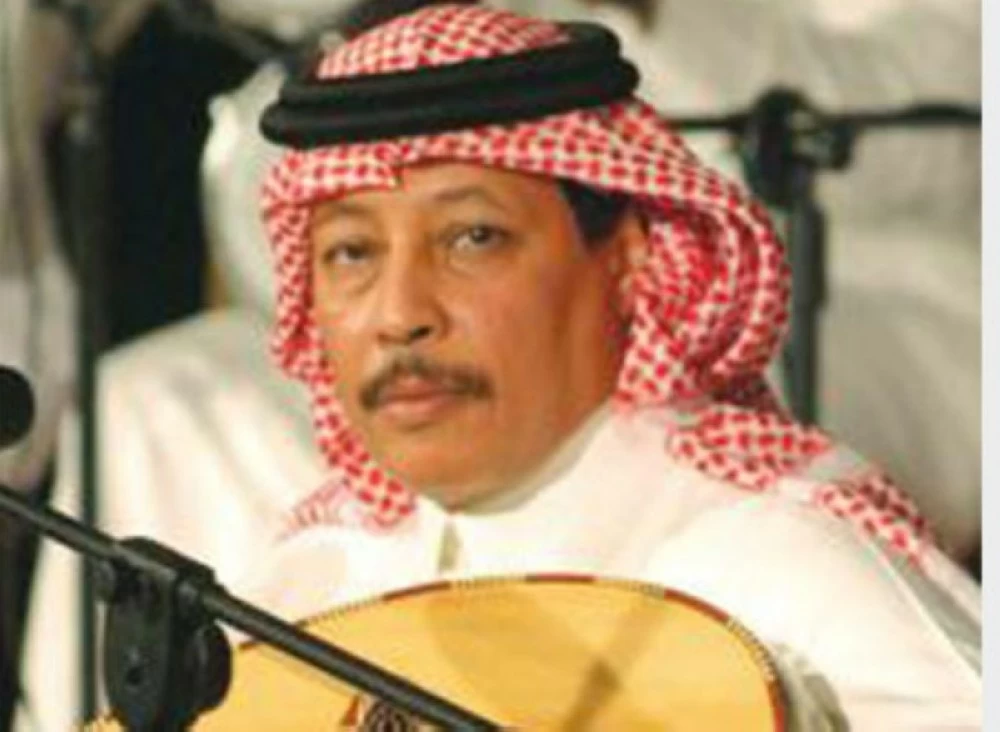
Mohammed Omar sparked widespread controversy in artistic and public circles following his recent fiery statements, revealing historical behind-the-scenes details about his collaboration with the Arab artist Mohammed Abdo , and pointing to details concerning his literary rights in one of the most famous Saudi songs.
The story behind the song “Tadallal” and the old dispute
During his appearance on the program "Where Are You?" on the "Cultural" channel, which focuses on highlighting artists who have withdrawn from the spotlight, Mohammed Omar made a startling revelation. He explained that he had memorized and recorded the famous song "Tadallal ," only to be surprised later to find it released on an official album by the artist Mohammed Abdu without any mention of his name or acknowledgment.
Omar expressed his strong displeasure with the Arab artist, saying: “I did not expect that Mohammed Abdo would release the song in the album without mentioning my name. It was a moral and artistic obligation for him to include my name, especially since the quality of the voice was so similar that the audience thought at the time that the voice belonged to Abu Noura himself.”.
“My voice is better”... a sarcastic response from Mohammed Abdo
The statements didn't stop at merely complaining about intellectual property rights; they went further, extending to artistic comparisons. Mohammed Omar confidently asserted that his voice was better and stronger than Mohammed Abdu's. He cited a past incident where some musicians and attendees conveyed to the "Artist of the Arabs" their opinion that Mohammed Omar's voice was superior in power.
According to Muhammad Omar’s account, this opinion caused Muhammad Abdo to be upset, and he responded at the time with a sarcastic and mocking phrase, saying: “How many tons?”, in an indication of his downplaying the standard of “voice power” as a measure of artistic superiority.
Mohammed Omar... one of the pillars of Saudi song
To understand the context of this controversy, one must revisit the history of the artist Mohammed Omar, considered one of the most prominent voices of the golden generation of Saudi song. Omar rose to prominence in the 1980s and 90s, presenting a collection of timeless works that shaped the consciousness of the Gulf listener, such as "I Loved the Letter 'Ain'" and "I Am the Promised One." Mohammed Omar was not merely a performer; he was a true rival to the giants of art during that era, distinguished by his melodious voice and exceptional ability to perform challenging musical scales, making comparisons between him and the pinnacles of Saudi art a legitimate point of reference in artistic criticism.
Competition in the Golden Age of Art
These statements open the door wide to recalling the vibrant artistic scene and the fierce competition that characterized the Saudi music scene. While Talal Maddah and Mohammed Abdu reigned supreme, other powerful voices like Mohammed Omar, Abdul Majeed Abdullah, and Rashed Al-Majed (in his early days) were striving to carve out their own niche. These forgotten stories, now coming to light through documentaries, reshape the public's understanding of the history of Saudi song, revealing a world full of details and situations previously unknown to the public. This lends significant historical and documentary value to such television interviews.
Culture and Art
Mohammed Omar: My voice is better than Mohammed Abdo's, and the story behind the song "Tadallal"
Artist Mohammed Omar reveals the behind-the-scenes story of the song "Tadallal" which Mohammed Abdo released in his album without mentioning his name, and confirms that his voice is stronger than that of the Artist of the Arabs, recounting the details of the artistic dispute.
The renowned Saudi artist Mohammed Omar a surprising revelation during his recent media appearance, disclosing behind-the-scenes stories and artistic secrets dating back many years, shared with his colleague, the legendary Mohammed Abdu . This came during his guest appearance on the program "Where Are You?" which airs on the "Cultural" channel, where the conversation touched on memories of a golden era and previously untold anecdotes from the Saudi art scene.
The story behind the song "Tadallal" and the controversy surrounding copyright
In detailing the incident, Mohammed Omar explained that the renowned Arab artist Mohammed Abdu used his voice in recording the famous song "Tadallal" and released it on one of his official albums without acknowledging Omar's name or respecting his intellectual property rights. Omar stated, "I memorized the song 'Tadallal,' then we recorded it, and it was indeed included on Mohammed Abdu's album. I never expected him to release the song on the album without mentioning my name.".
The veteran artist added, expressing his displeasure: “It was only right and fair to put my name on the work, especially since the audience at that time was confused and thought that the voice performing the song belonged to Abu Noura (Mohammed Abdo), while the performance was mine.”.
"My voice is better"... a sarcastic response from the Arab artist
The controversy didn't stop at the song's story; it extended to a comparison of the two stars' vocal abilities. Mohammed Omar recounted an incident that upset Mohammed Abdo, when some musicians and members of the audience frankly told him that "Mohammed Omar's voice is stronger than his." According to Omar's account, the "Artist of the Arabs" responded sarcastically, asking, "How many tons?"—a clear attempt to downplay the importance of vocal power.
Despite this, Mohammed Omar confidently affirmed during the meeting his adherence to his opinion, saying: "Yes, my voice is better than the voice of the Artist of the Arabs," a statement that reopened old artistic rivalry files between Saudi singing stars.
Historical context: The generation of giants and Saudi song
These statements shed light on a golden era in the history of Saudi art, a period that witnessed a rich and honorable competition among a number of prominent artists during the 1980s and 1990s. Mohammed Omar is considered one of the most prominent voices of that era, having collaborated with renowned composers such as Sami Ihsan and Siraj Omar, and producing masterpieces that remain etched in memory, such as "Ashaqt Harf Al-Ain" and "Ana Al-Maw'ud.".
In contrast, Mohammed Abdu reigns supreme in the world of Arabic song, holding the title "Artist of the Arabs," having enjoyed an exceptional artistic career spanning over five decades. Such stories are part of the oral history of the artistic movement in the Kingdom, revealing the nature of the relationships, collaborations, and sometimes silent disagreements that accompanied the rise of Saudi song and its spread throughout the Arab world.
The "Where Are You?" program is an important window to document the journey of pioneers who have moved away a little from the limelight, giving the public an opportunity to understand the historical contexts of timeless works, and to restore the reputation of names that contributed greatly to shaping the musical identity of the Kingdom of Saudi Arabia.
-

 Local news one week ago
The Spears of Victory 2026 military exercises concluded in Saudi Arabia with international participation
-
Culture and Art 5 days ago
The "Between and Between" exhibition in Jeddah: 5 artists reshape Saudi memory
-
Culture and Art 6 days ago
Shakira's concert in Jeddah: Details of the international star's first concert in Saudi Arabia
-
Local News 3 days ago
Saudi Arabia's National Arabic Language Policy: 8 Principles to Promote Identity
-
Culture and Art, 1 week ago
The truth about Nancy Ajram's video and Epstein Island, and her legal response
-
Local news two days ago
Adopting the National Policy for the Arabic Language: Strengthening Identity and Vision 2030
-
Culture and Art, 1 week ago
Rawan Bin Hussain's first appearance after her imprisonment and deportation from Dubai
-
Local News 3 days ago
The Riyadh-Rin-Bisha dual carriageway, spanning 559 km, has been completed