
Culture and Art
The History of Ibn Ghannam: A Journey to Preserve the Heritage of the First Saudi State
Discover the historical significance of the book 'The History of Ibn Ghannam' and the role of King Abdulaziz in its publication, and his efforts to verify it to document the emergence of the first Saudi state and the Salafist movement.

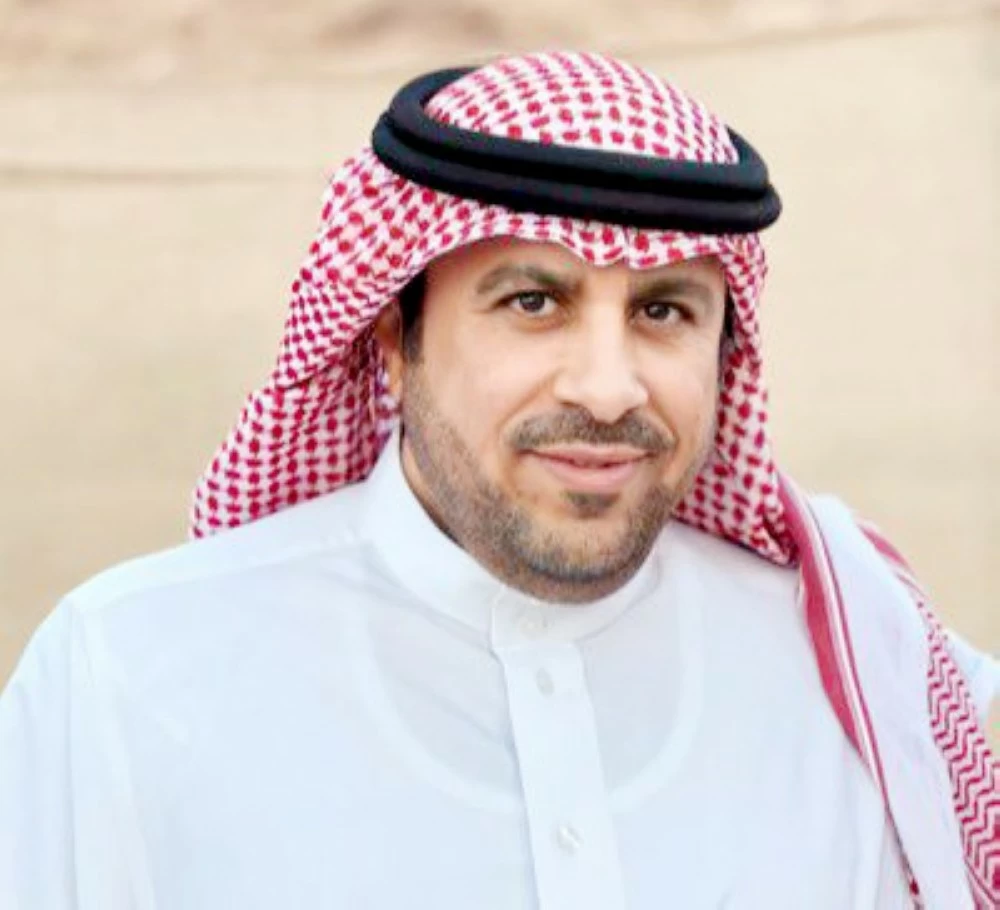
The book “Rawdat al-Afkar wal-Afham li-Murtad Hal al-Imam wa-Ta’dad Ghazawat Dhawi al-Islam,” commonly known as “Tarikh Ibn Ghannam,” is a cornerstone in documenting the history of the establishment of the First Saudi State and the reformist movement of Sheikh Muhammad ibn Abd al-Wahhab. Despite its pivotal importance, agreed upon by historians, this valuable work remained neglected by scholars for many years until the founder, King Abdulaziz ibn Abd al-Rahman Al Saud (may God have mercy on him), recognized its historical significance with his foresight. He ordered its printing and publication in India in 1337 AH (1918 CE), a proactive step to preserve the nation's memory and heritage.
Historical context and the importance of documentation
To understand the true value of this book, one must return to the mid-18th century CE, the period Ibn Ghannam chronicles. The Arabian Peninsula at that time was a stage for political divisions and a departure from sound doctrine. In 1744 CE, the town of Diriyah witnessed a historic pact between its ruler, Imam Muhammad ibn Saud, and the reformist Sheikh Muhammad ibn Abd al-Wahhab. This pact was based on supporting the call to monotheism and establishing a state governed by Islamic law. Ibn Ghannam was a contemporary of these events, making his book a living testimony and an indispensable source for understanding that foundational period which shaped the entire region and altered the course of its history.
The book's journey from lithographic printing to scientific investigation
The lithographic edition commissioned by King Abdulaziz in India remained the primary reference for decades, despite its lack of scholarly editing and technical indexes befitting the book's stature. Numerous attempts were made to republish the book in a better format. The author recounts his personal experience at the King Fahd National Library between 1423 and 1424 AH (2002-2003 CE) of working towards a photographic and color edition, a project that was halted for various reasons. Other efforts also remained incomplete, highlighting the significant challenges researchers faced in dealing with this important work. However, the unwavering dedication and tireless efforts of researcher Dr. Turki bin Fahd bin Abdullah Al Saud finally resulted in a meticulously edited and scholarly edition.
Investigation methodology and its impact on Saudi heritage
Dr. Turki undertook a daunting task, collecting more than 13 manuscript copies of the book and comparing them to arrive at the text closest to the author's intended meaning. The editor did not rely on a single manuscript as the primary source, but rather employed a "selected text" methodology, utilizing all copies to determine the most accurate reading and documenting variations in the footnotes. He prefaced his work with a comprehensive introduction that addressed the author's sources, the book's title, its attribution, and its date of composition, while also reviewing the manuscripts and previous editions. This meticulous scholarly work not only serves specialized researchers but also provides the general reader with a reliable and clear text of one of the most important treasures of Saudi history. Publishing the book in this critical edition fills a significant gap in the historical library, satisfies the thirst of those interested in the history of the Kingdom of Saudi Arabia and the Salafist movement, and reaffirms the ongoing commitment to preserving national heritage initiated by the founding king.


Culture and Art
The book "I am wheat and I am millet": Jazan's heritage in a cognitive text
A reading of Abdulrahman Mokli’s book “I am wheat and I am millet”, which transforms the popular dish “Marsa” into a deep anthropological entry point for understanding the memory and heritage of the Jazan cultural region.

In his new book, "I Am Wheat and I Am Millet," published by Arouqa Publishing House, author Abdulrahman Moukly presents a unique literary work that transcends the boundaries of traditional narrative. Moukly begins with a simple and familiar element of Jazan's culture—the popular dish "Marsa"—and embarks on a profound intellectual and aesthetic journey, transforming rural cuisine into an anthropological laboratory through which he explores memory, identity, and the human history of the place.
The Jazan region, located in southwestern Saudi Arabia, is known for its rich cultural and historical heritage and its unique geographical diversity. This rich heritage is clearly evident in its oral traditions, its ancient souks like the Tuesday market in Sabya, and its cuisine, which reflects the relationship between people and the land. In this context, "Al-Marsa" is not merely a dish made of flour, bananas, and ghee; it is a symbol of generosity and community, a ritual of daily life that holds the stories of mothers and grandmothers, and embodies an economy of both abundance and scarcity. From this perspective, Mokli delves into this world to offer a cultural interpretation that transcends mere taste and explores deeper meaning.
The author's narrative relies on the perspective of the "witnessing self," evoking the memories of a child observing with caution and longing the events unfolding in the kitchen. Through this child's eyes, we see more than just food preparation; we sense the aroma of the oven mingled with the woman's breath, feel the subtle anxiety of want, and anticipate the joy of those returning from the market. The book's title, borrowed from a popular saying, "I am wheat and I am millet," encapsulates this vision. The phrase signifies not only readiness but also a declaration of an identity rooted in the land and its produce, how a person defines themselves through their sustenance, and how grains of wheat and millet become cultural symbols of fertility and belonging.
The book represents a practical and profound response to modern intellectual calls to break free from the "rhetorical prison" of literature and connect it to the humanities, specifically anthropology. As the Iraqi thinker Khaz'al al-Majidi pointed out, literature needs a revolution to return it to its lived human essence. Muqli wholeheartedly embraces this vision, abandoning linguistic embellishments in favor of a dense and richly symbolic prose. Small details, such as the dough for sorghum, bunches of bananas, and the names of valleys and villages, are transformed in his text into cultural documents that reveal an entire society's worldview, making literature a field of knowledge capable of interpreting everyday life.
"I Am Wheat and I Am Millet" is a new and important installment in Mokli's cultural project to document and write about Jazan's heritage from a profound intellectual perspective. Following his previous works that explored religious, mystical, and historical aspects, he now delves into the heart of daily life, emphasizing that knowledge is not confined to grand texts but also resides in food traditions, markets, and proverbs. In doing so, the book presents a genuine portrait of Jazan, far removed from stereotypes, revealing its spirit as manifested in its simplest details and affirming that folklore is not merely decorative but a living, breathing text of knowledge worthy of reading and interpretation.
Ultimately, "I Am Wheat and I Am Millet" transcends being merely an autobiography or a documentation of local folklore, becoming an intellectual exploration that questions the very nature of literature. It is a text that establishes a new relationship between literature and anthropology, demonstrating how the kitchen and the aroma of bread can serve as gateways to understanding the deeper layers of human consciousness and collective imagination, thus presenting a work worthy of the depth and authenticity of Jazan's culture.
Culture and Art
Cultural investment and the geography of literature in Saudi Arabia | Vision 2030
Discover how cultural investment is driving a literary renaissance in Saudi Arabia, and the role of Vision 2030 in supporting creators and drawing a new creative map that enhances the Kingdom’s global presence.
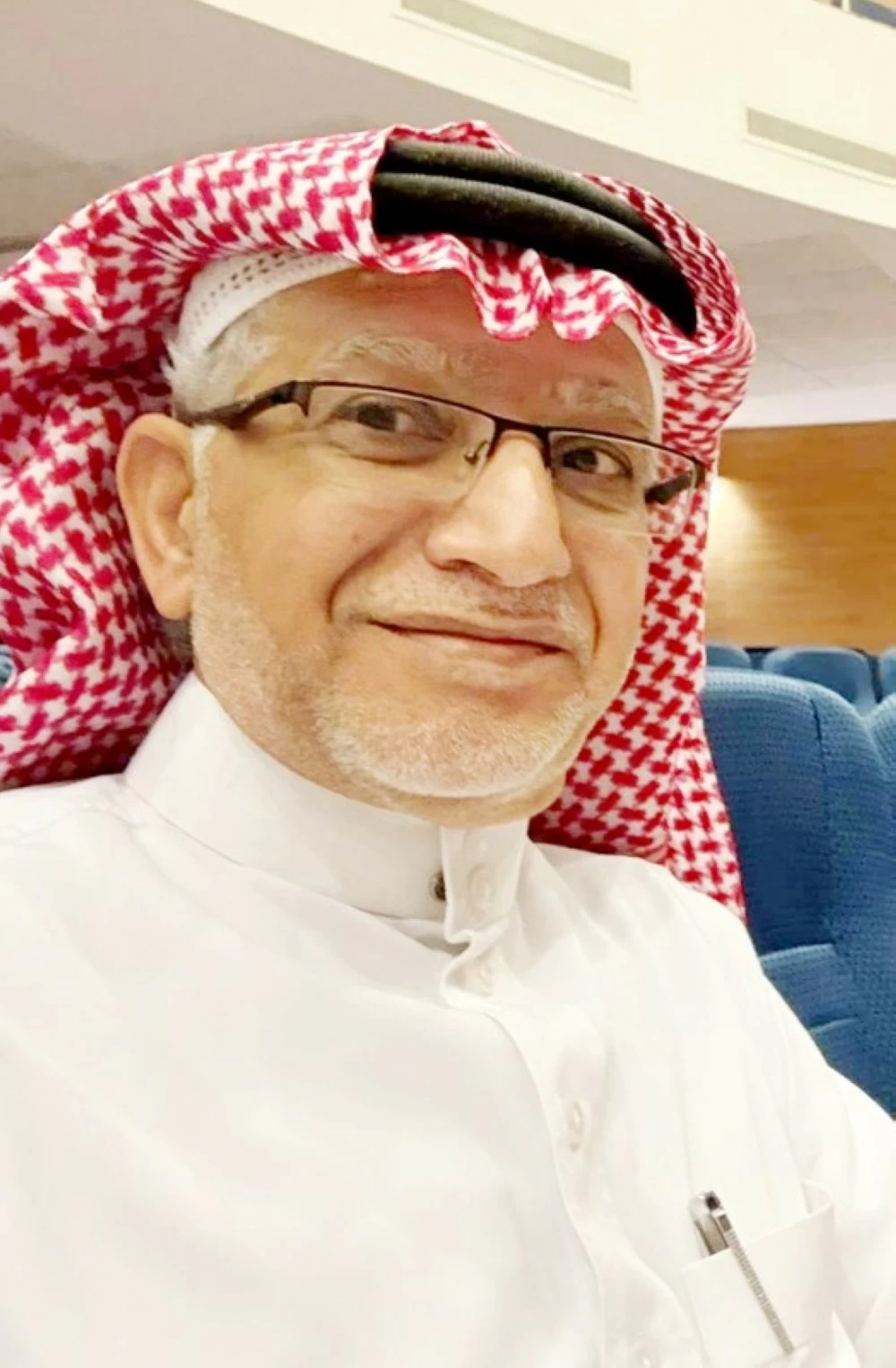
The cultural landscape in Saudi Arabia is undergoing a radical transformation, driven by a strategic concept known as “cultural investment.” Culture is no longer viewed as a mere intellectual pursuit, but has become a fundamental pillar of national development and a promising economic engine. This investment rests on two complementary axes: first, investing in the human and creative potential of society to enhance its cultural growth and intellectual achievements; and second, building a sustainable economic model that incentivizes the continuity of cultural work through meaningful returns, thus ensuring the consolidation of knowledge-based growth, which has become a measure of a nation’s progress and its aspirations for a pioneering future.
General context: Vision 2030 and the new cultural landscape
This growing interest in cultural investment comes within a broader context: the Kingdom’s Vision 2030, which aims to diversify income sources and build a vibrant society. Since the Vision’s launch, the cultural sector has witnessed a qualitative leap, marked by the establishment of the Ministry of Culture in 2018. This ministry has since spawned 11 specialized bodies covering various creative sectors, including the Literature, Publishing, and Translation Commission. These institutional steps were not merely administrative changes; they heralded a new era, placing culture and the arts at the heart of the national project and providing systematic support for creators and intellectuals throughout the Kingdom.
The Geography of Literature: A Renewed Creative Map
At the heart of this movement, the concept of “literary geography” emerges as one of the most important manifestations of cultural growth. Literary creativity is no longer confined to major cities; rather, we are witnessing a wider distribution of talent across the Kingdom’s various regions and provinces. A new generation of writers, poets, novelists, playwrights, and critics is emerging, producing innovative works that reflect the diversity and richness of Saudi culture. These young creators do not represent only themselves; they play a vital role in representing their nation at local and international events, presenting the world with a bright image of the intellectual and creative dynamism within the Kingdom, and winning prestigious awards in major Arab and international competitions.
Importance and expected impact
The impact of this investment extends far beyond local borders. Domestically, it contributes to strengthening national identity, creating jobs in the creative economy, and empowering youth. Regionally and internationally, it enhances the Kingdom's soft power, presenting it as a leading cultural hub in the region and attracting cultural tourism. Major events such as the Riyadh International Book Fair, the Janadriyah Festival, and art biennials have become global platforms showcasing Saudi cultural products and opening avenues for dialogue with world cultures.
Towards sustainable cultural integration
To ensure the continuation of this momentum, a sustainable relationship between the commercial investment sector and the cultural sector is essential. A symbiotic system must be created that supports creators, provides them with a stimulating environment, and simultaneously unlocks promising investment opportunities. The model offered by the General Entertainment Authority in transforming events into successful economic products can serve as an example for the cultural sector. By building strong institutions and effective governance, this creative endeavor can be organized and propelled towards global recognition, while continuously discovering young talent that will raise the bar and solidify the Kingdom's position as a key player on the global cultural map.
Culture and Art
Naming streets after literary figures in Saudi Arabia: Honors and challenges
A discussion about the initiative to name streets after intellectuals and writers in Saudi Arabia, between its cultural importance, official selection criteria, and its impact on national identity.
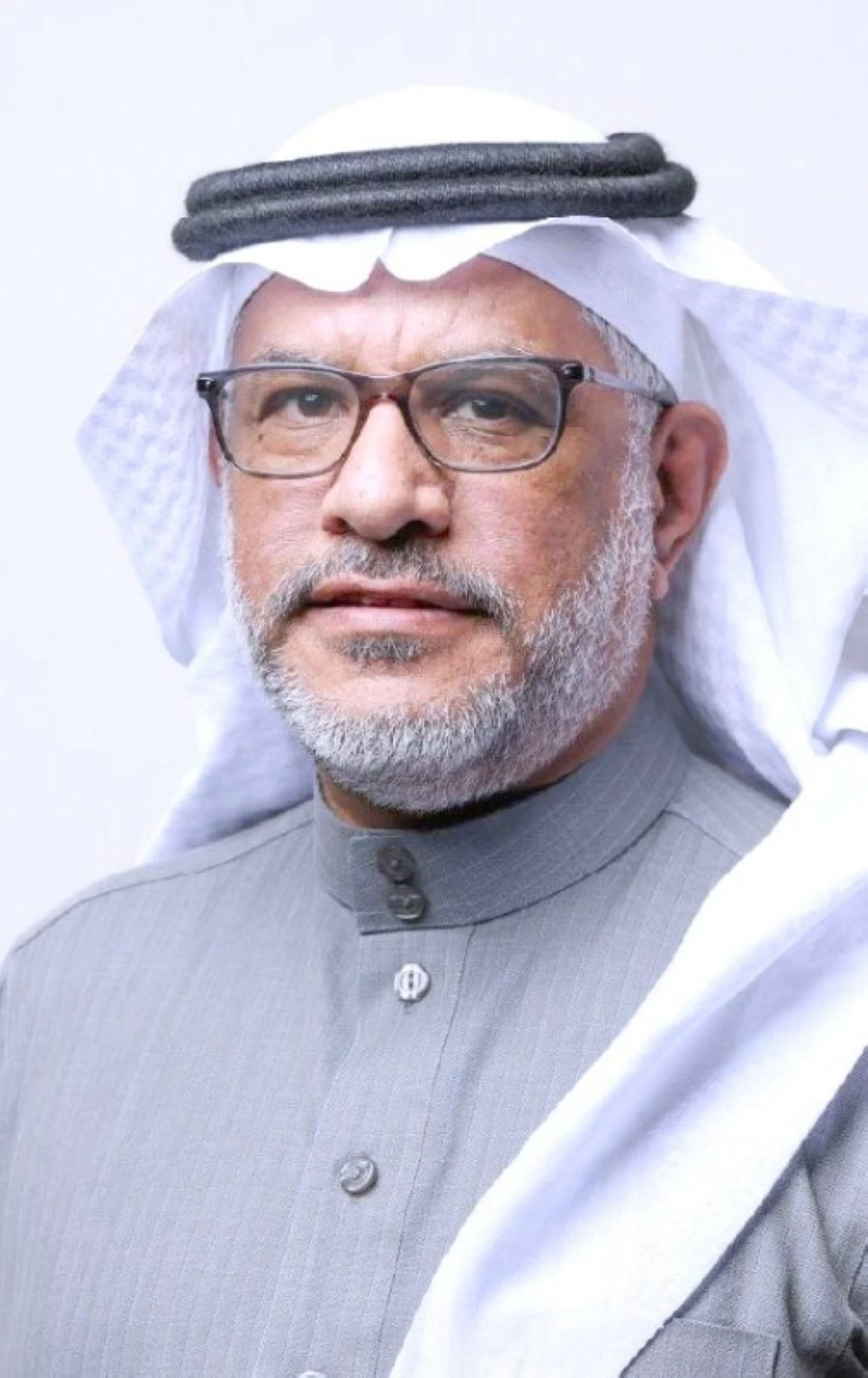
The naming of a main street in Al-Ahsa Governorate after the critic Dr. Saad Al-Bazai has sparked a wide-ranging cultural debate about the mechanisms and criteria governing the honoring of intellectual and literary figures in Saudi Arabia. This initiative, which has been widely welcomed, has reignited a long-standing debate: Should the selection of names be based on the intellectual's merit and influence, or should it remain subject to the regulations and controls set by municipalities and local authorities?
Historical background and national context
The practice of naming streets and squares after prominent figures is a global tradition aimed at preserving national memory and connecting generations to their history. In the Kingdom, this practice has historically focused on the names of kings, leaders, prominent historical and religious figures, or classic public names. However, recent years have witnessed a notable shift towards honoring contemporary cultural, artistic, and literary figures—a trend that aligns with the goals of Saudi Vision 2030, which places culture and national identity at the heart of its priorities and seeks to celebrate the creative individuals who have contributed to shaping societal awareness.
The importance of the initiative and its expected impact
The significance of these initiatives transcends mere symbolic tribute; they carry profound cultural and social dimensions. Locally, these namings foster a sense of belonging and pride among city dwellers, connecting them to their recent cultural history. Critic Dr. Mohammed Al-Dabisi views this act as “a conscious cultural practice closely linked to identity and memory,” functioning as a “silent educational tool” that evokes the lives and contributions of these prominent figures in the minds of passersby, thus enriching the cultural heritage of new generations and imbuing public spaces with a distinctive character.
Intellectuals' opinions: between appreciation and demands for clarity
Intellectuals agree that this initiative represents “the ultimate prize,” as described by historian Mohammed Rabie Al-Ghamdi, who recounted his personal experience with the street named after the poet Mutlaq Al-Dhiyabi in Jeddah, considering it a lasting honor that surpasses the value of any material award. Dr. Ahmed Al-Humaid affirms that naming a street after a literary figure during their lifetime is a source of pride, and after their death, it is an honor for their family and a recognition of their legacy. For his part, Dr. Saad Al-Rifai suggests developing this initiative by adding a QR code to street signs that leads to the individual's biography, thus transforming it into a tool for enriching knowledge.
However, intellectuals are calling for clear and transparent selection criteria. Dr. Al-Dubaisi criticizes what he describes as the “fluidity” of criteria in some areas, advocating for the adoption of scientific principles based on the actual impact of the individual in the fields of education, thought, and journalism, to avoid favoritism or arbitrary selections. Writer Ali Magawi agrees, arguing that commemorating influential figures should be an “official responsibility” to ensure the selection of the most suitable positions and the most deserving individuals.
Official vision: Specific procedures and controls
In contrast, official sources emphasize that the process is subject to strict controls. The municipalities of Madinah, Asir, and Al-Ahsa clarified that street naming is carried out according to instructions and standards approved by the Ministry of Municipal and Rural Affairs and Housing. The Secretary of Al-Ahsa Governorate, Engineer Essam Al-Mulla, indicated that the process begins with nominations from specialized entities, then proceeds through a dedicated committee, which selects the most suitable street before final approval is obtained from the regional or provincial authorities. This regulatory framework aims to ensure that the selections are well-considered and meet specific criteria, such as the importance and significance of the street, while also taking into account initiatives to honor certain groups, such as martyrs of duty or writers and intellectuals.
-

 Local News 4 days ago
Landslide in Riyadh: Details of the incident in Al-Sahafa neighborhood and containment efforts
-
 Local News 5 days ago
The death penalty was carried out against a citizen who stabbed another to death in Tabuk
-

 Culture and Art, 1 week ago
Ramez Galal in Ramadan 2026: Details of the bloody prank show
-

 Local News 6 days ago
First birth on the Riyadh train: A heartwarming story at Andalus station
-
 Culture and Art 4 days ago
Haifa Wehbe's absence in Riyadh: A photo crisis or a strained relationship with the media?
-
 Local News 4 days ago
Riyadh collapse: Emergency plans to secure water after a main pipeline burst
-

 Culture and Art 4 days ago
City Kitchen series: A drama of conflict and the middle class during Ramadan
-

 Culture and Art 4 days ago
The series "Kasra": Dawood Hussein in a moving social drama this Ramadan