Culture and Art
Developments in Fahad's health: The stroke's impact on speech and vision
Youssef Al-Ghaith revealed details of the health condition of artist Hayat Al-Fahad, confirming the impact of the stroke on her speech and vision, and her admission to intensive care in Kuwait after a treatment trip to London.

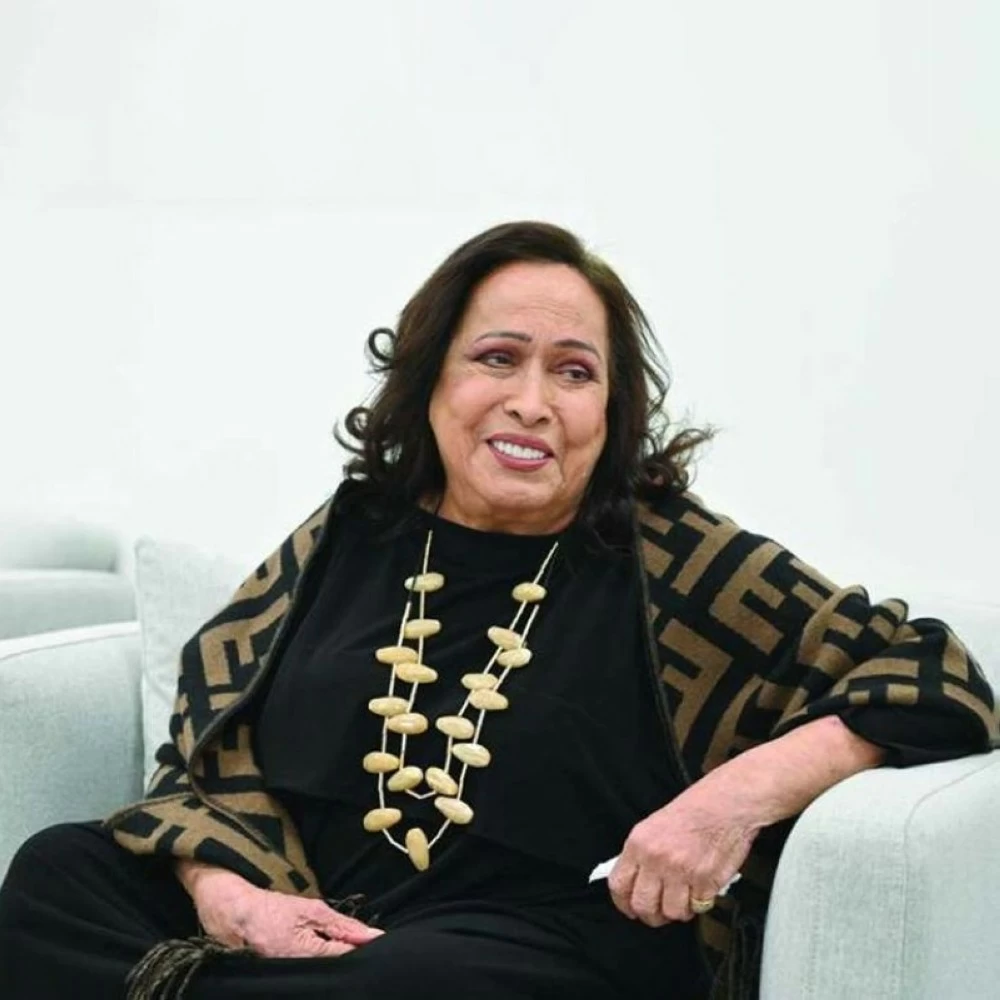
In worrying developments regarding the health of the Gulf drama icon, Youssef Al-Ghaith, the business manager of the esteemed artist Hayat Al-Fahad, revealed precise and painful details about her current health condition following her return to her homeland, Kuwait, after a long treatment trip in the British capital, London.
Details of the critical health condition
In a televised statement on Al Arabiya, Al-Ghaith explained that the Gulf screen icon had undergone an intensive treatment program at a London hospital for five months. He noted with regret that the results were not as hoped, as the actress did not respond to the treatment provided, necessitating new medical and family decisions.
Al-Ghaith added, explaining the nature of the health damage, indicating that the stroke that the artist suffered caused very large damage to the brain area, which was reflected directly and harshly on essential vital functions, as the injury completely affected her ability to speak as well as her sense of sight, which puts her in a very critical health situation.
Returning to Kuwait and the current situation
Regarding her return, her manager confirmed that the doctors overseeing her case recommended her return to Kuwait to be surrounded by her family and grandchildren, hoping that family closeness and psychological support would contribute to improving or stabilizing her condition. He concluded by confirming that Hayat Al-Fahad has been in intensive care since her arrival, noting that she is completely unconscious, and asking her fans to pray for her.
A prolific artistic career and a significant cultural impact
This news comes as a great shock to the artistic community and the Arab public, given Hayat Al-Fahad's exceptional stature in the history of Gulf and Arab art. Al-Fahad, nicknamed "The Lady of the Gulf Screen," is considered one of the most prominent founders of the artistic movement in the Gulf region. She began her career in the 1960s and, over many decades, presented dramatic and theatrical works that shaped the consciousness of Arab viewers.
Hayat Al-Fahad was not only an actress but also a brilliant screenwriter, whose works explored profound social and human issues that resonated with the realities of Gulf families. Among her timeless works, which continue to enjoy widespread popularity, are "My Aunt Qumasha," "Ruqaya and Sabiqa," and "The Wound of Time." The serious health crisis suffered by an artistic icon of her stature is not just a passing event; it is a significant development that impacts the cultural memory of the region. Millions of her fans anxiously await any glimmer of hope for her recovery, remembering her immense artistic legacy that has made her a part of every Gulf family.


Culture and Art
Hussam Junaid retires from performing concerts during Ramadan: Details
Syrian artist Hussam Junaid has announced his retirement from performing live concerts due to the decline of the music scene, while confirming he will continue releasing recorded songs. Learn more about the details and reasons behind his decision.
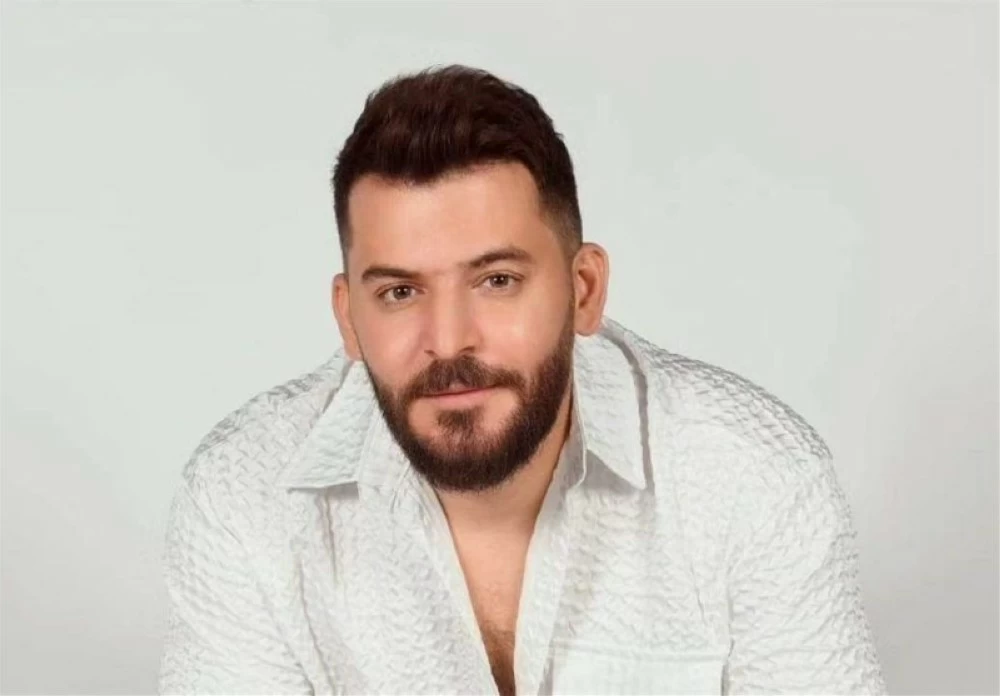
In a surprising move that sparked widespread controversy in Syrian and Arab artistic circles, the famous Syrian artist Hussam Junaid his retirement from performing at concerts and public and private events, attributing his decision to what he described as the negative changes taking place in the artistic scene, coinciding with the arrival of the holy month of Ramadan.
Details of the sudden retirement decision
Junaid announced his retirement from performing live concerts via his official social media accounts, where he addressed a heartfelt message to his fans and followers. The Syrian artist wrote, "To everyone who supported Hussam Junaid from 2009 to 2026, may God never deprive me of you. Today was my last day performing live. Thank God, I have decided to retire from live concerts." Junaid clarified that this decision does not mean his complete disappearance, but rather a shift in his career path, emphasizing, "I will definitely continue to release songs on my YouTube channel and across all platforms, as I am committed to a production company, poets, and composers.".
Reasons for the decision: Preserving the artistic heritage
Junaid's decision wasn't impulsive; it seems to be the culmination of accumulated concerns about the current artistic environment. He justified his move by expressing a desire to preserve his image and artistic standards, saying, "Those who love Hussam Junaid certainly wouldn't accept a decline in his artistic level. My voice and artistry are far superior to what's currently available, and it won't last because there are discerning listeners." This statement reflects a sense of dissatisfaction among a segment of professional artists regarding the recent decline in concert organization standards, audience quality, and the overall atmosphere surrounding commercial events. They prefer to withdraw while at the peak of their careers rather than participate in artistic trends that don't align with their legacy.
Artistic context and career of Hossam Junaid
Hussam Junaid is one of the most prominent voices in the Syrian popular and classical music scene. Over the past decade, he has secured a leading position in concerts and festivals in Syria, Lebanon, and the Arab world. This decision comes at a time when the artistic landscape is undergoing radical transformations, with many artists beginning to rely more heavily on digital platforms and revenue from live streaming and YouTube, rather than depending entirely on demanding concerts that may sometimes fall short of an artist's legacy.
The shift towards digital production
Junaid's confirmation that he will continue releasing songs on YouTube indicates an awareness of the demands of the digital age. This approach allows the artist complete control over the quality of his artistic output, free from the pressures of promoters and the potentially unsuitable conditions of live performances. Junaid apologized to concert promoters, saying, "I love you all from the bottom of my heart, and I apologize to all the promoters I made promises to. I hope you will accept my decision positively." He concluded his message by wishing his fans a blessed Ramadan: "I love you all. You are my family, the ones I grew up with, and you are the ones who raised me. Ramadan Kareem to you all.".
Reactions and timing of Ramadan
The public reacted strongly to this decision, with many linking the timing of the announcement to the start of Ramadan, considering it a positive step towards devoting oneself to worship and self-reflection—a practice followed by some Arab artists during the holy month. Reactions ranged from shock and sadness at his absence from the stage to full support for his decision, which aims to protect his artistic legacy from the vulgarity prevalent in some aspects of the current art scene.
Culture and Art
Austrian girl accuses Mahmoud Hegazi of harassment: details and breakdown
In her first media appearance, the Austrian woman accuses artist Mahmoud Hegazi of harassment and threatening her with his influence, breaking down in tears alongside Tamer Abdel Moneim. Learn the full details of the incident.
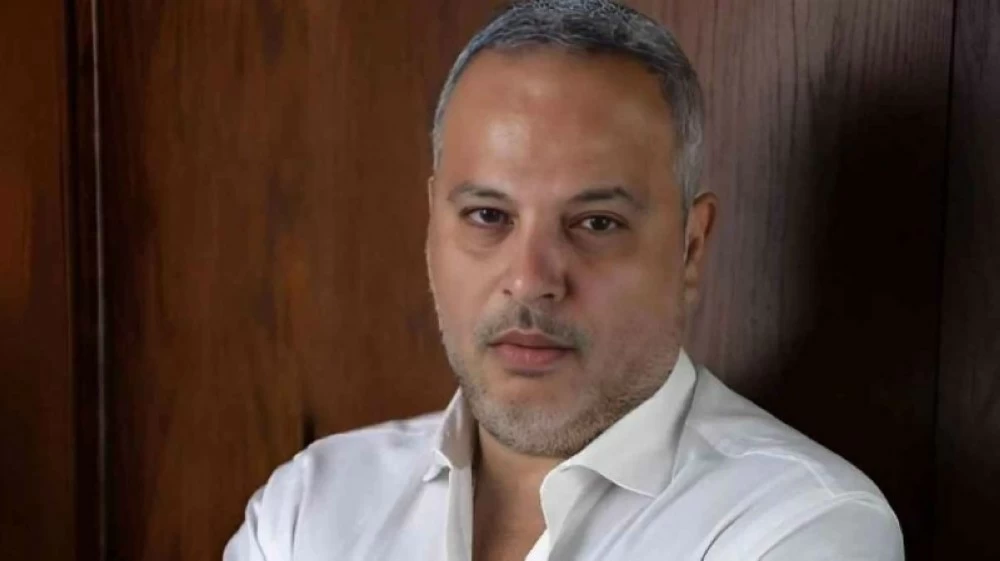
In a significant development in a case that sparked widespread controversy on social media and within the artistic community, the Austrian woman accusing Egyptian actor Mahmoud Hegazi of harassment broke her silence in her first media appearance, revealing shocking details about the incident and its subsequent psychological repercussions. This came during a phone interview with the program "Al-Basma" (The Fingerprint), hosted by actor Tamer Abdel Moneim on the "Al-Shams 2" channel.
Details of the threat of influence and fame
The young woman recounted the details of her relationship with the artist Mahmoud Hegazi, explaining that it began as a normal friendship before turning into what she described as a "shocking and painful" experience. She asserted that the artist exploited his position, saying, "Hegazi threatened me with his influence and fame, constantly repeating the phrase 'I'm an artist and I'm famous,' in a blatant attempt to pressure and intimidate me into silence.".
The girl also made sure to deny the rumors circulating about her relationship with the artist’s wife, stressing categorically that she does not know her and has never spoken to her, and that the whole matter was related to her personal acquaintance with Hegazi only.
Breakdown, tears, and confidence in the Egyptian judiciary
The phone interview was deeply emotional, with the young woman breaking down in tears live on air, expressing the immense psychological pressure she was under. Despite her distress, she affirmed her complete faith in the integrity of the Egyptian judiciary to restore her rights, saying, "I believe the truth will prevail." She added that her shock was compounded because she had considered Hegazi a trusted friend before the incident.
In a related context, the girl expressed her deep love for Egypt and its people, noting her great admiration for the leader Adel Imam, and revealed her wish to obtain Egyptian citizenship, reflecting her emotional connection to the country despite the crisis it is going through.
The psychiatric perspective and the repercussions of the crisis
The meeting wasn't limited to the girl's account; it also included input from her treating physician, who revealed the girl's deteriorating psychological state following the incident. The doctor explained that the patient seemed "detached from reality," suffering from severe bouts of sadness and difficulty expressing what she had experienced. She emphasized that the journey to psychological recovery would require time and specialized support to overcome the trauma.
Celebrity issues and their societal impact
This incident has once again brought to the forefront cases involving celebrities, which typically garner widespread media and public attention. Such accusations spark societal debates about the importance of separating artistic life from personal conduct, and the necessity of transparent investigations to uncover the truth. These cases represent a true test of how media and legal mechanisms handle ethical crises, as the public and the artistic community await the outcome of the official investigations in the coming days, amidst continued assurances that the rule of law applies to everyone.
Culture and Art
Kawthar Ben Hania rejects the Berlin prize because it honors an Israeli general
Tunisian director Kaouther Ben Hania refuses to accept the Cinema for Peace award in Berlin in protest against the honoring of an Israeli military officer, and demands justice for the child Hind Rajab.
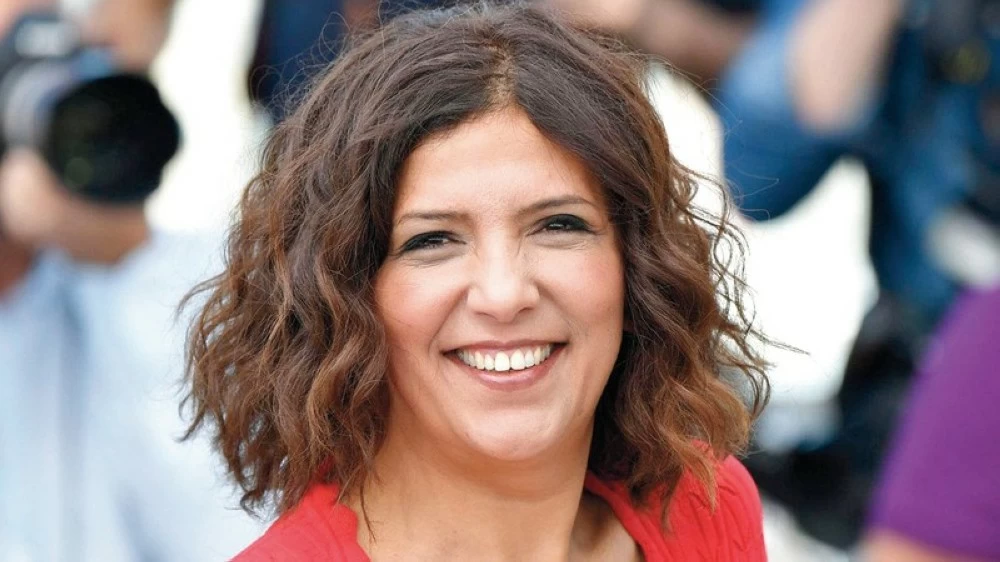
In a bold move that resonated widely in cultural and political circles, the internationally acclaimed Tunisian director Kaouther Ben Hania to accept her award at the Cinema for Peace Foundation awards ceremony held in Berlin, Germany, on the sidelines of the Berlin International Film Festival. This firm refusal came in protest against the honoring of an Israeli military figure at the same event, which the director considered an unacceptable attempt to equate the victim with the perpetrator.
A powerful message of protest: “The voice of Hind Rajab”
Despite her powerful film "The Voice of Hind Rajab" winning the Most Valuable Film award at the annual event, Ben Hania chose to leave the award on stage moments after accepting it. She explained that this action was in response to the honoring of former Israeli General Noam Tibon, whose story was featured in the Canadian documentary "The Road Between Us," which addresses his role during the events of October 7, 2013. Ben Hania argued that simultaneously honoring a work documenting the tragedy of a Palestinian child and a military general was a blatant contradiction of the principles of justice.
Cinema as a tool for accountability, not for beautification
In her moving acceptance speech, the Tunisian director announced that she would not take the award with her, but would leave it as a symbol and a reminder of the need for international justice and accountability. Ben Hania said, "I will only return to accept the award with joy when peace becomes a legal and moral obligation based on holding those responsible for crimes accountable." She emphasized that her sense of responsibility outweighed her sense of gratitude, stressing that her film does not simply tell an individual story, but rather sheds light on a systemic violence that made the murder of the child Hind possible.
Ben Hania added that what is happening is not an exception, but rather comes within a broader context of violence, warning against the use of terms such as “self-defense” or “complex circumstances” as a political cover to justify mass killing, and stressing that cinema should never be turned into a tool for whitewashing images or falsifying facts.
The tragedy of Hind Rajab: Gaza's bleeding wound
The film "The Voice of Hind Rajab" is based on true events that shook the world's conscience. It recreates recordings of emergency calls made by six-year-old Hind Rajab, who was killed in the Gaza Strip on January 29, 2014. Hind was trapped inside a car with her family, all of whom were killed by Israeli fire. She continued to call for help for hours before the connection was lost. The story also documents the deaths of paramedics Youssef Zeino and Ahmed Al-Madhoun from the Palestinian Red Crescent, who went out to rescue her, only to have their ambulance targeted in an incident that sparked widespread international condemnation.
Kawthar Ben Hania: A journey filled with triumphs for humanity
This stance further cements Kaouther Ben Hania's position as one of the most prominent Arab and international cinematic voices, employing art to serve humanitarian causes. The director boasts an impressive track record, with her film "Banat Olfa" reaching the final list of Oscar nominations, and her previous film "The Man Who Sold His Skin" also receiving an Oscar nomination. Her latest work, "The Voice of Hind Rajab," is an extension of her unique cinematic style, blending documentary and drama to present stories that resonate with reality and call for change, placing it in the spotlight as a strong contender at international festivals.
-

 Culture and Art 7 days ago
The "Between and Between" exhibition in Jeddah: 5 artists reshape Saudi memory
-
Local News 5 days ago
Saudi Arabia's National Arabic Language Policy: 8 Principles to Promote Identity
-
Culture and Art, 1 week ago
Shakira's concert in Jeddah: Details of the international star's first concert in Saudi Arabia
-
Local News 4 days ago
Adopting the National Policy for the Arabic Language: Strengthening Identity and Vision 2030
-
Local News 5 days ago
The Riyadh-Rin-Bisha dual carriageway, spanning 559 km, has been completed
-
Culture and Art, 1 week ago
Ramez Level the Monster: Details of Ramez Galal's program in Ramadan 2026
-
Local news one week ago
Launch of the new Dammam project with investments of 98 billion riyals
-
Local News 3 days ago
The Supreme Court calls for the sighting of the crescent moon of Ramadan 1447 on Tuesday evening